Introduction
In just a few decades, competitive gaming—known to the world as Esports—has evolved from a niche hobby into one of the most powerful forces in entertainment. Once limited to dimly lit arcades and local LAN parties, Esports has grown into a multibillion-dollar industry that fills stadiums, attracts millions of viewers online, and supports an entire economy of teams, players, organizers, and brands.
But this transformation didn’t happen overnight. Esports represents a fascinating blend of technology, competition, and culture, driven by passionate communities and powered by digital connectivity. To understand its impact, we need to look at how it began, how it evolved, and where it’s heading next.
The Birth of Competitive Gaming
Before “Esports” became a term, competitive gaming was already taking shape in the late 1970s and early 1980s. In 1980, Atari held the Space Invaders Championship, often cited as the first major video game competition, drawing thousands of participants across the United States. Around the same time, arcades were buzzing with high-score chases in titles like Donkey Kong and Pac-Man, where players competed to etch their initials onto leaderboards.
By the 1990s, home consoles and personal computers were expanding gaming’s reach. Titles like Street Fighter II, Super Smash Bros., and StarCraft became cornerstones of early competitive play. LAN parties—local gatherings where players connected computers in the same network—offered the first taste of multiplayer tournaments before online gaming was widespread.
These early gatherings were more about bragging rights than money, but they laid the groundwork for a culture of organized competition that would later explode into a global phenomenon.
The Rise of Online Play and Early Esports Leagues
The late 1990s and early 2000s saw the birth of online gaming, thanks to the spread of broadband internet. This changed everything. Players could now compete with anyone, anywhere, without being in the same room.
Games like Counter-Strike, Quake III Arena, and Warcraft III became the backbone of early Esports. During this era, the first professional leagues started to form—Cyberathlete Professional League (CPL) and Major League Gaming (MLG) among the pioneers. They offered structured tournaments, cash prizes, and even sponsorships, which helped transform gaming from pastime to profession.
Korea, in particular, became a global hub for Esports. The country’s strong internet infrastructure and cultural enthusiasm for gaming led to the explosion of StarCraft: Brood War tournaments. Korean players like BoxeR and Flash became national icons, and television networks began broadcasting Esports matches to mainstream audiences—something few other countries were doing at the time.
The Streaming Revolution and Global Accessibility
While the 2000s gave Esports its foundation, the 2010s ignited its growth. The rise of streaming platforms such as Twitch, YouTube Gaming, and later Facebook Gaming made competitive gaming accessible to anyone with an internet connection.
Fans could now watch tournaments, replays, and commentary in real-time, with professional players becoming influencers in their own right. The barrier between players and viewers disappeared, and Esports content became a form of entertainment that rivaled traditional television.
Games like League of Legends, Dota 2, and Counter-Strike: Global Offensive established massive international tournaments with multimillion-dollar prize pools. Valve’s The International, for example, broke records each year with its crowdfunded prize money, symbolizing just how invested communities had become.
Streaming also democratized Esports—any skilled player with charisma could build an audience and climb into the professional scene, creating opportunities that traditional sports could never offer.
The Rise of Franchised Leagues
As viewership grew, Esports began to mirror the structure of traditional sports. Developers and organizations recognized the need for long-term sustainability, leading to the creation of franchised leagues.
The Overwatch League (OWL) and the League of Legends Championship Series (LCS) introduced permanent city-based teams, standardized player contracts, and set schedules. This shift attracted investment from traditional sports owners, tech giants, and celebrities who saw Esports as the next frontier of entertainment.
These leagues helped stabilize the industry by offering consistent competition formats, merchandising, and regional representation. Fans could now root for teams based in their cities, just like in football or basketball.
However, franchising also brought challenges—entry fees were high, and maintaining profitability proved difficult for some organizations. Still, the model signaled that Esports was no longer an experimental niche but a maturing industry seeking legitimacy and structure.
The Business of Esports
Esports today represents a multi-billion-dollar global business spanning sponsorships, media rights, merchandise, and live events. Brands across industries—from energy drinks to car manufacturers—have jumped into Esports sponsorships, drawn by the highly engaged, tech-savvy demographic of fans.
Revenue Streams include:
- Tournament prize pools and ticket sales
- Sponsorships and advertising
- Streaming and broadcasting rights
- Team merchandise and fan experiences
- In-game purchases and digital goods
Companies like Riot Games, Valve, and Activision Blizzard have become both publishers and sports organizers, owning the entire competitive ecosystem for their titles. Meanwhile, third-party organizations like ESL, DreamHack, and Blast Premier continue to run major independent events that fill arenas worldwide.
For players, the business side has become just as important as gameplay. Professional contracts, endorsement deals, and social media followings now define an athlete’s value. Esports organizations manage rosters, training facilities, and even player wellness programs—blurring the lines between gaming and traditional athletic professionalism.
The Cultural Influence of Esports
Beyond the tournaments and sponsorships, Esports has deeply influenced modern culture. It has reshaped entertainment, communication, and even how young people view career paths.
Esports athletes are now celebrities, followed by millions on platforms like X, TikTok, and Instagram. Their gameplay highlights are shared as digital art forms, and their live streams attract massive audiences. Gaming jargon and memes have become part of mainstream online language.
Esports has also bridged cultures globally. Whether in Seoul, Berlin, or Los Angeles, fans share the same excitement, the same cheers, and the same digital arenas. The universality of gaming has fostered international communities where competition becomes connection.
The Role of Technology
Technological advancement has been the backbone of Esports’ rise. Every leap in hardware, software, and connectivity has opened new possibilities.
- High-speed internet made global competition possible.
- Powerful gaming PCs and consoles improved performance and graphics.
- Cloud computing and AI-driven analytics have changed training methods, with teams using data to refine strategies.
- VR and AR technologies are starting to merge physical and digital experiences, hinting at the next phase of interactive competition.
Even mobile technology has expanded the reach of Esports. Mobile titles like PUBG Mobile, Free Fire, and Mobile Legends: Bang Bang have built enormous followings, especially in regions where gaming PCs are less accessible. This mobile revolution has made Esports truly global, reaching players from every economic background.
Education and Career Opportunities in Esports
Esports is no longer viewed as “just playing games.” Many universities now offer Esports management and game design programs. Scholarships are awarded to talented players, just like in basketball or football.
The industry also offers a wide range of career paths—casting, production, marketing, coaching, event management, and content creation. The need for skilled professionals behind the scenes is immense.
For example, a typical Esports event might involve dozens of roles: broadcasters, analysts, camera operators, social media teams, and event coordinators. The ecosystem has become a serious business requiring diverse expertise, not just gaming skill.
Challenges Facing Esports
Despite its growth, Esports still faces major hurdles that threaten its sustainability and credibility.
Player burnout is one of the biggest concerns. Professional gamers often practice 10 to 12 hours a day, leading to mental fatigue, physical strain, and short career spans. Teams and leagues are now investing in sports psychology and balanced training schedules to address this.
Cheating and integrity issues are also persistent. From hacking and match-fixing to performance-enhancing substances, competitive fairness has occasionally come under scrutiny. As a result, organizations have started implementing strict anti-cheat systems and code-of-conduct regulations.
Monetization challenges continue to plague the industry. While viewership is massive, profitability remains elusive for many organizations. High operational costs, dependence on publisher ecosystems, and uneven revenue sharing models make financial stability difficult.
Finally, representation and inclusivity are growing discussions. Esports has historically been male-dominated, but initiatives promoting gender diversity, accessibility, and inclusiveness are steadily changing the scene.
The Pandemic Effect: Esports During COVID-19
When the COVID-19 pandemic hit, nearly every traditional sport was forced to pause. Esports, however, thrived. Its digital nature allowed tournaments to continue online, offering entertainment to millions stuck at home.
With stadiums empty, Esports filled the void. Even traditional sports organizations turned to gaming—Formula 1 drivers competed in virtual races, footballers played FIFA tournaments, and celebrities joined charity streams.
The pandemic accelerated mainstream acceptance of Esports as a legitimate form of competition and entertainment. It also showcased the adaptability of digital communities when the physical world was at a standstill.
Esports and Traditional Sports: A Growing Connection
The boundary between Esports and traditional sports is fading. Many sports franchises now own or sponsor Esports teams. For example, football clubs like Manchester City and Paris Saint-Germain have official Esports divisions. NBA and NFL owners have invested in gaming leagues, recognizing the overlap in fan engagement.
Both industries share the same pillars: teamwork, strategy, performance, and entertainment. But Esports offers something traditional sports cannot—instant global reach, digital interactivity, and infinite replayability.
As generations raised on gaming become the dominant audience, Esports may not just coexist with traditional sports but eventually rival them in scale and influence.
Esports Arenas and Live Events
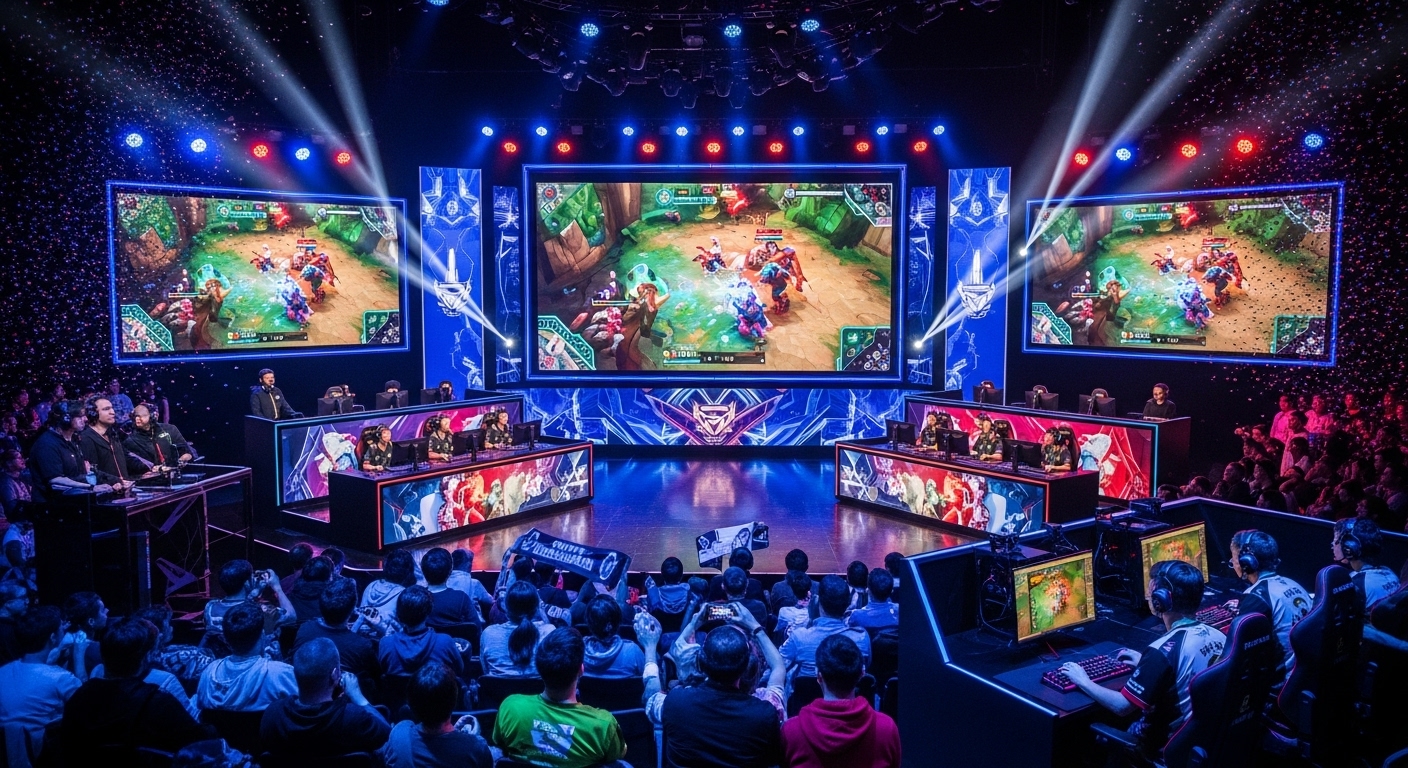
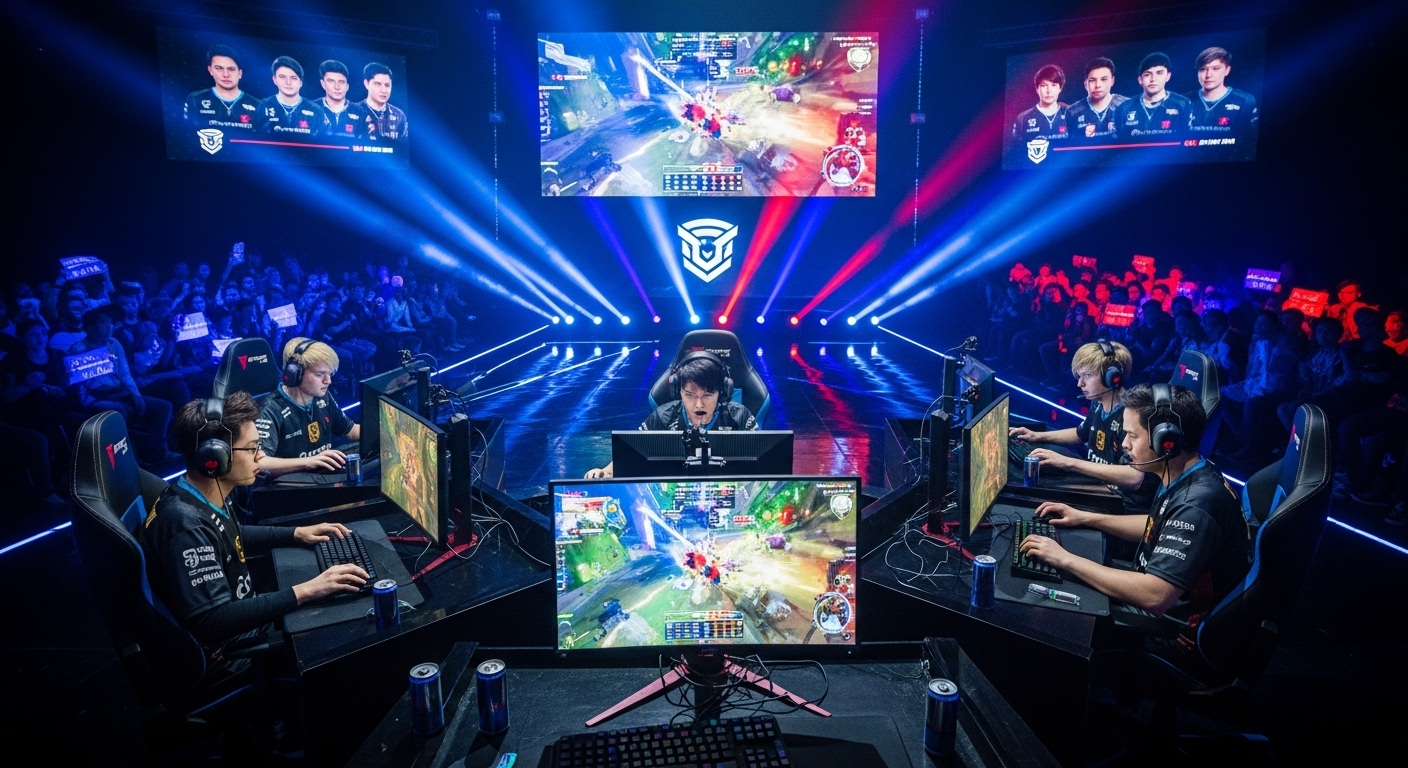
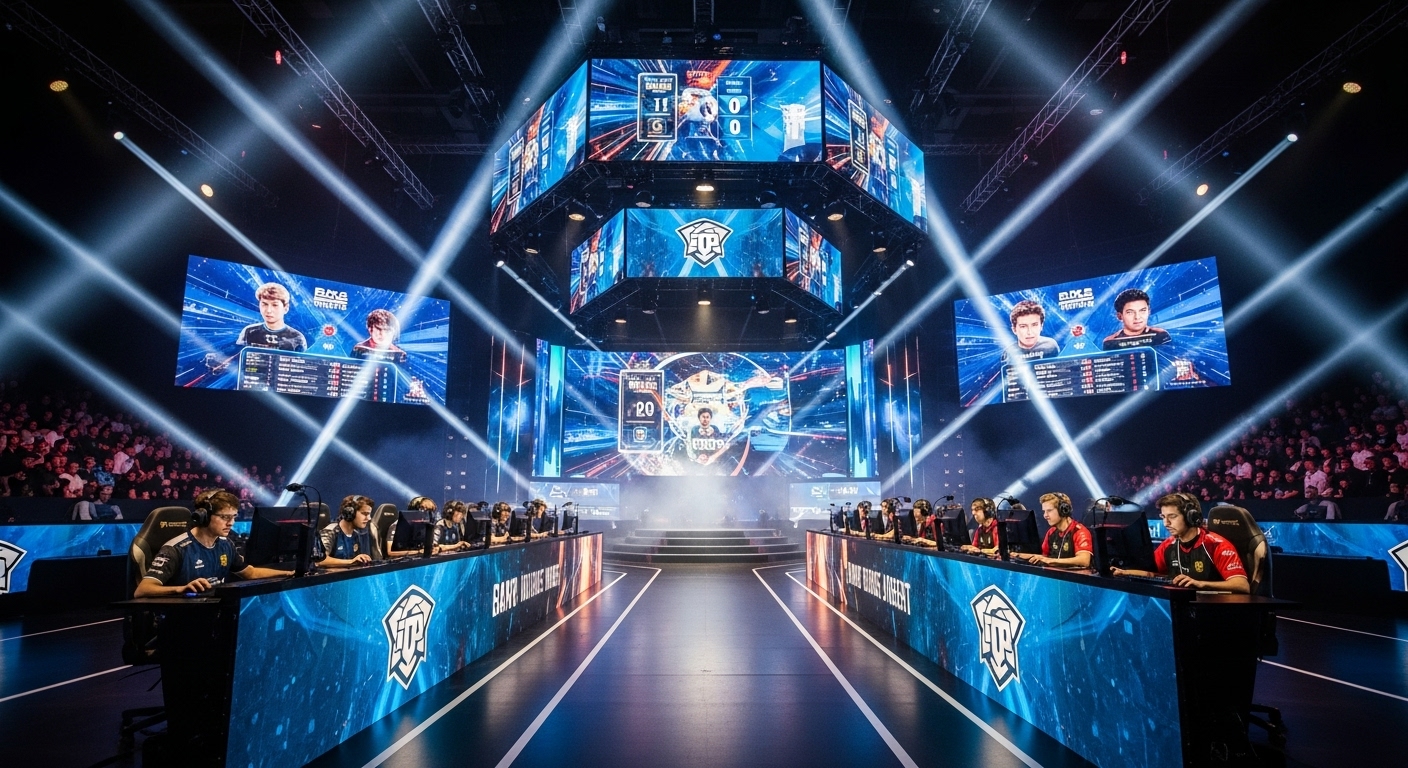
While online streaming is massive, in-person Esports events are equally thrilling. Massive arenas like the Staples Center in Los Angeles and Spodek Arena in Poland have hosted sold-out Esports championships, complete with light shows, live commentary, and roaring crowds.
The atmosphere of a live Esports event rivals any concert or sports final. Fans travel from all over the world to support their favorite teams, waving banners and chanting player names. These gatherings transform gaming into a shared cultural experience that transcends the digital realm.
The Future of Esports
Looking ahead, Esports is poised to grow even more dynamic and interconnected. Several trends are shaping its future:
- Global Expansion: Developing regions like Southeast Asia, South America, and Africa are emerging as new powerhouses.
- Mobile Dominance: With smartphones becoming more powerful, mobile Esports will continue to reach new audiences.
- Technological Integration: Augmented reality, virtual reality, and AI will enhance spectator experiences and training methods.
- Mainstream Legitimacy: The possibility of Esports being featured in the Olympic Games is being seriously discussed.
- Sustainability and Health: The focus will increasingly shift toward balancing competition with player well-being.
The line between “player” and “viewer” is also blurring. With interactive features, fans might soon influence live matches, choose camera angles, or even participate in minor ways during broadcasts. Esports could become the most interactive entertainment form ever created.
Conclusion
From small gatherings of arcade enthusiasts to massive global arenas, Esports has redefined what competition means in the digital age. It has merged technology, creativity, and human passion into a single global movement that continues to evolve every year.
At its heart, Esports is about more than winning or losing—it’s about community, connection, and the pursuit of excellence in a new kind of arena. Whether you’re a professional player, a casual viewer, or someone still learning about it, one thing is clear: Esports isn’t just the future of gaming; it’s the future of entertainment itself.