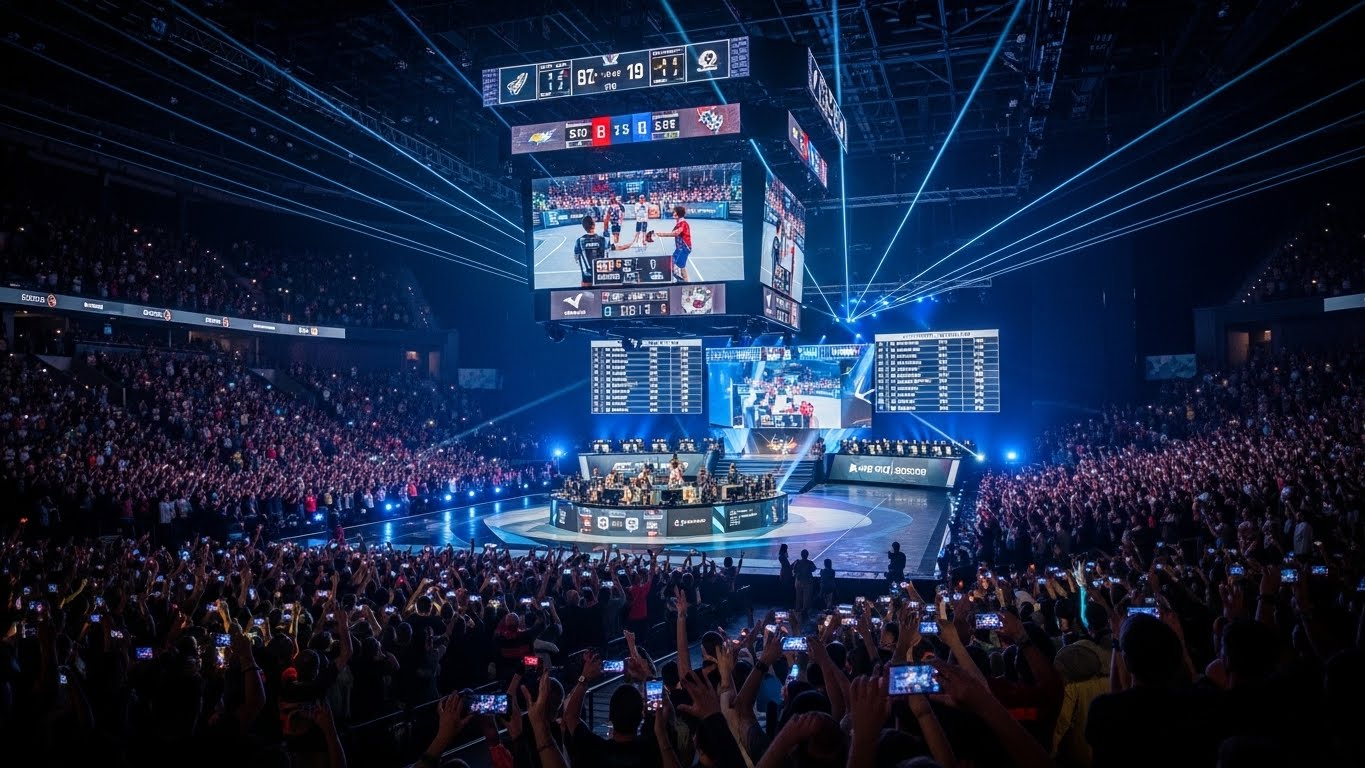
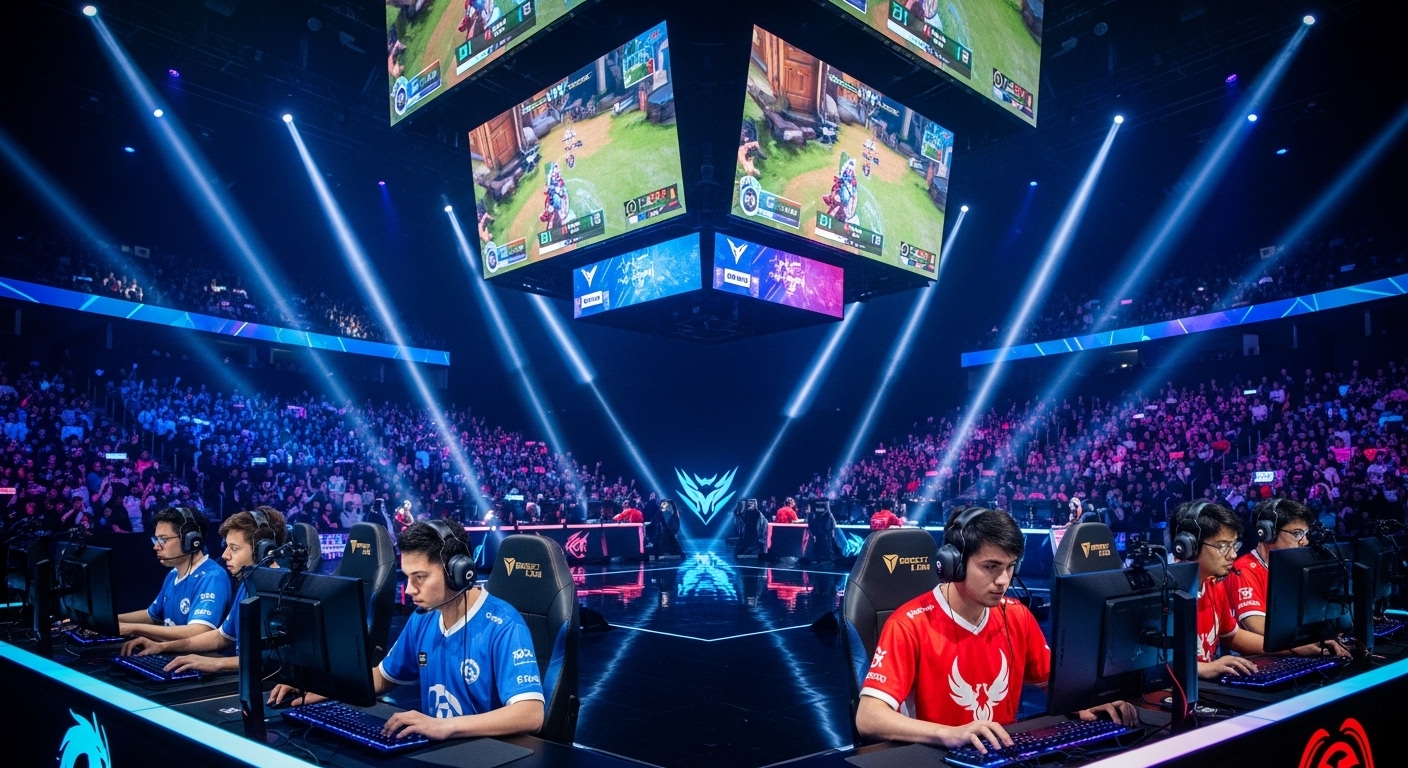
Esports, short for electronic sports, is one of the most remarkable evolutions in modern entertainment history. It has transformed from small gatherings of passionate gamers into a billion-dollar global industry that rivals traditional sports in viewership, sponsorship, and cultural impact. What once began as friendly competitions between hobbyists has turned into massive arenas filled with roaring fans, global tournaments watched by millions, and careers built on digital mastery. To understand the journey of esports is to witness how technology, culture, and human competitiveness have merged into a new era of entertainment.
The Origins of Esports
The roots of esports stretch back much further than many people realize. Competitive gaming did not begin with streaming platforms or modern consoles; it began in the 1970s, when computers were becoming accessible to universities and arcades were emerging as the new frontier of entertainment. In 1972, at Stanford University, students gathered to compete in the game “Spacewar!”—widely considered the first recorded video game competition. The prize? A year’s subscription to a magazine. It was small, but symbolic of something that would grow far beyond anyone’s imagination.
By the 1980s, arcade culture was thriving. Games like Pac-Man, Donkey Kong, and Street Fighter drew crowds in local gaming centers. High scores were displayed on leaderboards, and players became local legends by engraving their initials at the top. This period marked the social birth of gaming competition. It was no longer about playing alone; it was about beating others, earning recognition, and achieving digital dominance. The early seeds of what we now call esports were already sprouting.
The Internet and the Dawn of Online Competition
The arrival of the internet in the 1990s revolutionized the gaming landscape entirely. Suddenly, players were not limited to their friends or local arcades—they could compete with anyone in the world. This was the spark that lit the esports wildfire. Titles like Doom and Quake introduced online multiplayer modes that encouraged intense player-versus-player showdowns. QuakeCon, founded in 1996, became one of the first gaming conventions that celebrated competitive play, with thousands of fans attending to watch or participate.
At the same time, real-time strategy games like StarCraft and Warcraft were gaining traction, especially in South Korea. StarCraft, in particular, became a national obsession, with televised matches, sponsorships, and professional players becoming celebrities. South Korea’s investment in high-speed internet infrastructure helped make online gaming accessible and reliable, turning it into a cultural phenomenon. This period is widely recognized as the birth of modern esports.
The Early 2000s: Professionalization and Expansion
As the new millennium began, esports started to mature. The early 2000s witnessed the creation of structured leagues, international tournaments, and professional gaming organizations. Games like Counter-Strike, Halo, and Warcraft III became staples of competition. Esports teams were formed with dedicated sponsors, coaches, and training routines. Major tournaments began to offer cash prizes that were substantial enough to make competitive gaming a legitimate career path.
One of the most influential organizations of the time was Major League Gaming (MLG), founded in 2002. It played a critical role in legitimizing esports in North America. MLG hosted tournaments across the United States and provided a platform for players to showcase their skills to a growing audience. Around the same time, games like Dota and the early versions of League of Legends started shaping the multiplayer online battle arena (MOBA) genre, which would later dominate esports viewership.
Meanwhile, in Asia, esports was already mainstream. South Korea’s professional leagues and China’s growing gaming population established Asia as the beating heart of the esports world. Stadiums were filled with thousands of fans cheering for their favorite teams, and players were celebrated like sports superstars. This was the era when esports began to develop its unique culture and identity—one rooted in passion, community, and global connectivity.
The Streaming Revolution and Mainstream Breakthrough
The rise of streaming platforms in the late 2000s and early 2010s changed everything. Twitch, YouTube, and other live-streaming services gave esports unprecedented visibility. No longer confined to niche TV channels or local events, fans could now watch live tournaments, professional players, and even amateur streamers from anywhere in the world. This accessibility brought esports into the mainstream spotlight.
League of Legends, launched in 2009, became a pivotal force in this revolution. Riot Games invested heavily in building a professional league system, global tournaments, and high-quality broadcasts that mirrored traditional sports production. The League of Legends World Championship drew millions of viewers each year, with production values rivaling that of major sports events.
Simultaneously, Valve’s Dota 2 exploded onto the scene with The International, an annual tournament known for its massive prize pools. Funded by player contributions through in-game purchases, The International set new records year after year, cementing Dota 2 as one of the premier esports titles. Other games followed suit—Counter-Strike: Global Offensive maintained its dominance, and new entrants like Overwatch and Fortnite diversified the esports ecosystem.
By the mid-2010s, esports had evolved from underground LAN parties to a full-fledged global industry. Major companies, advertisers, and even traditional sports franchises began investing heavily in esports organizations. The line between virtual and physical sports started to blur.
Esports Infrastructure and the Birth of Super Teams
As esports matured, it required structure—leagues, franchises, and organizations that could manage talent and create sustainable ecosystems. This led to the birth of the franchising model, particularly seen in games like Overwatch League and League of Legends Championship Series (LCS). Teams purchased slots in leagues, ensuring long-term stability and revenue sharing. These developments mirrored traditional sports systems, complete with salaries, transfers, and sponsorship deals.
Super teams emerged—powerhouses that dominated tournaments and attracted global fanbases. Teams like Fnatic, Cloud9, Team Liquid, and T1 became household names in gaming culture. Their players were no longer just gamers; they were professionals with coaches, analysts, nutritionists, and psychologists ensuring peak performance. Esports training facilities resembled those of professional athletes, with strict routines, physical workouts, and strategy sessions.
With this professionalization came serious investment. Venture capitalists, celebrities, and major brands like Coca-Cola, Intel, and Red Bull poured millions into esports sponsorships and infrastructure. Universities began offering esports scholarships, and governments recognized esports as an official sport in several countries. It was no longer a question of whether esports was legitimate—it was how far it could go.
Global Esports Culture and the Rise of Fandom
One of the most remarkable aspects of esports is its global reach. Unlike traditional sports tied to geography, esports transcends borders. A fan in Brazil can support a team from Europe; a player in the Philippines can compete against someone in Canada. This universality has created a unique culture where language and nationality matter less than passion and skill.
The esports community thrives on connection. Fans engage through live chats, social media, and in-game events. Memes, commentary, and digital art circulate freely, creating an ecosystem that extends beyond competition. Esports personalities have become influencers, shaping gaming culture and youth trends. Streamers who balance entertainment and skill command massive followings, blurring the lines between athlete, celebrity, and entertainer.
Esports arenas, like the LCK Arena in Seoul or the HyperX Esports Arena in Las Vegas, have become landmarks of modern entertainment. These venues host events with thousands of screaming fans waving light sticks, wearing team jerseys, and chanting their favorite players’ names. The energy rivals any football or basketball match. Esports has proven that passion for competition transcends the physical realm.
The Economics of Esports
The financial growth of esports has been nothing short of extraordinary. In less than two decades, it has evolved into a multi-billion-dollar industry encompassing tournaments, sponsorships, merchandise, media rights, and digital goods. Prize pools reach tens of millions of dollars annually, and professional players earn salaries, endorsement deals, and streaming revenue.
However, esports economics are complex. Unlike traditional sports with centralized governing bodies, esports titles are owned by publishers who control rules, updates, and monetization. This has created both opportunities and challenges. Publishers can ensure consistent competition and high-quality production, but they also wield immense power over teams and players. Balancing commercial interests with community authenticity remains an ongoing debate within the industry.
Despite these challenges, the esports market continues to grow at an impressive rate. Brands see esports as a gateway to younger, tech-savvy audiences. Media networks are competing for broadcasting rights, and global tournaments are expanding into new regions. Esports has proven that digital competition can command the same commercial power as traditional sports.
The Role of Technology in Esports Advancement
Technology has always been the backbone of esports. From high-speed internet to powerful gaming hardware and advanced graphics engines, each technological leap has propelled esports to new heights. Cloud gaming, AI-based analytics, and virtual reality are shaping the next frontier of competition.
Artificial intelligence is revolutionizing player analysis. Coaches use AI to study in-game patterns, predict opponent strategies, and refine training programs. Streaming technology continues to improve, offering ultra-low latency broadcasts and interactive viewing experiences. Virtual reality competitions are beginning to emerge, blending physical and digital performance in fascinating ways.
Esports has also influenced technology development itself. The demand for better monitors, faster processors, and precise peripherals has driven innovation in the consumer electronics industry. Gaming is no longer a subculture; it’s a technological driver influencing design and performance standards worldwide.
Challenges Facing the Esports Industry
Despite its success, esports faces significant challenges. One major issue is player burnout. The intense training schedules, pressure to perform, and constant travel can lead to physical and mental fatigue. Many professional players retire at a young age, often before 30, due to stress and declining reflexes.
Another challenge lies in regulation. Because esports encompasses many games, each with its own publisher and rules, there is no universal governing body. This leads to inconsistencies in player contracts, prize distribution, and tournament standards. Efforts are being made to create associations that protect player rights and promote fair play, but achieving global unity remains difficult.
Toxicity and online harassment are persistent problems. Competitive environments can sometimes breed negative behavior, and esports communities are not immune. Developers and organizations are investing in moderation systems, education, and code-of-conduct enforcement to build more inclusive and respectful spaces.
Moreover, while esports has gained mainstream recognition, traditional media and older generations still sometimes question its legitimacy as a “real sport.” Overcoming these perceptions requires continued education, professionalism, and success stories that demonstrate the discipline, skill, and dedication involved in esports.
Esports and Education
An exciting development in recent years has been the integration of esports into education. Schools and universities across the world have launched esports programs, not just for gaming skills but for broader academic and career development. Students learn teamwork, leadership, communication, and strategic thinking—skills transferable to countless industries.
Some institutions offer full esports degrees covering event management, marketing, game design, and digital media. This academic recognition legitimizes esports as a field of study and a professional pursuit. It opens pathways for students who may not be athletes in the traditional sense but possess exceptional digital talent and passion for competition.
Esports clubs in schools also help foster inclusivity and diversity. Unlike many traditional sports, esports does not depend on physical ability or gender. It provides a platform where anyone with skill and determination can compete on equal footing, making it one of the most democratic forms of competition.
The Future of Esports
Looking ahead, the future of esports is bright and boundless. Technological innovations like virtual reality, augmented reality, and AI-driven coaching will redefine how competitions are played and experienced. Cross-platform play will continue to expand, uniting console, PC, and mobile gamers in shared arenas.
Mobile esports, in particular, represents a massive growth area. Titles like PUBG Mobile, Free Fire, and Mobile Legends have shown that competitive gaming on smartphones can achieve global success. These games reach audiences in regions where high-end gaming PCs are less accessible, making esports truly universal.
As the metaverse concept develops, esports may become an integral part of digital social spaces where fans and players interact in real time within virtual worlds. This could transform how events are hosted, watched, and monetized. The line between spectator and participant may blur further, turning viewers into active participants in immersive digital environments.
Cultural integration will deepen as well. Just as football and basketball are part of national identity in many countries, esports will continue shaping the digital identity of younger generations. It represents creativity, strategy, and global connection—all defining values of the modern world.
Conclusion: The Power and Legacy of Esports
The story of esports is not just about games; it’s about human ambition, innovation, and connection. It demonstrates how competition can evolve in the digital age and how technology can unite people across cultures. From pixelated screens in university labs to massive arenas filled with roaring fans, esports has traveled an extraordinary path.
Its influence stretches beyond entertainment—it’s changing education, business, and global culture. Esports represents a future where skill and intelligence, not physicality, define champions. It’s a world where anyone, anywhere, can rise to greatness with nothing more than a keyboard, a controller, and a dream.
As esports continues to grow, its legacy will be remembered not just for the games or the prizes, but for proving that the human spirit of competition transcends the boundaries of the real and the virtual. The age of esports is here to stay, and its story has only just begun.