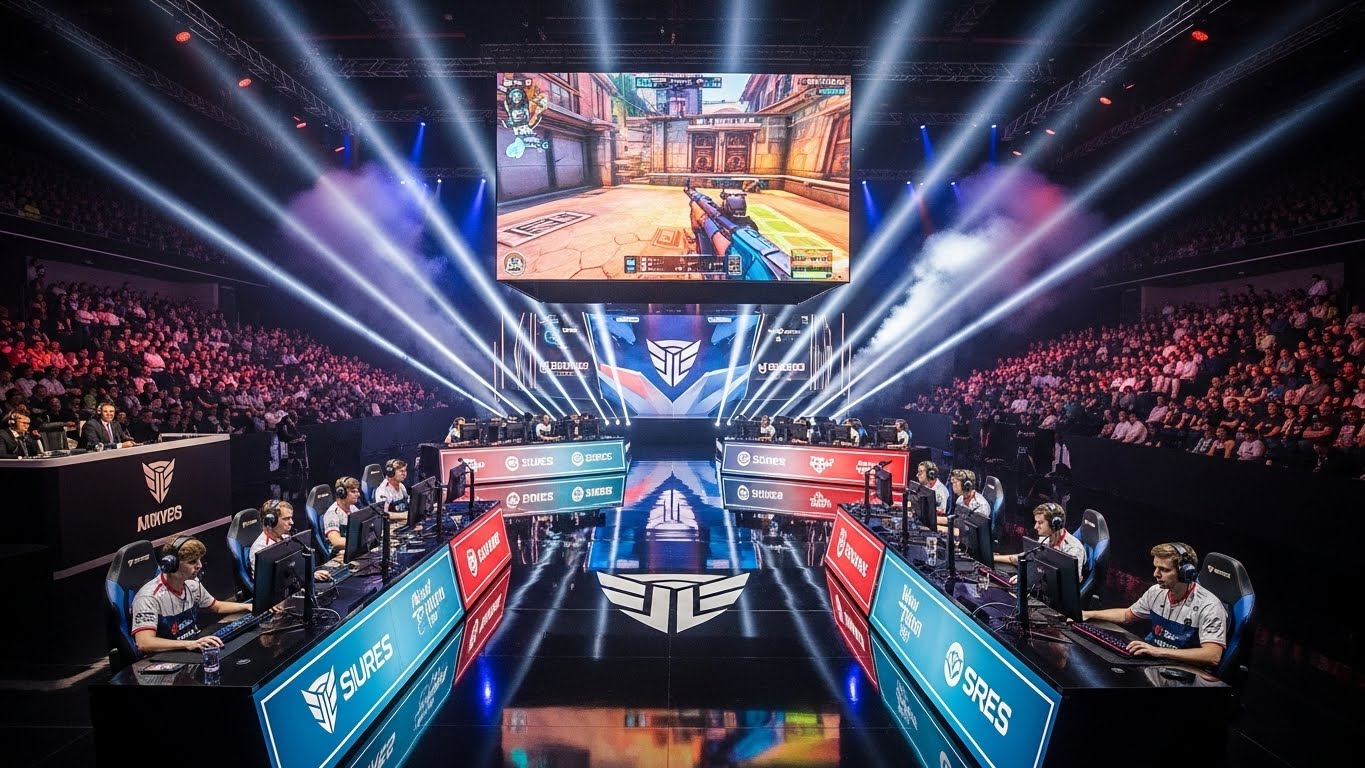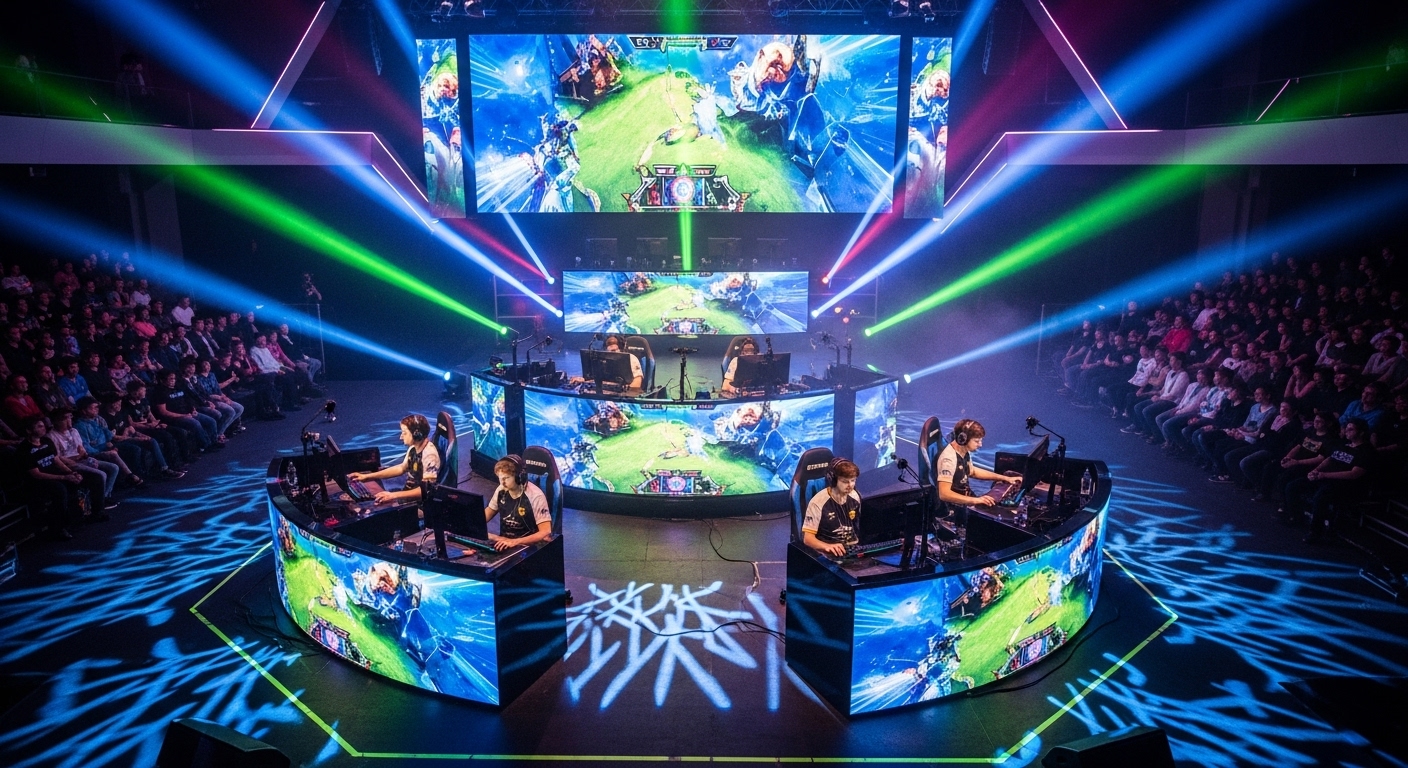
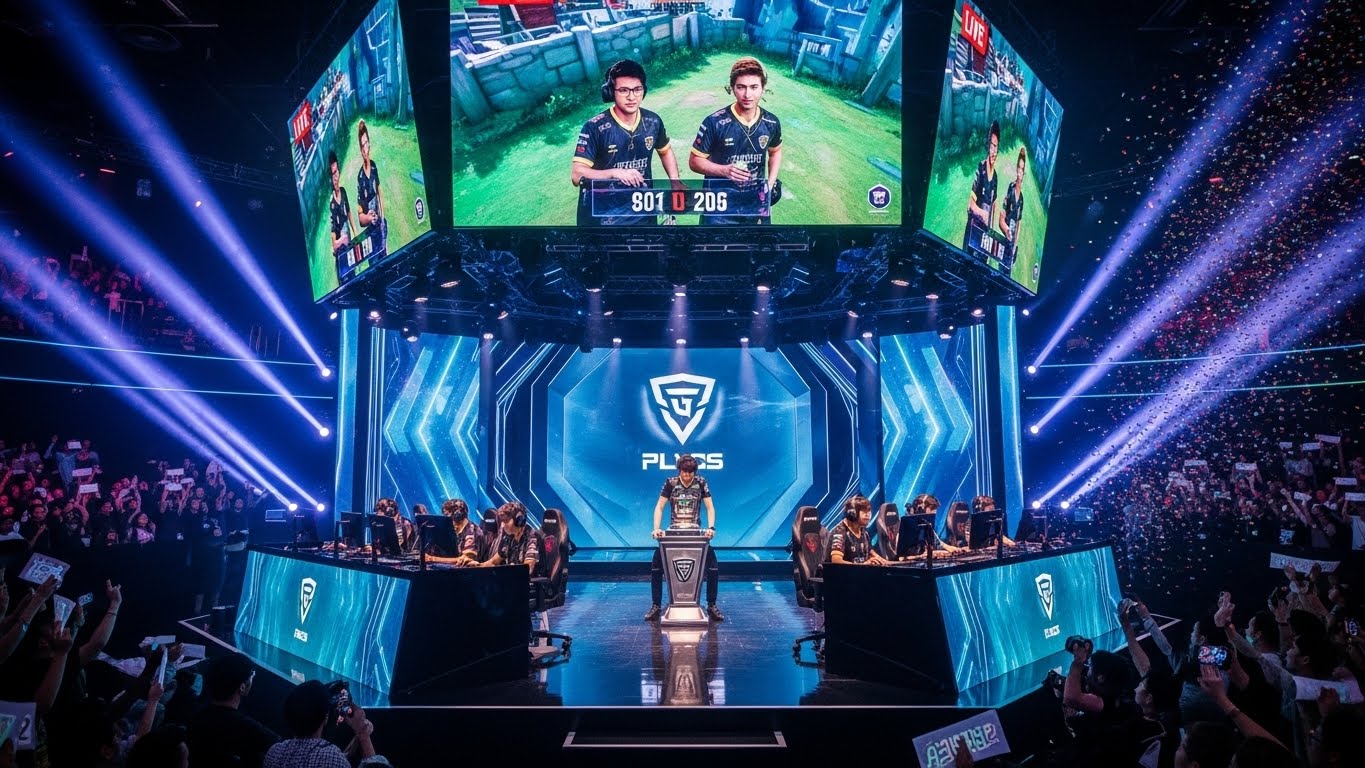
Esports, short for electronic sports, has evolved from a niche pastime into a global industry, capturing the attention of millions worldwide. What was once considered a hobby for a few dedicated gamers has now transformed into a professional arena with large-scale tournaments, sponsorships, streaming platforms, and a dedicated fanbase. With multi-million-dollar prize pools, global media coverage, and the rise of streaming platforms like Twitch and YouTube Gaming, esports is undoubtedly one of the most rapidly growing sectors in the entertainment world. In this blog, we will take a deep dive into the history, growth, challenges, and future of esports, exploring why it has become a legitimate sport in its own right.
The Humble Beginnings of Esports
The story of esports dates back to the late 1990s, a time when gaming was primarily a recreational activity enjoyed in the comfort of one’s home. While competitive gaming existed in small, local circles, it wasn’t until the advent of online multiplayer games that esports began to show its potential.
The early days of esports were marked by competitions such as the Red Annihilation Tournament, held in 1997 for the popular first-person shooter Quake. This event is often cited as one of the first significant moments in competitive gaming, as it not only attracted professional players but also brought media attention to the emerging industry. As internet speeds increased, the idea of online tournaments began to gain traction.
In the early 2000s, South Korea emerged as the mecca of esports. The country’s widespread internet infrastructure and cultural embrace of gaming created the perfect environment for competitive gaming to thrive. Games like StarCraft, WarCraft III, and League of Legends became cultural phenomena in the region. The creation of dedicated esports leagues, such as the Korean e-Sports Association and the iconic StarCraft leagues, solidified South Korea’s position as the epicenter of esports.
The Rise of Streaming Platforms
The rapid growth of esports could not have occurred without the rise of streaming platforms. Websites like Twitch, YouTube Gaming, and Facebook Gaming have allowed millions of fans to watch live esports events from the comfort of their homes. Twitch, in particular, played a pivotal role in bringing esports into the mainstream, offering a platform where professional gamers, streamers, and fans could interact in real-time.
Twitch’s launch in 2011 marked a pivotal moment in the evolution of esports. Gamers who had previously competed in relative obscurity were now able to showcase their skills to a global audience. High-profile events, such as The International (the world championship for Dota 2), League of Legends World Championship, and Fortnite tournaments, began to attract millions of viewers, with the prize pools often reaching astronomical figures.
For example, The International 2021 had a prize pool of over $40 million, with the winning team taking home a whopping $18 million. These kinds of financial rewards not only elevated the professionalization of esports but also increased its visibility across mainstream media outlets.
Esports as a Professional Industry
As esports gained momentum, the establishment of professional organizations, teams, and leagues helped solidify its place within the sports industry. Top-tier esports organizations, such as Cloud9, Team Liquid, Fnatic, and T1, have become household names among gaming enthusiasts. These organizations, many of which began as grassroots communities, have now expanded into global brands with sponsorship deals, merchandise sales, and partnerships with tech giants like Intel, Samsung, and Red Bull.
The introduction of esports leagues, similar to traditional sports leagues, has also played a significant role in the industry’s rise. In 2018, the Overwatch League (OWL) was launched as a city-based franchise league, allowing teams to represent cities around the world. This model mirrored the structure of traditional sports leagues like the NBA or NFL, giving esports a sense of legitimacy and structure.
Similarly, Riot Games’ League of Legends Championship Series (LCS) and League of Legends European Championship (LEC) have created a highly competitive and professional environment for players, coaches, and analysts. These leagues not only attract top talent from around the world but also offer lucrative salaries, sponsorship deals, and prize money.
Moreover, the success of esports events has sparked interest from traditional sports organizations, with established sports teams and personalities investing in esports. For instance, soccer clubs like Paris Saint-Germain and Manchester City have their own esports teams, while former NBA stars such as Shaquille O’Neal and Michael Jordan have invested in esports franchises. This further legitimizes esports as a professional sport.
The Esports Ecosystem: Players, Teams, and Sponsors
Esports is not just about the players; it’s a massive ecosystem that involves a variety of stakeholders, each playing a crucial role in the growth of the industry. The key components of the esports ecosystem include players, teams, coaches, analysts, broadcasters, and sponsors.
Players
Professional esports players are at the heart of the industry. These individuals have honed their skills over thousands of hours of gameplay, often starting at a young age. Esports players may specialize in a specific game, such as League of Legends, Dota 2, CS:GO, or Valorant, and often train rigorously to compete at the highest level.
Top-tier esports players can earn substantial salaries from team contracts, sponsorships, and tournament winnings. Some players even have their own streaming channels, where they entertain and interact with fans while generating additional income from ads and donations.
Teams
Esports teams are organizations that bring together players, coaches, analysts, and management to compete in various tournaments and leagues. Much like traditional sports teams, esports organizations provide players with training, team dynamics, and strategic guidance to improve their performance.
Many professional esports teams have multiple rosters that compete in different games. For example, Cloud9 and Team Liquid field teams in games like League of Legends, Counter-Strike: Global Offensive, and Valorant. These teams have dedicated training facilities, coaching staff, and analysts who work together to ensure optimal performance.
Sponsors and Advertisers
Esports wouldn’t be as big as it is today without the support of corporate sponsors and advertisers. Major brands, including Coca-Cola, Intel, and Nike, have recognized the value of tapping into the esports audience, which is often younger and more tech-savvy than traditional sports fans.
Sponsorships have become a significant revenue stream for esports teams and tournaments. Sponsorship deals not only provide financial support but also help build the esports brand by associating it with well-known, established companies. This relationship has helped esports grow and become an integral part of the global sports entertainment landscape.
The Challenges Faced by Esports
Despite its explosive growth, esports faces several challenges that may impact its long-term success. One of the biggest hurdles is ensuring fair competition and maintaining player health.
Player Well-being
The intense nature of professional gaming often leads to physical and mental health challenges. Esports players are known to spend hours sitting in front of a screen, leading to issues like eye strain, poor posture, and repetitive stress injuries. The pressure to perform at the highest level can also take a toll on a player’s mental health, with anxiety and burnout being common issues among top-tier competitors.
To address these concerns, organizations are increasingly investing in player wellness programs, offering physical training, mental health support, and regular breaks to ensure that players can maintain peak performance over time.
Sustainability of the Industry
While esports is currently thriving, there are questions about its long-term sustainability. Many esports titles have a shorter lifespan than traditional sports, and the industry’s rapid pace of change means that new games can quickly rise to prominence, while older games may fade into obscurity.
As a result, esports teams and organizations need to remain agile and adaptable to stay relevant. Additionally, tournament organizers must ensure that they can continue to attract large audiences and sponsorships, which are key to the industry’s financial stability.
The Future of Esports: A Global Legacy
As we look toward the future, the potential for esports is virtually limitless. With the continued growth of mobile gaming, VR (Virtual Reality) gaming, and AR (Augmented Reality), the esports ecosystem could expand in new and exciting directions. Mobile esports, for instance, is becoming a huge phenomenon in regions like Southeast Asia and India, where mobile gaming is more accessible than traditional console or PC gaming.
Moreover, as esports continues to grow, it is likely to be included in traditional sporting events such as the Olympics. The International Olympic Committee has already begun to explore the possibility of including esports in the Olympic Games, and several high-profile esports tournaments are already held during multi-sport events like the Asian Games.
In conclusion, esports has come a long way from its humble beginnings, and its future looks incredibly bright. With increasing mainstream acceptance, growing sponsorship deals, and an ever-expanding fanbase, esports has proven itself as a legitimate and evolving sport. Whether you’re a die-hard fan, a casual observer, or someone considering a career in the esports industry, it’s clear that esports is here to stay.