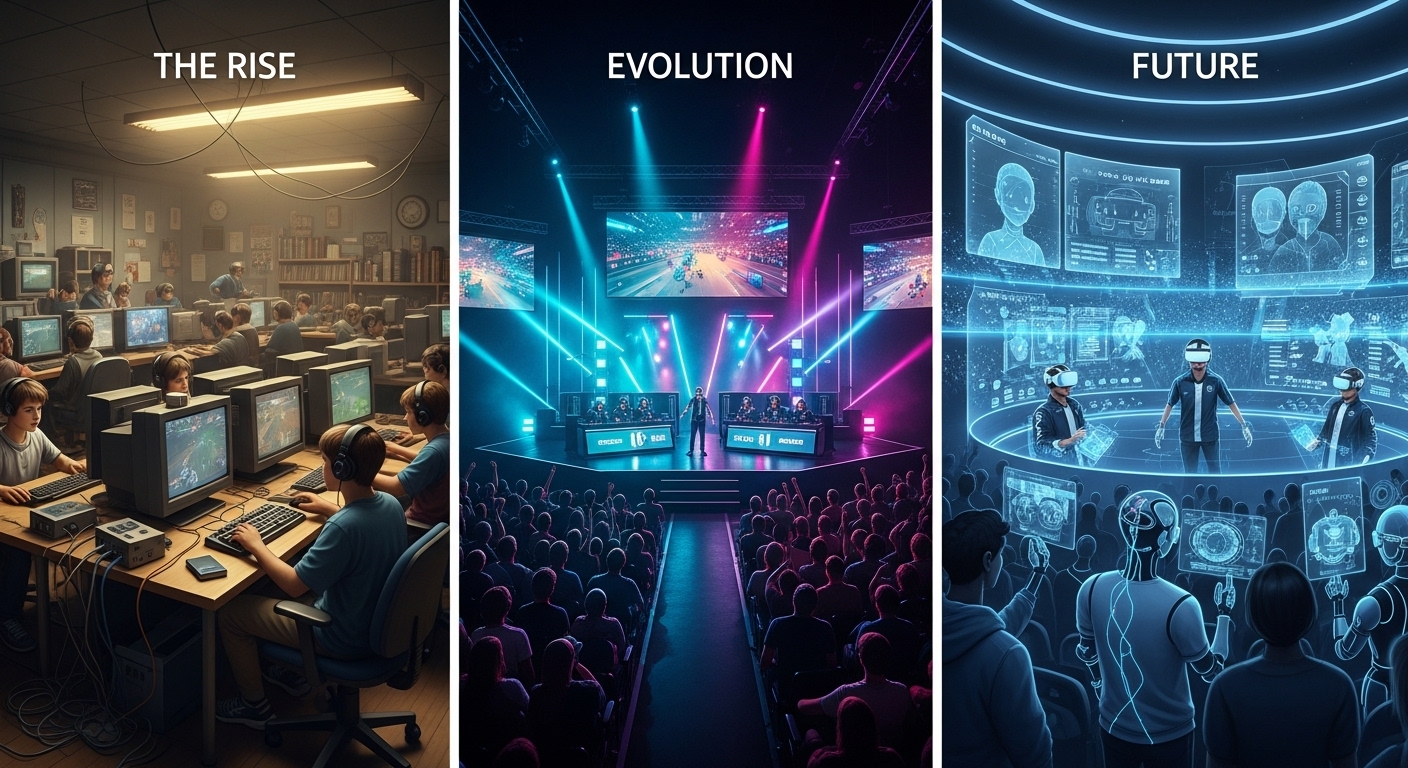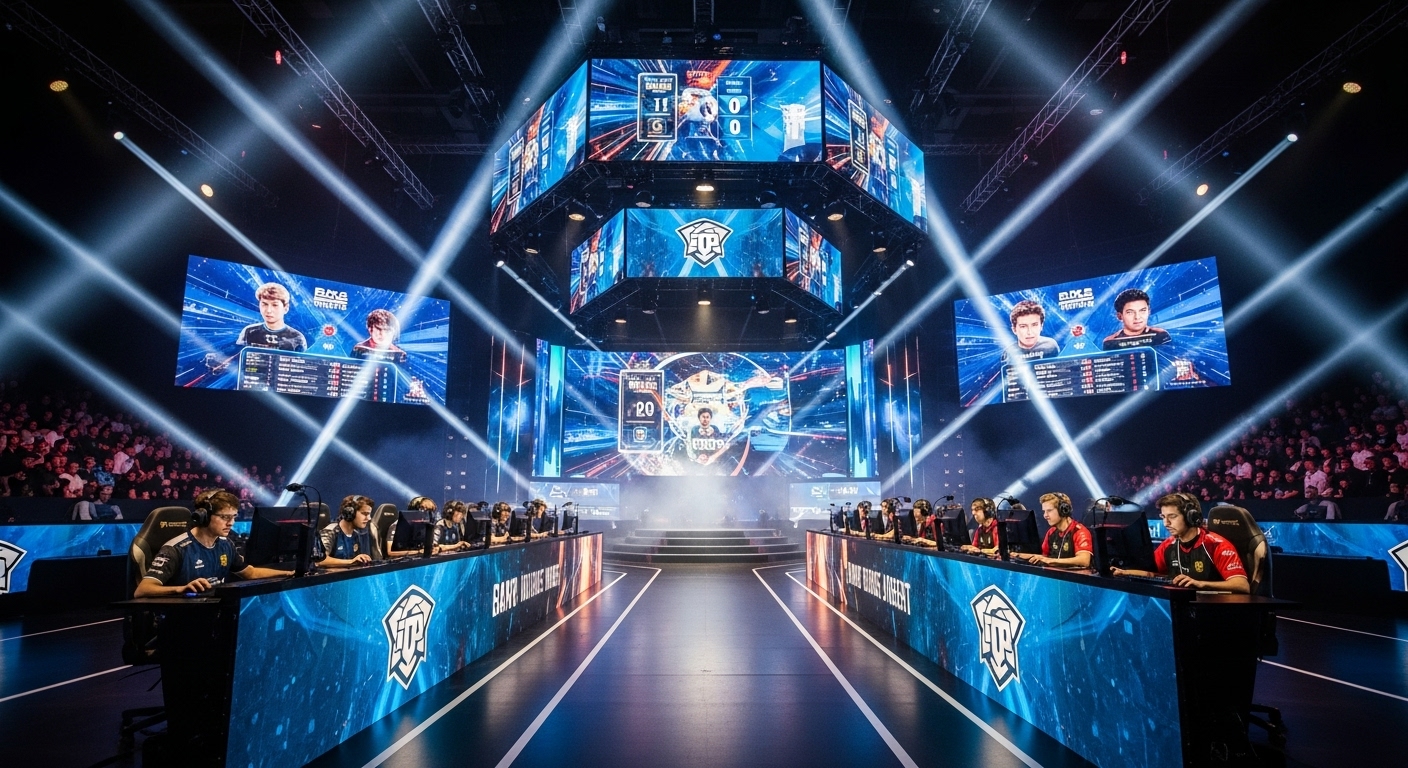
Esports has come a long way in a short period of time. What started as a hobby for passionate gamers has transformed into a global multi-billion-dollar industry, drawing millions of viewers and offering professional opportunities for players, coaches, analysts, and even content creators. The competitive gaming scene, often referred to as esports, has evolved from small local tournaments to massive, high-stakes competitions streamed to millions around the world. In this blog post, we will explore the rise of esports, the factors that contributed to its success, and what the future holds for this booming industry.
What is Esports?
Before diving into the details of its evolution, it’s essential to understand what esports actually is. Esports refers to organized, multiplayer video game competitions, particularly between professional players, individually or as teams. These competitions can take place in various genres, such as real-time strategy (RTS), first-person shooters (FPS), multiplayer online battle arena (MOBA) games, and sports simulation games.
The most popular titles in the esports scene include League of Legends, Dota 2, Counter-Strike: Global Offensive (CS:GO), Fortnite, Overwatch, and Call of Duty, to name just a few. These games, while differing in gameplay mechanics, all share a competitive element that is broadcasted to large audiences either in-person or via live streaming platforms like Twitch and YouTube.
The Early Days: From LAN Parties to Tournaments
Esports as a concept has been around since the early 2000s, though it had humble beginnings. Early tournaments were often local affairs, held in LAN (Local Area Network) centers where players would gather to compete in games like Quake, StarCraft, and Warcraft III. These events were small-scale and typically consisted of amateur gamers trying to prove their skills. While these tournaments had relatively small audiences, they were a precursor to the organized competitions we see today.
One of the first notable events in esports history was the Cyberathlete Professional League (CPL), founded in 1997. The CPL helped establish the idea that video game competitions could be professionalized. It was during this period that the concept of sponsorships and corporate backing began to take shape. Companies like Intel, Nvidia, and Logitech started sponsoring tournaments, providing prize money, and helping elevate esports into something more than just a hobby.
The Rise of Online Streaming
One of the key factors that led to the exponential growth of esports was the rise of live streaming platforms. The emergence of Twitch in 2011 fundamentally changed the landscape of competitive gaming. Twitch allowed gamers to stream their gameplay to a global audience, creating a real-time connection between players and viewers. This, in turn, helped build a dedicated fanbase and created a new avenue for esports tournaments to reach millions of people worldwide.
In 2014, Amazon acquired Twitch for nearly $1 billion, signaling the massive potential of the esports industry. The platform became home to not only casual gamers but also professional players and esports organizations. With the ability to stream competitions live, esports tournaments could now be watched by audiences from all corners of the world, and the entire ecosystem began to take shape.
Professionalization of Esports: Teams, Coaches, and Managers
As esports gained popularity, the structure of tournaments and leagues evolved. In the early days, many players participated as individuals or in loosely organized teams. However, as the stakes grew higher, so did the need for professional infrastructure. The introduction of salaries, coaching staff, team managers, and analysts transformed esports into a fully-fledged career path.
Professional esports teams now follow similar structures to traditional sports teams. They recruit players, train them, and help manage their careers both in and out of the game. Coaching staff became more prominent, with experts providing strategic insights and improving gameplay. Just like in traditional sports, these teams compete in regional leagues, have sponsorship deals, and are represented by brands that sponsor their players and events.
Another major shift occurred when major sports teams began entering the esports arena. The rise of overwatch league in 2018, with teams like the Los Angeles Gladiators and Philadelphia Fusion, marked a significant moment in the integration of traditional sports and esports. This move helped legitimize esports in the eyes of traditional sports fans and sponsors, leading to even more mainstream attention.
Esports and Media: A New Age of Entertainment
One of the most remarkable aspects of esports is how it has turned into a form of entertainment that is not limited to just the competition itself. Media companies, streaming platforms, and content creators have all played pivotal roles in making esports a globally recognized entertainment sector.
Esports on TV and Major Broadcasting Networks
While Twitch remains the dominant platform for esports broadcasting, traditional TV networks have also gotten involved. In 2018, ESL One and DreamHack (two of the largest esports event organizers) signed broadcasting deals with networks such as ESPN, TBS, and Fox Sports to air live esports events. This helped bridge the gap between the younger, digitally native esports fanbase and older, more traditional sports viewers.
Many sports networks have even dedicated entire segments of their programming to esports content. ESPN, for example, began airing the EVO Championship Series (a major fighting game tournament) and League of Legends World Championships, providing more visibility for esports. The increased media attention allowed companies to realize the potential of advertising and sponsorship deals, making esports a highly lucrative space for broadcasters.
Esports Viewership: A Global Audience
The global reach of esports has been one of its most impressive feats. In 2019, the League of Legends World Championship garnered over 100 million viewers, rivaling traditional sports events like the Super Bowl in terms of viewership. Esports events are now a regular feature on major streaming platforms, and their reach extends well beyond just the tournament finals. Regional tournaments, qualifiers, and minor events continue to attract millions of viewers, further solidifying the global appeal of competitive gaming.
Viewership is not limited to just watching games; it also includes other aspects of esports entertainment, such as:
- Player streams: Popular esports players stream their gameplay on platforms like Twitch, allowing fans to interact directly with them.
- Podcasts and talk shows: Many content creators and analysts discuss the latest news and strategies surrounding esports.
- Highlight reels and commentary: Analysts and casters provide live commentary during events, enhancing the viewing experience.
The Business of Esports: Sponsorships, Merchandise, and Prize Pools
As the industry grew, so did the financial backing and revenue streams. Esports tournaments offer multi-million dollar prize pools, attracting top players from around the world. For example, the prize pool for The International (a Dota 2 tournament) regularly exceeds $30 million, with a significant portion of that funded by fans through crowdfunding campaigns.
Sponsorships have also become a crucial revenue stream for esports organizations. Major brands such as Coca-Cola, Intel, Nike, and Red Bull have partnered with esports leagues and teams, providing sponsorships that help fund tournaments, events, and teams. Merchandise sales, ticket sales for live events, and media rights deals also contribute to the financial success of the industry.
The Future of Esports: Trends to Watch
The future of esports looks incredibly promising. Some of the key trends that are likely to shape its evolution include:
1. Esports in Schools and Universities
As esports continues to gain legitimacy, many schools and universities are establishing esports programs. These programs offer scholarships, competitive teams, and academic courses dedicated to gaming, esports management, and broadcasting. High schools, too, are increasingly investing in esports, paving the way for a new generation of players and professionals to enter the industry.
2. Virtual Reality (VR) and Augmented Reality (AR)
The integration of VR and AR could revolutionize the esports experience. These technologies allow players to immerse themselves in the game like never before and could potentially open the door for entirely new genres of esports competitions.
3. Expansion into Mobile Gaming
Mobile esports is another rapidly growing sector. With smartphones becoming increasingly powerful, games like PUBG Mobile, Arena of Valor, and Clash Royale are starting to gain traction in the esports world. This expansion makes esports more accessible to a broader audience, particularly in regions where console and PC gaming are less dominant.
4. More Mainstream Recognition
As esports continues to grow, it will likely become more integrated into mainstream sports culture. In the near future, we might see esports as a regular feature at the Olympics, or even as part of global sporting events, cementing its status as a legitimate sport.
Conclusion
Esports has evolved from a niche interest into a global, multi-billion-dollar industry. With its increasing popularity, professionalization, and integration into mainstream entertainment, esports has captured the attention of millions of fans worldwide. The rise of streaming platforms, professional teams, sponsorships, and media partnerships has paved the way for a new era of gaming and competitive entertainment.
The future of esports is bright, with advancements in technology and increasing participation from all corners of the world. As more people get involved in this dynamic ecosystem, esports will continue to flourish, captivating audiences and players alike for years to come. Whether you’re a gamer, a fan, or simply someone interested in this cultural shift, there’s no denying that esports is here to stay.