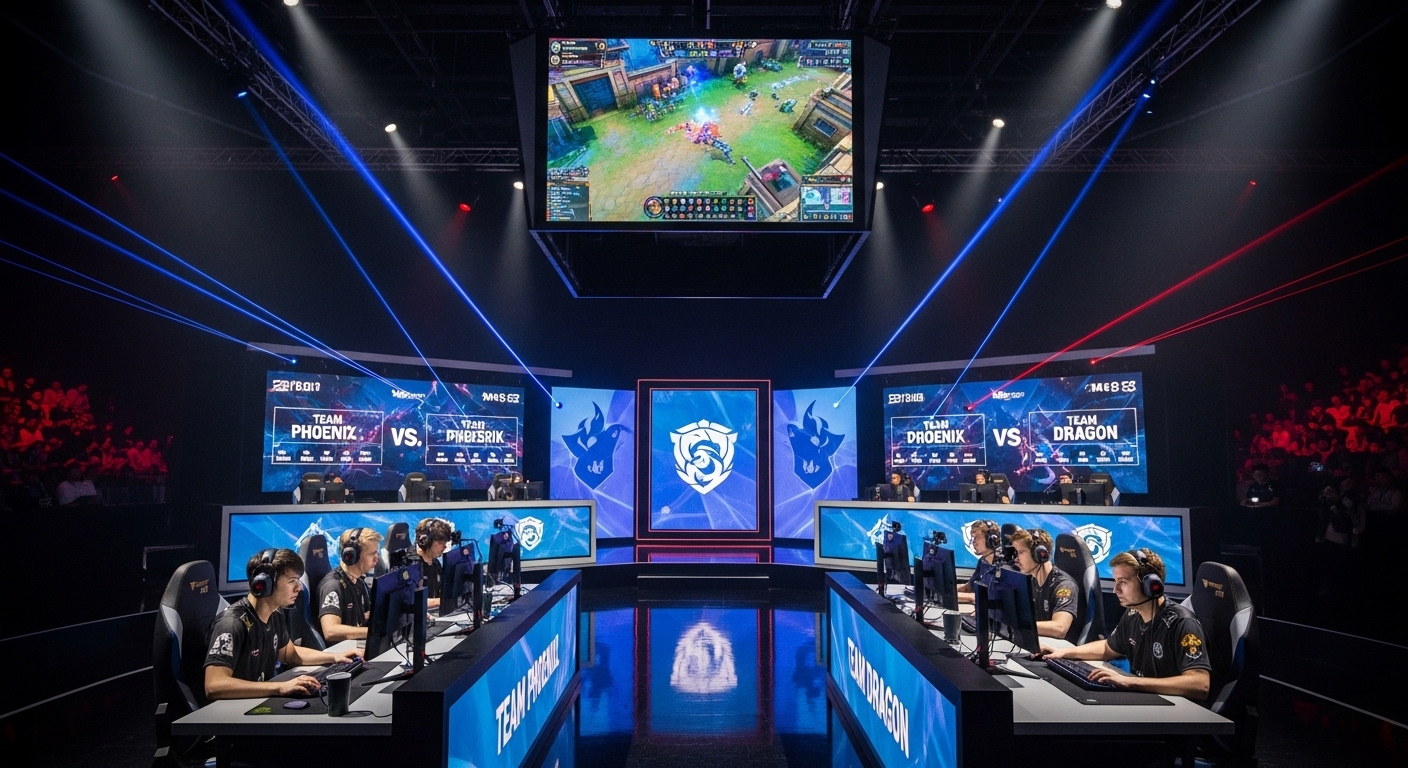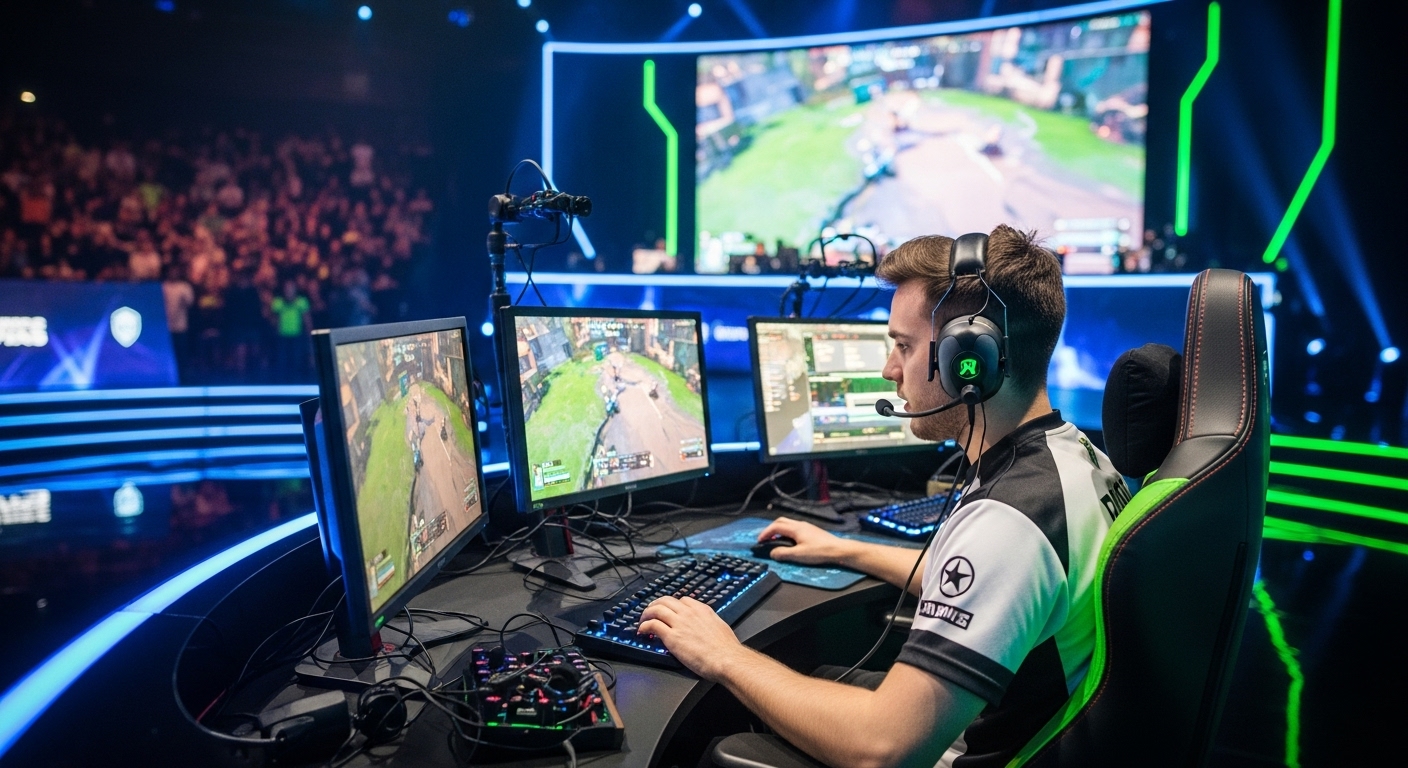
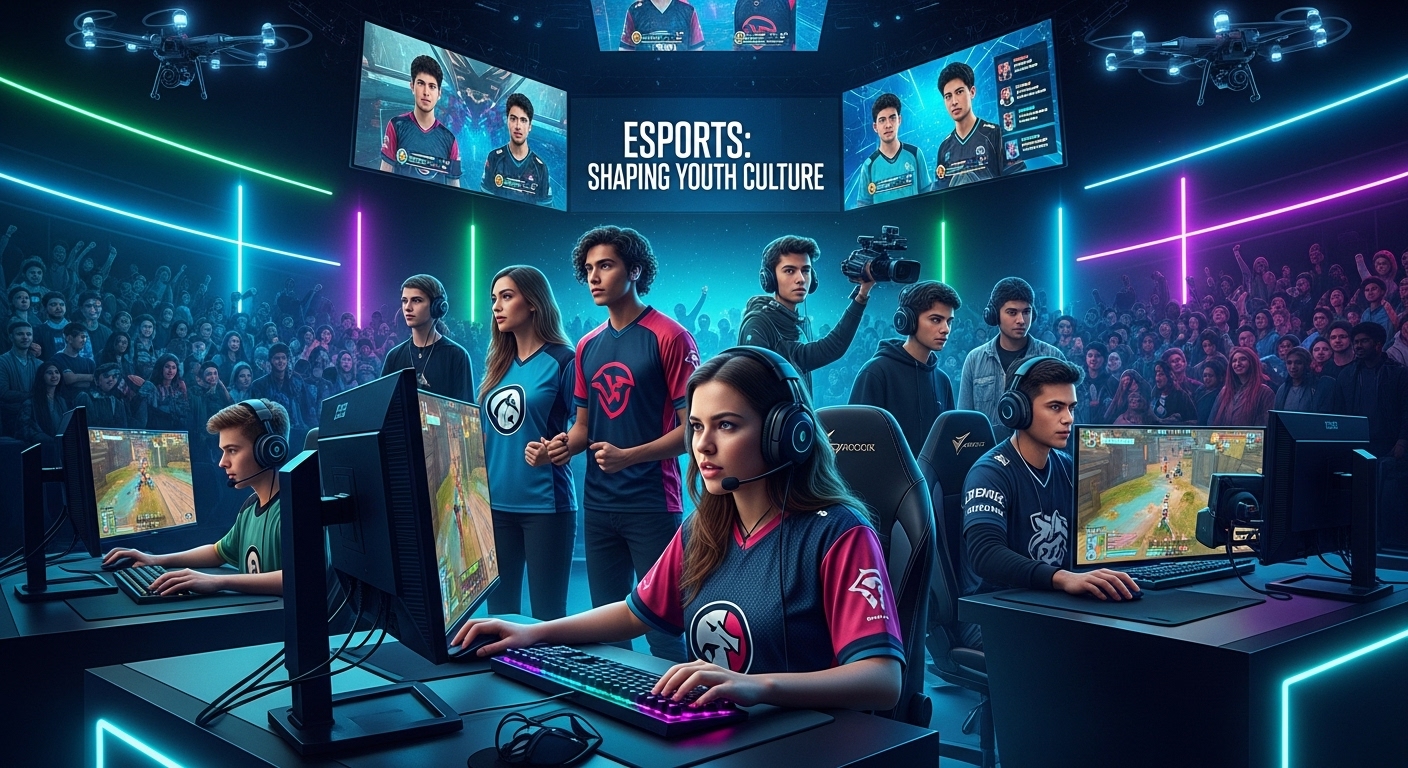
Esports, or competitive gaming, has grown from niche hobby to global phenomenon over the last two decades. Once dismissed as mere entertainment for teenagers, esports now attracts millions of viewers, sponsors, and professional players worldwide. With its meteoric rise, esports is not only reshaping the gaming industry but also profoundly influencing youth culture, from social behaviors to career aspirations, educational interests, and lifestyle choices. In this blog post, we will explore how esports is shaping the lives, attitudes, and values of young people today.
1. The Rise of Esports Among Youth
The growth of esports has been extraordinary. According to Newzoo, the global esports audience exceeded 550 million in 2023, with a significant portion under the age of 25. Games like League of Legends, Fortnite, Valorant, and FIFA are no longer just games—they are cultural phenomena. For youth, esports offers more than entertainment; it is a platform for identity, community, and self-expression.
Unlike traditional sports, esports is accessible regardless of physical ability, gender, or geographic location. A teenager in rural Pakistan can compete online against peers in South Korea or the United States. This accessibility has contributed to a democratization of competitive culture, where skill, strategy, and teamwork matter more than socio-economic background.
2. Esports as a Social Connector
One of the most significant ways esports influences youth culture is by creating social communities. Online multiplayer games allow players to communicate, strategize, and collaborate in real time. This has given rise to:
- Gaming Communities: Forums, Discord servers, Reddit groups, and in-game guilds create a sense of belonging. Youth find friends who share similar interests, forming strong online social networks.
- Cross-Cultural Interaction: Esports transcends borders. Young players often interact with peers from different cultures, fostering global awareness and cross-cultural understanding.
- Offline Connections: Esports tournaments, LAN events, and gaming conventions provide opportunities for face-to-face interaction, further cementing relationships formed online.
These social interactions shape how young people communicate, collaborate, and resolve conflicts. For many, esports becomes a key component of their social identity.
3. Esports and the Development of Cognitive Skills
Contrary to the stereotype that video games are mindless, esports often requires high-level cognitive abilities. Young players develop skills that are transferable to academic and professional contexts:
- Strategic Thinking: Games like StarCraft II and Dota 2 demand long-term planning, resource management, and adaptability.
- Problem-Solving: Players must quickly analyze situations, make decisions under pressure, and implement complex strategies.
- Multitasking and Attention: Fast-paced games enhance focus, hand-eye coordination, and the ability to process multiple streams of information simultaneously.
- Teamwork and Communication: Many esports titles are team-based, requiring clear communication, role delegation, and conflict resolution.
These cognitive benefits contribute to youth development, encouraging analytical thinking, persistence, and creativity. As a result, esports is increasingly recognized by educators as a legitimate avenue for developing essential life skills.
4. Career Aspirations and Esports
Esports has transformed career ambitions among young people. In the past, being a professional gamer was often considered unrealistic. Today, esports offers multiple pathways for youth to pursue careers in gaming and related industries:
- Professional Players: Talented individuals can compete professionally, earning salaries, sponsorships, and tournament winnings.
- Content Creation: Streaming platforms like Twitch, YouTube Gaming, and Kick allow players to monetize their gameplay while building personal brands.
- Esports Management: Roles in coaching, event organization, marketing, and team management offer non-playing career options.
- Game Development and Tech: Exposure to esports often inspires youth to explore careers in programming, game design, animation, and AI development.
The emergence of esports scholarships and university programs further legitimizes gaming as a career path. This shift is reshaping how young people perceive “success” and expanding the definition of viable professional opportunities.
5. Esports and Youth Identity
Esports also influences how young people construct their identity. Through gaming, youth explore different personas, experiment with problem-solving styles, and express creativity:
- Online Avatars and Roles: Games allow players to adopt roles, customize avatars, and interact in virtual worlds, contributing to self-expression.
- Cultural Symbols: Merchandise, team logos, and in-game items become symbols of affiliation and personal taste.
- Skill-Based Recognition: Achievements in esports, such as high ranks or tournament wins, offer recognition and status among peers.
- Gender and Inclusivity: While traditional sports often carry gender stereotypes, esports offers more inclusive spaces, allowing young people to define themselves beyond physical constraints.
This aspect of identity formation is critical in adolescence, as young people seek ways to differentiate themselves and develop confidence.
6. Influence on Lifestyle and Habits
Esports shapes daily routines, health habits, and leisure activities among youth:
- Time Management: Competitive gaming requires practice, strategy, and tournament preparation, teaching youth discipline and time management.
- Physical Health Awareness: While esports is sedentary, many professional gamers follow strict fitness regimes to maintain reflexes and endurance.
- Diet and Nutrition: Gaming performance has led to an increased focus on nutrition and hydration among serious players.
- Digital Literacy: Constant engagement with technology enhances skills in multitasking, digital communication, and content creation.
However, there are potential challenges. Excessive gaming can lead to sleep disruption, reduced physical activity, and social isolation. Balancing esports with education, social life, and physical health is a critical lesson for youth.
7. Esports and Pop Culture
Esports has penetrated mainstream culture, influencing fashion, music, and entertainment among young people:
- Fashion: Team jerseys, branded peripherals, and gaming-inspired apparel are popular among youth, blending digital culture with streetwear.
- Music and Collaborations: Collaborations between game developers and artists create unique musical experiences that resonate with youth.
- Streaming and Content Trends: Influencers, streamers, and esports personalities shape trends in humor, slang, and digital storytelling.
- Media Representation: Documentaries, esports reality shows, and tournament broadcasts normalize gaming as a mainstream form of entertainment.
By bridging gaming and broader pop culture, esports fosters a shared cultural identity among youth worldwide.
8. Esports and Education
Esports is making inroads into educational institutions, influencing youth culture in learning environments:
- Esports Programs in Schools: Many high schools and universities now offer esports teams, providing competitive opportunities and scholarships.
- STEM Engagement: Exposure to gaming encourages interest in coding, AI, computer science, and game design.
- Soft Skills Development: Participation develops teamwork, communication, and leadership, complementing academic growth.
- Gamification in Learning: Gaming principles like rewards, challenges, and progression inspire innovative teaching methods.
Integrating esports into education helps students balance passion with academics while fostering engagement and motivation.
9. Esports, Diversity, and Inclusion
Esports offers opportunities to challenge traditional societal norms:
- Global Participation: Youth from different countries, backgrounds, and socio-economic statuses can compete on equal footing.
- Gender Inclusion: Initiatives promoting female gamers are slowly changing perceptions, encouraging broader participation.
- Neurodiversity Acceptance: Gaming is accessible to neurodiverse youth, providing platforms where skill and strategy matter more than social conformity.
- Cultural Exchange: Online tournaments facilitate interaction with diverse cultures, promoting understanding and tolerance.
By fostering inclusive spaces, esports contributes to more progressive, globally-minded youth culture.
10. The Role of Technology in Shaping Esports Culture
Technology is the backbone of esports, shaping how youth engage with games and each other:
- Streaming Platforms: Services like Twitch, YouTube Gaming, and Kick allow instant broadcasting of gameplay, creating a culture of spectatorship.
- Virtual and Augmented Reality: VR and AR games offer immersive experiences, pushing the boundaries of interaction and presence.
- Mobile Gaming: Smartphones make esports accessible anywhere, integrating gaming into daily life.
- Wearable Tech: Devices that track reaction times, stress levels, and performance metrics are transforming competitive gaming strategies.
These technological advancements influence how youth experience competition, entertainment, and community engagement.
11. The Psychological Impact of Esports on Youth
Esports has both positive and negative psychological effects on young people:
- Positive Impacts:
- Improved cognitive skills, such as problem-solving and strategic thinking.
- Sense of accomplishment and recognition.
- Social connection and community belonging.
- Improved cognitive skills, such as problem-solving and strategic thinking.
- Challenges:
- Risk of gaming addiction or excessive screen time.
- Pressure and stress in competitive environments.
- Exposure to toxic online behaviors or harassment.
- Risk of gaming addiction or excessive screen time.
Understanding these effects is crucial for parents, educators, and the youth themselves to foster healthy engagement with esports.
12. Future Trends and Implications
As esports continues to evolve, its influence on youth culture is likely to deepen:
- Integration with Traditional Sports: Hybrid events combining esports and physical sports are emerging.
- Esports Scholarships and Careers: More structured pathways will legitimize esports as a long-term profession.
- Global Cultural Influence: Esports will continue shaping fashion, entertainment, and digital social norms.
- AI and Machine Learning: Advanced analytics and AI-driven training tools will redefine skill development.
Youth culture will increasingly blend virtual and physical experiences, creating a generation deeply intertwined with technology and competitive gaming.
Conclusion
Esports is far more than a pastime—it is a transformative force in youth culture. By shaping social interactions, cognitive skills, career ambitions, identity, lifestyle, and even educational choices, esports is redefining what it means to grow up in a digital era. While challenges exist, such as potential addiction or health impacts, the positive contributions—teamwork, strategic thinking, creativity, and global connectivity—underscore the profound ways in which esports is shaping the next generation.
As esports continues to expand, youth culture will increasingly reflect a world where digital skills, competitive spirit, and cross-cultural collaboration are not only normalized but celebrated. Understanding this evolution is essential for parents, educators, and society at large to harness the potential of esports for positive growth and development among young people.