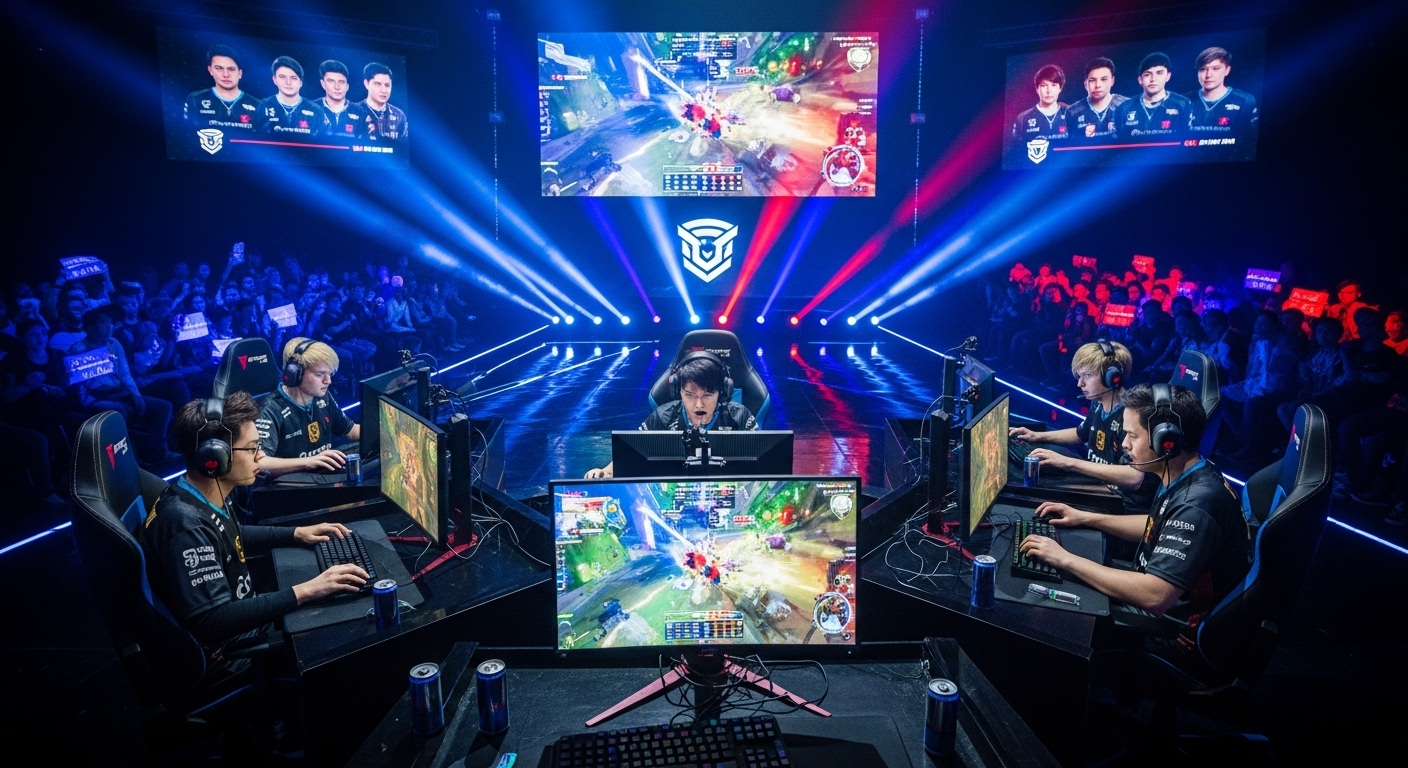
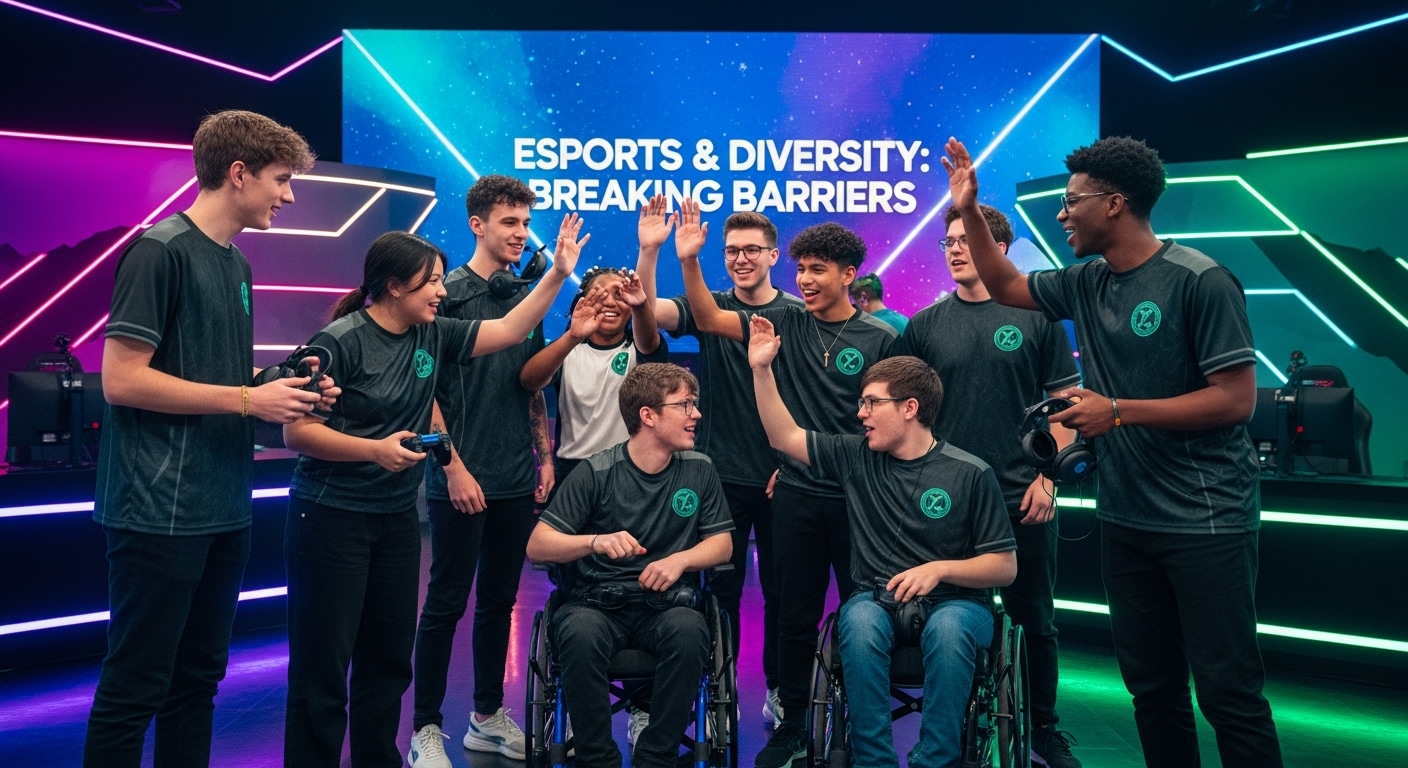
Esports has rapidly evolved from a niche hobby to a global phenomenon, captivating millions of players and viewers worldwide. With its growth, the industry has become a microcosm of the broader societal challenges and opportunities surrounding diversity and inclusion. While traditional sports have long grappled with barriers related to gender, race, sexuality, and disability, esports—by its very digital nature—offers unique possibilities for breaking down these barriers. Yet, the path is not without challenges. Understanding the dynamics of diversity in esports is essential to building a more inclusive and equitable gaming ecosystem.
The Landscape of Esports Diversity
Esports encompasses a wide variety of competitive games, ranging from first-person shooters (FPS) and real-time strategy (RTS) games to multiplayer online battle arenas (MOBA) and sports simulations. These games attract players from different backgrounds, cultures, and identities. Despite this apparent inclusivity, data indicates that certain groups remain underrepresented. For example:
- Gender Diversity: While women account for nearly half of all gamers globally, their representation in professional esports remains disproportionately low. According to various esports reports, women make up only 5–15% of professional esports players, depending on the game and region.
- Racial and Ethnic Diversity: Players from minority racial and ethnic backgrounds often face systemic barriers, such as limited access to high-speed internet, gaming equipment, and supportive communities.
- LGBTQ+ Representation: Though growing in visibility, LGBTQ+ players still encounter stigma and a lack of inclusive spaces in competitive gaming.
- Disability Inclusion: Esports can be uniquely accessible to players with certain physical disabilities, but barriers remain in game design, accessibility options, and community attitudes.
Understanding these disparities is crucial to appreciating the potential for esports to be a genuinely inclusive arena.
Gender Diversity in Esports
The Gender Gap
One of the most visible diversity challenges in esports is gender disparity. While casual gaming sees robust participation from women, the professional scene is heavily male-dominated. This gap is not solely due to interest; research suggests that systemic factors, including sexism, harassment, and lack of mentorship, discourage many women from pursuing competitive gaming careers.
Initiatives to Promote Gender Inclusion
Organizations and game developers are increasingly introducing initiatives to promote gender inclusion in esports. Examples include:
- Women-only tournaments and leagues: These provide safe competitive spaces and can help build confidence for emerging female talent.
- Mentorship programs: Pairing female gamers with experienced professionals fosters skill development and career guidance.
- Anti-harassment policies: Strong community guidelines and reporting mechanisms reduce instances of gender-based abuse online.
Games like Overwatch, League of Legends, and Counter-Strike have made concerted efforts to encourage female participation through targeted programs, though there remains significant work to be done.
Representation Matters
Representation extends beyond participation—it also matters in media coverage, sponsorship, and commentary. When female players, casters, and content creators are visible in esports, they inspire the next generation of diverse talent and normalize gender equity in competitive gaming.
Racial and Ethnic Diversity
Global Participation, Local Challenges
Esports is a global phenomenon, but access to professional opportunities is not equally distributed. Players from North America, Europe, and East Asia dominate top-tier tournaments due to better infrastructure, sponsorship opportunities, and community support. Meanwhile, talented players from regions such as Africa, South Asia, and Latin America face logistical and financial barriers.
Breaking Stereotypes
Stereotypes about certain communities can also limit participation. For example, players from certain backgrounds may be pigeonholed into casual gaming rather than professional competition. Challenging these perceptions requires intentional inclusivity initiatives, such as:
- Scholarships for esports education and training to provide equitable access to emerging talent.
- Regional leagues and tournaments that spotlight underrepresented areas.
- Diverse content representation in promotional materials to challenge stereotypes and inspire participation.
Organizations like the International Esports Federation (IESF) and regional esports bodies are increasingly focusing on creating opportunities for marginalized communities, recognizing that diversity drives innovation and audience growth.
LGBTQ+ Inclusion in Esports
Visibility and Challenges
LGBTQ+ gamers have historically faced harassment and discrimination in online communities. Misogyny and toxic gaming cultures often intersect with homophobia, making it difficult for LGBTQ+ players to thrive. Despite these challenges, the visibility of LGBTQ+ esports professionals has increased significantly in recent years.
Creating Safe Spaces
To support LGBTQ+ players, several measures are essential:
- Inclusive tournaments and leagues that explicitly welcome LGBTQ+ participants.
- Pronoun and identity recognition in profiles, streams, and events.
- Community education campaigns to reduce harassment and foster acceptance.
Prominent LGBTQ+ esports players and streamers play a crucial role in advocacy, breaking stereotypes, and inspiring aspiring professionals to pursue their passion authentically.
Disability Inclusion in Esports
Gaming as an Equalizer
Esports offers unique opportunities for players with disabilities. Unlike traditional sports, where physical limitations can create barriers, many esports titles emphasize cognitive, strategic, or reflex-based skills over physical strength. This digital accessibility can level the playing field for gamers with mobility impairments, vision limitations, or other disabilities.
Challenges Remain
Despite its potential, disability inclusion in esports is still limited by:
- Lack of accessible hardware: Standard controllers and peripherals are not designed for all abilities.
- Insufficient game accessibility features: Not all games offer customizable controls, visual aids, or adaptive interfaces.
- Community awareness: Online harassment and ignorance about disabilities can discourage participation.
Organizations like SpecialEffect, a UK-based charity, have pioneered adaptive technology to enable disabled players to compete. Game developers are also gradually incorporating accessibility features, such as customizable keybinds, colorblind modes, and text-to-speech options.
The Role of Game Developers and Esports Organizations
Inclusive Design
Developers play a pivotal role in shaping esports diversity. Games designed with accessibility, inclusivity, and cultural sensitivity in mind can attract broader player bases. Key strategies include:
- Customizable characters and avatars representing diverse identities.
- Inclusive storylines and lore that reflect multiple cultures and experiences.
- Accessibility settings for control schemes, visual aids, and auditory cues.
Organizational Responsibility
Esports organizations, leagues, and sponsors also influence diversity outcomes. They can:
- Implement anti-discrimination policies that protect players, staff, and spectators.
- Promote diverse talent in leadership roles to reflect inclusive values.
- Support grassroots initiatives that nurture underrepresented players.
Companies like Riot Games and Blizzard Entertainment have made strides in diversity through structured initiatives, but critics argue that a genuine culture shift requires sustained commitment rather than isolated campaigns.
Media Representation and Sponsorship
Why Visibility Matters
Media coverage shapes perceptions of who “belongs” in esports. Historically, coverage has focused on male-dominated teams and mainstream tournaments, sidelining women, LGBTQ+, and minority players. Increased representation in broadcasts, interviews, and sponsorship campaigns sends a powerful message about inclusion.
Sponsorship Equity
Sponsorships play a critical role in professional esports careers. Companies that actively support diverse players and teams help level the playing field, demonstrating that talent transcends gender, race, or identity. Esports sponsorships now increasingly highlight diversity as a brand value, attracting audiences who prioritize equity and inclusion.
Community Culture and Toxicity
Addressing Toxic Environments
One of the most significant barriers to diversity in esports is community culture. Toxicity, harassment, and exclusionary behavior persist across online platforms, discouraging underrepresented groups from participating. Combatting toxicity requires:
- Moderation tools that detect harassment and discriminatory language.
- Educational campaigns targeting players, coaches, and fans.
- Support networks for those experiencing abuse or discrimination.
Positive Community Models
Communities that embrace mentorship, collaboration, and inclusivity not only attract diverse players but also foster long-term engagement. Platforms like Discord, Twitch, and Reddit have seen grassroots diversity initiatives thrive, creating spaces where marginalized gamers can flourish.
Success Stories in Esports Diversity
Trailblazing Players
Several professional players have become icons of diversity in esports:
- Zainab “Zain” Al-Eqabi: A prominent female esports athlete breaking barriers in FPS competitions.
- Rick “Gosu” Sanchez: An LGBTQ+ gamer who has become a vocal advocate for inclusion.
- Herman “Hemi” Jackson: A player with a disability who has competed at high levels thanks to adaptive technologies.
These figures exemplify the potential of esports as an inclusive platform and inspire future generations to pursue competitive gaming regardless of their identity.
Inclusive Teams and Leagues
Some organizations actively prioritize diversity:
- Dignitas and Evil Geniuses: These teams have launched inclusion-focused initiatives, including scholarships and mentorship programs.
- Pioneering LGBTQ+ leagues: These provide safe competitive environments, demonstrating that esports can transcend traditional barriers.
The visibility of diverse role models and teams challenges stereotypes and encourages systemic change across the industry.
The Business Case for Diversity in Esports
Market Expansion
Diversity is not only a social imperative but also a business opportunity. Inclusive esports environments attract wider audiences, increase fan engagement, and expand market potential. Brands that champion diversity can tap into underrepresented demographics, enhancing loyalty and brand reputation.
Innovation Through Inclusion
Diverse teams foster creativity and innovation. Different perspectives improve strategic thinking, gameplay styles, and content creation. Organizations that embrace diversity benefit from richer talent pools, stronger fan communities, and a competitive edge in the evolving esports landscape.
Future Directions
Policy and Governance
Future growth in esports diversity will require coordinated efforts across policy, governance, and community initiatives. Recommendations include:
- Establishing clear diversity standards for leagues, tournaments, and game developers.
- Funding grassroots diversity programs to nurture emerging talent from underrepresented communities.
- Creating inclusive pipelines from casual gaming to professional competition.
Technology and Accessibility
Emerging technologies, including adaptive controllers, AI-driven moderation, and virtual reality, can enhance accessibility and inclusion. Developers and organizations must prioritize inclusivity from the ground up to ensure equitable participation for all gamers.
Cultural Shift
Ultimately, breaking barriers in esports is as much a cultural challenge as a technological one. Celebrating diversity, challenging toxic behavior, and elevating underrepresented voices will determine whether esports can become a truly inclusive global sport.
Conclusion
Esports represents one of the most dynamic, boundary-pushing industries in the world. Its digital nature offers unique opportunities to foster inclusion, yet challenges related to gender, race, sexuality, and disability remain. By addressing these challenges through thoughtful game design, organizational policies, community initiatives, and media representation, esports can break barriers and become a model for diversity in competitive environments.
The future of esports depends on embracing a culture where talent is recognized regardless of identity, where communities thrive on collaboration and respect, and where opportunities are accessible to everyone. Breaking barriers in esports is not just a moral imperative—it is essential for the continued growth, innovation, and global impact of this transformative industry.