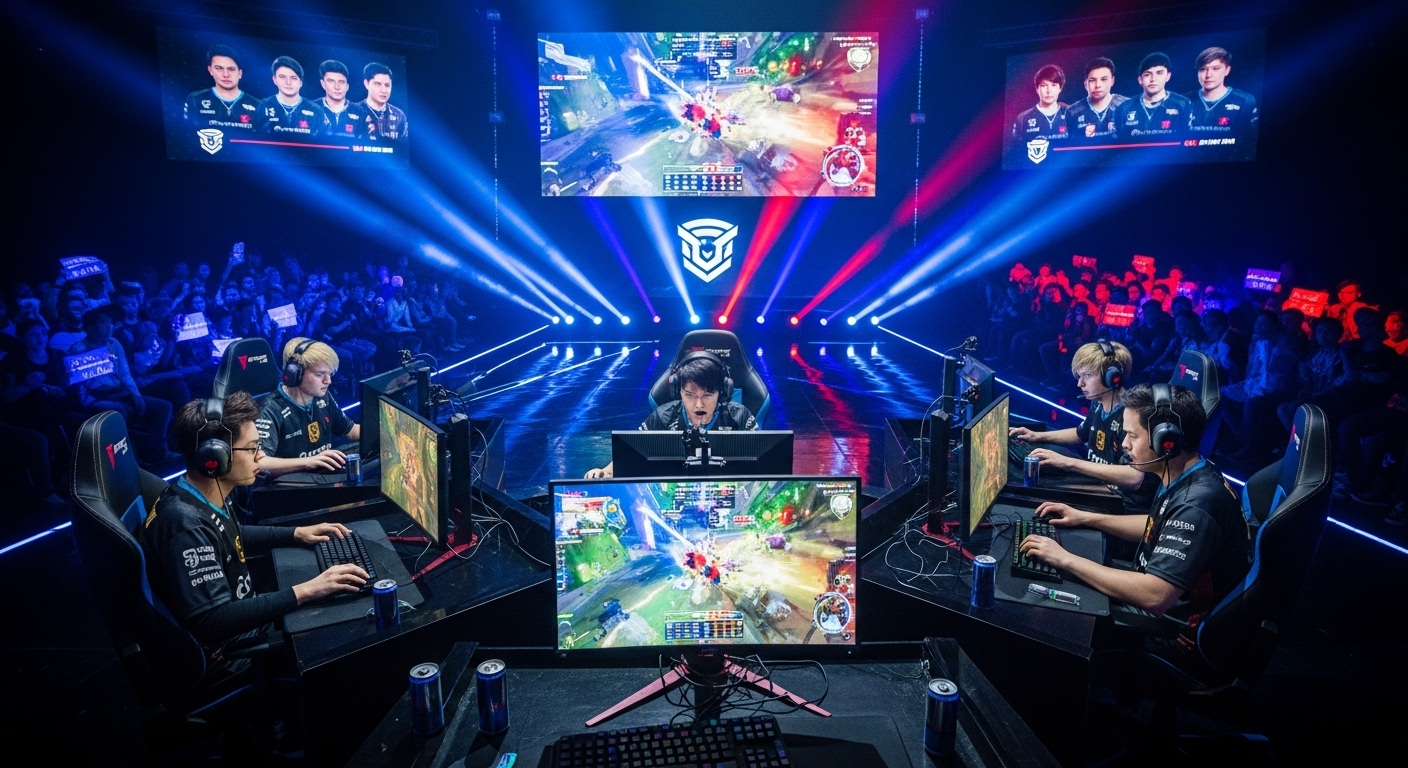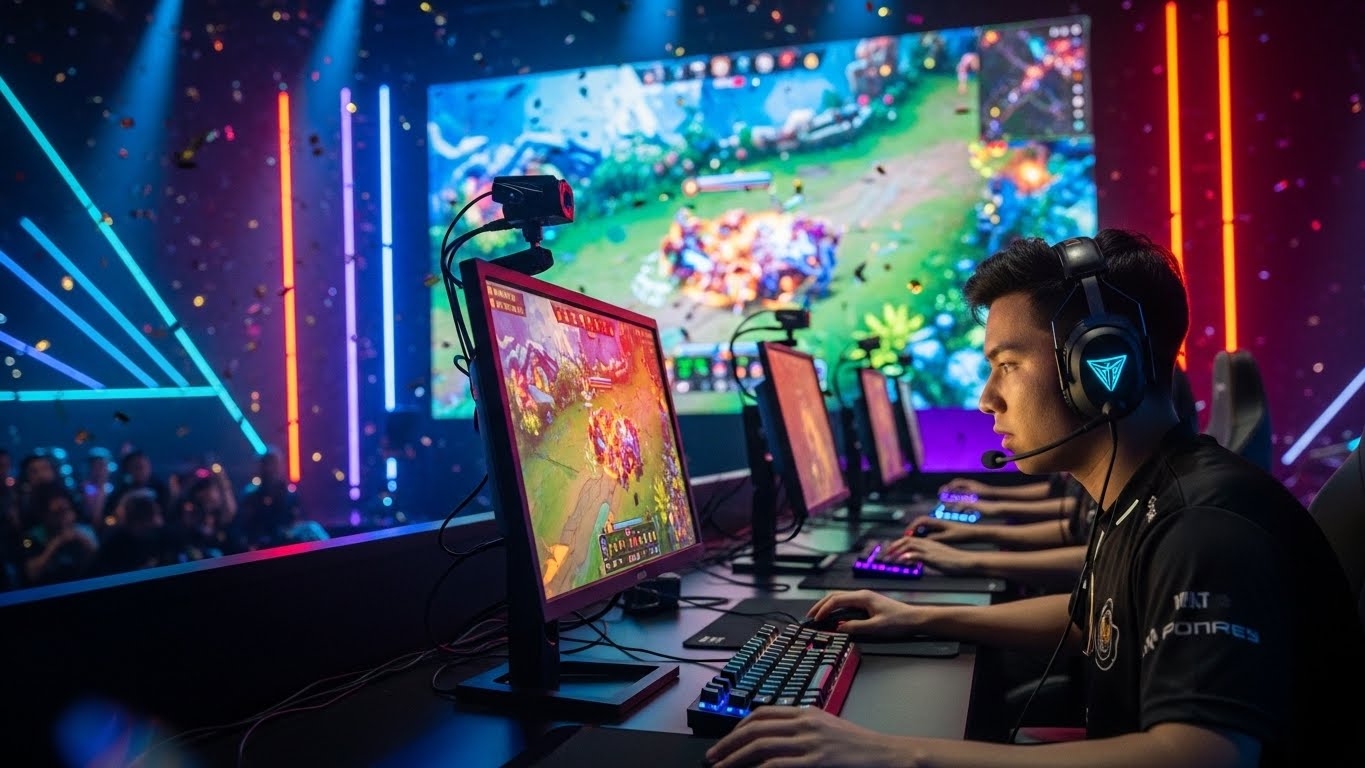
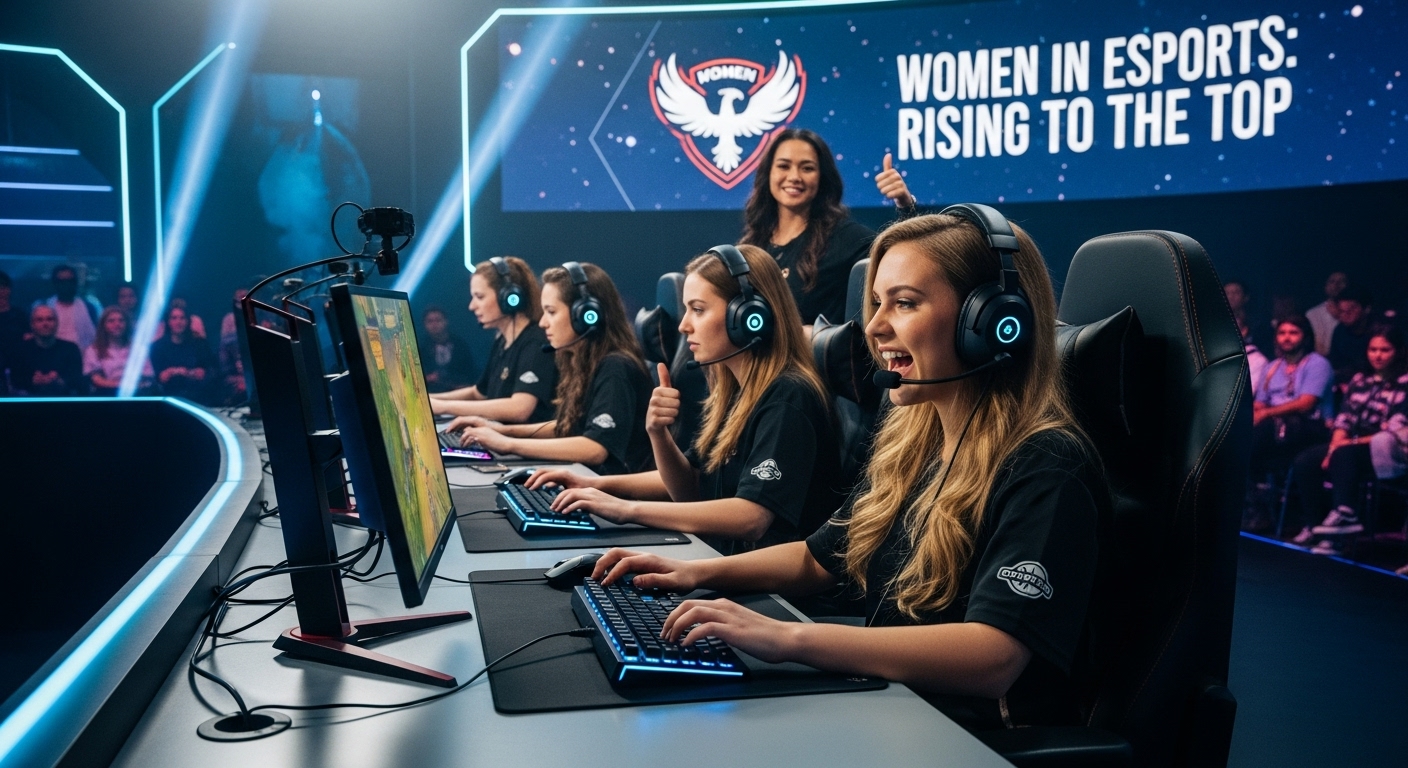
Esports, once a realm predominantly occupied by male players, has witnessed a transformative shift in recent years. Women, once sidelined, are now breaking barriers, leading teams, and reshaping the competitive gaming landscape. This blog delves into the journey of women in esports, highlighting their challenges, triumphs, and the evolving ecosystem that supports them.
The Current Landscape: A Growing Presence
As of 2024, women constitute approximately 46% of the global gaming community. However, their representation in professional esports remains disproportionately low. In 2024, women comprised only 33% of esports viewers, and women-only tournaments accounted for a mere 3% of the entire esports ecosystem Despite these statistics, the presence of women in competitive gaming is on the rise, thanks to concerted efforts from various stakeholders.
Breaking Barriers: Women Leading the Charge
Michaela “mimi” Lintrup
Michaela “mimi” Lintrup, a Danish-born professional gamer, exemplifies the ascent of women in esports. At 28, she captains G2 Gozen, one of the world’s top women’s esports teams, competing in Valorant. Her journey from leaving school at 18 to pursue esports full-time underscores the dedication and passion driving women in the industry
Sasha “Scarlett” Hostyn
Sasha “Scarlett” Hostyn stands as a testament to excellence in esports. As of 2024, she remains the highest-earning female esports player, with earnings exceeding $472,000 from StarCraft II tournaments. Her success has paved the way for many aspiring female gamers, proving that skill transcends gender.
Jorien “Sheever” van der Heijden
Jorien “Sheever” van der Heijden has made significant contributions as a commentator and host in Dota 2 tournaments. Her articulate analysis and engaging presence have earned her a respected position in the esports community, inspiring many women to pursue careers in esports broadcasting.
Challenges Faced by Women in Esports
Despite the progress, women in esports continue to encounter several obstacles:
Online Harassment
A significant number of female gamers report experiencing online abuse. In the UK, 49% of women gamers have faced online harassment, with the percentage rising to 75% among those aged 18–24. Such negative experiences can deter women from participating in the esports ecosystem.
Gender Stereotyping
The esports industry has historically been male-dominated, leading to stereotypes that question the capabilities of female players. These biases can result in exclusion and a lack of opportunities for women to showcase their talents
Pay Disparity
While top male esports players earn substantial amounts, the highest-earning female players earn significantly less. For instance, the top female earner has amassed less than half a million dollars, highlighting the existing gender pay gap in the industry
Initiatives Promoting Female Participation
To address these challenges and promote inclusivity, several initiatives have been launched:
Female-Only Tournaments
Organisations like ESL Gaming have established female-only tournaments, such as the Counter-Strike: Global Offensive Women’s League, to provide a platform for women to compete at high levels
Mentorship Programs
Programs like DUX Academy by Visa aim to empower young women by providing training, mentorship, and emotional support, preparing them for top-tier competition
Community Support
Platforms like the*gamehers offer increased visibility and opportunities for women and femme-identifying gamers through ambassador programs, content creation, and community engagement
The Road Ahead: A Vision for the Future
The future of women in esports looks promising, with increasing representation and support. However, for sustained growth, it’s essential to:
- Promote Inclusivity: Encourage diverse participation across all levels of esports.
- Address Harassment: Implement stricter policies to combat online abuse and create a safer environment.
- Ensure Equal Opportunities: Provide equal pay and recognition for female players and professionals.
- Support Grassroots Initiatives: Invest in programs that nurture young female talent and provide them with the resources to succeed.
Conclusion
Women in esports are no longer just participants; they are leaders, innovators, and trailblazers. While challenges remain, the collective efforts of players, organizations, and communities are paving the way for a more inclusive and equitable esports landscape. As we look to the future, the rise of women in esports is not just a trend but a testament to the power of perseverance, passion, and the pursuit of excellence.