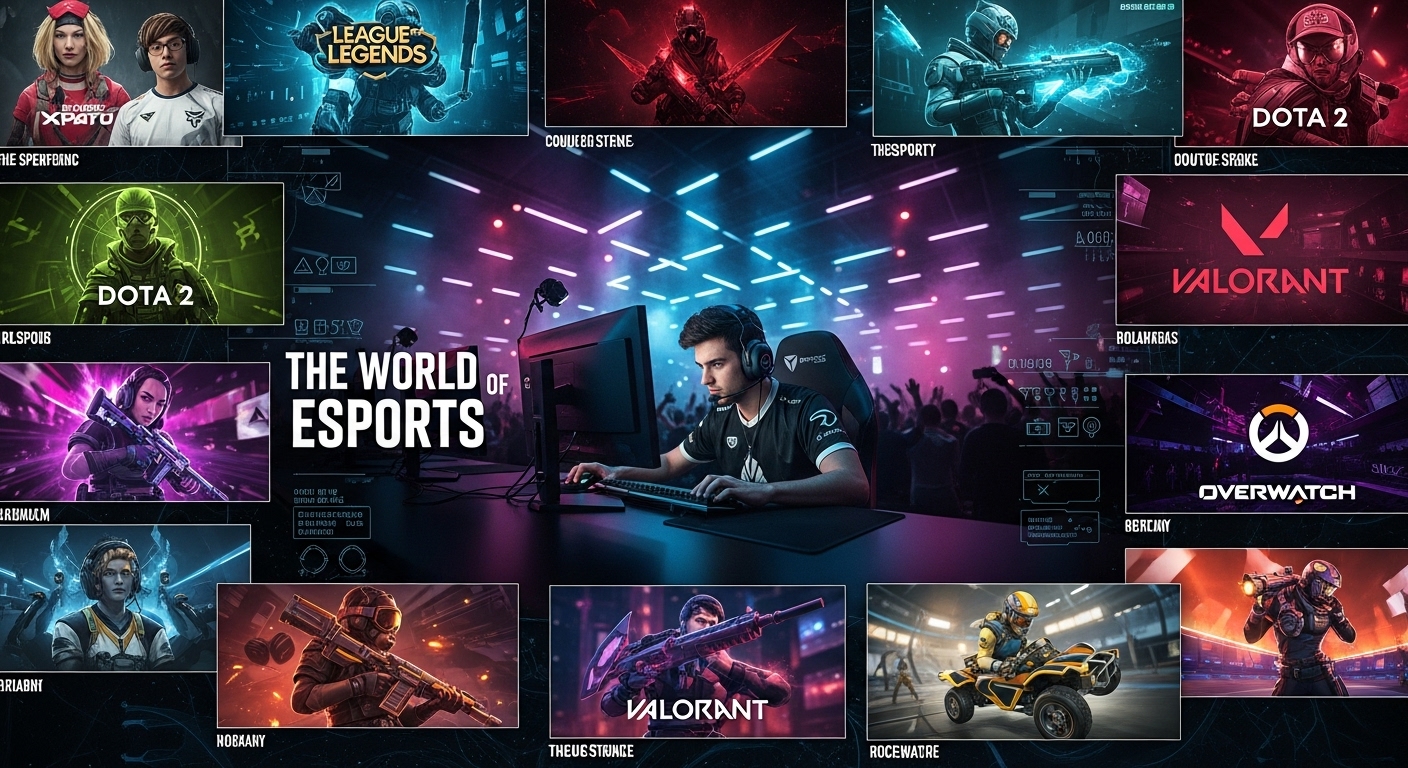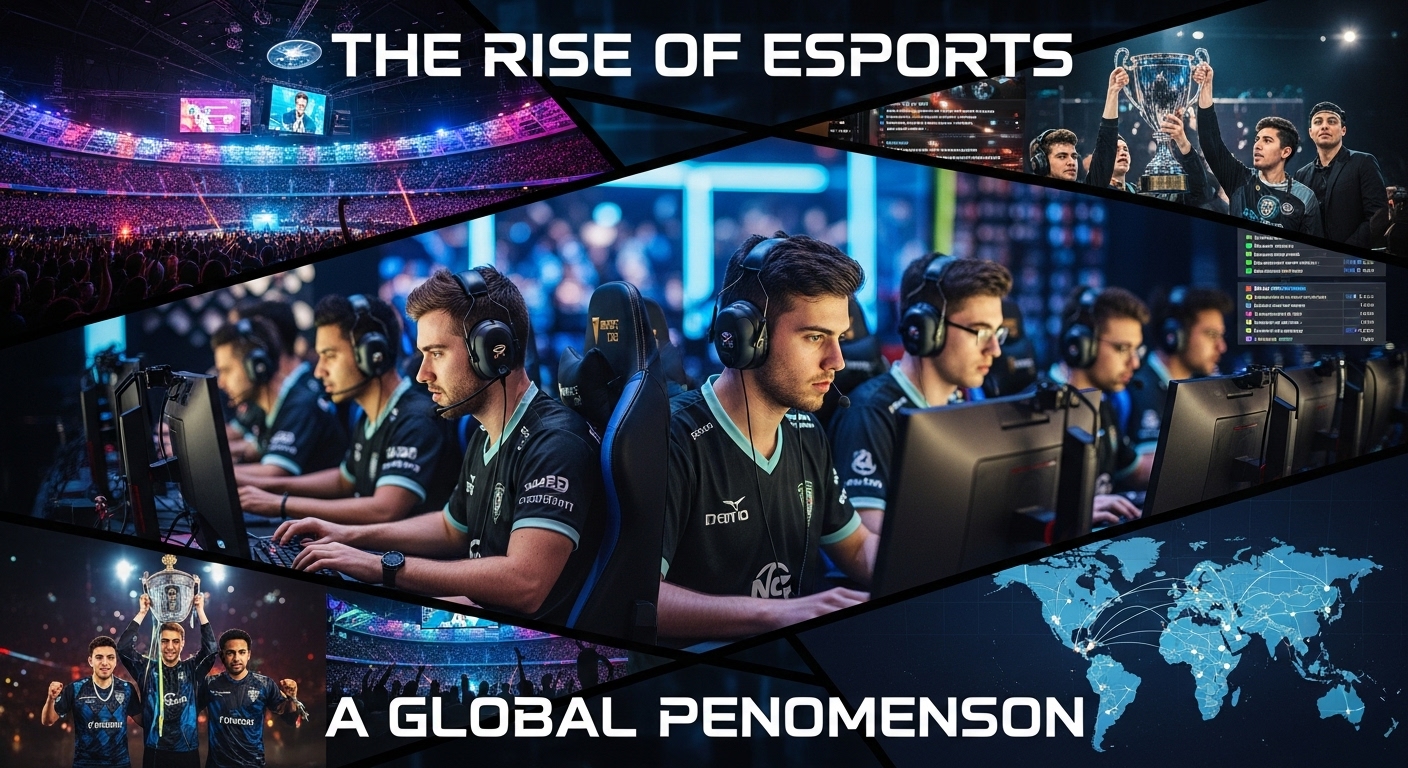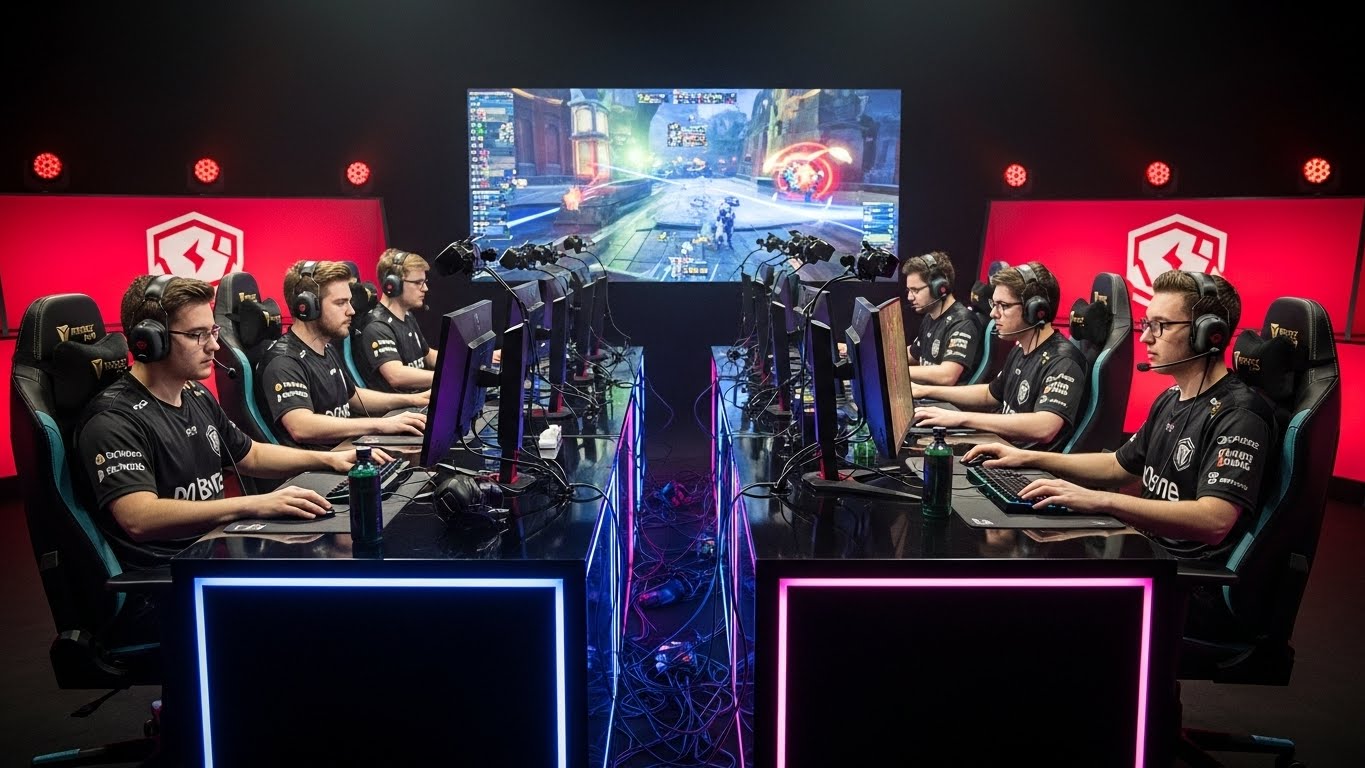
Esports has evolved from niche gaming competitions into a global industry with millions of viewers, professional teams, and multi-million-dollar tournaments. Behind this massive growth lies a network of technology partners that provide the infrastructure, tools, and innovations enabling esports to thrive. From streaming platforms to hardware manufacturers and analytics providers, these tech partners shape the competitive landscape, enhance viewer experiences, and support player performance.
This blog explores the best tech partners powering esports, highlighting how they contribute to the industry’s growth and success.
Streaming Platforms: Connecting Players and Fans
Streaming platforms are the backbone of esports, providing real-time access to matches, commentary, and community interaction.
1. Twitch
Twitch is the most influential platform for live esports broadcasting. It allows fans to watch tournaments, interact with streamers, and engage with teams globally. Twitch has:
- Facilitated large-scale audience growth for esports events.
- Provided monetization tools for streamers and teams.
- Built community features such as chat, subscriptions, and emotes that enhance fan engagement.
2. YouTube Gaming
YouTube Gaming complements Twitch by offering live streaming and on-demand content. Its global reach enables esports organizations to tap into a diverse audience. Features like highlight reels, VODs, and monetization options make it an essential partner for content distribution.
Impact: Streaming platforms have transformed esports into a spectator-driven industry, connecting millions of fans with competitive gameplay worldwide.
Hardware Manufacturers: Optimizing Performance
Esports performance relies heavily on high-quality hardware. Professional players and teams depend on reliable, responsive equipment to compete at the highest level.
1. Razer
Razer provides gaming peripherals such as mice, keyboards, and headsets optimized for competitive performance. Its precision-focused products help players achieve faster reaction times and better control.
2. Logitech G
Logitech G offers a range of gaming devices, from high-DPI mice to mechanical keyboards, supporting esports athletes with professional-grade equipment.
3. Alienware and ASUS ROG
These brands produce high-performance PCs and laptops designed for competitive gaming, ensuring stable frame rates, low latency, and smooth gameplay.
Impact: Cutting-edge hardware enhances player performance, reduces technical issues during competitions, and sets industry standards for esports equipment.
Game Developers: Building Competitive Ecosystems
Game developers are arguably the most crucial partners in esports. They design the games, balance mechanics, and create competitive environments.
1. Riot Games
Riot Games has built a comprehensive esports ecosystem around League of Legends and Valorant, including professional leagues, tournaments, and analytics platforms. Their commitment to competitive integrity and spectator engagement has set benchmarks in esports.
2. Blizzard Entertainment
Blizzard has supported esports through Overwatch and StarCraft, creating professional leagues and nurturing community growth. Their development of esports-ready games ensures long-term engagement and structured competition.
3. Epic Games
Epic Games, with Fortnite, has revolutionized esports tournaments with massive prize pools and cross-platform play, demonstrating how innovative game design can drive global esports participation.
Impact: Developers provide the foundation of competitive gaming, creating balanced, engaging, and spectator-friendly experiences.
Analytics and Data Platforms: Enhancing Strategy
Esports teams increasingly rely on data-driven insights to gain competitive advantages. Analytics platforms track performance, strategy, and opponent behavior.
1. Mobalytics
Mobalytics provides performance analysis for games like League of Legends, offering players insights into strengths, weaknesses, and improvement opportunities.
2. Tracker Network
Tracker Network collects and analyzes gameplay statistics across multiple titles, helping teams refine strategies and make informed decisions.
3. Shadow.gg
Platforms like Shadow.gg offer real-time analytics for professional players, enhancing tactical understanding and strategic planning.
Impact: Analytics tools allow players and coaches to optimize performance, adapt strategies, and maintain competitive edges in increasingly professionalized esports environments.
Network and Cloud Partners: Ensuring Connectivity
Reliable connectivity is critical for competitive gaming, streaming, and tournament organization. Network and cloud providers maintain the infrastructure that keeps esports running smoothly.
1. Amazon Web Services (AWS)
AWS powers esports platforms, streaming services, and tournament infrastructures with scalable cloud solutions. Its services ensure stable online gameplay and efficient content delivery.
2. Cloudflare
Cloudflare provides content delivery network (CDN) services and security solutions, protecting esports platforms from downtime and cyber threats.
Impact: Cloud and network partners maintain low-latency, high-reliability environments that are essential for competitive integrity and viewer satisfaction.
Event Technology Partners: Elevating Tournaments
Esports tournaments require sophisticated production, broadcasting, and event management technology.
1. OBS Studio and XSplit
These broadcasting tools provide professional-grade streaming capabilities, enabling tournament organizers to deliver high-quality live content to global audiences.
2. Stage and Arena Technology
Companies providing LED displays, lighting, and sound systems enhance the spectator experience both in-person and online.
3. Esports Production Companies
Specialized production teams integrate camera angles, instant replay, commentary, and graphics, creating immersive tournament experiences.
Impact: Event tech partners transform esports competitions into polished, engaging spectacles that rival traditional sports broadcasts.
Peripheral and Accessory Innovators
Beyond core hardware, peripherals like gaming chairs, monitors, and audio equipment contribute to player comfort and focus.
1. Secretlab
Secretlab’s gaming chairs provide ergonomic support for long practice sessions and tournaments, improving endurance and reducing fatigue.
2. BenQ ZOWIE
BenQ ZOWIE monitors are optimized for competitive gaming, offering high refresh rates and low input lag essential for professional performance.
Impact: Specialized peripherals enhance comfort and precision, supporting sustained performance during practice and competition.
Sponsors and Partnership Ecosystem
Many tech partners also act as sponsors, supporting esports financially and with branding collaborations. Companies like Intel, NVIDIA, and HyperX sponsor leagues, tournaments, and teams, providing resources for growth while promoting their products.
Impact: Sponsorships increase prize pools, fund events, and elevate the industry’s professionalism, benefiting players, fans, and organizers alike.
Conclusion
The growth of esports is powered by an intricate network of technology partners. Streaming platforms, hardware manufacturers, developers, analytics tools, cloud providers, and event tech companies all play a vital role in shaping competitive gaming.
These partners provide the infrastructure, insights, and innovations that allow esports players to perform at their best, tournaments to run smoothly, and fans to engage globally. Without them, esports could not achieve the scale, professionalism, and cultural impact it enjoys today.
By combining cutting-edge technology, strategic partnerships, and creative innovation, tech partners continue to elevate esports, turning competitive gaming into a global entertainment powerhouse and laying the foundation for the next generation of esports excellence.