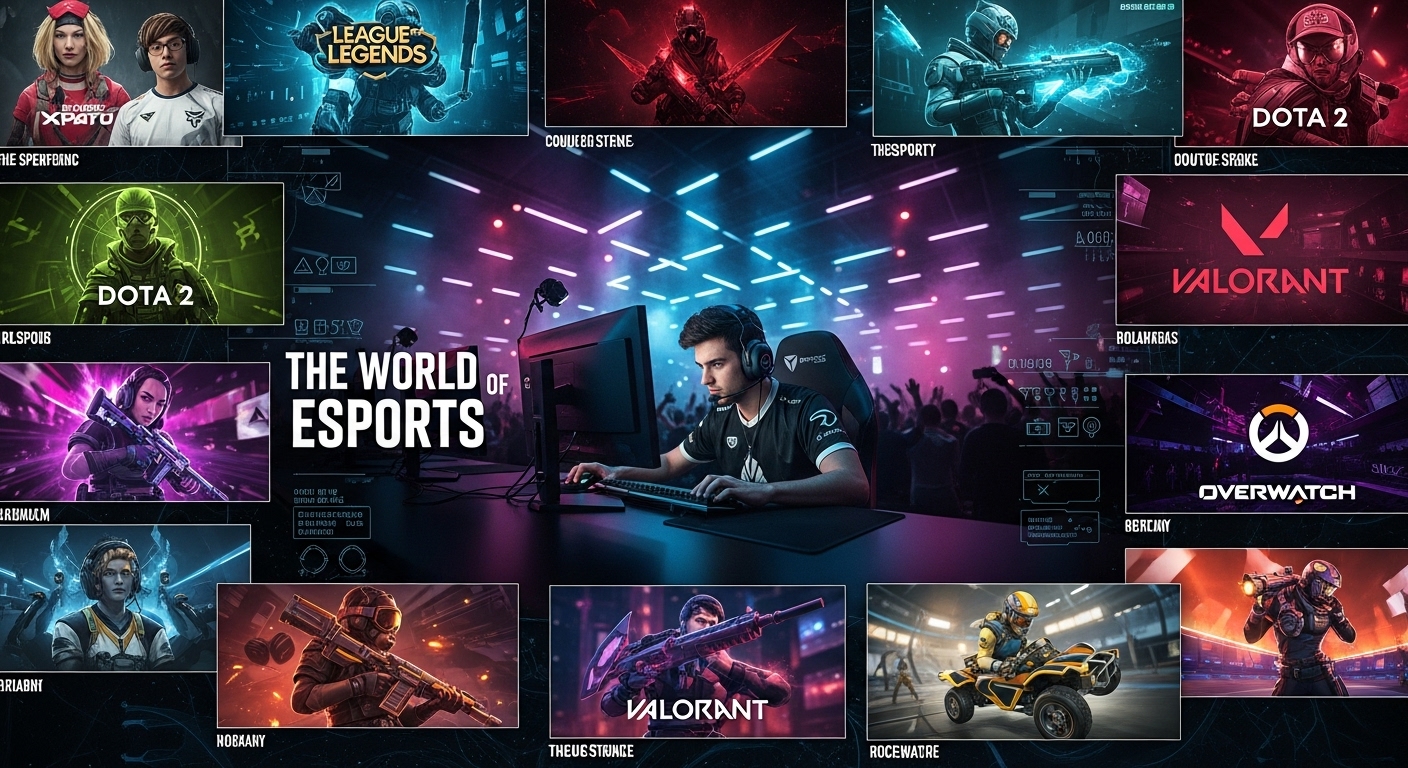
Introduction: The Birth of a New Sporting Era
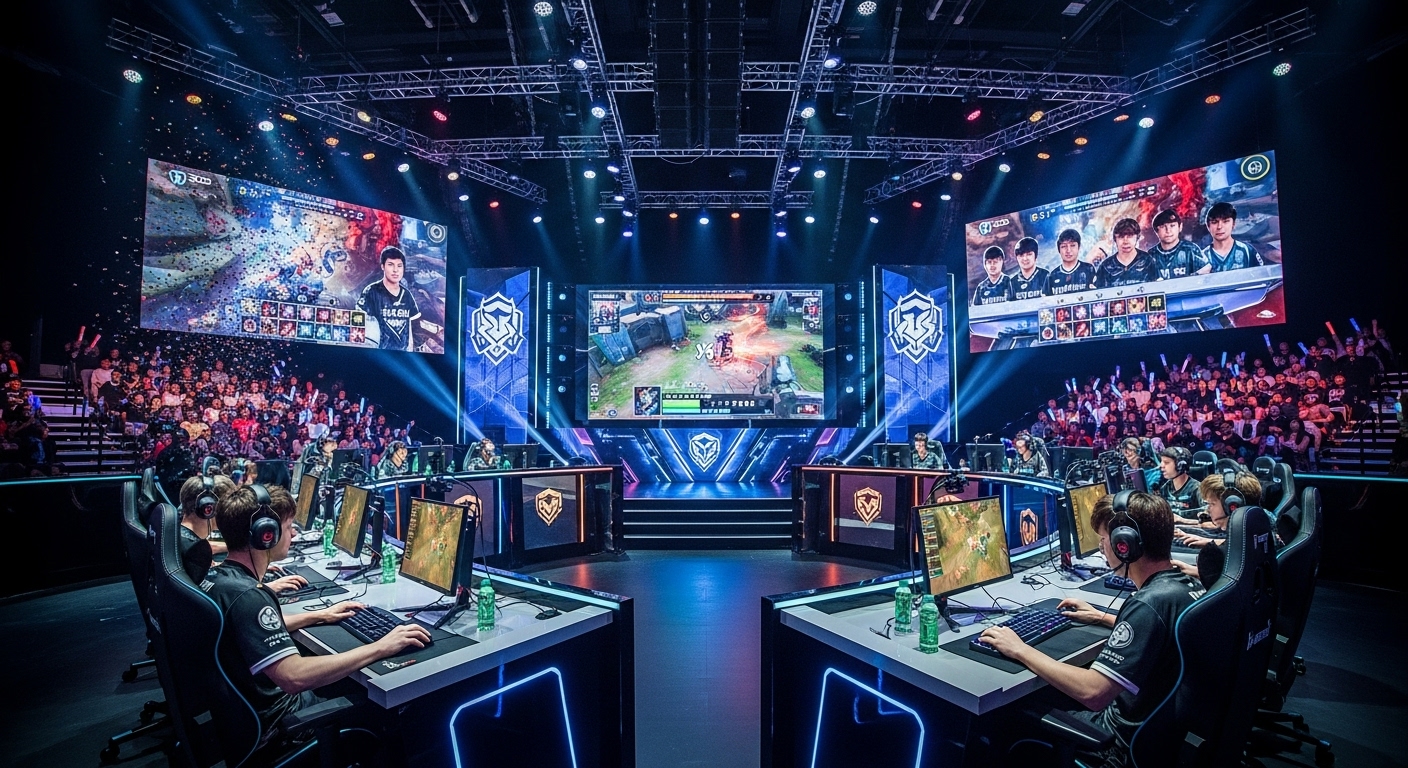
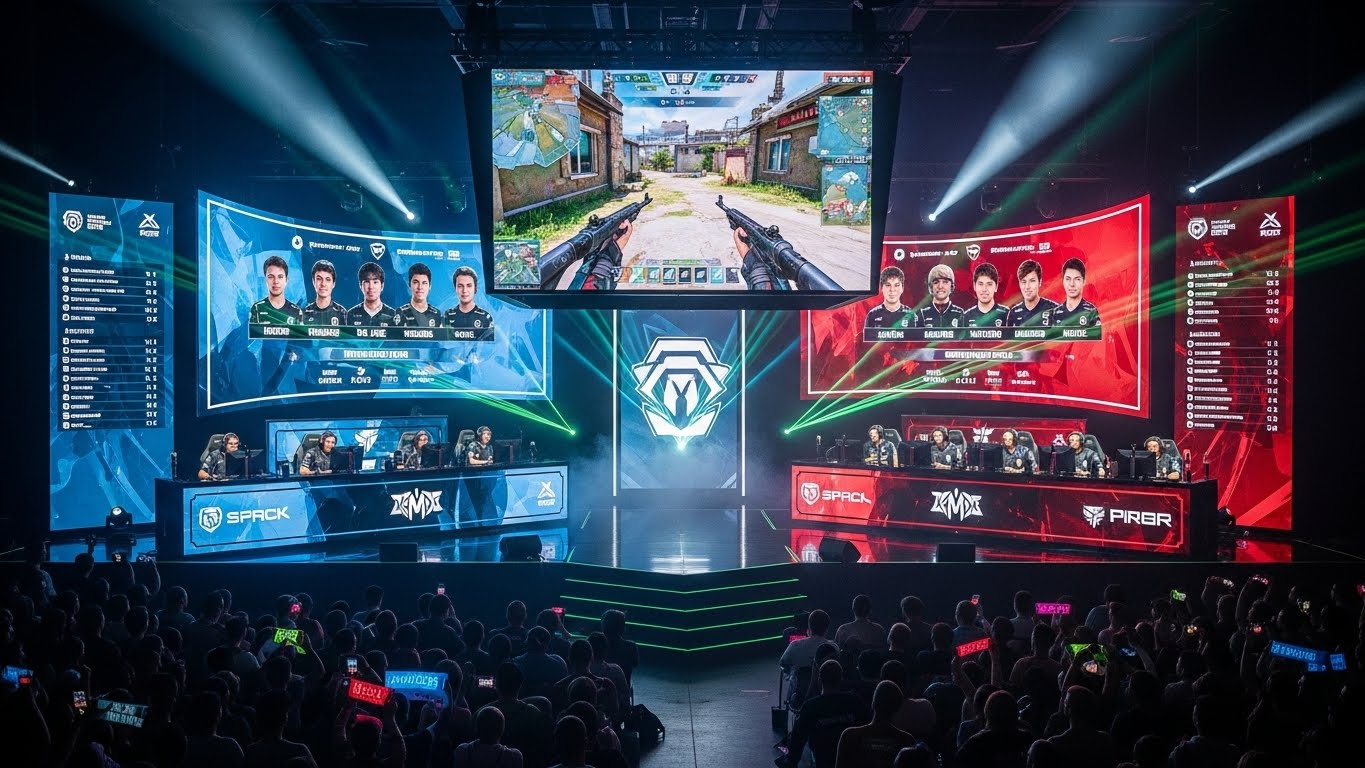
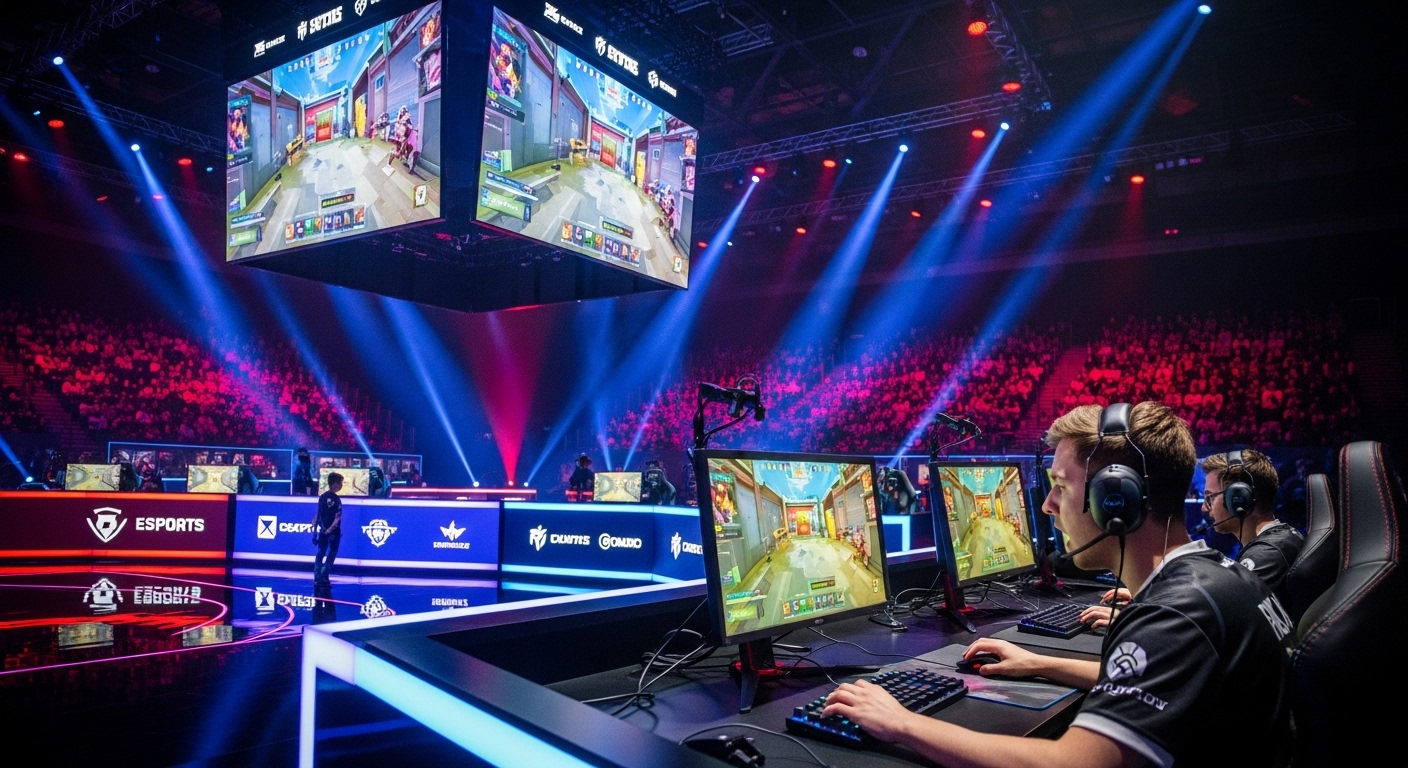
In the past few decades, the world has witnessed a revolution in the entertainment industry unlike any other. The rise of electronic sports, popularly known as esports, has reshaped how people perceive gaming, competition, and even athleticism. What began as friendly arcade matches in the 1980s has evolved into a billion-dollar global industry with millions of passionate fans, professional athletes, and massive live events filling entire stadiums. Esports is no longer a subculture—it is a legitimate form of competition that sits at the intersection of technology, entertainment, and sportsmanship.
The Early Days: From Arcades to LAN Parties
To understand the colossal growth of esports, it’s essential to look back at its humble beginnings. The first sparks of competitive gaming ignited in the 1970s and 1980s when players began challenging each other in arcade games like Space Invaders and Pac-Man. The first recorded video game competition took place in 1972 at Stanford University, where students competed in a game called Spacewar!. The prize was a one-year subscription to a magazine—a far cry from the million-dollar prize pools seen today.
During the 1990s, gaming became more accessible as personal computers and home consoles like the Super Nintendo and Sega Genesis entered households worldwide. Local Area Network (LAN) parties became the breeding ground for competitive gaming. Players lugged their massive computer setups to garages or community centers to compete in games such as Doom, Quake, and StarCraft. These grassroots events built the foundation for the competitive scene we know today.
The 2000s: The Rise of Online Competition
The turn of the millennium brought broadband internet and online multiplayer gaming, fundamentally changing how people interacted with games. Suddenly, players could compete globally without ever leaving their homes. Titles like Counter-Strike, Warcraft III, and Halo cultivated fiercely competitive communities. Online ladders, leaderboards, and digital tournaments replaced many physical LAN events, allowing the esports scene to expand rapidly across continents.
This was also the period when professional teams and organizations began to form. Dedicated players started to treat gaming as a full-time profession, training for hours each day, analyzing gameplay, and studying opponents. With sponsors and small prize pools trickling in, esports began its slow but steady transformation from hobby to career.
The Golden Era: Streaming and Global Recognition
The late 2000s and early 2010s marked the beginning of what many consider the golden era of esports. The launch of streaming platforms like Twitch and YouTube Gaming revolutionized how audiences consumed competitive gaming. Viewers could now watch their favorite players and tournaments live from anywhere in the world.
Games like League of Legends, Dota 2, and Counter-Strike: Global Offensive became global phenomena. Riot Games, Valve, and Blizzard started organizing world-class tournaments that rivaled traditional sports events in production quality and audience engagement. The League of Legends World Championship and The International for Dota 2 attracted millions of live viewers and offered prize pools in the tens of millions.
Streaming also helped establish player personalities as celebrities. Esports professionals were no longer hidden behind gamer tags—they were now public figures with fanbases, sponsorships, and media appearances.
The Professionalization of Esports
As esports continued to grow, it began to adopt the structures of traditional sports. Teams hired coaches, analysts, nutritionists, and psychologists to improve player performance. Training facilities were established to give players access to high-end equipment, ergonomic setups, and structured practice routines.
Franchised leagues emerged, modeled after traditional sports organizations. Games like Overwatch and Call of Duty launched city-based leagues, where teams represented major cities such as New York, Seoul, and London. This localization gave fans a deeper connection to their teams and made esports easier to follow for casual audiences.
Major corporations began investing heavily in the industry. Brands like Intel, Red Bull, and Coca-Cola became regular sponsors of esports events, recognizing the immense marketing potential of the young, tech-savvy audience. Television networks began broadcasting esports tournaments, legitimizing the scene even further.
The Cultural Impact of Esports
Esports is not just about competition—it’s a cultural movement. It has reshaped entertainment, inspired fashion trends, and created new social dynamics. Gaming cafes, esports bars, and dedicated arenas have sprung up across major cities, allowing fans to come together to watch tournaments and cheer for their favorite teams.
Pop culture has embraced esports wholeheartedly. Documentaries, feature films, and anime adaptations about gaming and esports have found mainstream success. Universities around the world now offer esports scholarships, while governments in countries like South Korea, China, and the United States officially recognize esports players as professional athletes.
Even traditional sports organizations have entered the arena. Football clubs like Paris Saint-Germain, Manchester City, and FC Barcelona have invested in esports teams, blurring the line between digital and physical competition.
The Business of Esports
Behind the flashing lights and roaring crowds lies a sophisticated business ecosystem. The esports industry generates revenue through multiple streams, including sponsorships, advertising, media rights, ticket sales, and merchandise. Streaming platforms have also become central to revenue generation, with ad placements and subscriptions fueling both players and organizations.
In 2024, the global esports market surpassed the billion-dollar mark, with projected continued growth over the next decade. Asia remains the dominant region, but North America and Europe have shown exponential expansion. Mobile esports, particularly in countries like India and Brazil, has become a significant growth driver due to widespread smartphone access.
Organizations have also diversified their strategies by investing in content creation, lifestyle branding, and social media engagement. Top-tier teams are no longer just competitive units—they are full-fledged entertainment brands with loyal global audiences.
The Role of Technology in Esports Evolution
The success of esports is deeply tied to technological advancement. High-speed internet, powerful gaming hardware, and sophisticated game engines have made it possible for millions to play and watch competitive games seamlessly.
Virtual reality (VR) and augmented reality (AR) are now beginning to shape the future of esports, promising new interactive experiences for players and fans alike. Artificial intelligence is also playing a growing role in analyzing player performance, automating highlights, and enhancing broadcast production.
Meanwhile, blockchain technology and digital collectibles have started to make their way into esports. In-game items, skins, and NFTs tied to professional teams have created new economic opportunities for fans and players.
The Human Element: The Players Behind the Screen
While technology powers the industry, esports is ultimately about people. Professional gamers dedicate years of their lives to perfecting their craft. They endure intense schedules, mental pressure, and physical demands. Contrary to stereotypes, esports athletes require immense concentration, coordination, and strategic thinking.
Teamwork is at the heart of most esports titles. Communication, trust, and adaptability determine victory just as much as raw skill. Behind every champion is a team of analysts, coaches, and support staff who ensure players perform at their peak.
However, the intense nature of the industry also brings challenges. Burnout, mental health issues, and short career spans are pressing concerns. Fortunately, awareness and support systems are growing, with organizations prioritizing mental well-being and work-life balance.
The Global Fanbase and Community
The esports community is vast, diverse, and deeply passionate. Fans engage with players and teams not only through tournaments but also through social media, streaming platforms, and live events. Esports fandom has a unique digital intimacy—fans can directly interact with players during live chats, contributing to a sense of belonging rarely seen in traditional sports.
This global community has become a force for change, breaking cultural and linguistic barriers. Gamers from different backgrounds unite under shared interests, forming friendships and collaborations that span continents. Esports has proven that passion for gaming transcends geography, age, and language.
Esports and Education
One of the most surprising aspects of esports growth is its integration into education. Schools and universities have begun offering courses and degrees in esports management, production, and game design. Competitive gaming teams at the collegiate level give students the opportunity to develop leadership, communication, and strategic skills.
Esports education goes beyond gameplay—it teaches teamwork, discipline, and digital literacy. Many institutions view esports as a gateway to careers in technology, broadcasting, and marketing. The educational impact of esports is helping to redefine what it means to pursue a “career in gaming.”
The Challenges Facing Esports
Despite its incredible growth, the esports industry faces significant challenges. Regulation and standardization remain major issues. Unlike traditional sports governed by unified bodies, esports competitions are controlled by game publishers, leading to inconsistencies in rules and structures.
Cheating, match-fixing, and doping scandals occasionally tarnish the industry’s image. Ensuring fair play in a digital environment requires constant technological and ethical vigilance.
Player well-being is another ongoing concern. The pressure to perform at a young age can lead to burnout, with many professional gamers retiring before their mid-twenties. Establishing sustainable career paths and proper health management systems is crucial for the industry’s longevity.
The Future of Esports: What Lies Ahead
The future of esports looks brighter than ever. As technology continues to evolve, so too will the competitive landscape. Virtual and augmented reality may introduce new formats of play and spectating. Artificial intelligence could enhance training tools, strategy development, and fan engagement.
The next decade is also expected to see esports integrated more deeply with mainstream entertainment. Expect to see more crossovers between esports, music, and film. Hybrid live events that combine physical and virtual audiences will likely become the norm.
Esports is also poised to make its debut in more international sporting events. The inclusion of competitive gaming as a demonstration event in global competitions signals growing recognition at the highest levels of sports governance.
Conclusion: The New Frontier of Human Competition
Esports represents far more than pixels on a screen—it is the embodiment of human ambition, creativity, and connection in the digital age. It challenges traditional notions of athleticism and redefines what it means to be a competitor.
From basement LAN parties to grand world championships, esports has traveled a long and remarkable journey. Its story is still unfolding, shaped by the relentless drive of players, the passion of fans, and the boundless possibilities of technology.
In a world that continues to blend physical and digital experiences, esports stands as a symbol of progress and unity. It is not merely the future of gaming—it is the future of global sport, culture, and human expression.