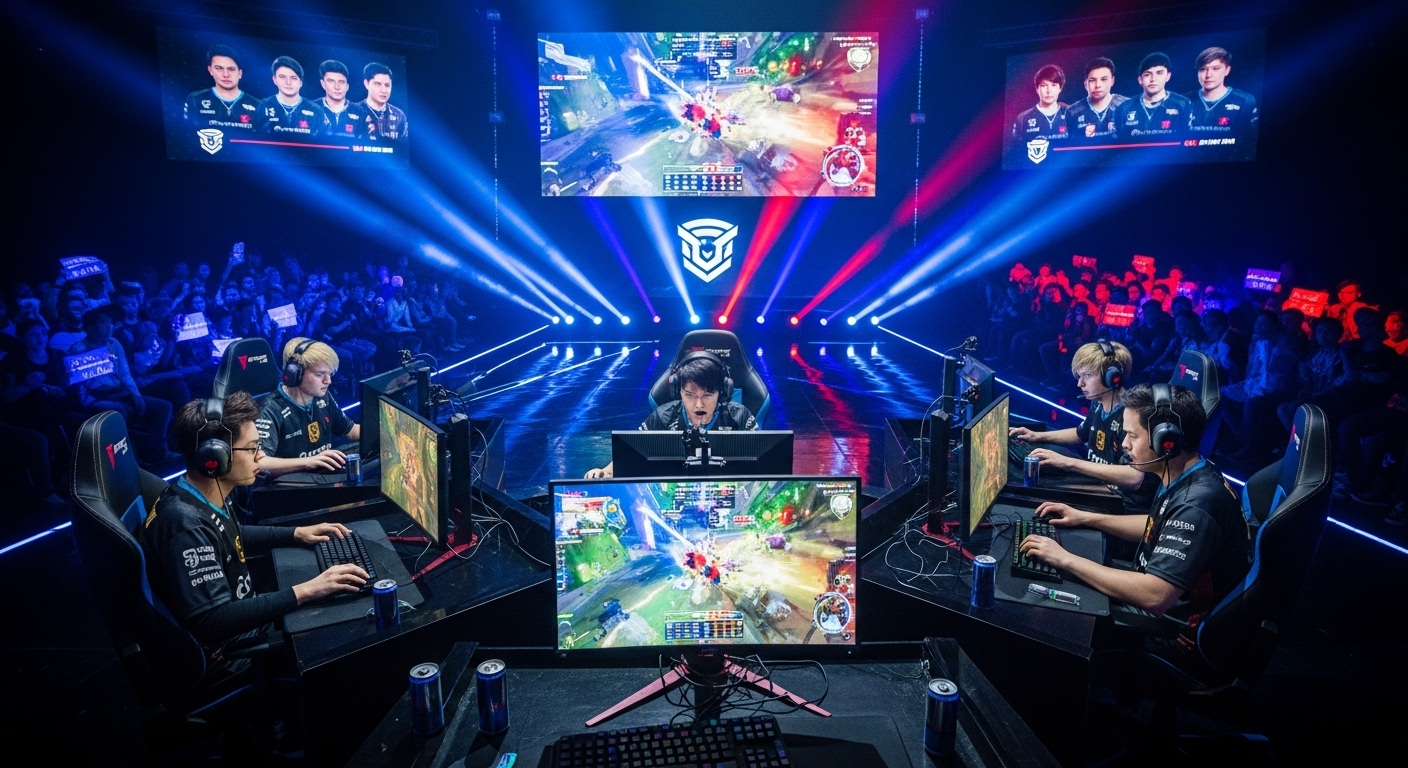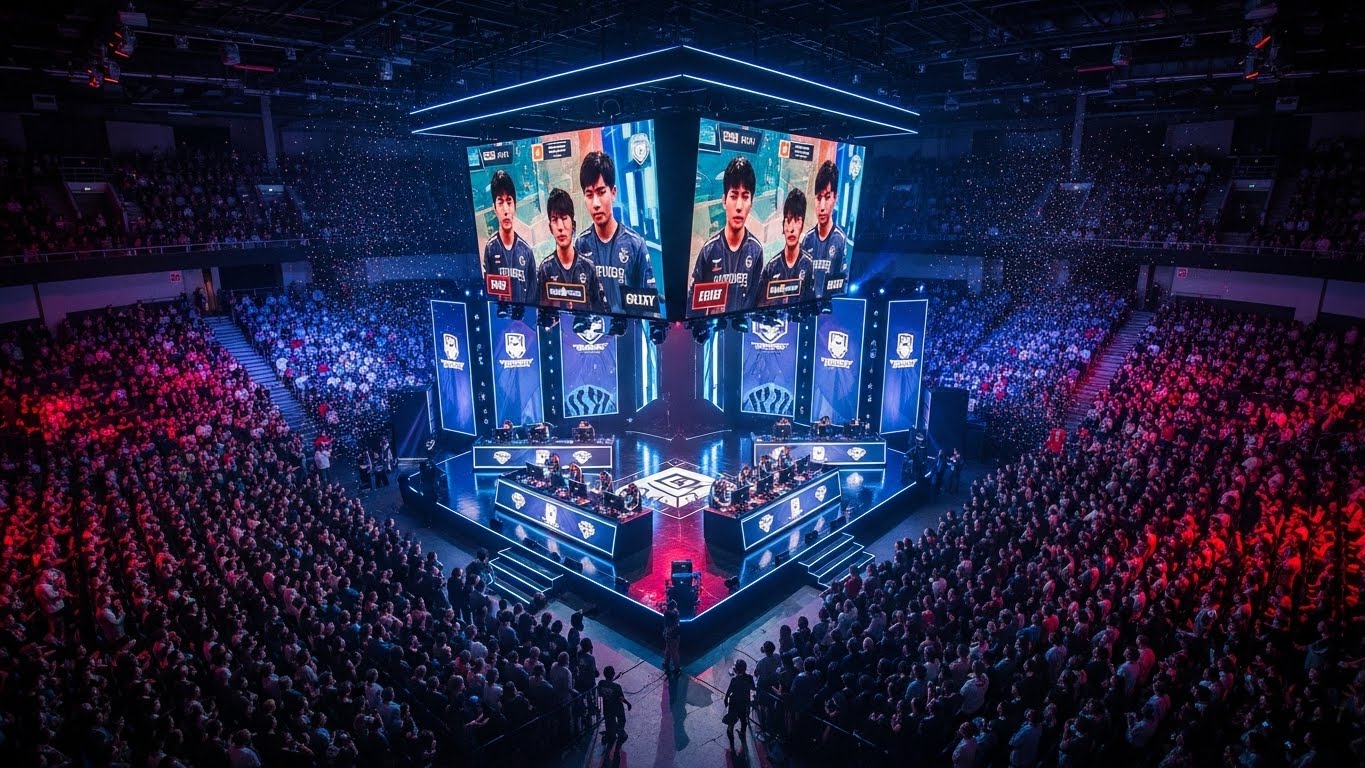
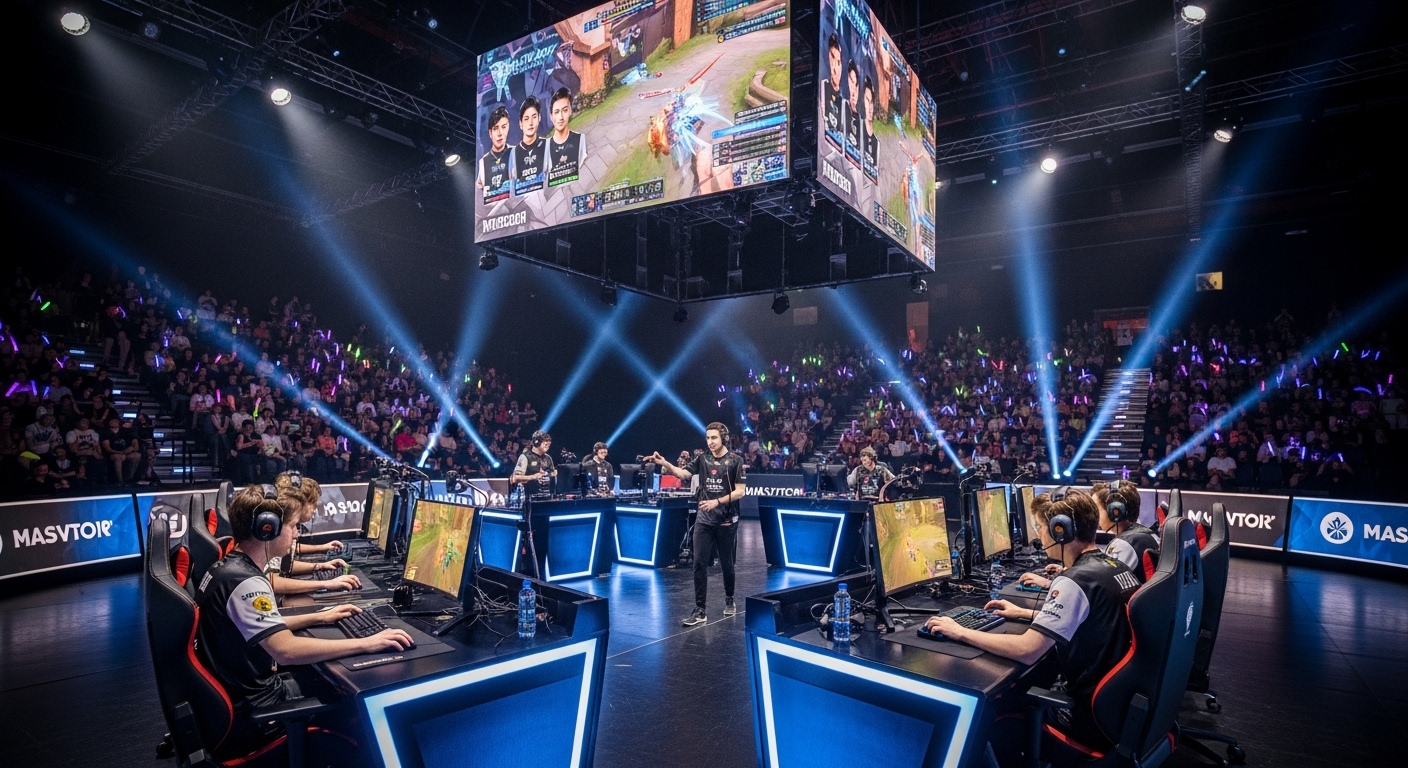
In recent years, esports has rapidly grown from a niche hobby into a global entertainment powerhouse. What started as small-scale competitions between passionate gamers has blossomed into a multi-billion-dollar industry. Today, esports includes everything from online tournaments with massive prize pools to full-fledged professional leagues, with millions of fans worldwide tuning in to watch the action. In this blog, we’ll explore how esports has become such a cultural phenomenon, its impact on the entertainment industry, and what the future holds for competitive gaming.
The Rise of Esports: From Humble Beginnings to Global Recognition
Esports wasn’t always the global spectacle it is today. Its roots go back to the early 1990s when the concept of multiplayer gaming started to take off. Games like Doom and Warcraft allowed players to compete against each other over local area networks (LANs), laying the foundation for what would become a competitive gaming scene. The rise of the internet in the late 1990s brought these competitions to a wider audience, but it wasn’t until the 2000s that esports really began to gain momentum.
One of the earliest events that helped shape modern esports was the World Cyber Games (WCG) in 2000, a global tournament that featured games like StarCraft and Warcraft III. These early events set the stage for larger competitions, and as broadband internet became more widespread, more players could connect and compete with others globally. By the mid-2010s, esports had become a legitimate industry, attracting sponsorships, media coverage, and a massive online audience.
The Key Games Driving Esports Growth
Esports is not a one-size-fits-all industry. There are several popular game genres that have helped propel competitive gaming into the spotlight, each with its own unique appeal and set of challenges. Here are the primary genres that dominate the esports scene:
Multiplayer Online Battle Arenas (MOBAs)
MOBAs, like League of Legends and Dota 2, are the crown jewels of the esports world. These games feature team-based combat where players control unique characters, known as champions or heroes, and work together to destroy the opposing team’s base. The complexity of these games, both in terms of strategy and execution, makes them incredibly engaging for players and spectators alike.
The League of Legends World Championship is one of the largest annual esports events in the world, with millions of viewers tuning in from across the globe. The large-scale, high-stakes nature of these events has made MOBAs the most popular esports genre worldwide.
First-Person Shooters (FPS)
First-person shooters like Counter-Strike: Global Offensive (CS:GO), Call of Duty, and Valorant have been integral to esports. These games pit players against each other in tactical, high-speed combat scenarios where precision, coordination, and reflexes are critical. FPS titles often feature team-based play, where squads of players work together to complete objectives or eliminate the opposing team.
These games are known for their fast-paced action, intense strategic depth, and strong fanbase, with major tournaments like the CS:GO Major Championships attracting millions of viewers.
Battle Royale
In recent years, Fortnite, PUBG (PlayerUnknown’s Battlegrounds), and Apex Legends have made the Battle Royale genre one of the most exciting and unpredictable forms of competitive gaming. In these games, dozens, or even hundreds, of players fight to be the last person or team standing. The unpredictability and survival elements of these games, along with the large player base, make them highly competitive and thrilling to watch.
The success of Fortnite, with its massive in-game events and tournaments, has demonstrated the power of esports on a global scale, particularly among younger audiences.
Fighting Games
Fighting games like Street Fighter V, Tekken 7, and Super Smash Bros. have a rich history in competitive gaming. These games often feature one-on-one battles where players control unique fighters and use a combination of special moves, combos, and counters to defeat their opponents.
Fighting games are known for their deep mechanics and precision, which allow players to express their skill in highly intricate ways. Events like EVO (Evolution Championship Series) highlight the best of the best in this genre and have a dedicated fanbase that has followed the games for decades.
The Business of Esports: Sponsorships, Prize Pools, and Careers
Esports has evolved into a highly profitable business. The growth of esports tournaments and leagues has led to massive investments from corporate sponsors and even traditional sports teams. Brands like Intel, Coca-Cola, and Nike now sponsor teams and events, while major media outlets like ESPN and YouTube have begun to air esports tournaments.
Prize pools for major events are often in the millions of dollars, with some tournaments like The International for Dota 2 boasting prize pots that exceed $30 million. These large sums have made esports a legitimate career option for top-tier players. Professional esports athletes now earn salaries, sponsorships, and bonuses based on their performance in tournaments. For some players, streaming on platforms like Twitch and YouTube Gaming further boosts their income, allowing them to interact with fans and create content around their gaming lives.
Esports organizations like Cloud9, Team Liquid, and FaZe Clan are more than just teams—they are brands in their own right, selling merchandise, creating content, and building fanbases that rival those of traditional sports teams.
The Cultural Impact of Esports
Esports has shifted the cultural landscape of gaming. What was once a pastime for a small group of enthusiasts has now become a mainstream form of entertainment. Esports tournaments fill arenas, and millions of people watch live streams, often interacting with players and commentators through real-time chat features.
As esports continues to grow, it has also influenced other forms of entertainment. Traditional sports leagues are increasingly looking to esports for inspiration, and some teams have even launched their own esports divisions. Additionally, celebrities from outside the gaming world—such as musicians, actors, and athletes—have begun to participate in esports events, either as sponsors, players, or supporters.
This cultural shift has also paved the way for educational institutions to embrace esports. High schools and universities are offering scholarships for esports athletes, and some colleges have established dedicated esports programs. These developments highlight how deeply esports has been woven into the fabric of modern entertainment and education.
The Future of Esports: Emerging Trends and Technologies
The future of esports looks incredibly promising, with several emerging trends poised to shape the industry. As technology continues to evolve, esports will likely see innovations in how the games are played, broadcasted, and experienced.
Virtual and Augmented Reality
Virtual reality (VR) and augmented reality (AR) technologies hold the potential to transform esports into a more immersive experience. VR esports could bring new gameplay possibilities and allow spectators to experience tournaments from a completely new perspective, making them feel as if they are actually in the arena. AR could be used to enhance broadcast coverage, providing real-time statistics and interactive features for viewers.
Mobile Esports
With the increasing prevalence of smartphones, mobile esports is becoming more significant. Games like PUBG Mobile and Mobile Legends have already seen immense success in regions like Southeast Asia and Latin America. Mobile esports is expected to continue growing, especially as smartphone technology improves, making high-quality gaming accessible to a broader audience.
Global Expansion
Esports has already seen significant growth in regions like North America, Europe, and East Asia, but emerging markets in Latin America, the Middle East, and Africa are starting to get more attention. With improvements in internet infrastructure and the increasing availability of smartphones, esports is becoming more accessible in these regions, and tournaments are expanding to cater to new audiences.
Conclusion: Esports as the Entertainment of Tomorrow
Esports has come a long way in a short period of time, and its growth shows no signs of slowing down. From its humble beginnings as a niche activity to becoming a multi-billion-dollar industry, esports has proven that competitive gaming is a legitimate form of entertainment, with millions of fans around the world.
With continued advancements in technology, growing sponsorship opportunities, and a wider cultural acceptance of gaming, the future of esports looks incredibly bright. Whether you’re a player, a fan, or someone just starting to explore the world of esports, there’s no denying that this industry is shaping the future of entertainment.
Esports is not just a passing trend—it’s a movement that’s here to stay. And as it continues to evolve, one thing is certain: competitive gaming will continue to be a driving force in the entertainment world for years to come.