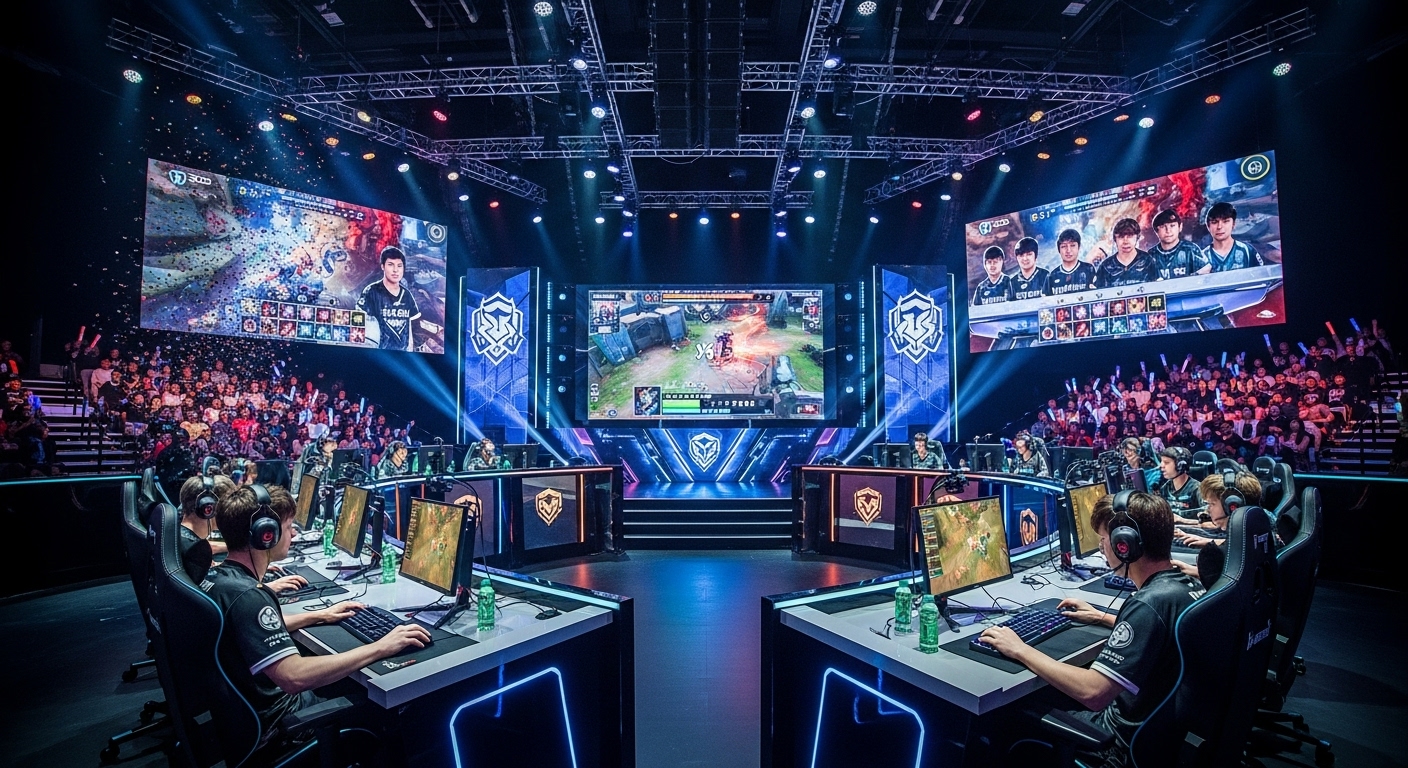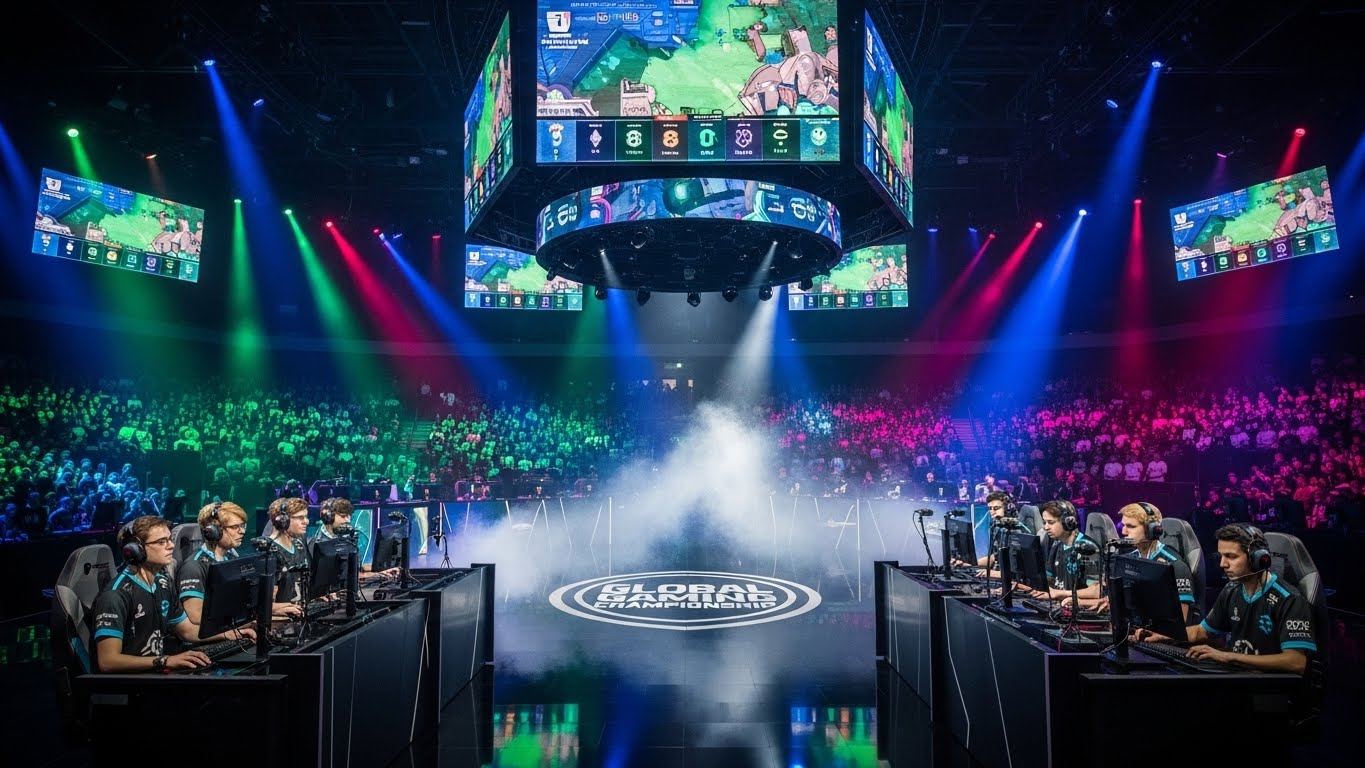
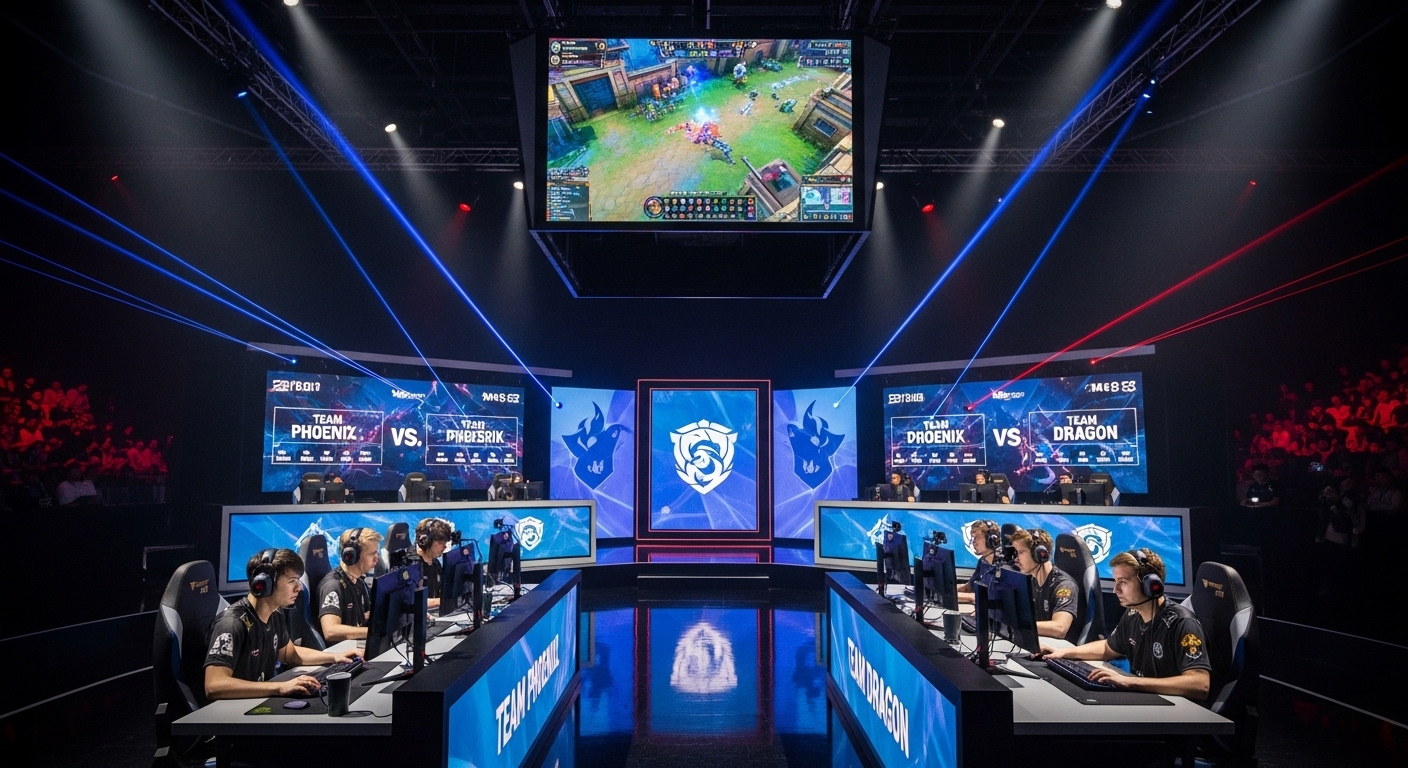
Introduction: The Rise of Competitive Gaming
Esports, or electronic sports, has transformed from a casual hobby into a global industry that captivates millions of players and viewers worldwide. Once regarded as mere entertainment for young gamers, it now represents a legitimate form of competition with professional teams, major tournaments, and enormous prize pools. The rise of esports demonstrates the intersection of technology, culture, and entertainment. It has redefined what it means to compete, creating opportunities for professional players, content creators, and a growing fan community.
The Origins of Esports: From Arcades to Online Arenas
The roots of esports trace back to the 1970s and 1980s, when competitions were primarily held in arcades. Players competed in games like Pong and Space Invaders for local recognition or small rewards. These early competitions were informal but highlighted the human drive for challenge and mastery.
The 1990s introduced a technological shift that propelled esports forward. With the rise of personal computers and the internet, multiplayer games such as Doom, Quake, and Warcraft allowed players to connect over networks. This made it possible for competitions to span cities, countries, and eventually the entire globe. Local area network (LAN) parties became a cultural phenomenon, bringing players together in physical spaces to compete and socialize. By the early 2000s, games like StarCraft and Counter-Strike had established structured tournaments with professional players and dedicated audiences, laying the foundation for modern esports.
The Explosion of Esports: From Niche Hobby to Global Industry
The 2010s marked the true mainstream emergence of esports. Games such as League of Legends, Dota 2, and Fortnite drew millions of players and fans worldwide. Major tournaments featured record-breaking prize pools, sometimes exceeding tens of millions of dollars. These competitions rivaled traditional sports in scale and popularity.
Streaming platforms played a critical role in this growth. Platforms allowed fans to watch live matches, follow their favorite players, and interact with content in real time. Professional esports players became celebrities, earning sponsorship deals and massive followings. Corporate investment and brand partnerships further legitimized the industry, cementing esports as a significant entertainment and business sector.
The Players: Digital Athletes of the Modern Era
Professional esports players are the modern equivalent of athletes, dedicating countless hours to practice, strategy, and performance analysis. Success in esports requires fast reflexes, strategic thinking, precision, teamwork, and mental endurance.
Most players start their careers in their teenage years, balancing school with rigorous training schedules. By their early twenties, the most successful players achieve global recognition and lucrative contracts. However, esports careers can be short due to physical strain, mental fatigue, or shifts in game popularity. Organizations now emphasize sustainable training, health, and mental wellness to ensure players can compete at the highest level without long-term consequences.
Popular Esports Genres and Games
Esports encompasses a wide variety of genres, each with unique competitive dynamics and fan bases:
Multiplayer Online Battle Arenas (MOBAs): Games like League of Legends and Dota 2 focus on strategic team play, requiring coordination, timing, and skillful execution.
First-Person Shooters (FPS): Titles such as Counter-Strike: Global Offensive, Valorant, and Call of Duty emphasize precision, reflexes, and tactical decision-making.
Battle Royale Games: Fortnite, PUBG, and Apex Legends offer large-scale, survival-based competition where adaptability and strategy are essential.
Sports Simulations: FIFA and NBA 2K blend traditional sports with digital gameplay, attracting fans of real-life sports and gaming.
Fighting Games: Street Fighter, Tekken, and Super Smash Bros test one-on-one mastery, timing, and technique, retaining a dedicated community of competitive players.
Each genre contributes to the diversity of esports, offering multiple avenues for players and fans to engage and compete.
The Business of Esports
Esports has evolved into a multi-billion-dollar industry with complex business structures. Revenue is generated through sponsorships, advertising, merchandise, ticket sales, and broadcasting rights. Major brands invest heavily in esports, seeking to engage a digitally connected audience that traditional marketing may not reach.
Professional esports teams function like traditional sports franchises, with management, coaching staff, analysts, and marketing departments. Many teams diversify into content creation, streaming, and merchandise sales, ensuring financial sustainability beyond tournament winnings. This business model has transformed esports from hobbyist competitions into a viable global industry.
Technology and Streaming: The Backbone of Esports
Technology has been crucial to esports’ growth. High-speed internet, powerful gaming hardware, and online platforms allow global connectivity and live competition. Streaming platforms enable fans to watch matches in real time, analyze gameplay, and interact with players and other viewers.
Emerging technologies such as virtual reality and augmented reality promise to further enhance the esports experience. Immersive viewing could make fans feel like they are part of the game, transforming traditional spectating into a fully interactive event.
Education and Career Opportunities in Esports
Esports has expanded beyond competition to create educational and career opportunities. Universities offer esports programs, scholarships, and degrees in game design, digital media, and event management. High schools increasingly support esports clubs, fostering teamwork, problem-solving, and digital literacy.
Beyond playing professionally, careers in esports include coaching, broadcasting, analytics, event production, marketing, and content creation. This diversity highlights the intersection of technology, creativity, and business, offering long-term opportunities within the industry.
Cultural Impact of Esports
Esports has transformed societal perceptions of gaming. Once stigmatized as a leisure activity, gaming is now recognized as a competitive and skillful pursuit. Tournaments fill arenas, and players achieve celebrity status, demonstrating that esports has become a mainstream form of entertainment.
Esports also fosters global communities. Players and fans from different cultures and regions connect through shared passion, forming inclusive and collaborative networks. Gaming becomes a medium for socialization, identity formation, and creative expression, demonstrating the cultural significance of esports.
Challenges Facing Esports
Despite its growth, esports faces several challenges. Player burnout is a major concern, as intense training and competitive pressure can lead to physical and mental strain.
The industry lacks a unified governing body, resulting in inconsistent rules, contracts, and tournament standards. This can lead to issues such as cheating, match-fixing, and unfair practices. Diversity is another challenge, as female players and underrepresented groups remain marginalized. Sustainable economic models are also necessary to support both top-tier teams and grassroots communities, ensuring the long-term health of the industry.
The Future of Esports
The future of esports is promising and full of potential. Advancements in technology, including cloud gaming, artificial intelligence, and mobile platforms, will expand accessibility and create new forms of competition. Virtual reality may enable immersive spectator experiences, making fans feel like active participants in tournaments.
Esports may also continue to merge with traditional sports and entertainment. Collaborative events with music, film, and fashion industries are already blurring cultural boundaries. As younger generations grow up with digital and traditional sports alike, esports is set to redefine how people compete, play, and connect.
Conclusion: Esports Beyond Gaming
Esports is more than a form of entertainment; it is a global cultural and economic phenomenon. It combines skill, strategy, technology, and creativity, offering new opportunities for players, fans, and professionals. By redefining competition in the digital era, esports has shown that gaming can be both a career and a community.
The rise of esports represents a revolution in entertainment and competition, providing new avenues for connection, achievement, and cultural influence. It is not just a trend but a lasting transformation in the way people experience sports and gaming worldwide.