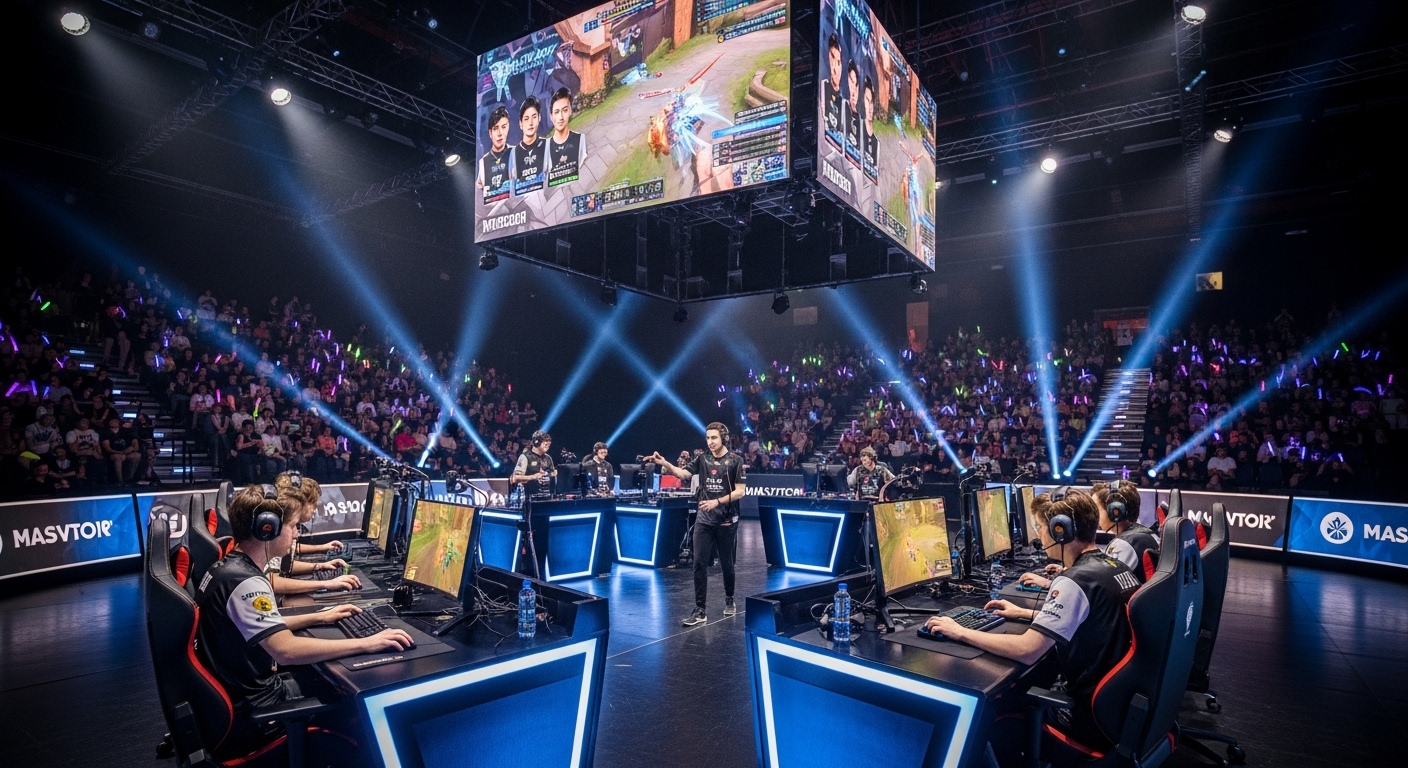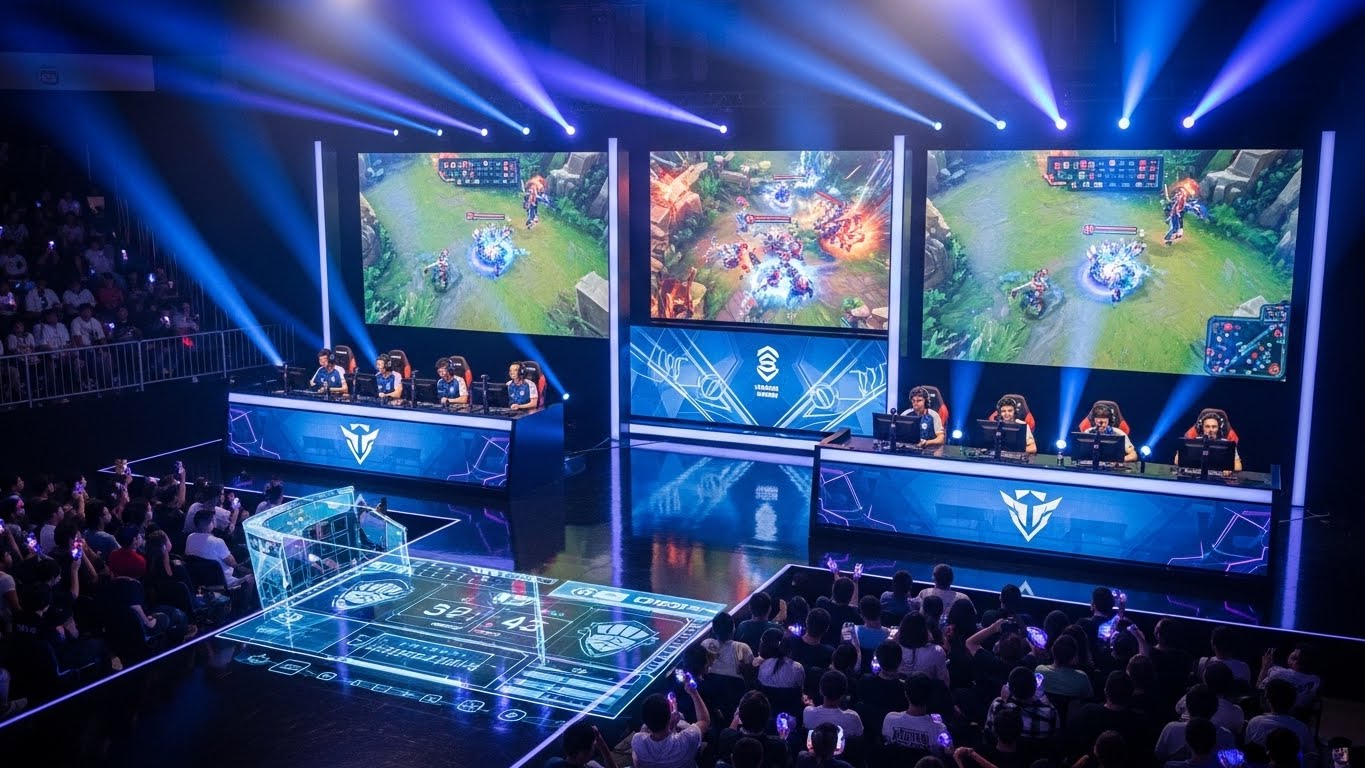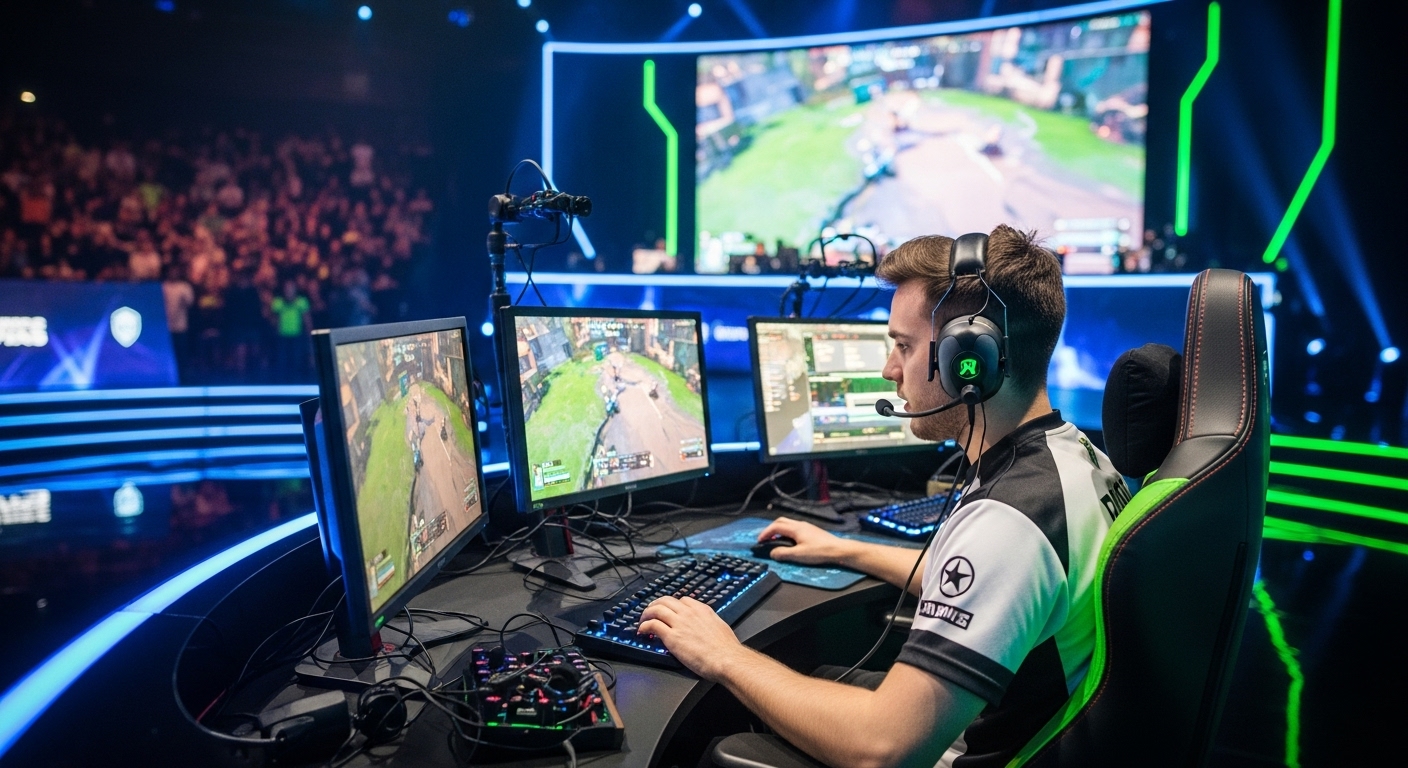
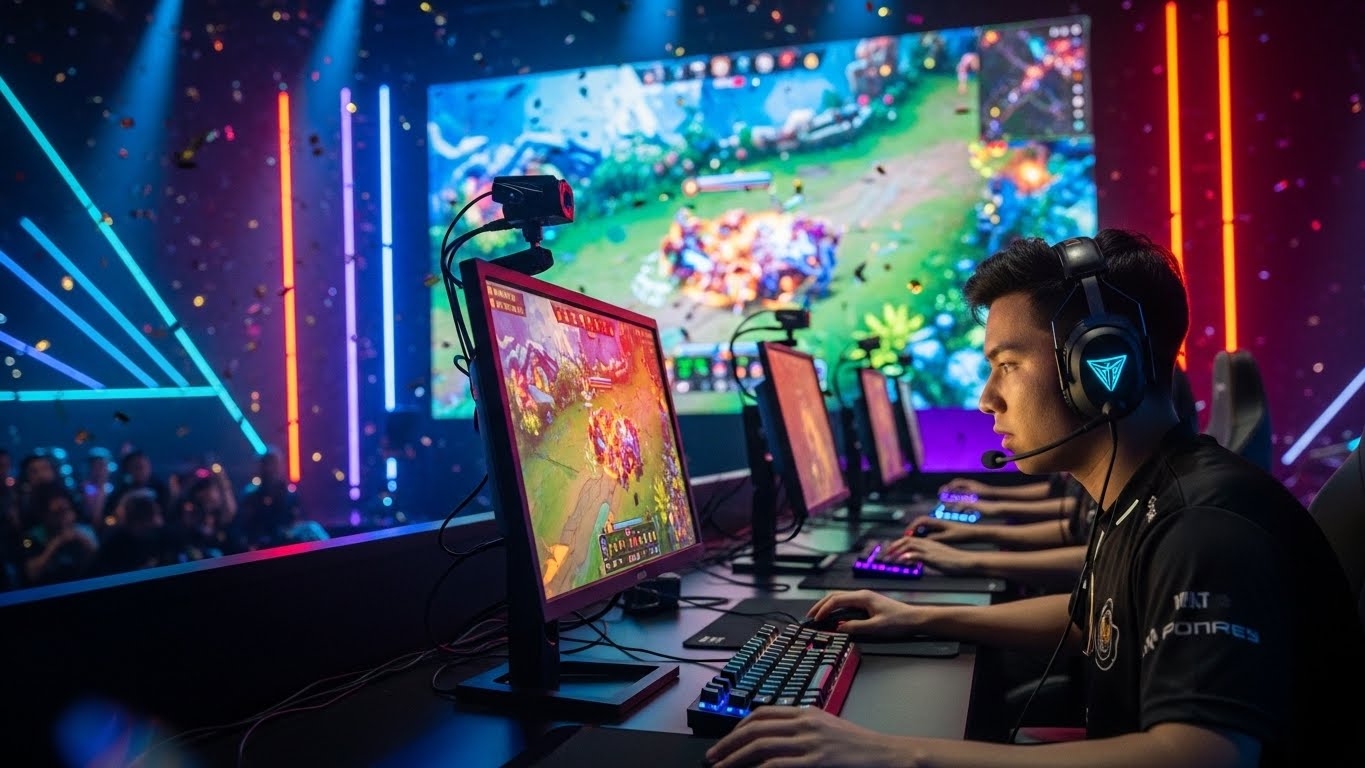
Esports has transformed the way people perceive competition, entertainment, and digital interaction. What once began as casual video game matches among friends has grown into a worldwide phenomenon, encompassing professional players, global tournaments, and millions of enthusiastic fans. Esports represents more than just gaming—it embodies skill, strategy, teamwork, and mental resilience. As technology continues to evolve, esports has become a new kind of sport, redefining athleticism, culture, and the concept of achievement in the 21st century.
The Early Days of Competitive Gaming
The origins of esports date back to the 1970s and 1980s, when video games first gained popularity in arcades and on early consoles. Players competed for high scores in games like Space Invaders, Pac-Man, and Donkey Kong. These competitions were often informal but sparked a competitive spirit among gamers. As personal computers and local area networks became more common in the 1990s, multiplayer games allowed players to challenge each other remotely. Titles such as StarCraft, Quake, and Counter-Strike laid the foundation for structured competition, paving the way for the esports industry we know today.
The Rise of Professional Esports
The transition from casual gaming to professional esports marked a pivotal moment. Players began dedicating themselves to rigorous training schedules, analyzing gameplay, and refining strategies. Professional teams emerged with coaching staff, analysts, and support personnel, creating an organized environment similar to traditional sports. Sponsorships, prize money, and endorsements allowed players to pursue esports as a full-time career. Leagues and tournaments became larger, more structured, and internationally recognized, turning esports into a legitimate industry with global influence.
Essential Skills for Esports Athletes
Esports requires a unique combination of cognitive, technical, and interpersonal skills. Quick reflexes and hand-eye coordination are crucial, but they must be complemented by strategic thinking and adaptability. In team-based games, communication, trust, and coordination are key to success. Individual games demand focus, discipline, and problem-solving under pressure. Mental resilience is equally important, as high-stakes competitions can be stressful and emotionally demanding. These skills illustrate that esports is not merely a recreational activity, but a highly skilled form of competition.
Mental Strength and Psychological Challenges
Competitive gaming is mentally taxing. Players face high-pressure environments, public scrutiny, and the constant demand to perform at their best. Emotional control, confidence, and focus are essential during long tournaments or high-stakes matches. To maintain well-being, many esports organizations now prioritize mental health support, offering counseling, structured routines, and stress management techniques. Recognizing the psychological aspects of esports underscores the fact that success requires more than technical ability—it demands emotional intelligence and resilience.
Esports as a Cultural Movement
Esports has grown into a powerful cultural force. Fans engage deeply with players, teams, and tournaments, forming communities that extend far beyond the games themselves. Online streaming, commentary, and fan content foster shared experiences and collective identity. Gaming culture influences fashion, language, music, and digital creativity. International tournaments inspire pride and rivalry, shaping narratives that unite fans across regions. This cultural dimension shows that esports is not only about competition—it is a way for communities to connect and express themselves.
The Role of Technology in Esports
Technology is the backbone of esports. High-performance hardware ensures smooth gameplay, while reliable internet connectivity enables fair competition. Streaming platforms allow audiences worldwide to experience tournaments in real time. Game developers play a vital role in maintaining balance and fairness, updating mechanics, and enhancing gameplay experiences. Emerging technologies such as virtual reality, augmented reality, and artificial intelligence promise to further revolutionize esports, creating immersive experiences and advanced training tools. Technology continues to drive the evolution and expansion of competitive gaming.
Economic Impact of Esports
The esports industry has become a significant economic force. Revenue comes from tournament prize pools, sponsorship deals, merchandise, media rights, and streaming platforms. Professional teams function as businesses, managing branding, marketing, and fan engagement. Large-scale events stimulate local economies, generating employment in event management, production, and technical support. The financial growth of esports highlights its legitimacy as a sustainable industry and reflects the increasing mainstream acceptance of competitive gaming as a career and form of entertainment.
Esports and Education
Esports has found a place within educational environments, highlighting its potential for skill development and personal growth. Students participating in esports programs learn teamwork, strategic thinking, leadership, and problem-solving. Schools and universities are establishing competitive teams and offering courses related to game design, digital media, and esports management. These programs provide students with transferable skills applicable to professional careers beyond gaming. By integrating esports into education, institutions acknowledge its value as a tool for both learning and engagement.
Health and Lifestyle Considerations in Esports
While esports is digitally based, maintaining physical and mental health is critical. Extended gaming sessions can lead to eye strain, repetitive stress injuries, and posture issues. Nutrition, exercise, and sleep significantly influence performance, focus, and endurance. Professional teams often incorporate fitness routines, ergonomic setups, and wellness programs to ensure long-term success. Balancing practice with recovery helps prevent burnout, emphasizing that esports athletes must prioritize holistic health alongside technical skill.
Global Competition and International Exchange
Esports has a global reach, connecting players and audiences across countries and cultures. International tournaments showcase diverse strategies and playstyles, allowing players to learn from different approaches. Competitors often represent their nations, fostering pride and cultural recognition. The global nature of esports facilitates cross-cultural exchange, promoting understanding and collaboration among diverse communities. This international dimension demonstrates that esports is not only a form of competition but also a platform for global connection and cultural dialogue.
Challenges Facing the Esports Ecosystem
Despite rapid growth, esports faces challenges that require careful management. Player burnout, fair competition, and career longevity are ongoing concerns. The industry must balance commercialization with ethical responsibility, ensuring player welfare and diversity. Online harassment and toxicity remain challenges for community management. Addressing these issues is critical for the credibility, sustainability, and long-term success of esports as both a professional field and a cultural movement.
The Future of Esports
The future of esports promises continued expansion, innovation, and mainstream integration. Advances in technology, including cloud gaming, AI-driven analytics, and immersive VR experiences, will redefine gameplay and audience interaction. Esports may increasingly intersect with traditional sports, education, and entertainment media, creating hybrid experiences that appeal to broader audiences. New generations of players and fans will shape esports culture, further diversifying and globalizing the ecosystem. As esports evolves, it will continue to influence how society perceives competition, community, and digital entertainment.
Conclusion: Esports as a Defining Force of Modern Competition
Esports represents a fundamental evolution in competition, combining technology, skill, and human ambition in ways that were once unimaginable. From grassroots beginnings to professional leagues, it has grown into a cultural, economic, and social phenomenon with global impact. Esports challenges traditional definitions of sport, emphasizing strategy, mental strength, and collaboration. Its influence extends beyond gameplay, shaping education, careers, and communities. As digital arenas continue to expand, esports stands as a defining feature of modern entertainment and competition, illustrating the transformative power of gaming in the 21st century.