Introduction: A New Era of Competition
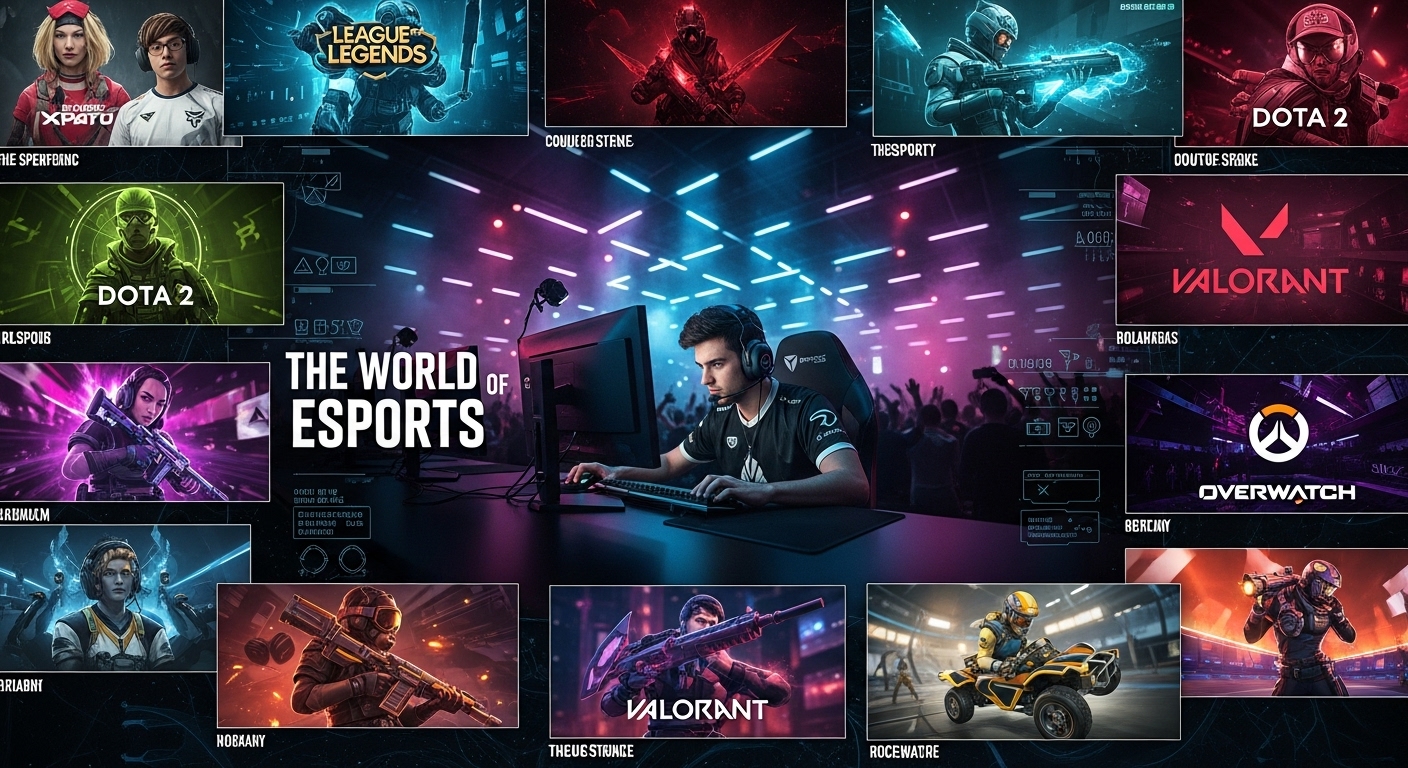
The world of competitive gaming has undergone a radical transformation in recent years. What was once a niche hobby for a small group of enthusiasts has now evolved into a global phenomenon known as esports. Esports, or electronic sports, refers to organized, competitive video gaming, often played at professional levels with substantial audiences and prize money. With tournaments filling stadiums, millions watching online streams, and companies investing heavily, esports has emerged as a legitimate and influential industry. This article delves into the evolution of esports, its impact on culture and economy, the challenges it faces, and the promising future that lies ahead.
The Origins of Esports
Esports did not appear overnight. Its origins date back to the 1980s and 1990s when arcade games and early home consoles began sparking competitive communities. High-score competitions were common, and small tournaments often offered prizes to top performers. Games like Pac-Man, Donkey Kong, and Street Fighter laid the foundation for competitive gaming culture. However, the real turning point came with multiplayer games that allowed players to compete directly against each other across computers and later, the internet. StarCraft in South Korea, for instance, became a national obsession, establishing esports as more than just a hobby—it was now a career and a spectacle.
The Rise of Online Multiplayer Gaming
The early 2000s marked a major expansion for esports with the popularity of online multiplayer games. Titles like Counter-Strike, Warcraft III, and League of Legends allowed gamers to compete globally. These games required not just individual skill but also teamwork, strategy, and communication, creating a more structured competitive environment. Online communities flourished, with players forming clans, participating in leagues, and sharing strategies. The internet made it possible for competitions to reach wider audiences, bridging geographical boundaries and creating a truly global competitive ecosystem.
The Impact of Streaming Platforms
One of the most significant factors driving esports’ popularity is the rise of live streaming platforms. Services that allow players to broadcast games in real time have transformed esports into a spectator sport. Fans can watch tournaments, follow favorite players, and engage with communities through chat and social interaction. Streaming platforms have also created new revenue streams for players, including subscriptions, donations, and sponsorships. The visibility and accessibility offered by these platforms have transformed gamers into influencers, allowing them to reach millions of fans and inspiring the next generation of professional players.
Professionalization of Esports
Esports today mirrors traditional sports in many ways. Professional teams have coaches, analysts, and support staff, and players often dedicate extensive hours to training. Many teams operate like professional sports franchises, complete with structured contracts, salaries, and benefits. The professionalization of esports has also led to formal leagues and tournaments with standardized rules and regulations. This structure has elevated the level of play, turning esports into a viable career path for talented players and creating opportunities in related fields, such as broadcasting, game design, event management, and marketing.
Economic Impact of Esports
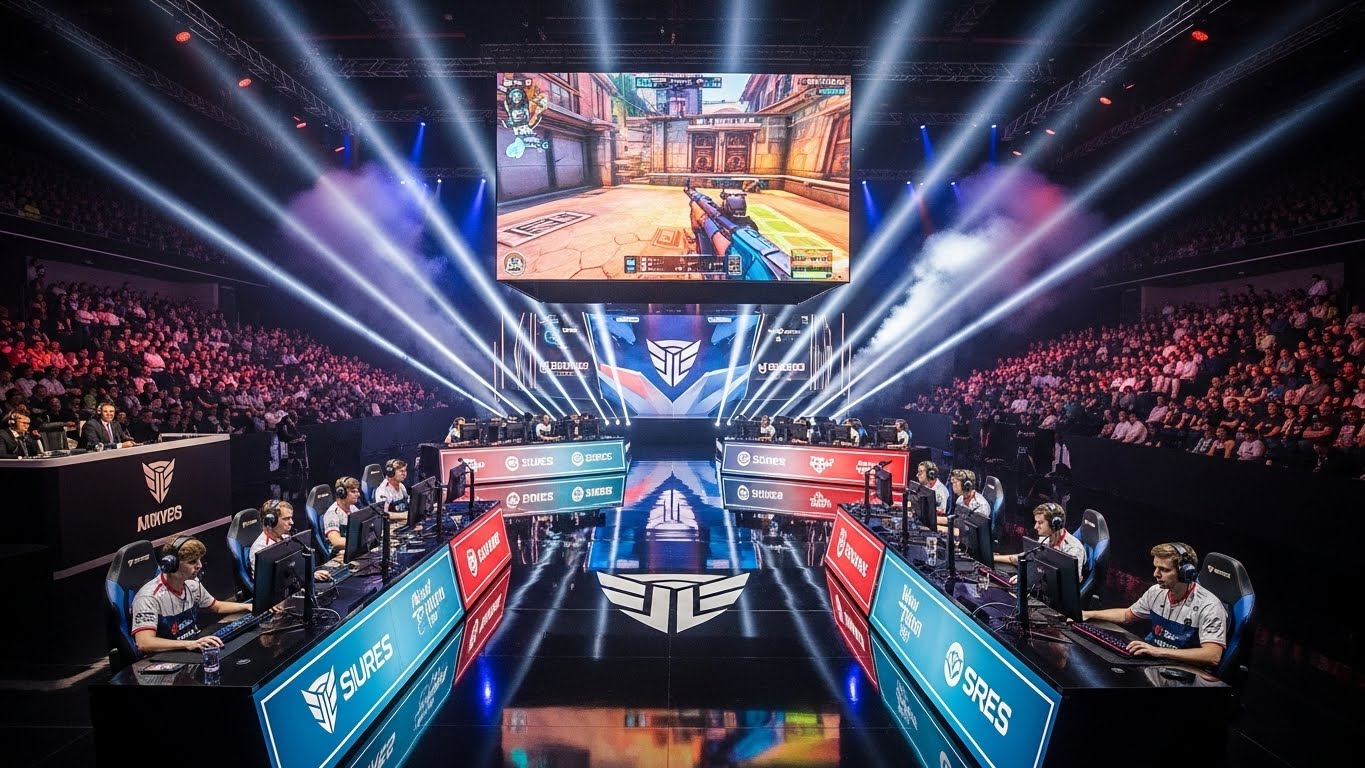
The financial footprint of esports is enormous and continues to grow rapidly. Revenue comes from multiple sources, including tournament prize pools, sponsorships, merchandise, advertising, and media rights. Major tournaments now feature prize pools that reach millions of dollars, attracting global attention. Corporate sponsorships have become a cornerstone of the industry, with technology companies, beverage brands, and lifestyle products investing heavily in teams and events. Beyond direct revenue, esports contributes to tourism and local economies as fans travel to attend live events. Analysts predict that the industry will continue to expand, solidifying esports as a significant segment of the global entertainment market.
Cultural Significance and Global Reach
Esports has a profound cultural impact that extends far beyond gaming itself. Professional players have become cultural icons, influencing fashion, music, and social trends. Esports tournaments are broadcast worldwide, creating shared experiences that transcend national borders. Unlike many traditional sports, esports is accessible to people of all ages, genders, and backgrounds, promoting inclusivity and diversity. The rise of esports has fostered communities and friendships across continents, enabling cultural exchange through a shared passion for gaming.
Challenges Facing the Esports Industry
Despite its rapid growth, esports faces a range of challenges. Mental and physical health is a significant concern, as intense training schedules can lead to burnout, stress, and repetitive strain injuries. There is also a lack of standardized regulations across leagues and countries, which can lead to inconsistencies in player treatment and career longevity. Dependence on sponsorship revenue makes the industry vulnerable to economic fluctuations. Gender disparity and online toxicity remain pressing issues, highlighting the need for inclusivity and safer gaming environments. Addressing these challenges is essential for ensuring sustainable growth and professional integrity in esports.
Technological Innovations and Future Prospects
The future of esports is closely tied to technological advancements. Virtual reality, augmented reality, and artificial intelligence are poised to create more immersive and interactive gaming experiences. Traditional sports franchises are increasingly investing in esports teams, recognizing the potential to engage younger, tech-savvy audiences. Educational institutions are introducing esports programs and scholarships, further legitimizing the industry and creating pathways for aspiring professionals. As technology evolves, esports may redefine what it means to compete and spectate, blending entertainment, skill, and innovation in unprecedented ways.
Esports as a Social Phenomenon
Esports is more than just games; it is a social phenomenon. Streaming platforms and social media allow fans to interact with players, form online communities, and share experiences globally. Online tournaments and live events bring together people from diverse backgrounds, creating a sense of belonging and camaraderie. Esports has also influenced pop culture, inspiring movies, documentaries, and music collaborations. The industry’s social impact demonstrates that gaming is no longer a solitary activity—it is a communal, cultural, and professional force that shapes modern life.
Conclusion: Esports in the Modern World
Esports has emerged as a defining element of contemporary entertainment and digital culture. From its humble beginnings in arcades to global tournaments and professional leagues, esports reflects the intersection of technology, creativity, and human skill. It has created careers, generated billions in revenue, and built communities that span the globe. While challenges remain, the future of esports is bright, with technological innovation, increased professionalization, and cultural integration promising continued growth. Competitive gaming has transcended its origins, proving that esports is not just a pastime—it is a legitimate, dynamic, and influential industry shaping the world of entertainment today.