Introduction: The Rise of Competitive Gaming
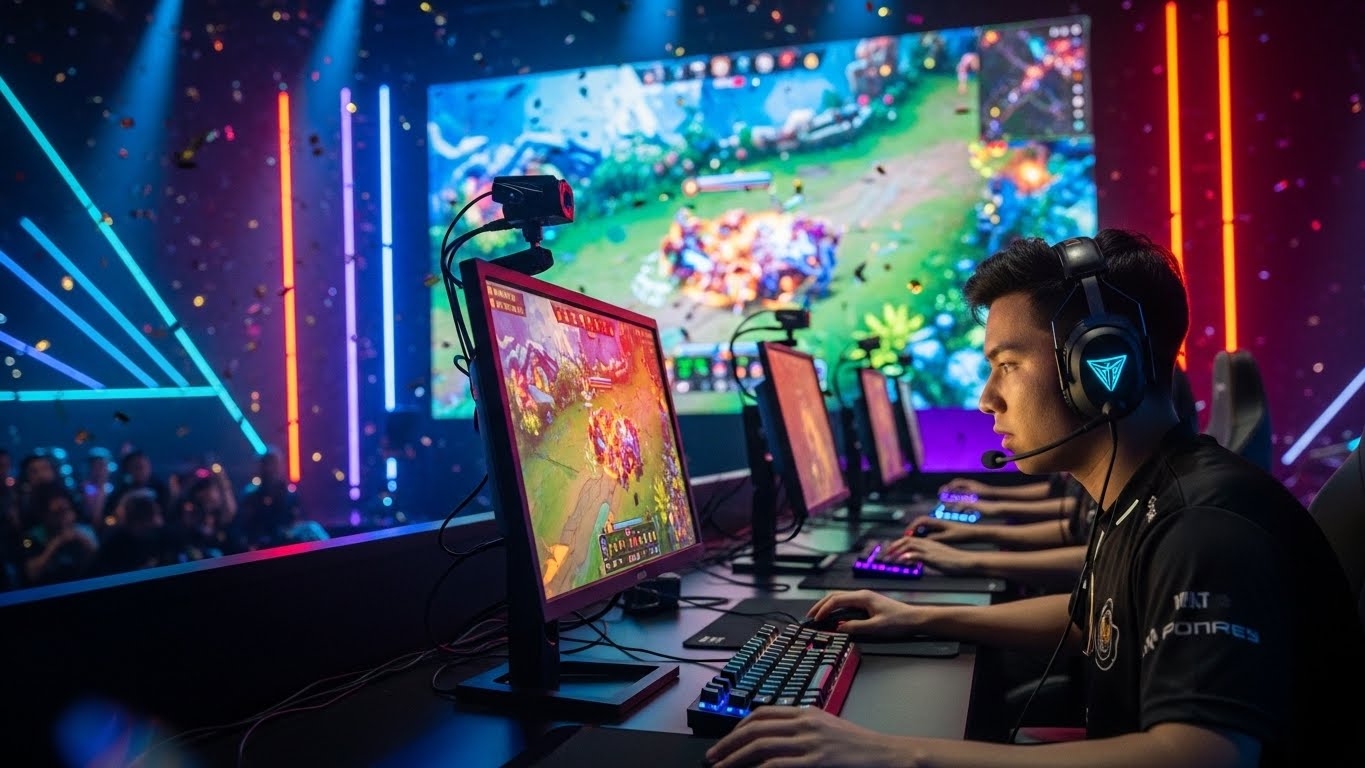
Esports, or electronic sports, has rapidly evolved from a niche hobby into a global industry. Once seen as casual gaming among friends, it now features professional leagues, international tournaments, and millions of fans worldwide. The growth of esports reflects how digital technology is redefining competition, entertainment, and career opportunities.
The Evolution of Esports
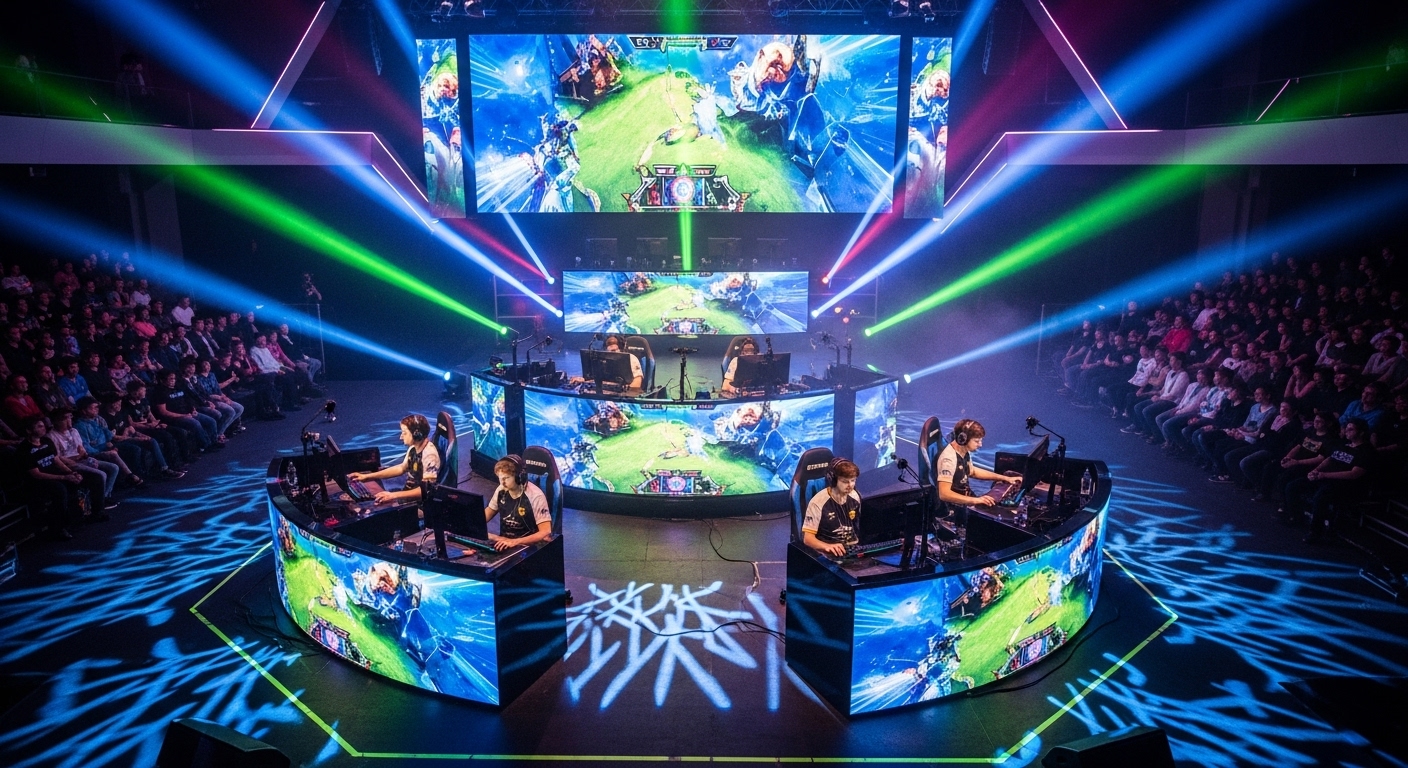
The journey of esports began in the 1980s and 1990s with arcade competitions and early multiplayer games. Titles like StarCraft, Counter-Strike, and Street Fighter laid the foundation for organized gaming competitions. With the advent of online gaming and streaming platforms, tournaments quickly expanded beyond local arenas, allowing players from different continents to compete in real time. Today, esports events draw massive audiences and rival traditional sports in both scale and excitement.
The Professional Landscape
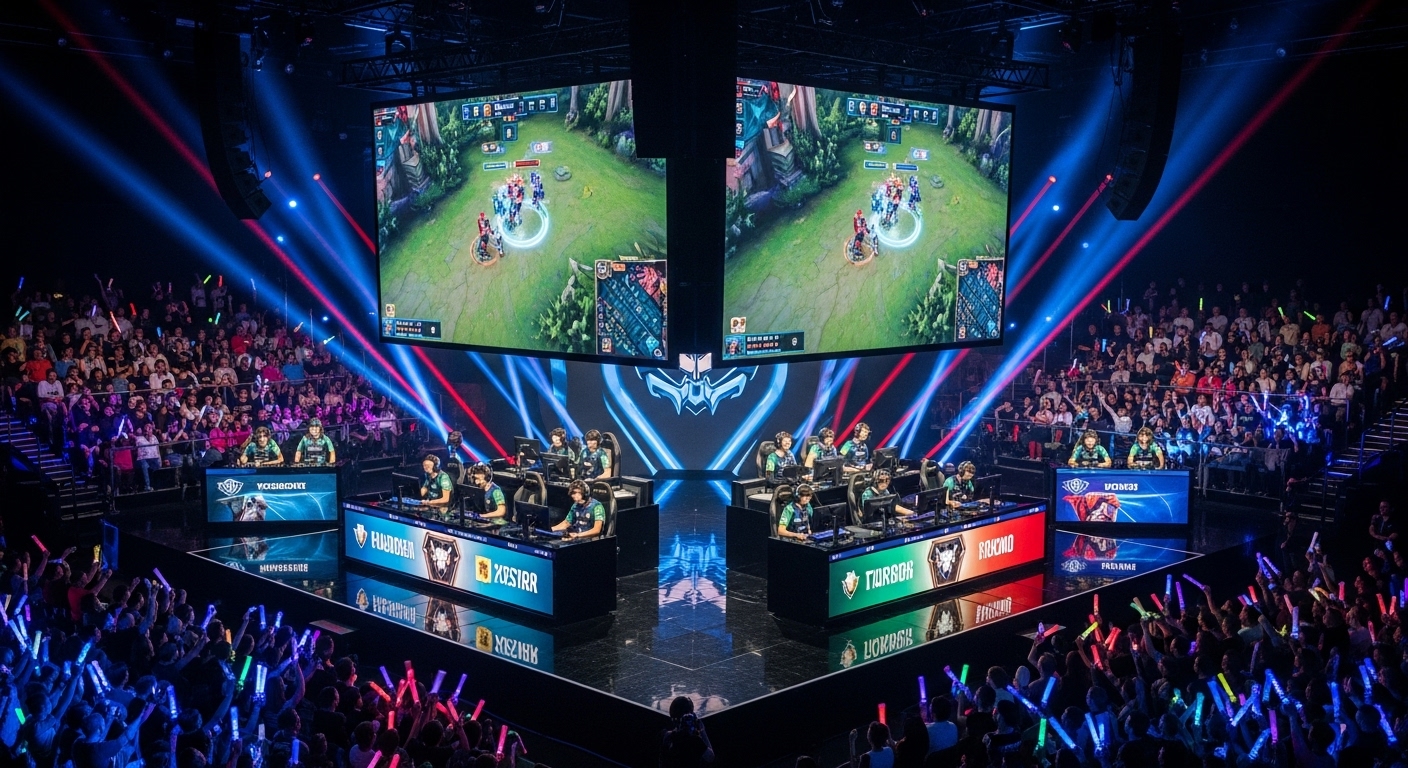
Esports is now a highly structured and professional industry. Teams hire coaches, analysts, and support staff to ensure peak performance. Players dedicate hours each day to practice, strategy, and team coordination. Prestigious tournaments such as the League of Legends World Championship and Dota 2’s The International attract millions of viewers globally and offer prize pools in the millions. The dedication and skill required rival that of traditional athletes, demonstrating the legitimacy of esports as a serious competitive pursuit.
Economic Impact of Esports
The financial growth of esports has been extraordinary. Revenue streams include tournament prizes, sponsorships, merchandise, and media deals. Global brands now invest heavily in esports to connect with engaged audiences, creating job opportunities not just for players, but also for content creators, event organizers, and marketing professionals. The industry’s economic influence continues to expand, making it a significant force in entertainment and business.
Cultural Influence and Community
Esports has cultivated a global community united by shared passion and enthusiasm. Fans engage with players and teams through live streaming and social media, creating interactive experiences that blur the lines between spectator and participant. Esports also promotes inclusivity, offering opportunities for players of all genders, backgrounds, and abilities to compete at the highest level. This cultural impact extends beyond the games themselves, shaping modern entertainment and digital culture.
Challenges Facing Esports
Despite its growth, esports faces several challenges. Player burnout and mental health concerns are prevalent due to long practice hours and high-pressure environments. Additionally, lack of standardized regulations and the fast pace of technological change present ongoing hurdles. Addressing these challenges is essential for the sustainable growth and continued credibility of the industry.
Conclusion: The Future of Esports
Esports is more than just gaming; it represents a new era of competitive entertainment. From humble beginnings in local arcades to international stadiums filled with cheering fans, esports has proven its ability to inspire, entertain, and unite people across the globe. As technology and audience engagement continue to advance, esports is poised to play an even more influential role in the future of sports, culture, and digital interaction.