Introduction to Esports
In the modern world, the term “Esports” has evolved from a niche concept to a global phenomenon that has redefined the idea of competition, entertainment, and community. Esports, short for “electronic sports,” refers to organized competitive video gaming where individuals or teams face off in different genres of games such as strategy, shooting, fighting, sports simulations, and multiplayer online battle arenas. What began as casual gaming tournaments in local arcades or college dorms has now transformed into a billion-dollar industry with professional players, global tournaments, sponsorships, and millions of dedicated fans.
This revolution in competitive gaming represents more than just entertainment; it signifies the merging of technology, creativity, and human ambition. Esports has built a new form of athleticism where reflexes, strategy, teamwork, and digital skill define victory, much like physical prowess does in traditional sports. The journey from a hobby to a professional discipline is both fascinating and inspiring, offering a glimpse into how society’s perception of gaming has dramatically changed over the last few decades.
The Early Beginnings of Esports
The roots of Esports can be traced back to the late 1970s and early 1980s, a time when video games themselves were still in their infancy. The first recorded gaming competition took place in 1972 at Stanford University, where students competed in a game called “Spacewar.” The prize was merely a year’s subscription to a magazine, but it marked the birth of organized video game competition.
As technology advanced through the 1980s, games like “Pac-Man,” “Donkey Kong,” and “Space Invaders” became household names. Arcades were filled with players striving for the highest scores, and local tournaments began to appear. In 1980, Atari organized the Space Invaders Championship, which attracted over ten thousand participants, one of the earliest large-scale gaming competitions in history.
The 1990s brought significant changes. The rise of personal computers and home gaming consoles like the Super Nintendo, Sega Genesis, and PlayStation allowed gamers to compete from the comfort of their homes. Titles such as “Street Fighter II” and “Mortal Kombat” inspired head-to-head battles that mirrored traditional sporting rivalries. This decade also introduced the internet to gaming, paving the way for online multiplayer experiences that would soon revolutionize competition.
The Internet Age and the Rise of Global Esports
With the spread of the internet in the late 1990s and early 2000s, Esports took on a new identity. Games such as “StarCraft,” “Counter-Strike,” and “Warcraft III” allowed players from different parts of the world to compete in real time. South Korea quickly emerged as a global Esports powerhouse, with “StarCraft” becoming almost a national sport. Television channels in Korea began broadcasting matches, and professional gaming leagues were formed.
During this era, gaming clans and online communities started to organize structured competitions. Platforms like Battle.net, Xbox Live, and Steam enabled matchmaking and leaderboards, turning casual players into potential professionals. International tournaments such as the World Cyber Games and the Electronic Sports World Cup became prestigious events that united players under one digital stage.
The 2000s also saw the introduction of dedicated gaming arenas and the emergence of professional Esports organizations. Players began to receive salaries, and sponsorships from major brands started pouring in. The competitive gaming scene was no longer just about fun—it was becoming a career path for many.
The Mainstream Boom of Esports
By the 2010s, Esports had officially entered the mainstream. High-speed internet, streaming platforms, and the explosion of social media allowed fans to watch their favorite players and teams live. Platforms like Twitch and YouTube Gaming revolutionized viewership by providing free access to live broadcasts and highlights.
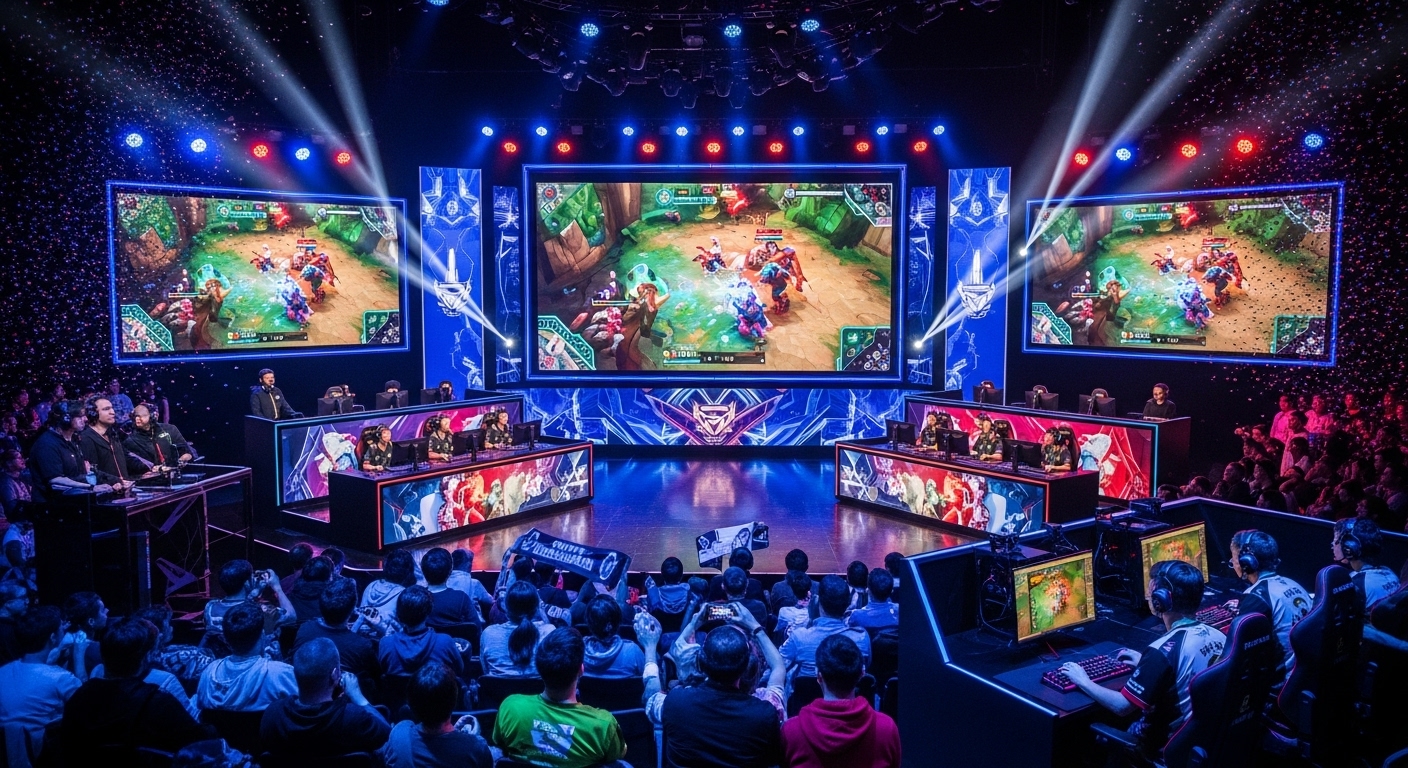
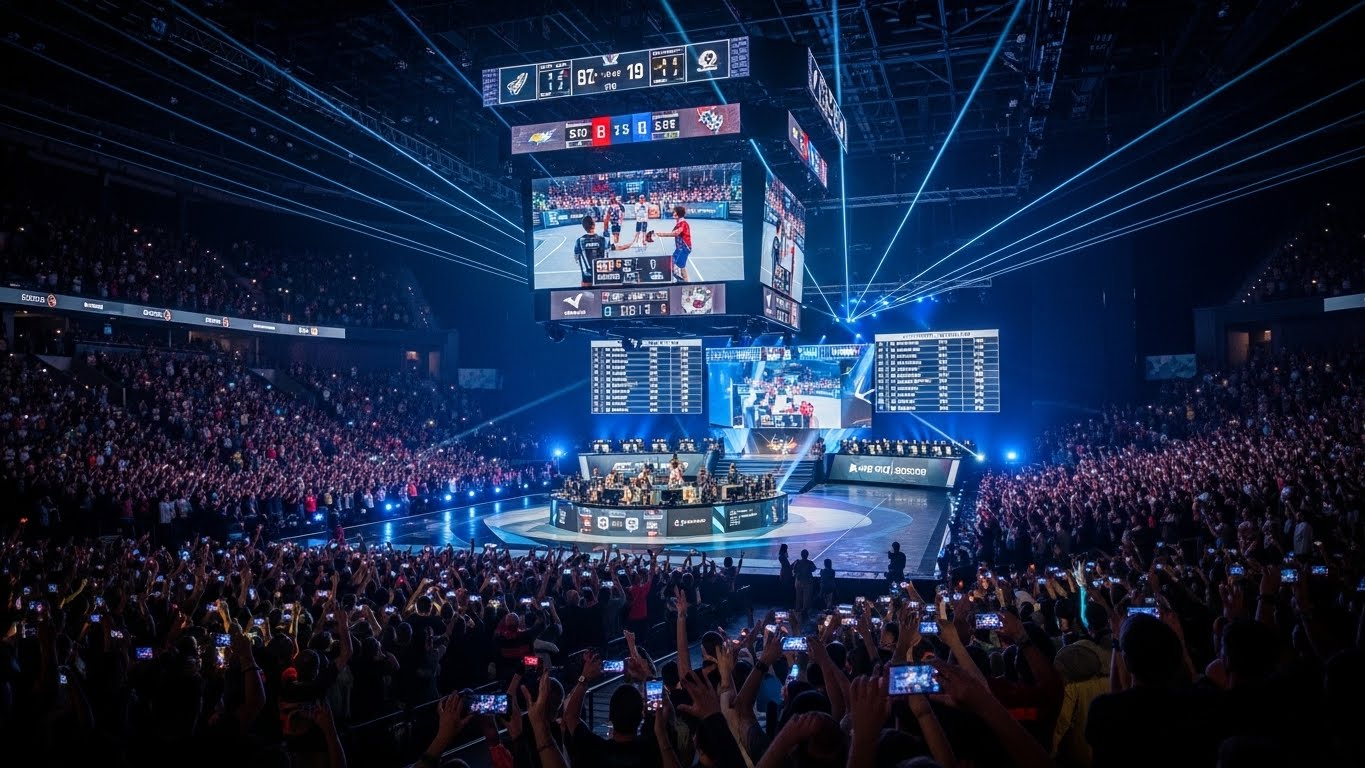
Games like “League of Legends,” “Dota 2,” “Counter-Strike: Global Offensive,” and “Overwatch” became the pillars of modern Esports. International tournaments such as “The International” (for Dota 2) offered multimillion-dollar prize pools, often funded through community contributions. “League of Legends” World Championship finals began filling entire stadiums with cheering fans, and millions more watched online.
The media began to take Esports seriously, recognizing it as a legitimate industry rather than a subculture. ESPN, BBC, and other global sports networks started broadcasting Esports events. Universities began offering Esports scholarships, and academic programs related to gaming management, design, and broadcasting emerged.
The Business of Esports
Esports is no longer just a hobby—it is a business ecosystem worth billions of dollars. It includes teams, event organizers, broadcasters, sponsors, merchandise, and gaming hardware companies. Major corporations from various industries, including technology, energy drinks, and apparel, have partnered with Esports teams for marketing exposure.
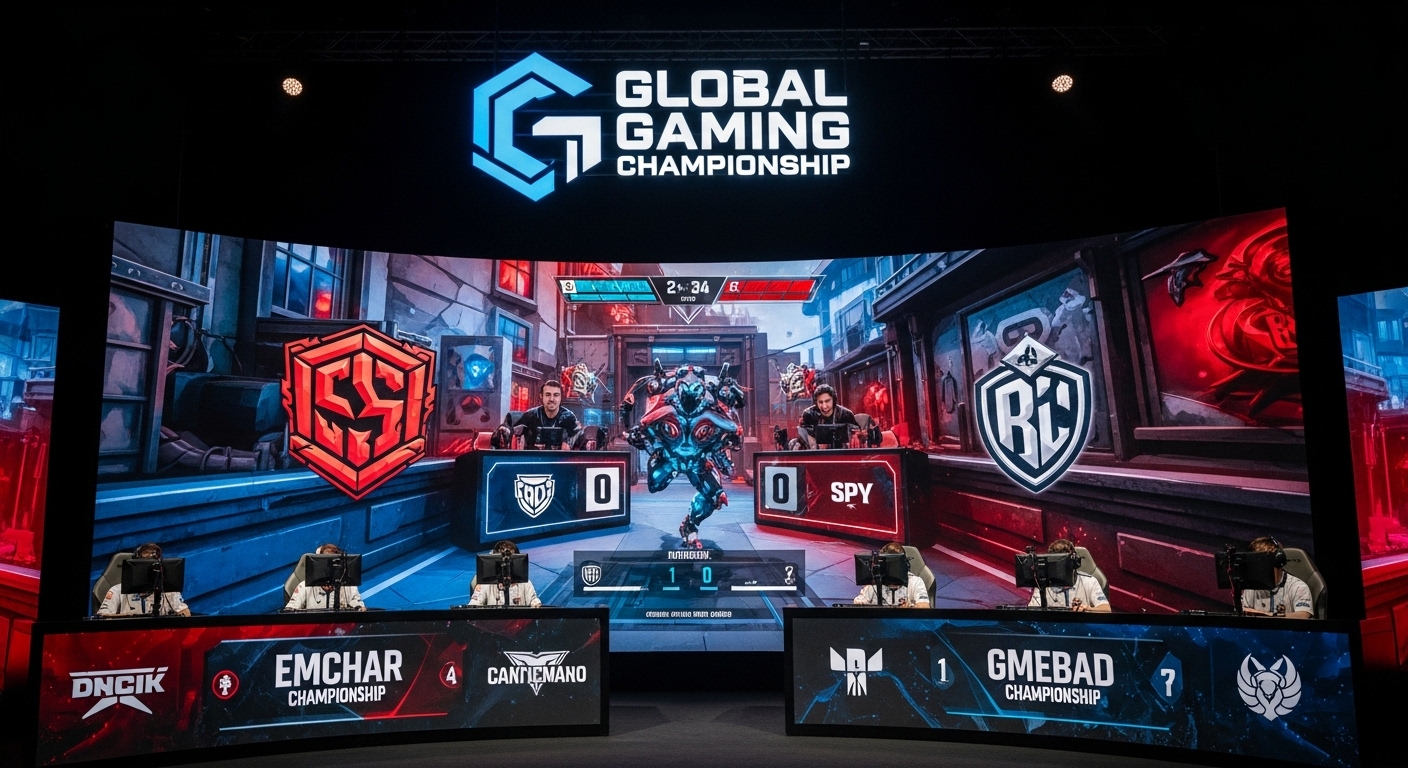
The business model of Esports is multifaceted. Revenue comes from sponsorships, advertising, media rights, ticket sales, and in-game purchases. Tournament organizers invest heavily in production quality to create events comparable to major sports leagues. Esports teams also build brands around their players, who often become influencers with millions of followers on social media.
Prize pools in Esports have reached staggering amounts. The Dota 2 International 2019 had a prize pool exceeding 30 million dollars, with the winning team taking home millions. Professional players sign contracts, have managers, and undergo training regimens similar to traditional athletes. The growth of Esports also stimulates the development of gaming technology—better graphics, faster hardware, and improved connectivity—all contributing to a more immersive experience.
Popular Games that Shaped Esports History
The diversity of Esports games has allowed different genres to thrive, appealing to a wide range of audiences. Some of the most influential titles include:
- Counter-Strike: Global Offensive (CS:GO): Known for its tactical gameplay and teamwork, CS:GO remains one of the most iconic first-person shooters in Esports history.
- League of Legends: This multiplayer online battle arena (MOBA) game defined the structure of modern Esports tournaments, emphasizing strategy, coordination, and endurance.
- Dota 2: A complex strategy game that continues to host some of the largest tournaments in the world with massive prize pools.
- Overwatch: Blizzard’s team-based shooter introduced a colorful, hero-driven approach that brought new life to competitive gaming.
- Fortnite: Combining battle royale mechanics with creativity, Fortnite drew millions of players and introduced Esports to a younger audience.
- Call of Duty: The Call of Duty League has established itself as one of the major competitive circuits, particularly in North America.
These games have not only created champions but also built communities, fanbases, and even regional rivalries, much like traditional sports teams do.
The Role of Streaming and Media in Esports Growth
Streaming has been the backbone of Esports growth. Before platforms like Twitch existed, access to tournaments was limited to live events or recorded clips. Streaming made it possible for anyone, anywhere, to watch their favorite games and players live. This accessibility fueled the creation of massive online audiences.
Streamers and professional players have become digital celebrities, influencing millions of fans. They interact directly with audiences, provide commentary, and build personal brands. This human connection between players and fans has given Esports an emotional depth that transcends the game itself.
Media coverage, documentaries, and even traditional news outlets have started to feature Esports stories. This mainstream recognition has helped break stereotypes about gamers and established Esports as a respectable profession.
Esports as a Career Path
A few decades ago, becoming a professional gamer was considered unrealistic. Today, it is a legitimate and lucrative career path. Professional players earn salaries, sponsorships, and tournament winnings. Coaches, analysts, and managers support teams in strategy and performance, while commentators and broadcasters bring the action to global audiences.
Moreover, careers in Esports extend beyond players. Event management, marketing, content creation, and software development are integral parts of the industry. Universities around the world are offering specialized courses in Esports management and gaming studies.
This professionalization has created job stability and legitimacy. However, it also comes with challenges such as burnout, mental health struggles, and short career spans. As the industry matures, more emphasis is being placed on player welfare, health, and career development.
Cultural Impact of Esports
Esports has changed the cultural landscape of entertainment. It has created global icons, fostered international friendships, and built communities that transcend borders. The digital age has enabled young people from every corner of the world to connect through games, compete, and share their love for gaming.
In many ways, Esports reflects the spirit of modern youth culture—fast, connected, and innovative. It promotes problem-solving, teamwork, and digital literacy. Events such as the League of Legends World Championship or Fortnite World Cup have become cultural spectacles that draw millions of viewers, similar to the Super Bowl or the FIFA World Cup.
Moreover, Esports has influenced music, fashion, and even film. Collaborations between gaming companies and global artists have created crossover appeal. The colorful, futuristic aesthetic of Esports has inspired trends in streetwear and pop culture, blending digital identity with real-world expression.
The Challenges Facing Esports
Despite its massive success, Esports faces several challenges. One of the biggest concerns is the sustainability of the ecosystem. Prize money distribution, fair player contracts, and financial transparency remain ongoing debates. Some organizations struggle with profitability despite high viewership numbers.
Another issue is inclusivity. While Esports is open to everyone, female representation and diversity remain limited. Efforts are being made to create safer and more inclusive environments where players of all backgrounds can thrive.
Health and burnout are also significant challenges. Professional gamers often practice for long hours, leading to physical strain and mental exhaustion. Teams and organizations are now implementing wellness programs to ensure players maintain balance in their professional lives.
Lastly, the industry must continue to combat issues such as cheating, match-fixing, and online toxicity. Maintaining integrity is crucial for Esports to be taken seriously on the global stage.
The Future of Esports
The future of Esports is bright and boundless. With the rapid advancement of technology, virtual reality, augmented reality, and artificial intelligence will reshape how games are played and experienced. Esports could soon be integrated into metaverse environments, offering fans immersive viewing experiences where they can interact with matches in real time.
Global institutions and governments are beginning to recognize Esports as an official sport. Discussions about including Esports in international events such as the Olympics continue, reflecting the growing legitimacy of the industry.
Furthermore, Esports will continue to drive innovation in education and business. Schools may use gaming as a tool for learning teamwork and critical thinking. Companies will adopt gaming principles to enhance productivity and engagement.
The evolution of Esports shows that competition is no longer confined to physical arenas. It exists in virtual worlds where strategy, intelligence, and reflex define champions.
Conclusion
Esports stands at the intersection of technology, creativity, and human ambition. What began as a casual pastime has transformed into a cultural and economic powerhouse that captures the imagination of millions around the world. It has created a new kind of athlete, a new form of entertainment, and a new way of connecting people globally.
As Esports continues to grow, it challenges old definitions of sport, reshapes entertainment industries, and inspires a new generation to pursue their passions in digital spaces. The future belongs to those who embrace innovation, and Esports is the perfect example of how digital evolution can create something extraordinary out of play.
The story of Esports is not just about games—it is about human potential, community, and the limitless possibilities of the digital age. It reminds us that competition, whether on a field or behind a screen, continues to bring out the best in people and unite them in the spirit of passion and performance.