
Introduction: From Hobby to Global Phenomenon
Esports, or electronic sports, has transformed from a casual gaming pastime into a worldwide professional phenomenon. What once began as friendly competition among gamers in arcades and living rooms has now evolved into a highly organized and profitable industry. Today, millions of players compete in online and offline tournaments, and millions more watch these events through live streaming platforms. The combination of technology, competitive spirit, and global connectivity has propelled esports into mainstream culture, making it one of the most influential entertainment sectors of the 21st century.
Unlike traditional sports, esports thrives in a digital environment, leveraging online platforms to connect players and fans across continents. Its rise is not only a story about gaming but also about the evolution of entertainment, media, and culture in the digital era. This blog explores the origins, cultural impact, economic significance, technological role, challenges, and future of esports, offering a complete perspective on why it is more than just a game.
The Origins of Competitive Gaming
Competitive gaming has a long history that dates back to the early days of video games. In the 1970s and 1980s, arcade competitions and high-score challenges became popular. Titles such as Space Invaders and Pac-Man were among the first to host competitive events, where players vied for local recognition and small prizes.
The 1990s brought a significant shift as online multiplayer games emerged, connecting players beyond their immediate surroundings. Games like Quake and StarCraft introduced strategic gameplay and teamwork, laying the foundation for professional esports. South Korea played a pivotal role during this era, creating structured competitive leagues and broadcasting tournaments on television. This marked the beginning of a culture where gaming was taken seriously as a competitive activity.
The Transformation into a Professional Industry
The 2000s saw esports evolve from a niche hobby into a global professional industry. Online streaming technology allowed fans to watch tournaments in real-time, fostering global communities around popular games. Titles like League of Legends, Dota 2, and Counter-Strike became cornerstones of competitive gaming, each developing unique professional leagues and international competitions.
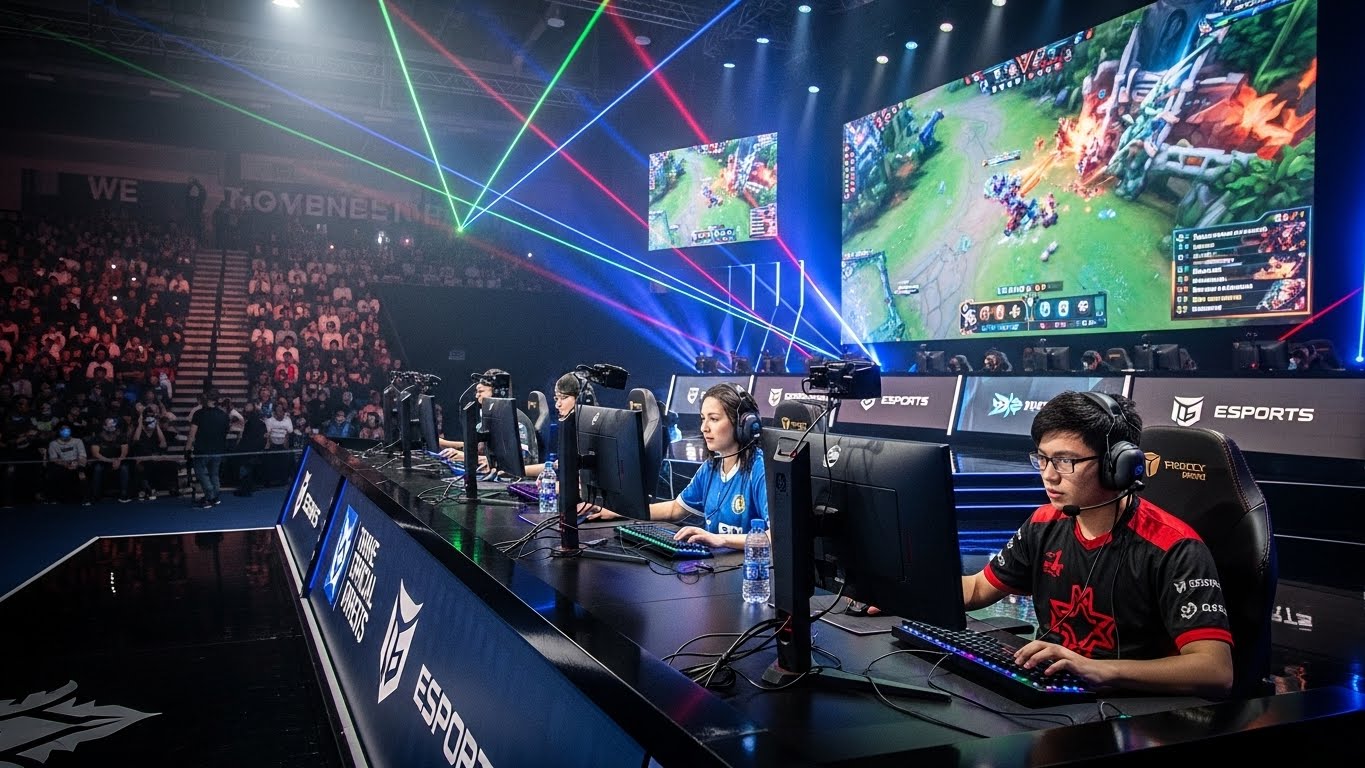
Sponsorships and media coverage further accelerated growth. Brands recognized esports as a powerful marketing tool, reaching young, tech-savvy audiences. Major tournaments began to fill arenas with thousands of spectators while millions more tuned in online. Prize pools grew exponentially, offering players the opportunity to earn substantial incomes. This professionalization transformed gaming into a viable career path, attracting talented players worldwide.
The Cultural Influence of Esports
Esports has had a profound cultural impact, reshaping perceptions of what it means to be an athlete. Unlike traditional sports that emphasize physical ability, esports highlights mental agility, strategy, quick reflexes, and teamwork. Professional players are celebrated for their strategic thinking and precision under pressure, proving that athleticism extends beyond the physical realm.
Moreover, esports fosters global connectivity. Players and fans from different countries can participate, compete, and celebrate together, creating inclusive communities that transcend cultural and geographic boundaries. The rise of esports has also influenced entertainment, fashion, and media, with tournaments featuring music performances, celebrity appearances, and branded merchandise. Video games and esports now intersect with mainstream culture in ways that were unimaginable two decades ago.
Economic Significance of Esports
The economic growth of esports is remarkable. Revenue comes from multiple streams, including tournament prize money, sponsorships, advertising, merchandise sales, and content creation. Major tournaments now offer multi-million-dollar prize pools, attracting top talent from around the world. Sponsorships from technology companies, lifestyle brands, and apparel lines have created a robust financial ecosystem supporting teams and individual players.
Streaming platforms like Twitch and YouTube Gaming are central to this economy. Players and content creators generate income through subscriptions, donations, and advertising, creating careers in gaming that were once considered impossible. Beyond individual earnings, esports events drive economic activity in tourism, hospitality, and technology sectors. Cities hosting major tournaments benefit from increased foot traffic, hotel bookings, and media exposure, further highlighting esports’ economic importance.
The Role of Technology in Esports
Technology is at the heart of esports, enabling global competition and immersive experiences. High-speed internet, powerful gaming hardware, and sophisticated software platforms allow real-time multiplayer gaming across continents. Streaming technology enables fans to watch live tournaments with minimal delay while interacting with players and communities online.
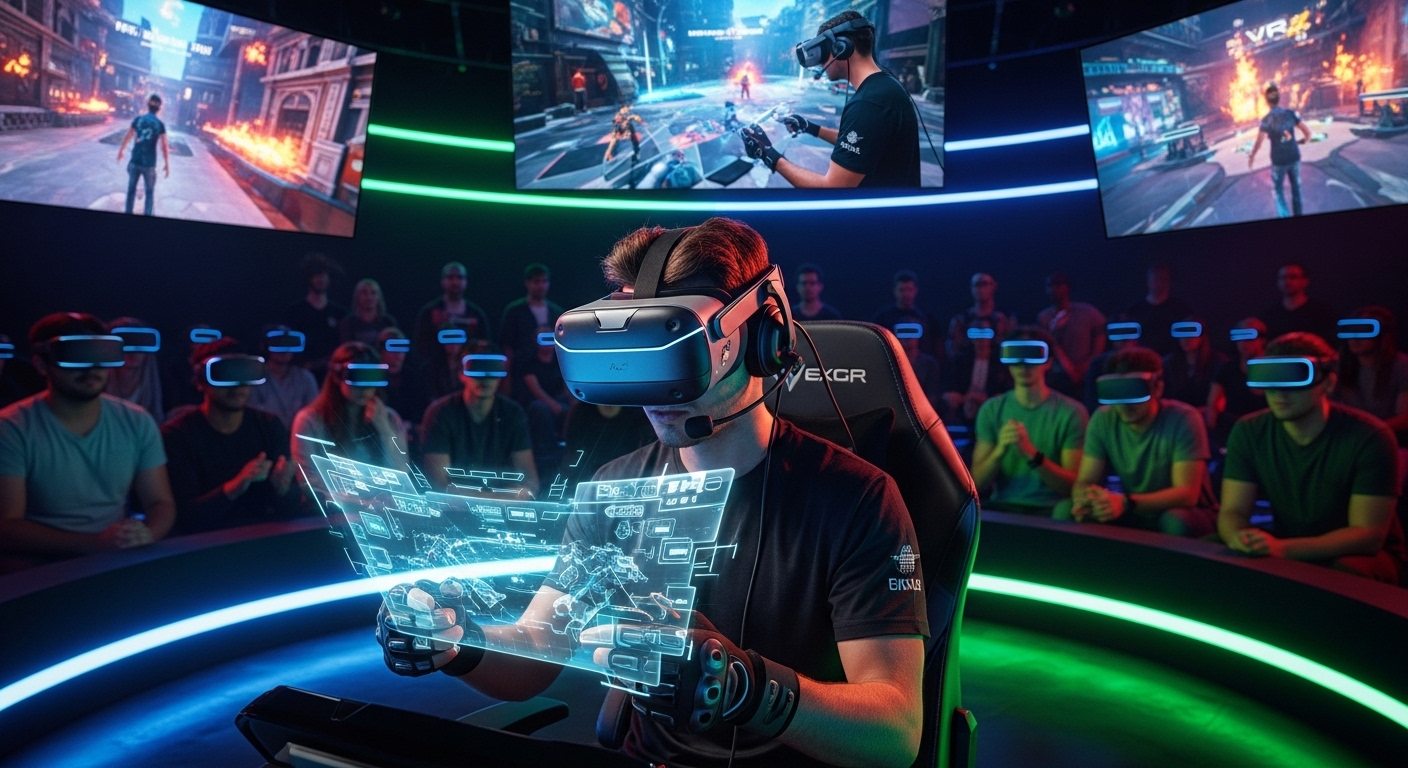
Emerging technologies such as virtual reality, augmented reality, and artificial intelligence are set to revolutionize esports further. Virtual and augmented reality could create immersive experiences for both players and spectators, while AI can assist in gameplay analysis and strategy development. The integration of these technologies ensures that esports is not only a competition but also an innovative form of interactive entertainment.
Challenges Facing the Esports Industry
Despite its rapid growth, esports faces several challenges. Player burnout is a significant concern, as professional gaming requires intense practice, focus, and long hours. The mental and physical strain can lead to stress, fatigue, and health issues. Maintaining a balanced lifestyle is crucial for long-term success in the industry.
Regulation and standardization also remain challenges. Unlike traditional sports, esports lacks a central governing body, making it difficult to enforce uniform rules, contracts, and ethical standards. Issues such as cheating, performance-enhancing software, and intellectual property disputes occasionally affect the credibility of competitions.
Monetization disparities present another obstacle. While top-tier players earn substantial income, many aspiring professionals struggle financially, highlighting a gap within the ecosystem. Addressing these challenges is essential for sustaining esports as a legitimate and healthy industry.
The Global Expansion of Esports
Esports has expanded globally, attracting audiences and talent from virtually every continent. North America, Europe, and Asia remain the largest markets, but regions like Latin America and Africa are experiencing rapid growth. Increased internet access, mobile gaming, and affordable gaming hardware have made esports more accessible worldwide.
Global tournaments have become cultural spectacles, bringing together diverse communities and promoting cross-cultural collaboration. Professional teams now include players from multiple countries, showcasing international talent and broadening the appeal of esports. The global nature of esports ensures that it will continue to grow in both influence and scale in the coming years.
The Future of Esports
The future of esports looks promising and full of innovation. Advancements in technology will make competitions more immersive and interactive, enhancing the spectator experience. Virtual arenas and AI-driven performance analysis will elevate gameplay and strategy to unprecedented levels.
Esports is also likely to integrate further with traditional sports and mainstream entertainment. Collaborations between esports leagues, professional sports organizations, and media networks could expand audience reach and create hybrid forms of competition and entertainment. Educational institutions may increasingly offer esports programs, teaching digital literacy, teamwork, and strategic thinking while preparing students for careers in the industry.
The continued globalization of esports promises new markets, talent development, and cultural exchange. As esports grows, it will solidify its position as a defining feature of modern entertainment and sports culture.
Conclusion: Esports as a Cultural and Economic Force
Esports has evolved from a simple gaming hobby into a powerful global industry that reshapes culture, economy, and entertainment. It challenges traditional notions of athleticism, fosters global connectivity, and generates significant economic impact. The combination of technology, strategy, and competition makes esports a unique form of entertainment that resonates with millions worldwide.
As the industry continues to evolve, esports is set to play an even more significant role in the future of sports, entertainment, and digital culture. It is more than just a game; it is a movement that reflects innovation, passion, and the limitless potential of human creativity in the digital era.