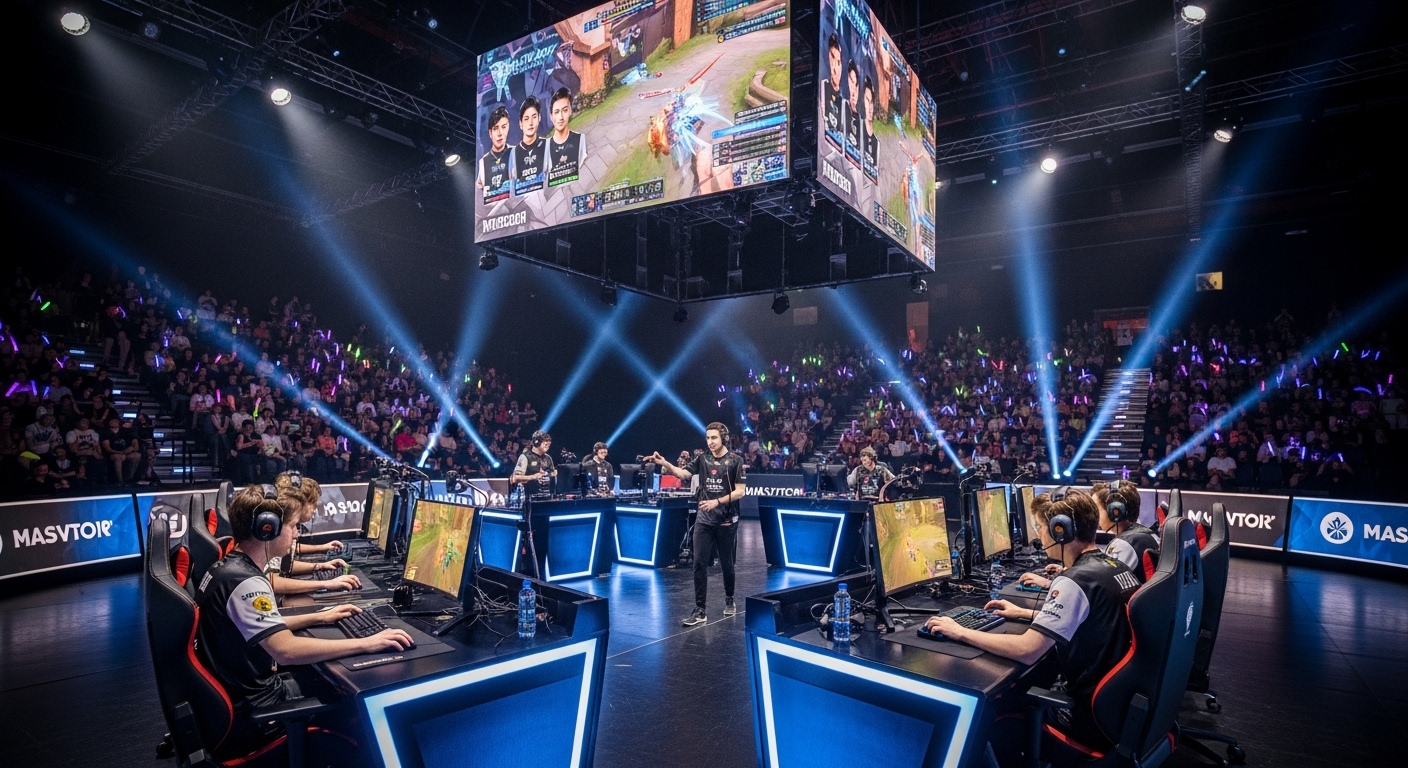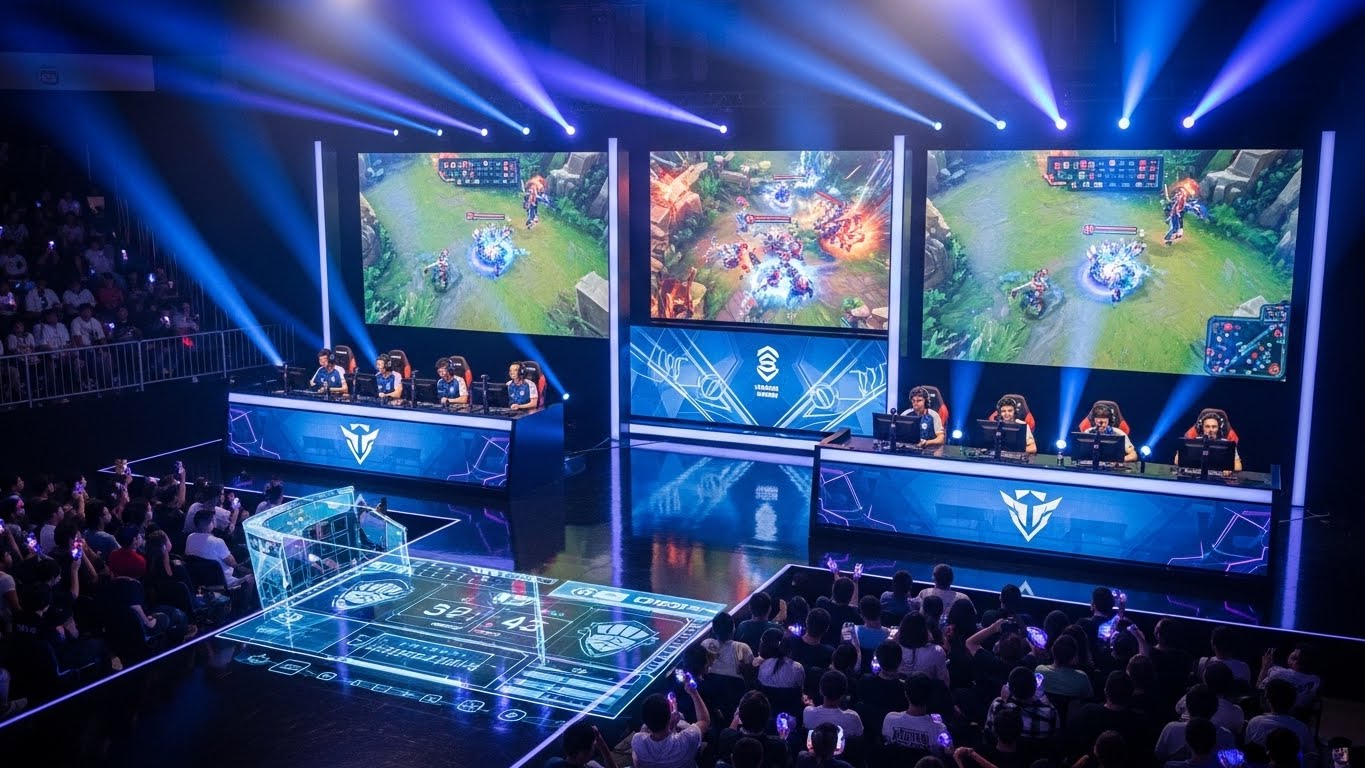
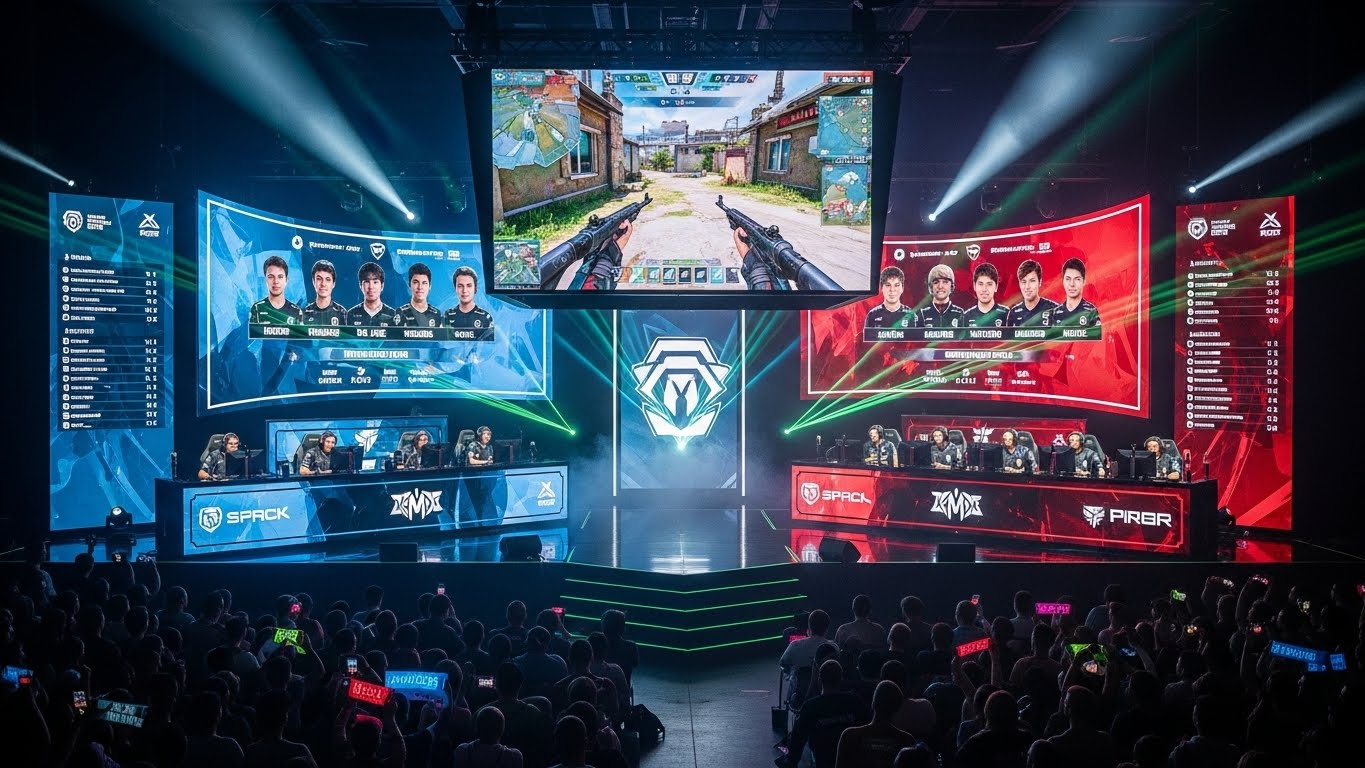
Esports, the world of competitive video gaming, has evolved from a niche hobby into a global phenomenon in just a few decades. What was once considered a casual pastime is now a thriving industry, complete with professional players, international tournaments, and millions of spectators worldwide. Esports blends skill, strategy, teamwork, and entertainment, redefining how people perceive competition and the digital landscape. This blog explores the rise of esports, its social and economic impact, and the role it plays in modern culture.
The Evolution of Esports
The story of esports begins with early arcade competitions in the 1970s and 1980s, where players competed for high scores on games like Pac-Man and Space Invaders. With the introduction of personal computers and the internet in the 1990s, competitive gaming entered a new era. Games such as Quake, StarCraft, and Counter-Strike became the foundation for online tournaments and global communities.
The 2000s saw the professionalization of esports. Players began receiving sponsorships, teams were formally organized, and tournaments started attracting large audiences. Today, esports events fill stadiums and draw millions of viewers online, rivaling traditional sports in popularity. From humble beginnings to a billion-dollar industry, esports has come a long way in redefining entertainment and competition.
Understanding the Esports Ecosystem
Esports is a complex ecosystem consisting of players, teams, sponsors, game developers, organizers, broadcasters, and fans. Professional players dedicate hours every day to practice and refine their skills. Teams operate like traditional sports organizations, employing coaches, analysts, nutritionists, and psychologists to maximize performance.
Game developers play a crucial role by creating titles that are both entertaining and balanced for competitive play. Popular games like League of Legends, Dota 2, and Valorant are designed with esports in mind, ensuring that skill and strategy are rewarded. Tournament organizers handle logistics, marketing, and production, while streaming platforms allow global audiences to watch matches live. Every component of this ecosystem contributes to the professionalization and growth of esports.
The Physical and Mental Demands of Competitive Gaming
Despite misconceptions, esports requires both physical and mental endurance. Players need excellent hand-eye coordination, reflexes, and precision. Long hours of practice demand focus, stamina, and the ability to remain calm under pressure. Physical fitness, proper nutrition, and rest are essential to avoid fatigue and maintain peak performance.
Mental strength is equally important. Players must adapt to unpredictable scenarios, make quick decisions, and manage stress. Team-based games require communication, leadership, and strategy. High-level esports athletes undergo rigorous training that enhances cognitive speed, problem-solving skills, and emotional resilience. Competitive gaming is not just about reaction time; it is a demanding discipline that combines mental acuity with physical coordination.
The Role of Technology in Esports
Technology is at the heart of esports. High-performance computers, consoles, and peripherals ensure players can compete at the highest levels. Advanced streaming platforms allow millions of viewers to watch live events and interact in real-time. Virtual reality, augmented reality, and cloud gaming are pushing the boundaries of competition and viewer experience.
Data analytics and artificial intelligence are increasingly used to improve performance. Coaches and players analyze gameplay to identify patterns, optimize strategies, and refine techniques. Technology not only enhances the competitive aspect of esports but also strengthens the community and fan engagement, making it a continuously evolving industry.
Social and Cultural Impact of Esports
Esports has a profound social and cultural influence. Online communities connect millions of fans across the globe, creating spaces to share strategies, celebrate victories, and support players. Esports transcends traditional barriers such as nationality, language, and gender, fostering inclusivity and collaboration.
For younger generations, esports provides role models and aspirational figures. Professional players inspire fans to pursue careers in gaming, content creation, or technology. The rise of inclusive esports initiatives ensures that individuals of all genders and abilities have opportunities to participate. Esports is not just entertainment; it is a cultural movement that promotes connection, identity, and diversity.
Esports as a Career
The growth of esports has created legitimate career opportunities. Professional players earn salaries, sponsorships, and prize money, while teams and organizations operate as businesses. Careers in esports extend beyond playing, including coaching, broadcasting, content creation, event management, and game development.
The industry offers avenues for entrepreneurship and innovation. Individuals can create streaming channels, produce esports content, or manage esports organizations. Esports has transformed gaming from a hobby into a professional and economic ecosystem, demonstrating that passion and skill can lead to sustainable careers.
The Economic Influence of Esports
Esports is a multi-billion-dollar industry with a significant economic impact. Major tournaments attract sponsorships, merchandise sales, and advertising revenue. Streaming platforms generate income through subscriptions and ads, while live events stimulate local economies through tourism, hospitality, and infrastructure development.
Countries are recognizing the economic potential of esports and investing in training facilities, arenas, and national leagues. The industry provides opportunities for innovation, employment, and international collaboration, making it not only a cultural force but also an economic engine that contributes to global growth.
Women in Esports: Breaking Barriers
Women are making significant strides in esports, challenging stereotypes and increasing representation. Female players are competing at the highest levels, while tournaments and organizations dedicated to women’s esports continue to grow. This visibility encourages more girls to pursue competitive gaming and reinforces the inclusive nature of the industry.
Mixed-gender teams and initiatives highlight that skill, strategy, and dedication are not defined by gender. Women in esports are reshaping the landscape and inspiring future generations to engage in competitive gaming without limitations.
Mental Health and Well-being in Esports
The competitive nature of esports comes with unique mental health challenges. Pressure to perform, rigorous practice schedules, and public scrutiny can lead to burnout, anxiety, and stress. Recognizing these challenges, teams are increasingly providing psychological support, counseling, and stress management programs for players.
Maintaining a balance between gaming, rest, and personal life is crucial for sustainability. Mental well-being is now seen as integral to professional performance, ensuring that esports athletes can thrive both on and off the screen.
The Future of Esports
The future of esports is bright and full of potential. Emerging technologies such as virtual reality, artificial intelligence, and cloud gaming will redefine competitive experiences. Global connectivity will expand audiences, while investment in professional infrastructure will continue to grow.
Esports is also becoming increasingly integrated with traditional sports. Collaborative events, hybrid leagues, and educational programs will continue to nurture talent and engage new fans. The industry is poised for further professionalization, ensuring esports remains a major cultural, social, and economic force for years to come.
Conclusion
Esports has transformed from a niche pastime into a global phenomenon that redefines competition, culture, and technology. It combines skill, strategy, and teamwork while fostering social connection and inclusivity. From professional players to enthusiastic fans, esports influences millions worldwide, offering economic opportunities and inspiring the next generation.
The rise of esports demonstrates that digital competition can be as impactful and transformative as traditional sports. With technology advancing and audiences expanding, esports is not just a game; it is a cultural revolution that bridges communities, challenges norms, and shapes the future of entertainment and competition.