Introduction: The Rise of Esports
Esports has emerged as one of the most dynamic entertainment industries in the world. What began as casual gaming among friends in basements and arcades has evolved into a billion-dollar global phenomenon. Today, professional esports players compete in stadiums packed with fans, tournaments are broadcast to millions worldwide, and major brands invest heavily in the industry. Unlike traditional sports, esports thrives in the digital age, combining high-level competition, advanced technology, and a rapidly growing fan culture. The rise of esports marks not only a shift in entertainment but also a fundamental change in how competition and athleticism are defined in the 21st century.
What Exactly is Esports?
Esports, or electronic sports, refers to competitive video gaming where players or teams compete under structured rules and organized tournaments. It is not simply about playing video games casually; esports demands precision, strategy, teamwork, and mental fortitude. Professional players train for hours daily, review gameplay analytics, and often work with coaches to optimize performance. The games themselves range from fast-paced action and fighting games to strategic simulations and multiplayer online battle arenas. Each genre requires different skills, making esports an inclusive yet specialized form of competition.
A Brief History of Competitive Gaming
The concept of competitive gaming is not entirely new. The earliest known video game competitions date back to the 1970s and 1980s, primarily in arcades and on college campuses. Early tournaments featured simple games like Space Invaders and Pac-Man. With the advent of high-speed internet in the 1990s, players could compete across cities and countries, and the first professional leagues began to take shape. The 2000s saw the creation of international tournaments with significant prize money, laying the foundation for the professional esports industry we see today. Today, esports spans the globe, with regional leagues, world championships, and millions of viewers tuning in online.
Popular Games That Shape Esports
Esports is not dominated by a single game. Instead, it encompasses a variety of titles, each with its own competitive community. Team-based games such as multiplayer online battle arenas emphasize coordination and strategy, while first-person shooters focus on individual skill and reaction time. Sports simulation games allow players to experience familiar athletic competition in a digital format. This diversity ensures that esports appeals to a wide range of fans, and every game creates its own narratives, rivalries, and fan culture.
The Professional Esports Athlete
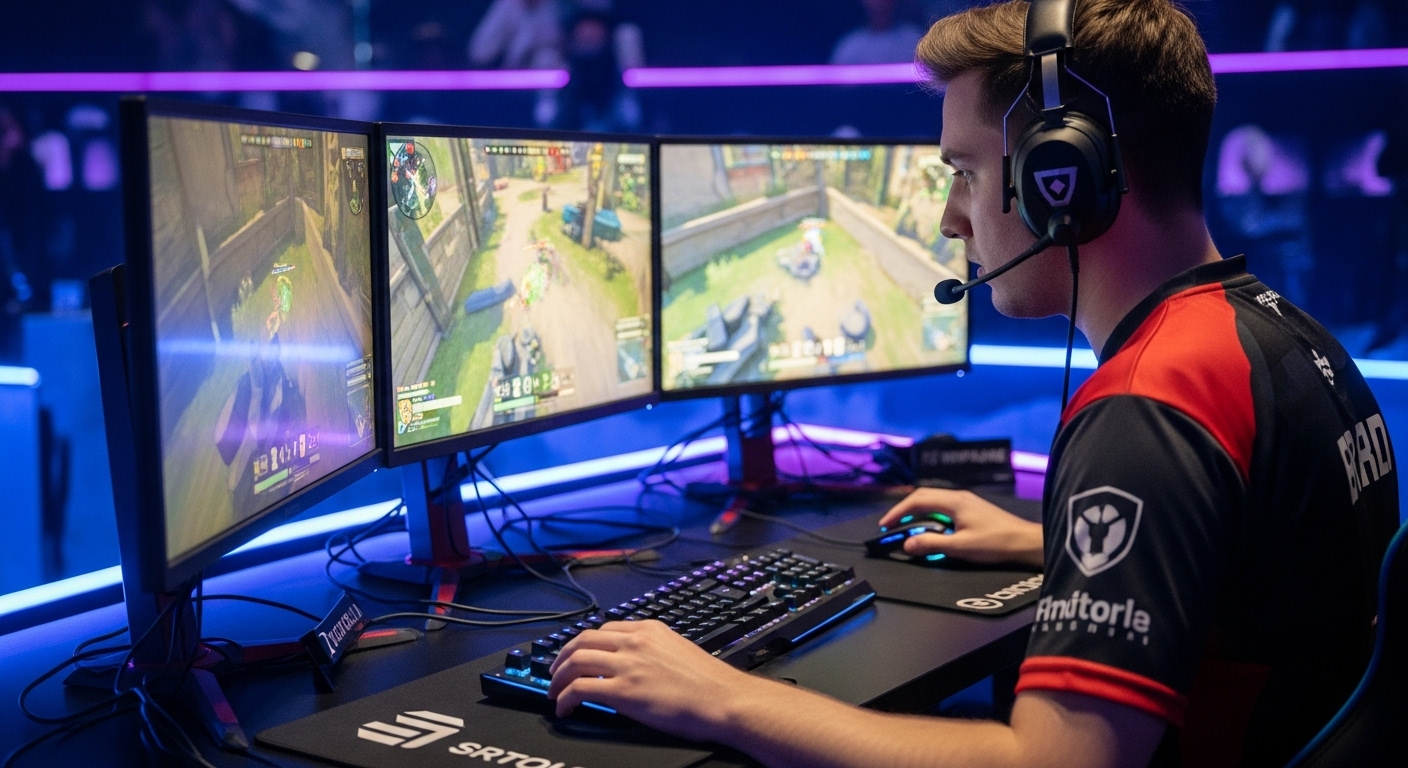
The stereotype of gamers as unproductive or lazy is far from reality. Professional esports athletes follow highly disciplined routines, often practicing for eight to twelve hours per day. Physical fitness, mental health, and teamwork are crucial for maintaining performance. Many teams now employ coaches, nutritionists, and psychologists to support their players. Reaction speed, hand-eye coordination, and strategic thinking are essential skills, but so are resilience and stress management. Players are constantly under pressure to perform at peak levels, often in front of thousands of live spectators and millions online, which requires both dedication and professionalism.
The Structure of Esports Leagues and Tournaments
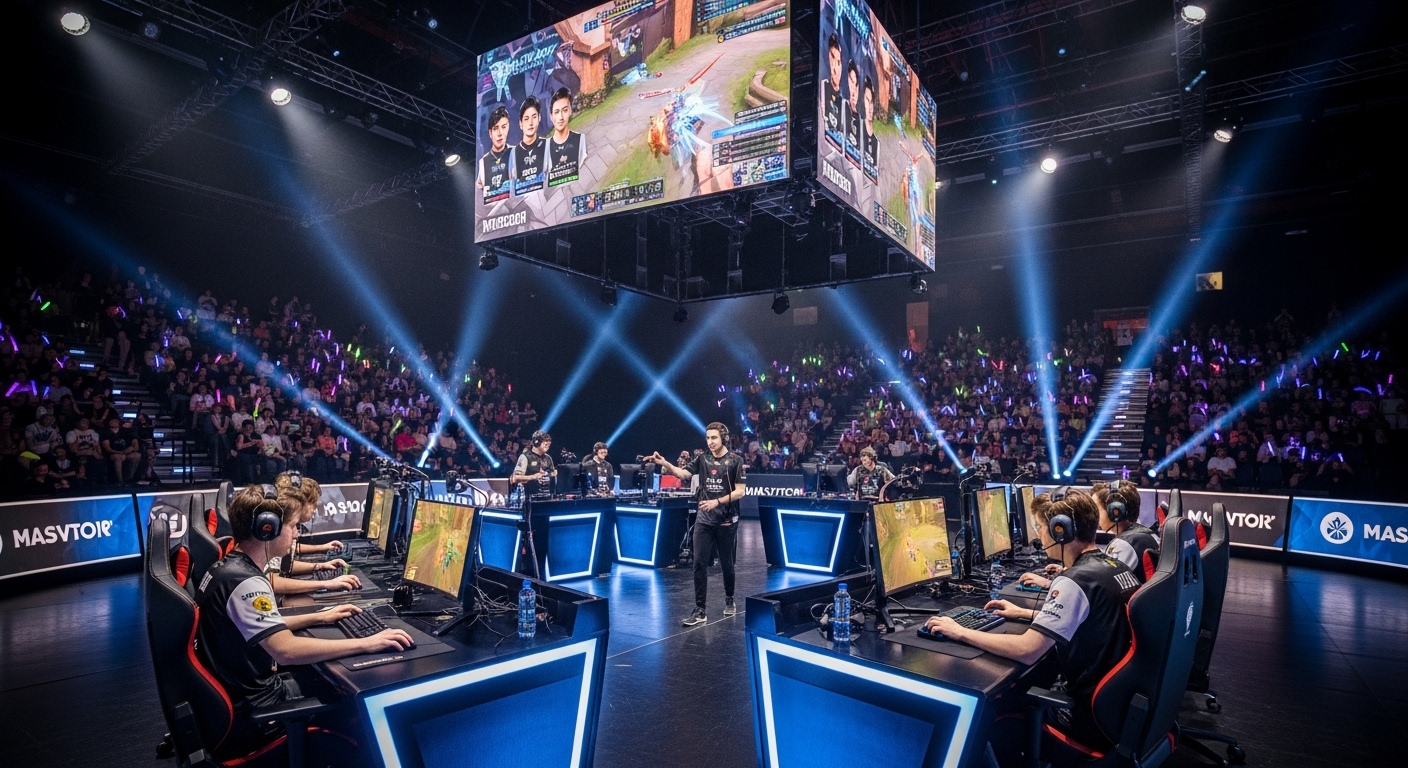
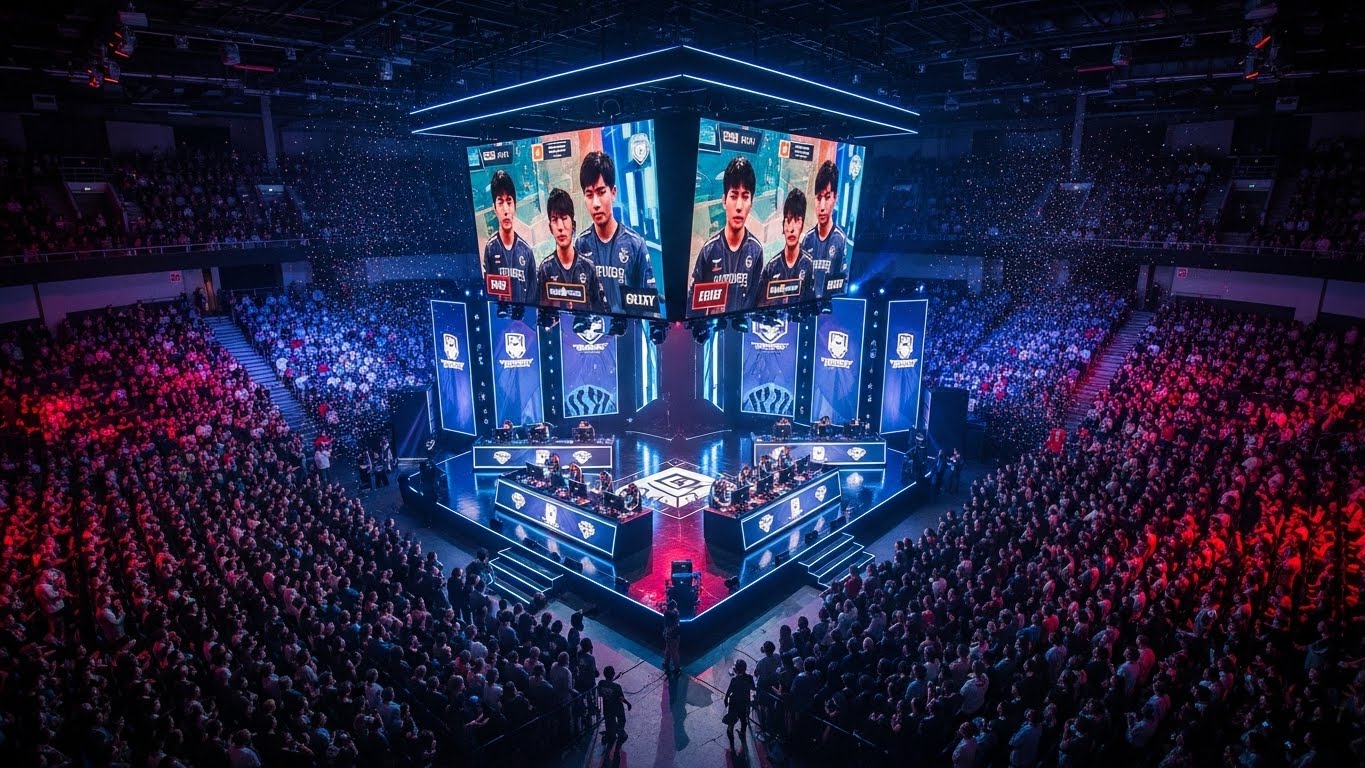
Esports has developed a highly organized ecosystem with leagues, franchises, and international tournaments. Teams operate much like traditional sports clubs, signing players to contracts, offering salaries, and managing sponsorships. Leagues run seasonal competitions culminating in playoffs and championships. Global tournaments, sometimes referred to as “World Cups of Gaming,” bring together top teams from different countries, creating exciting international rivalries. These competitions often fill arenas, rivaling major sporting events in attendance and viewership.
The Role of Streaming and Fan Engagement
One of the most distinctive features of esports is its deep connection with online communities. Fans do more than watch—they actively engage with players, comment on strategies, and participate in fan culture. Streaming platforms allow viewers to watch live gameplay, interact with streamers, and even learn professional techniques. This level of access fosters a unique intimacy between fans and players. In many ways, the relationship between esports athletes and their audience resembles that of celebrities, influencers, and content creators, creating a strong, loyal fanbase that drives the industry forward.
Economic Impact and Career Opportunities
Esports is not only a source of entertainment; it has become an important economic driver. Beyond professional players, the industry employs coaches, analysts, event organizers, commentators, designers, and marketers. Universities now offer esports scholarships, and academic programs in game design, esports management, and digital media are becoming increasingly common. Sponsorship deals, advertising partnerships, and merchandising contribute to a multi-billion-dollar ecosystem. This economic growth demonstrates that esports is more than a fleeting trend—it is a sustainable industry with long-term career potential.
Challenges Facing the Esports Industry
Despite its rapid growth, esports faces several challenges. Player burnout is a significant concern, as high-intensity schedules and constant online scrutiny can take a mental and physical toll. Ensuring fair play is another challenge; cheating, hacking, and performance-enhancing practices require vigilance and technological solutions. Moreover, esports must address inclusivity, making competitive gaming accessible to people of all genders, backgrounds, and socioeconomic statuses. Addressing these challenges is essential for maintaining the credibility, stability, and long-term appeal of the industry.
The Relationship Between Esports and Traditional Sports
Esports is increasingly being recognized alongside traditional sports. Many established sports organizations have launched esports teams or hosted digital versions of their competitions. This intersection represents a broader cultural shift in entertainment consumption. While traditional sports rely on physical prowess, esports focuses on strategy, reflexes, and mental acuity, appealing to younger, digitally native audiences. Instead of replacing traditional sports, esports complements them, expanding the definition of competition in modern society.
Cultural Influence of Esports
Esports has a significant cultural impact beyond the gaming community. It influences fashion, music, and online communication styles. Team jerseys and merchandise have become lifestyle apparel, and top players are celebrated as influencers and role models. Esports tournaments often resemble festivals, blending high-stakes competition with music performances, cosplay, and community events. This cultural reach has allowed esports to transcend traditional gaming boundaries, becoming a lifestyle and social phenomenon for a generation that grew up online.
The Future of Esports
The future of esports is full of possibilities. Emerging technologies like virtual reality and augmented reality will create more immersive gaming experiences. New regions are developing their own competitive scenes, adding diverse talent to the global ecosystem. As esports continues to professionalize, standardized regulations, fair play policies, and international governance structures will enhance legitimacy and sustainability. The line between digital and physical competition may blur further, opening opportunities for hybrid sports experiences that combine the best elements of both worlds.
Conclusion: Esports as a Modern Arena
Esports has redefined what it means to compete, watch, and engage in sports. It merges the intensity of traditional athletic competition with the accessibility and connectivity of digital media. Through professional leagues, streaming platforms, and vibrant communities, esports has created a global culture that transcends borders and generations. Its growth and evolution demonstrate that competitive spirit is not confined to physical arenas but can thrive in virtual spaces. The digital gladiators of esports are more than gamers—they are pioneers shaping the future of entertainment, sports, and global culture.