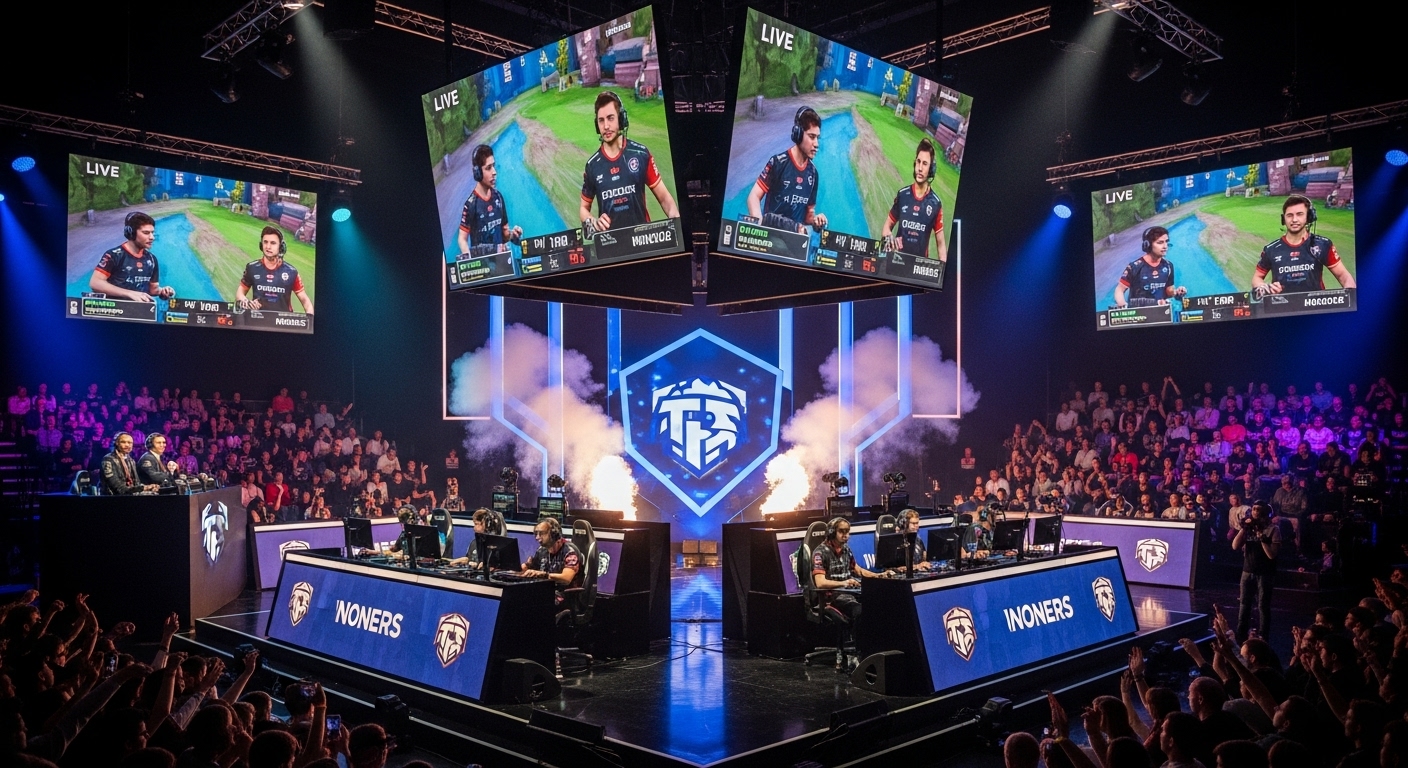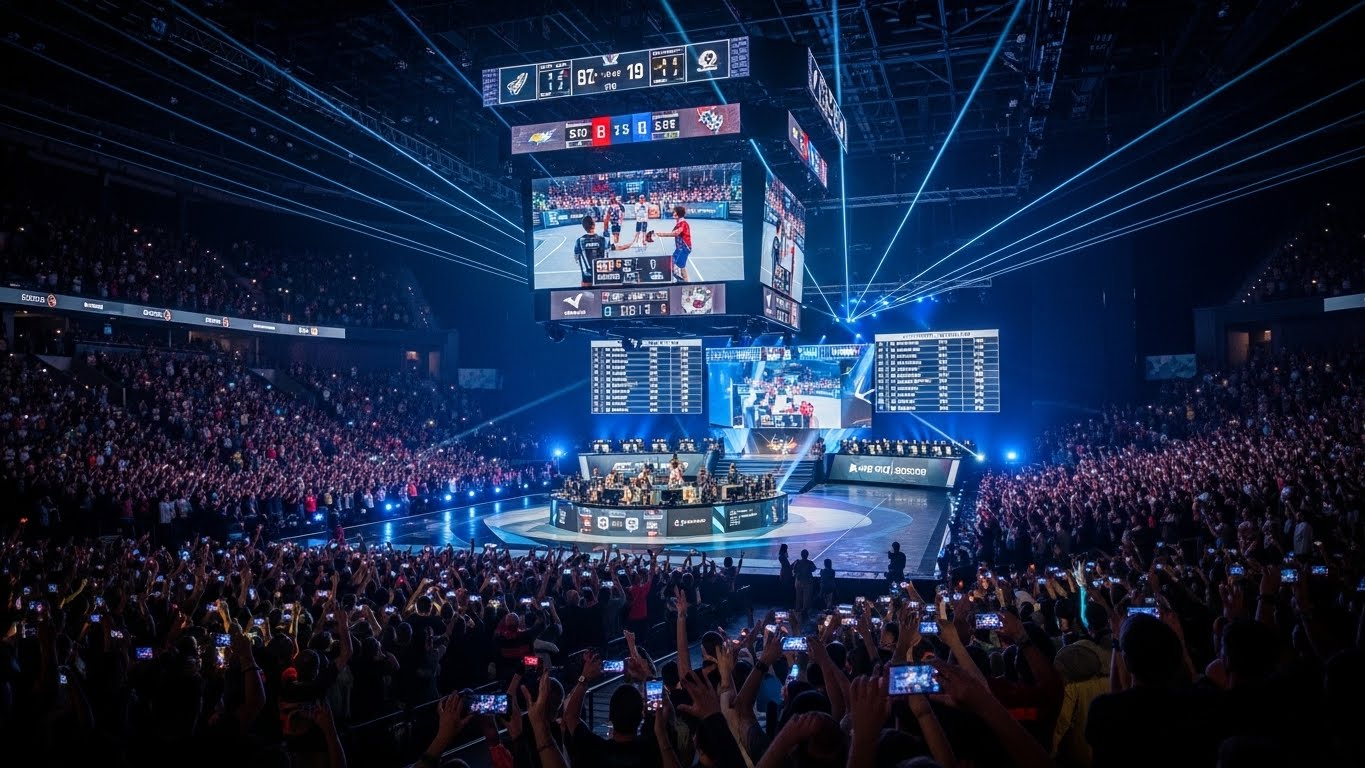

Esports, once a niche hobby enjoyed by a small community of gaming enthusiasts, has blossomed into a multi-billion-dollar industry. This phenomenon, which started in the late 20th century, has grown exponentially in both its popularity and its influence on the world of sports, entertainment, and even culture. Esports, short for electronic sports, refers to the competitive playing of video games at a professional level. But the story of esports is far more complex, filled with both triumphs and challenges. In this article, we will explore the journey of esports, its current landscape, its cultural impact, and the future possibilities.
The Birth of Esports: From Arcades to Online Platforms
The origins of esports can be traced back to the 1970s and 1980s when competitive gaming first began in arcade halls. The early days of competitive video gaming involved casual tournaments with small prizes. The most famous early example is the Space Invaders Championship held in 1980, which marked one of the first major tournaments in the gaming world. While these events were small in scale, they laid the groundwork for a burgeoning competitive gaming culture.
The real shift in the esports landscape came in the 1990s with the rise of PC gaming and the internet. Games like Quake and StarCraft created an environment where players could compete against each other online. The ability to play in multiplayer modes allowed for more complex competitions, and soon these games became central to tournaments, attracting a global audience.
In 1997, the Red Annihilation tournament for Quake solidified the idea that gaming could be competitive at a serious level, offering a large prize pool and attracting top-tier players. This event was one of the first to showcase esports on a global stage and demonstrated the potential for large-scale, competitive video gaming.
The Rise of Professional Esports: From LAN Parties to Global Tournaments
The early 2000s saw significant advancements in the esports industry, both in terms of gaming technology and the organization of tournaments. The advent of broadband internet made it possible for players from around the world to compete with one another in real-time. Tournaments were no longer limited to local events, and large-scale competitions began to attract bigger audiences and larger sponsorships.
One of the key milestones in this period was the creation of the World Cyber Games (WCG) in 2000. The WCG was one of the first international esports tournaments to bring together players from various countries to compete on a global stage. It set a precedent for future tournaments and established the idea of esports as a legitimate, internationally recognized sport.
At the same time, League of Legends (LoL) was released in 2009 and quickly became one of the most influential games in the esports world. With its team-based format and a strategic blend of real-time combat and tactics, LoL set the stage for modern esports competition. The game’s annual World Championship became a global spectacle, attracting millions of viewers and pushing esports into the mainstream.
In 2011, the Intel Extreme Masters (IEM) tournament was introduced, further cementing the idea that competitive gaming could be professionalized and taken seriously. The combination of top-tier games like StarCraft II, Counter-Strike, and League of Legends helped establish esports as a legitimate sport in its own right, complete with sponsorships, media deals, and professional teams.
Esports as a Global Industry: Monetization and Viewership Growth
The real explosion of esports came in the 2010s. Esports had transitioned from small, niche events to massive, high-profile tournaments. The prize pools for major tournaments grew exponentially, with some games offering millions of dollars in prize money. For example, the The International, the annual Dota 2 tournament, regularly features prize pools that exceed $30 million, a figure on par with some of the world’s most prestigious sports events.
As esports became more professionalized, various business models emerged. Sponsorships, advertising, ticket sales, merchandise, and media rights became the primary revenue streams for esports organizations. Companies like Intel, Coca-Cola, Red Bull, and Mercedes-Benz started pouring significant investments into esports, recognizing the potential to reach a young, tech-savvy demographic.
One of the key drivers behind this rapid monetization was the growing popularity of streaming platforms like Twitch and YouTube Gaming. These platforms allowed esports content to be broadcasted to millions of viewers around the world. Twitch, in particular, revolutionized the way fans consumed esports, offering a direct connection between players and viewers. This symbiotic relationship helped cultivate a thriving esports ecosystem, with professional gamers, streamers, and fans all interacting in real-time.
By the mid-2010s, esports events were attracting more viewers than traditional sports events. For example, the League of Legends World Championship consistently garnered over 100 million viewers annually, while the Overwatch League also saw impressive viewership numbers. The ability to watch live competitions, interact with players and teams, and even wager on matches has made esports one of the fastest-growing entertainment industries globally.
The Impact of Esports on Traditional Sports and Culture
Esports’ rise has had profound effects on traditional sports. As more people began watching esports, many traditional sports organizations and teams began to invest in the industry. In 2018, the NBA partnered with Take-Two Interactive to launch the NBA 2K League, a professional esports league centered around the popular NBA 2K video game. Other major sports leagues, including the NFL, MLS, and European football clubs, followed suit, creating esports divisions to engage with a new generation of fans.
This crossover between traditional and esports has also led to the blurring of lines between the two industries. Professional athletes have invested in esports teams, while esports players have found themselves engaging with mainstream sports media. The cultural influence of esports is undeniable, with gaming icons like Ninja, Shroud, and Pokimane becoming household names, much like traditional athletes.
Moreover, esports has fostered a unique subculture. The integration of gaming into mainstream entertainment has led to the development of new social spaces, both online and offline. Platforms like Discord and Twitch have become digital communities where fans gather to discuss games, follow their favorite teams and players, and even engage in esports betting and fantasy leagues.
The Challenges Facing Esports: Sustainability and Regulation
Despite its rapid growth, esports still faces several significant challenges. One of the most pressing issues is the sustainability of the industry. While the prize pools and revenue from sponsorships continue to grow, there are concerns about the long-term viability of some esports organizations. Many teams and players rely heavily on sponsorships and prize winnings to fund their operations, but the high costs of running a professional esports organization, including salaries, travel, and training facilities, can be overwhelming. Furthermore, there is a lack of universal governing bodies and regulation within the esports ecosystem, which can lead to inconsistencies across different games and tournaments.
Player health and longevity is another area of concern. While traditional sports athletes undergo physical training and conditioning to maintain peak performance, esports athletes are primarily focused on mental acuity and reflexes. This focus on the mind rather than the body can lead to issues such as repetitive strain injuries, poor posture, and mental burnout. As esports becomes more competitive, ensuring the well-being of players will become increasingly important.
Another challenge is the issue of inclusivity and diversity within esports. While the industry has grown rapidly, it remains a predominantly male-dominated field. Efforts are being made to create more opportunities for women and underrepresented groups in esports, but there is still work to be done. Some initiatives, such as the creation of female-only tournaments, are steps in the right direction, but inclusivity must remain a focus if esports is to continue growing as an inclusive global community.
The Future of Esports: What Lies Ahead?
Looking ahead, the future of esports appears incredibly promising. As the global gaming market continues to expand, so too does the potential for esports to become a mainstream entertainment medium. Innovations in technology, such as virtual reality (VR), augmented reality (AR), and artificial intelligence (AI), will likely shape the future of esports, creating more immersive and interactive experiences for players and fans alike.
Esports’ increasing presence in educational institutions is another indicator of its growth. Many universities now offer scholarships for esports players, and some have even established their own esports programs. This trend is helping to legitimize esports as a recognized discipline and is paving the way for young gamers to pursue professional careers in the industry.
Moreover, with the rise of mobile gaming, esports is becoming more accessible to a broader audience. Titles like PUBG Mobile and Mobile Legends have garnered massive followings, particularly in Asia, where mobile gaming is already hugely popular. The mobile esports scene will continue to expand, reaching new players and spectators who may not have access to high-end gaming PCs or consoles.
Lastly, as esports continues to integrate with traditional sports, it’s not far-fetched to imagine that esports could one day be included in major global sporting events like the Olympics. The International Olympic Committee (IOC) has already held discussions regarding the inclusion of esports, and with the growing global fan base, esports’ place in the Olympic Games seems increasingly likely.
Conclusion
Esports has come a long way from its humble beginnings in arcades and LAN parties. Today, it stands as a global phenomenon, with professional players, major sponsorships, and millions of fans around the world. As esports continues to evolve, it will undoubtedly face challenges related to sustainability, regulation, and inclusivity. However, the future of esports looks bright, and it is clear that this industry is not just a passing trend but a permanent fixture in the world of sports and entertainment.