The Birth and Evolution of Esports
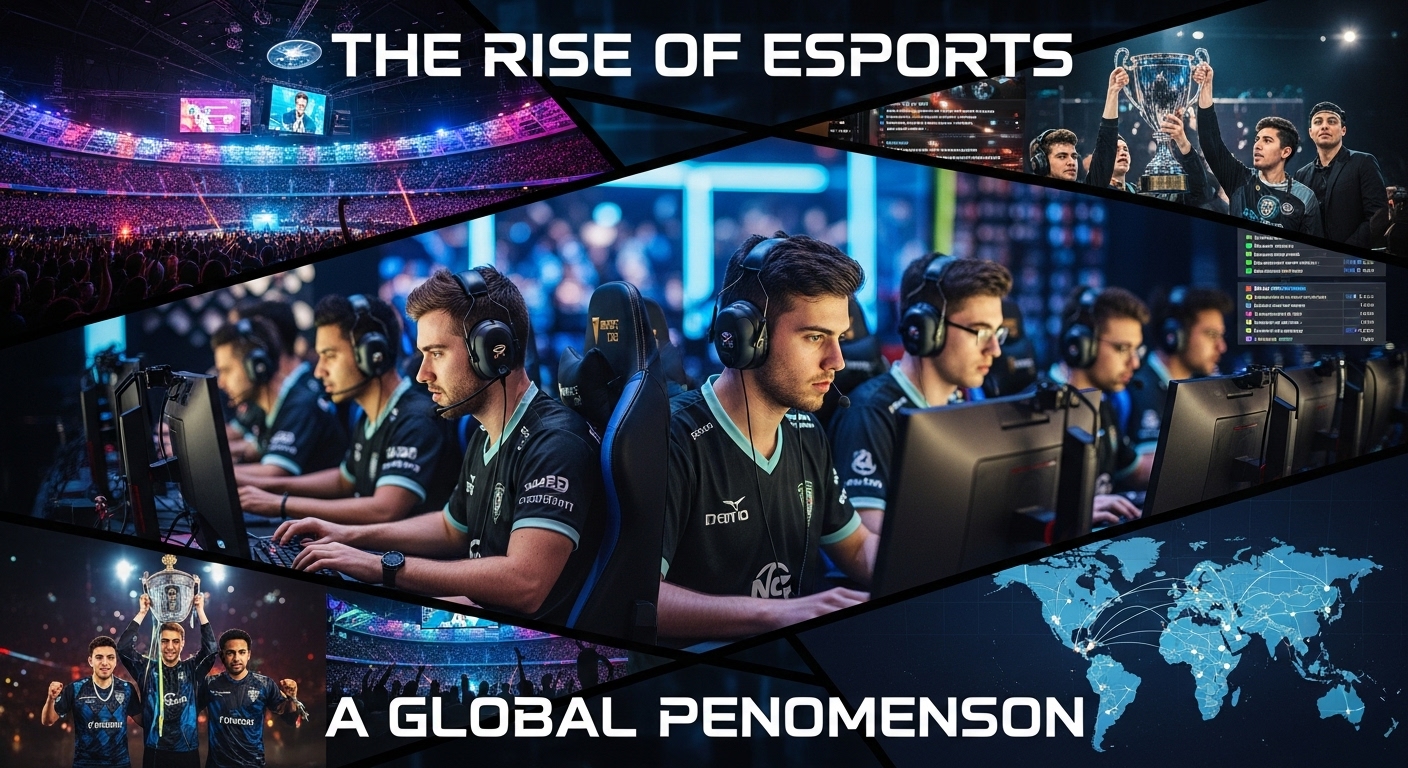
Esports, short for electronic sports, represents one of the most fascinating evolutions in the entertainment and sports industries. What started as small gaming tournaments among friends and university students has transformed into a billion-dollar global phenomenon. The journey from pixelated screens and LAN parties to massive stadiums filled with roaring fans and live broadcasts viewed by millions is nothing short of remarkable.
In the early 1980s and 1990s, gaming competitions were casual, with players gathering in arcades or at local events to test their skills. Games like Space Invaders, Street Fighter II, and Quake served as the foundation for competitive gaming. However, it was the rise of online connectivity in the late 1990s and early 2000s that truly changed everything. Suddenly, players could compete with anyone in the world, paving the way for global tournaments and organized leagues.
The Rise of Competitive Gaming Culture
As internet speeds improved and multiplayer games became more sophisticated, esports began to gain legitimacy. Games such as Counter-Strike, Warcraft III, and StarCraft became early pioneers in establishing competitive gaming scenes. In South Korea, the professionalization of gaming took off at lightning speed. Television channels dedicated to broadcasting esports emerged, and players became celebrities. The rest of the world soon followed suit.
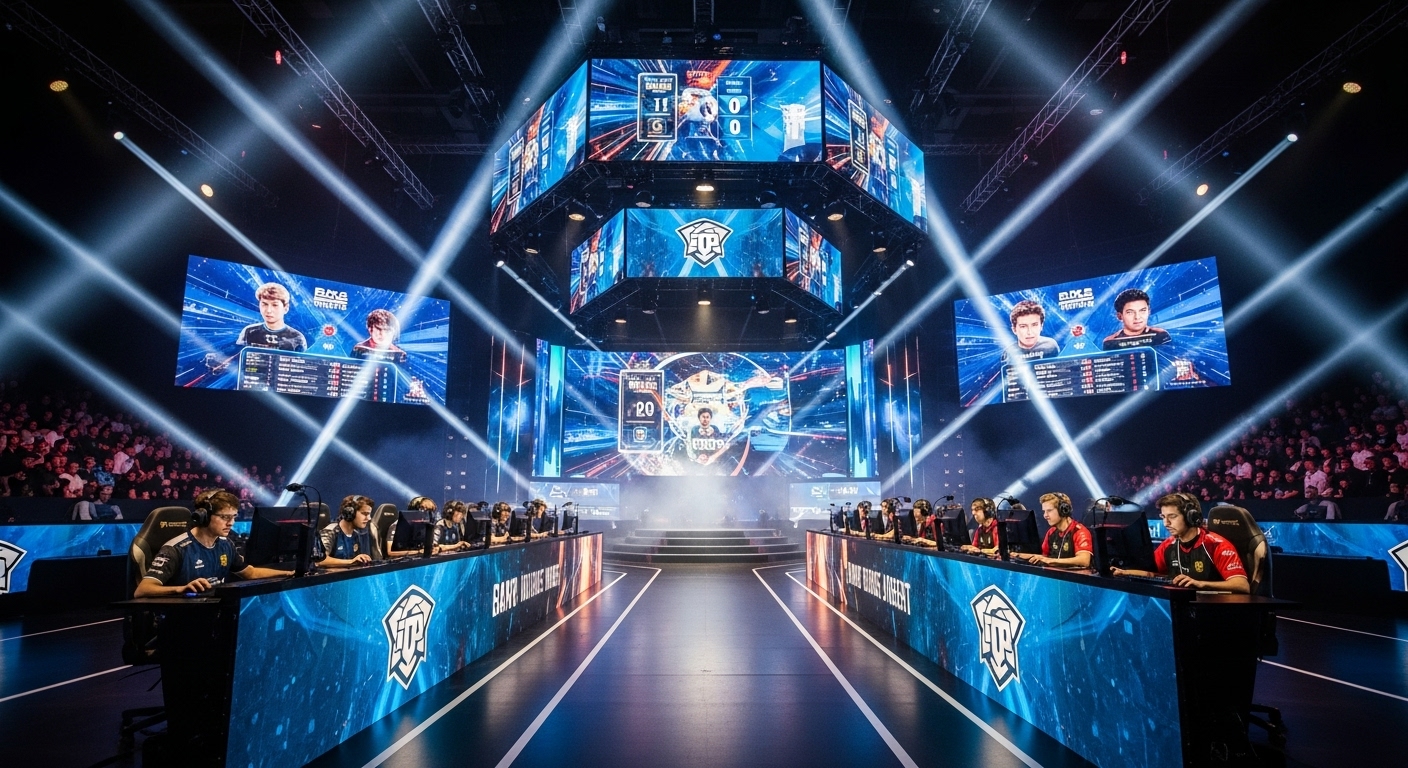
By the 2010s, the culture of esports was thriving. Major game developers began designing games specifically with competition in mind. League of Legends, Dota 2, and Overwatch were not just games—they were ecosystems designed for professional play. Fans followed their favorite teams, wore jerseys, and attended tournaments in packed arenas. The transformation from a hobby to a professional sport was complete.
The Global Esports Industry
Today, esports is a multi-billion-dollar industry. From sponsorships and advertisements to ticket sales and digital merchandise, every part of the ecosystem contributes to its growth. Global tournaments like The International, League of Legends World Championship, and Fortnite World Cup boast prize pools that rival traditional sports events. Top players earn millions in winnings, salaries, and endorsements.
Brands across the world have taken notice. Major corporations, from tech companies to energy drink producers, invest heavily in esports sponsorships. Esports organizations operate like professional sports teams, complete with management, coaching staff, analysts, and training facilities. This level of organization has transformed esports into a legitimate career path for thousands of players, coaches, casters, and production staff worldwide.
The Esports Audience and Fan Community
One of the most powerful aspects of esports is its community. The global audience for esports exceeds hundreds of millions of viewers annually, and this number continues to grow. Unlike traditional sports, esports transcends physical and geographic boundaries. Fans from different continents can connect instantly, united by a shared love for gaming.
Streaming platforms have played a massive role in this growth. The ability to watch live matches, comment on plays, and interact with other fans has created an immersive experience unlike any other. Moreover, the culture surrounding esports extends beyond the matches themselves. Cosplay, fan art, memes, and community discussions make esports more than just a sport—it’s a lifestyle.
The Professional Gamer: Dedication and Discipline
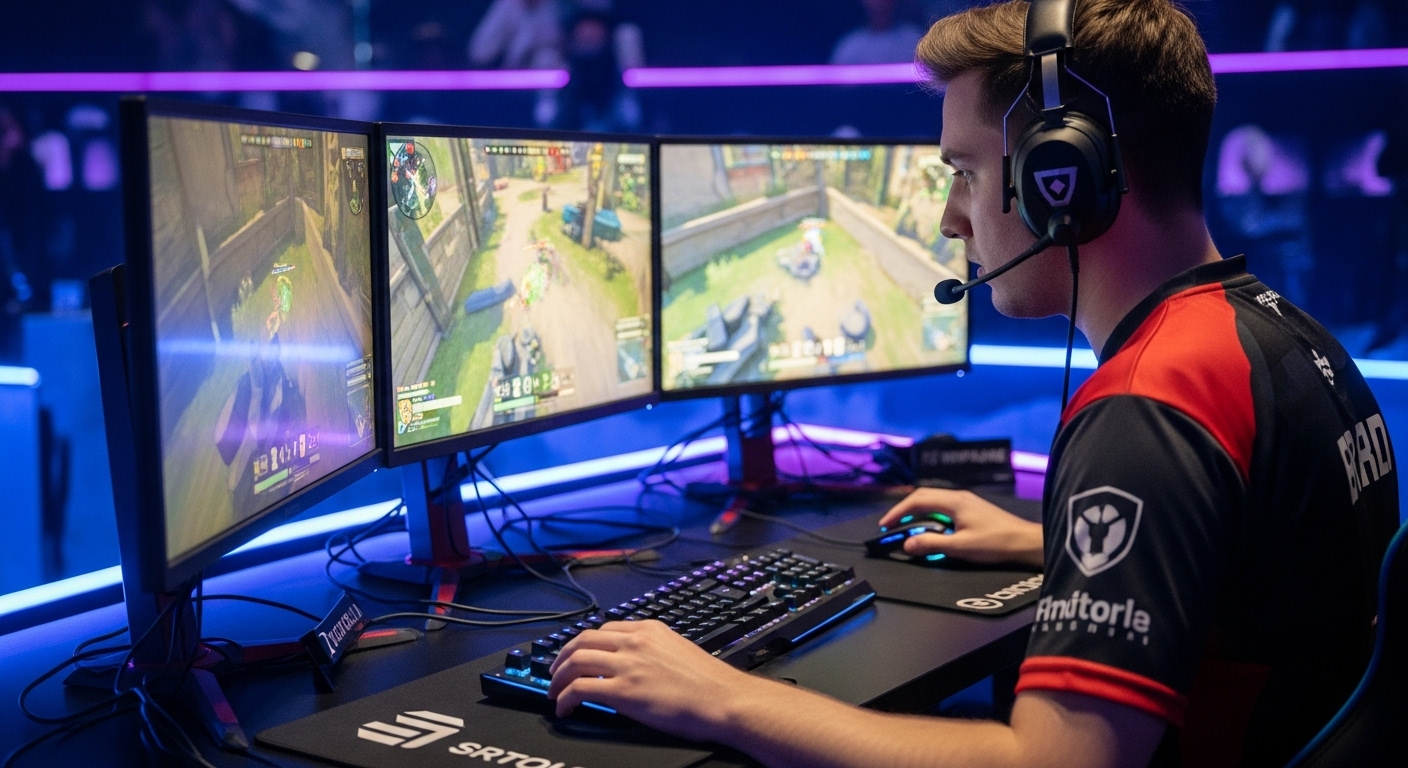
Behind every professional esports player lies an extraordinary level of dedication, discipline, and talent. While some people may assume that gaming for a living is easy, the reality is far from it. Professional gamers often train for 8 to 12 hours a day. They practice strategies, analyze opponents, and work closely with their teammates to perfect their synergy.
Mental and physical health have become vital topics in esports. Players must maintain focus and endurance throughout long tournaments and stressful matches. Teams now hire psychologists, nutritionists, and fitness coaches to help players perform at their best. The professional gaming lifestyle mirrors that of athletes in traditional sports in terms of rigor and competition.
The Role of Technology in Esports Growth
Technology lies at the heart of esports. Advancements in hardware, software, and internet infrastructure have enabled competitive gaming to flourish. High-performance PCs, gaming peripherals, and ultra-fast internet connections ensure that players can compete at the highest levels.
Moreover, innovations in streaming technology have revolutionized how audiences consume esports content. Broadcasting software, augmented reality overlays, and real-time data analytics enhance viewer engagement. Spectators can view player statistics, replays, and live commentary, creating an experience that rivals traditional sports broadcasts.
Virtual reality and augmented reality also represent exciting frontiers for the future of esports. Imagine a world where players and fans experience games in fully immersive 3D environments. The fusion of technology and competition is only beginning, and the possibilities are endless.
The Impact of Esports on Society
Esports has transcended its entertainment roots to influence culture, education, and even employment. Many universities now offer esports scholarships, treating gaming as a legitimate athletic pursuit. Students can study subjects like game design, event management, and esports marketing, all tied to the growing industry.
Additionally, esports provides opportunities for individuals who may not have found success in traditional sports. It promotes inclusivity by allowing anyone with talent and dedication—regardless of physical ability—to compete on a global stage. The emphasis on teamwork, communication, and strategic thinking also develops valuable life skills.
Esports has also contributed to global cultural exchange. Gamers from different backgrounds and nationalities compete and collaborate, fostering mutual understanding and respect. It has become a universal language that bridges gaps across cultures.
The Business and Economics of Esports
The business side of esports is as dynamic as the games themselves. Esports revenue streams come from various sources, including sponsorships, advertising, media rights, merchandise, and ticket sales. Streaming platforms also share revenue with teams and players through partnership programs.
Franchising has become a popular model for major esports leagues. Similar to the structure of the NBA or NFL, franchises like the Overwatch League and Call of Duty League feature city-based teams that compete in structured seasons. This model provides stability for organizations and helps build regional fan bases.
Esports betting and fantasy leagues have also emerged as major components of the ecosystem. While these elements bring excitement and engagement, they also raise regulatory and ethical challenges. Ensuring fair play, protecting players from exploitation, and maintaining integrity remain top priorities for the industry.
Esports and Traditional Sports: A Convergence
In recent years, the line between esports and traditional sports has blurred. Many traditional sports organizations have invested in esports teams or hosted their own gaming tournaments. Football clubs, basketball teams, and Formula 1 organizations have embraced the digital realm to engage younger audiences.
Athletes from traditional sports often express admiration for professional gamers, acknowledging the skill and mental agility required to compete at such high levels. Similarly, esports players look up to traditional athletes for their discipline and professionalism. The collaboration between these two worlds continues to push both industries forward.
The Future of Esports
Looking ahead, the future of esports appears brighter than ever. Emerging technologies like cloud gaming, artificial intelligence, and blockchain are expected to reshape how players compete and fans engage. Virtual arenas could allow fans to attend tournaments from anywhere in the world, while blockchain could ensure secure transactions for in-game purchases and ticketing.
Education and career opportunities in esports will continue to expand. From event organizers and game developers to shoutcasters and analysts, the industry offers countless roles beyond playing. Governments and institutions around the world are recognizing the potential of esports as both an economic driver and a cultural force.
As the industry matures, we can expect more professionalism, better regulations, and an even greater emphasis on player welfare. Sustainability, inclusivity, and diversity will shape the next generation of esports leaders and organizations.
Challenges Facing the Esports Industry
Despite its rapid growth, esports faces several challenges that must be addressed to ensure long-term success. One major issue is player burnout. The demanding schedules, constant travel, and pressure to perform can lead to mental exhaustion. Organizations are now focusing more on player well-being, but there is still room for improvement.
Another challenge lies in maintaining fair play. Cheating, match-fixing, and the use of unauthorized software remain concerns. Establishing strict regulations and using advanced anti-cheat technologies are essential for preserving the integrity of competition.
Additionally, the esports industry must continue to work on inclusivity. While progress has been made, female representation in professional gaming remains low. Encouraging diversity and providing equal opportunities for all players will make the community stronger and more dynamic.
Esports and Education: Building the Next Generation
Esports is finding its way into classrooms around the world. Schools and universities recognize that gaming can teach valuable skills such as teamwork, leadership, communication, and problem-solving. Academic programs focused on esports management, broadcasting, and game design are becoming more common.
For students, participating in esports can open doors to new career paths. It encourages digital literacy and strategic thinking, preparing young people for a tech-driven world. Moreover, esports clubs and college leagues foster healthy competition and social engagement among students.
The Cultural Impact of Esports
Beyond the business and entertainment aspects, esports has become a cultural movement. It has influenced fashion, music, and even language. Gaming slang and memes have entered mainstream culture, and collaborations between game developers and artists are frequent.
Music festivals and gaming events often merge, celebrating both art forms in a single experience. Esports personalities have become influencers, shaping trends and inspiring millions of fans. This fusion of entertainment and technology defines modern youth culture in a way that few other industries can.
Conclusion: A New Era of Entertainment
Esports has grown from humble beginnings into one of the most influential industries of the 21st century. It has redefined what it means to be an athlete, a fan, and a community member. Its impact spans across technology, business, education, and culture, shaping the future of entertainment for generations to come.
As we look to the future, esports will continue to evolve—adapting to new technologies, expanding its reach, and breaking down barriers. The world of competitive gaming stands as a testament to human creativity, passion, and innovation. What was once a niche hobby has now become a global stage where dreams are realized, legends are born, and the spirit of competition thrives.
In this new era, esports is not just a game—it is a revolution in how we connect, compete, and celebrate human achievement. The journey is only beginning, and the possibilities are limitless.