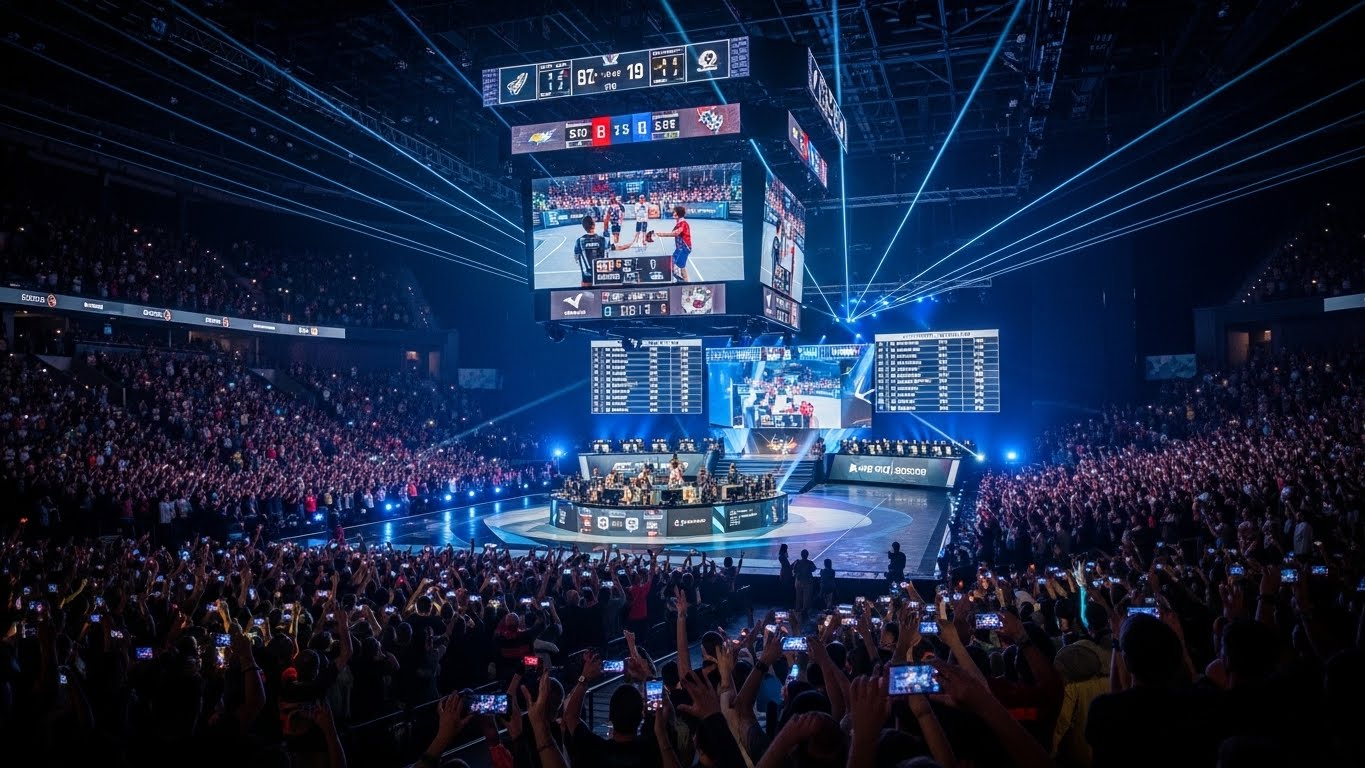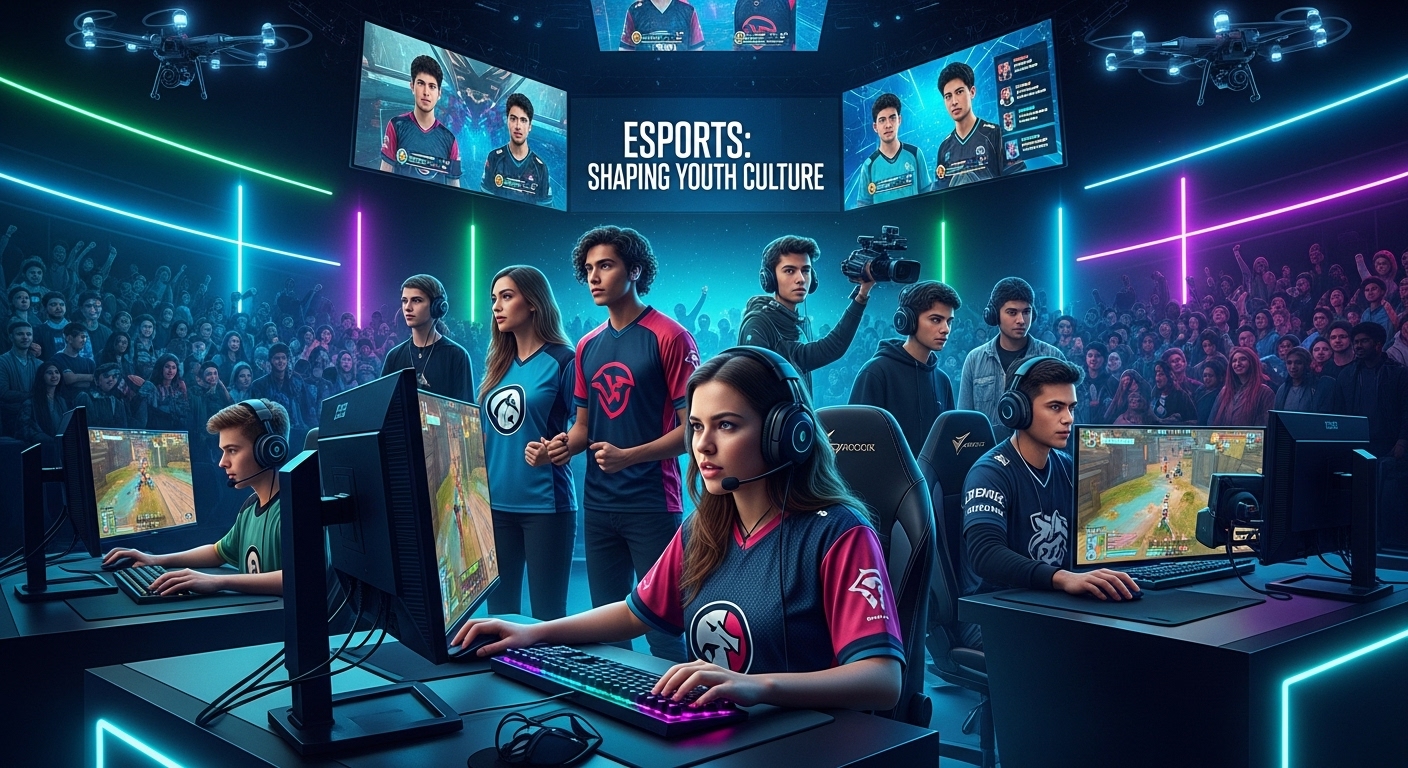
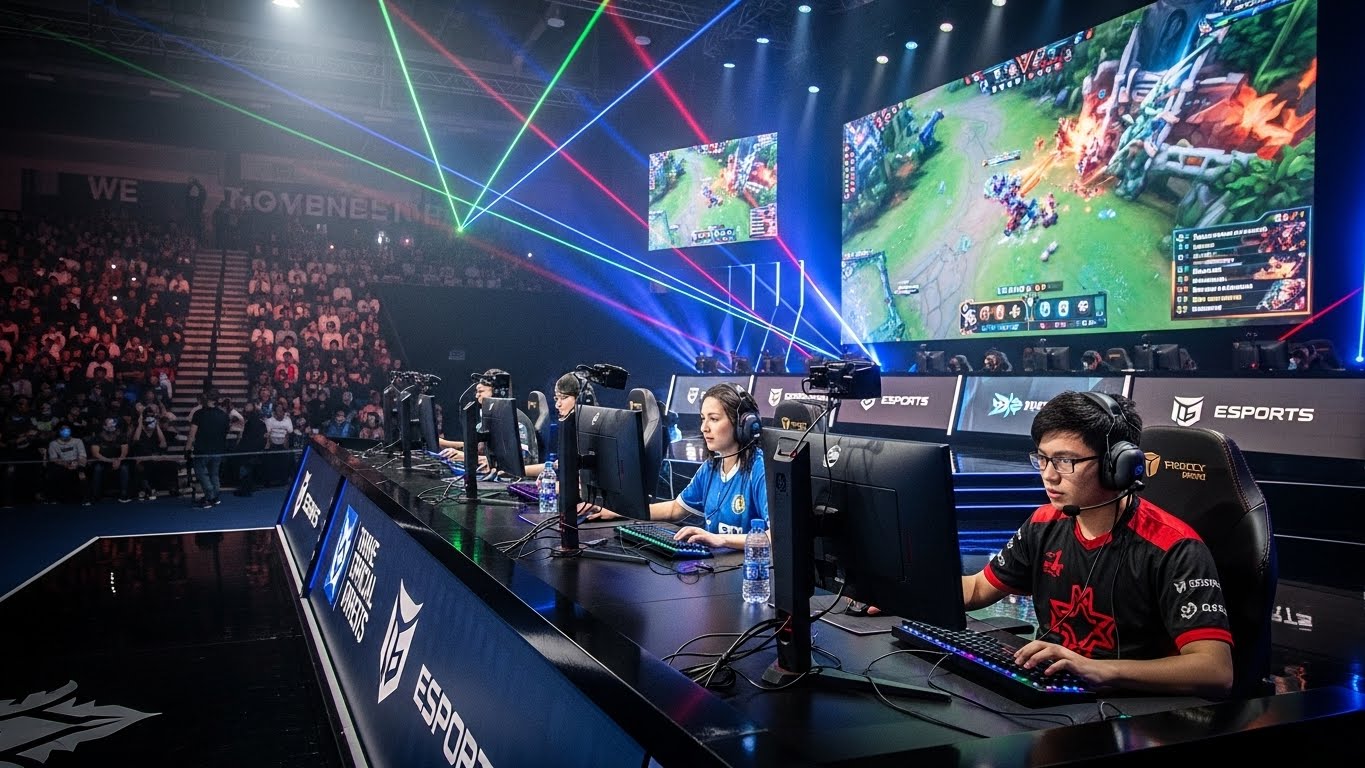
Esports, once a niche subculture confined to passionate gamers and a handful of spectators, has evolved into a global phenomenon. With multi-million dollar tournaments, professional teams, streaming platforms, and a dedicated fanbase, esports has become a legitimate industry and a mainstream entertainment sector. Today, gaming is no longer just a hobby but a career path for many, and competitive gaming is now as influential as traditional sports in the eyes of millions of people worldwide. In this blog post, we’ll explore the rise of esports, how it has transformed the gaming landscape, and what the future holds for this rapidly growing industry.
The Birth of Esports: From LAN Parties to Global Events
The roots of esports can be traced back to the late 1990s when competitive gaming first began to gain traction. It started in small, local tournaments, often held in LAN (Local Area Network) parties, where gamers would gather to compete against each other in popular titles like StarCraft, Quake, and Warcraft. These early competitions were modest but marked the beginning of a competitive culture surrounding video games. As internet speeds improved and online gaming became more accessible, the scope of these tournaments expanded.
By the early 2000s, online competitions started to attract more attention, and larger organizations began to form. Titles like Counter-Strike and Dota became staples of the esports scene. The rise of streaming platforms such as Twitch, launched in 2011, played a pivotal role in transforming esports into a global spectator sport. It allowed fans from all corners of the world to tune into live streams of competitive games, watch professional players in action, and become part of an online community.
In the years that followed, major events like The International (Dota 2’s world championship) and the League of Legends World Championship began to draw millions of viewers. These high-profile events set the stage for esports to transition from a niche hobby to a legitimate form of entertainment.
The Professionalization of Esports: Teams, Coaches, and Sponsorships
As esports grew in popularity, the scene began to professionalize. Professional teams emerged, and organizations started investing in training facilities, coaches, analysts, and support staff, much like traditional sports teams. Major esports titles such as League of Legends, Overwatch, Fortnite, CS:GO, and Call of Duty all became home to professional leagues and tournaments, with some of the most successful teams amassing millions in earnings.
Just as in traditional sports, players in esports teams often follow a strict training regimen that includes practice sessions, strategy meetings, and performance analysis. The best players in these games are not just talented gamers; they are highly skilled professionals who treat their gaming careers with the same seriousness as athletes do with their sports.
Alongside these teams, sponsorships played a huge role in the professionalization of esports. Big brands like Coca-Cola, Red Bull, and Intel began to invest heavily in esports events and teams, seeing the massive potential in reaching a young, tech-savvy audience. As esports became more mainstream, so did the monetary rewards for players and organizations. Tournament prize pools grew exponentially, and some players are now earning salaries that rival those of traditional sports stars. For example, the winner of The International Dota 2 championship in 2021 took home over $18 million in prize money.
Streaming and Viewership: Changing the Way We Consume Sports
One of the key factors in the rise of esports is the way it has revolutionized content consumption. While traditional sports are primarily consumed through television broadcasts, esports has harnessed the power of live-streaming platforms to engage its audience. Twitch, YouTube Gaming, and Facebook Gaming have become the central hubs for esports viewership, allowing fans to watch live competitions, interact with players, and even engage in live chats with fellow viewers.
In 2020, the esports streaming audience reached an astonishing 1 billion hours watched per month on Twitch alone. This growth is only expected to accelerate as the industry matures. Streaming platforms not only serve as a venue for watching tournaments, but also for following individual players, learning strategies, and even watching casual gameplay. The interactive nature of streaming is a unique feature of esports, as fans can directly communicate with their favorite players, ask questions, or simply chat in the live stream comments section. This engagement creates a sense of community that is difficult to replicate in traditional sports.
Moreover, the ability to watch games live, interact with players, and even bet on outcomes has created an entirely new form of entertainment. Esports tournaments, such as the League of Legends World Championship and the Fortnite World Cup, now boast millions of viewers from across the globe, proving that esports is much more than a passing trend. It is a new frontier for live entertainment.
Esports as a Career: Players, Coaches, and Content Creators
With the explosion of esports, a whole new career path has opened up for young, aspiring gamers. Professional esports players are not just competing in tournaments for big prize money; they are building massive personal brands, streaming regularly, and engaging with fans on social media. The lifestyle of an esports player has evolved beyond just gaming. Today, professional players are akin to celebrities, often sponsored by major brands and participating in content creation across various platforms.
As esports becomes more mainstream, it has also opened up career opportunities in coaching, team management, content creation, event production, and marketing. Esports coaches and analysts play crucial roles in developing strategies, refining gameplay, and helping players perform at the highest level. These professionals often have backgrounds in gaming themselves and understand the intricacies of competitive play.
Similarly, content creators who focus on esports—whether through streaming, YouTube videos, or social media—have become influencers in their own right. These individuals help shape the culture of esports and provide analysis, entertainment, and commentary on the latest games, players, and events. As a result, the esports ecosystem has developed into a multi-faceted industry that provides opportunities for a wide range of professionals.
The Global Esports Industry: Economic Impact and Sponsorships
Esports is no longer a niche market, and its economic impact is undeniable. In 2023, the global esports market was valued at over $1 billion, with projections to grow to nearly $2 billion by 2025. The revenue streams in esports come from a variety of sources, including sponsorships, media rights, ticket sales, merchandise, and even game publishers themselves. Esports tournaments attract massive sponsorship deals, with companies eager to reach the large, tech-savvy audience that esports commands.
Sponsorships are a major driver of revenue in esports. Not only do brands like Nike, Adidas, and Audi invest in esports teams and tournaments, but tech companies such as Logitech, Alienware, and Razer are deeply embedded in the ecosystem, providing equipment and support. Major broadcasters like ESPN and TBS have also begun to broadcast esports events, further legitimizing the scene and drawing in mainstream viewers.
The esports industry is also contributing to job creation. From event organizers and live broadcasters to graphic designers and software engineers, the growth of esports has led to the creation of a diverse range of jobs. Cities across the globe have started to build esports arenas and host live events, stimulating local economies and positioning themselves as hubs for this booming industry.
The Future of Esports: Mainstream Acceptance and Innovation
The future of esports looks incredibly promising, with more and more traditional sports organizations, media companies, and investors taking notice of the potential of competitive gaming. Several traditional sports franchises, including NBA teams like the Golden State Warriors and the Cleveland Cavaliers, have established their own esports teams and have begun to invest heavily in the sector. In fact, esports is beginning to blur the lines between traditional sports and gaming, with games like FIFA and NBA 2K becoming a fixture in esports leagues, providing a bridge between the two worlds.
Innovation will also be key to the future of esports. As technology continues to advance, we can expect new gaming experiences to emerge. Virtual reality (VR) and augmented reality (AR) have the potential to completely transform the way esports are played and viewed. Imagine watching an esports tournament in VR, where you can experience the action from any angle and interact with the virtual environment. This level of immersion could take esports to new heights and attract even larger audiences.
Additionally, mobile gaming is on the rise, and mobile esports is expected to play a bigger role in the future. Titles like PUBG Mobile and Call of Duty Mobile have gained significant traction, particularly in regions like Southeast Asia, where mobile gaming is immensely popular. This shift could bring esports to a broader, more global audience and lead to new kinds of tournaments and competitions.
Conclusion: A New Era for Competitive Gaming
Esports has come a long way since its humble beginnings in LAN parties and small online tournaments. Today, it is a multi-billion-dollar industry with a global fanbase, professional leagues, and widespread cultural impact. As the industry continues to grow and evolve, esports is poised to become a dominant force in the world of entertainment, on par with traditional sports.
The future of esports will likely be shaped by technological innovations, the mainstream acceptance of competitive gaming, and an ever-expanding fanbase. With massive sponsorships, high-paying tournaments, and a vibrant ecosystem of players, coaches, content creators, and fans, the sky is the limit for esports.
Whether you’re a casual player, an aspiring pro, or just a fan of the action, there’s no denying that esports is here to stay, and it’s only getting bigger. The digital age has ushered in a new era of competition, entertainment, and community, and the future of esports looks brighter than ever.