Introduction: The Birth of a New Era in Competitive Gaming
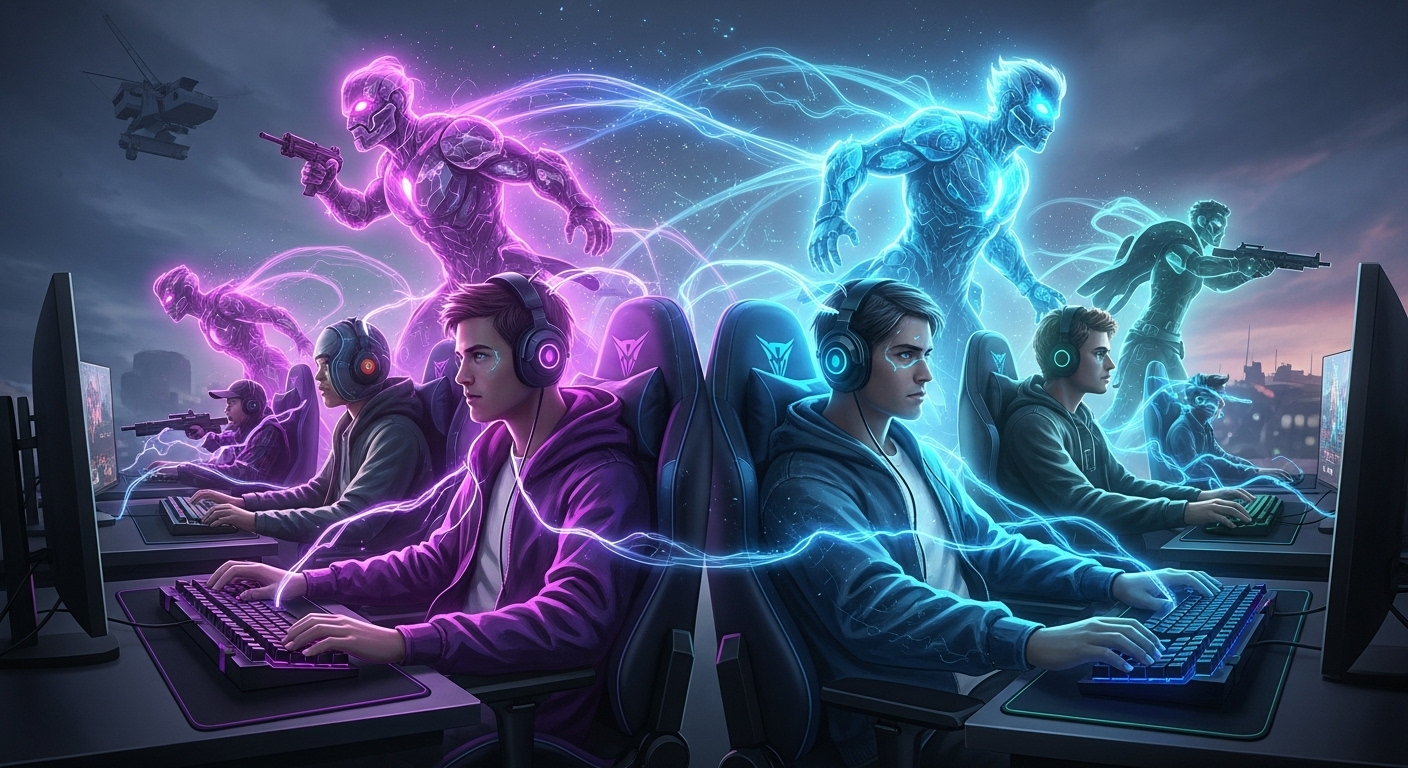
Esports, short for electronic sports, has become one of the most rapidly growing industries in the world. What started as small gatherings of passionate gamers competing for bragging rights has evolved into a multi-billion-dollar global phenomenon. Today, esports fills stadiums, draws millions of online viewers, and turns professional players into international celebrities.
But esports isn’t just about playing video games competitively. It represents a cultural shift — a merging of entertainment, technology, and community that reflects how deeply digital experiences have integrated into modern life.
The Humble Beginnings: Early Days of Competitive Gaming
To understand the present, it’s worth revisiting the past. Competitive gaming didn’t begin with streaming platforms or major tournaments. In fact, the first recorded video game competition took place in 1972 at Stanford University, where players faced off in the game Spacewar! for a year’s subscription to Rolling Stone magazine.
During the 1980s and 1990s, gaming competitions slowly gained traction. Arcade culture thrived, and titles like Pac-Man, Donkey Kong, and Street Fighter attracted competitive players aiming for high scores. Nintendo even organized the Nintendo World Championships in 1990, marking one of the first large-scale gaming events.
The arrival of the internet in the late 1990s completely transformed the landscape. Games like Quake, StarCraft, and Counter-Strike enabled players to compete against each other globally, setting the foundation for modern esports. What once required local gatherings could now be achieved across continents.
The Explosion of Esports in the 2000s
The early 2000s marked a turning point. Faster internet speeds, better hardware, and the growth of online gaming communities helped esports expand beyond niche groups. South Korea played a monumental role during this era. The country’s government-backed broadband infrastructure and gaming culture created fertile ground for professional gaming leagues.
Televised tournaments featuring StarCraft attracted millions of viewers and turned players like Lim “BoxeR” Yo-hwan into national icons. Esports was no longer just a hobby; it became a profession. This model inspired other regions to follow suit, and soon, countries across Asia, North America, and Europe started forming their own leagues and tournaments.
The Role of Streaming and Digital Platforms
One of the most significant catalysts behind esports’ global rise was the emergence of streaming platforms. Services like Twitch, YouTube Gaming, and later Facebook Gaming provided a space where players could broadcast their gameplay to massive audiences.
Unlike traditional sports, where fans needed cable TV access, esports thrived on accessibility. Anyone with an internet connection could watch tournaments or follow their favorite players in real-time. This direct connection between fans and players fostered a sense of intimacy that traditional media couldn’t replicate.
Streaming also democratized esports. Aspiring players could showcase their talent, build an audience, and attract sponsorships without needing to join a major team first. The line between professional and amateur blurred, giving rise to countless new opportunities.
Esports as a Professional Career
In the past, becoming a professional gamer was often dismissed as unrealistic. Today, it’s a legitimate and highly competitive career path. Top esports players earn salaries, sponsorships, and tournament winnings that rival or surpass those of athletes in traditional sports.
Games like League of Legends, Dota 2, Counter-Strike: Global Offensive, Valorant, and Fortnite have built structured ecosystems with leagues, drafts, and international championships.
For example, Dota 2’s The International regularly features prize pools exceeding tens of millions of dollars. The 2019 edition had over 34 million in total prizes — a staggering figure that surpassed many conventional sporting events.
Professional esports organizations operate similarly to sports franchises. They manage player contracts, training schedules, marketing, and sponsorship deals. Many even have dedicated coaches, nutritionists, and psychologists to help players perform at their peak.
The Games That Defined Esports
While hundreds of games have competitive scenes, only a few have left a lasting impact on esports culture.
- StarCraft – Often called the grandfather of esports, its intense one-on-one strategy battles defined the early years of competitive gaming, especially in South Korea.
- Counter-Strike – From LAN parties to global tournaments, Counter-Strike shaped the first-person shooter genre for over two decades. Its emphasis on teamwork and precision remains unmatched.
- League of Legends – Launched in 2009, LoL revolutionized esports with its accessible yet deep gameplay and Riot Games’ commitment to structured leagues.
- Dota 2 – Known for its complexity and massive prize pools, Dota 2 built one of the most dedicated fanbases in esports history.
- Fortnite – By blending battle royale gameplay with cultural events and mainstream appeal, Fortnite bridged the gap between gaming and entertainment.
- Overwatch, Valorant, and Call of Duty also brought innovation through team-based competition and vibrant esports ecosystems.
Each title has its own community, structure, and identity, but all contribute to the larger tapestry of esports.
The Global Fanbase and Community
Esports’ power lies not just in the games but in its audience. Fans span all ages and backgrounds, united by a shared love of competition and digital culture. Global tournaments draw millions of live viewers. The League of Legends World Championship routinely surpasses the viewership of traditional sports finals, with audiences tuning in from every continent.
Social media also plays a huge role in connecting communities. Players, teams, and fans interact directly on platforms like X, Instagram, and Discord. This constant engagement strengthens loyalty and keeps the conversation going year-round.
Events like DreamHack and BlizzCon combine gaming conventions with live competitions, transforming esports into social experiences. Attendees meet their online friends, interact with developers, and celebrate the culture they helped build.
The Business of Esports: Money, Marketing, and Media
As esports gained mainstream attention, major companies took notice. Sponsorships from brands like Intel, Red Bull, and Nike became commonplace. Broadcasting rights, merchandise sales, and digital advertising created new revenue streams.
Tournaments are now streamed on multiple platforms simultaneously, and production quality rivals that of televised sports events. Camera angles, instant replays, and commentary teams make the experience polished and professional.
Esports organizations have evolved into full-fledged businesses. Teams like FaZe Clan, Team Liquid, and Cloud9 have diversified into lifestyle brands, content creation, and apparel. These ventures ensure long-term stability beyond tournament winnings.
Universities have also joined the wave. Many now offer esports scholarships, recognizing the discipline, teamwork, and strategic thinking that gaming fosters. Entire academic programs focus on esports management, production, and marketing, preparing students for careers in this fast-growing field.
The Cultural Impact of Esports
Beyond business and entertainment, esports has become a cultural force. It influences fashion, music, and media. Collaborations between game developers and artists have created crossover events that blur the line between gaming and pop culture.
In South Korea, professional gamers are household names. In the United States and Europe, esports tournaments sell out major arenas like Madison Square Garden and Wembley. In China, esports stars appear in mainstream advertising campaigns and entertainment shows.
Esports has also helped reshape how society views gaming. Once stigmatized as an unproductive pastime, gaming is now recognized as a skill-based discipline requiring reflexes, strategy, and teamwork. The rise of esports has pushed back against outdated stereotypes, highlighting that gaming can foster community, creativity, and even global unity.
Esports and Technology: A Perfect Partnership
Technology and esports are inseparable. Every major advancement — from better graphics cards to cloud gaming — has fueled the industry’s evolution. High-speed internet, powerful PCs, and gaming consoles have made competitive play accessible worldwide.
Virtual reality and augmented reality are expected to play a larger role in future esports experiences. Imagine tournaments where players compete in immersive virtual arenas or audiences experience matches from the player’s perspective.
Artificial intelligence and data analytics also influence coaching and strategy. Teams use performance metrics to analyze gameplay, study opponents, and refine tactics. This analytical approach mirrors what you’d see in professional football or basketball.
Challenges and Controversies
Despite its success, esports faces its share of challenges. Player burnout is a major concern. Intense training schedules, travel demands, and constant pressure can lead to mental and physical exhaustion. Some players retire in their early twenties.
Toxicity and online harassment also remain issues. As esports communities grow, maintaining positive, inclusive environments is crucial. Many organizations now invest in player well-being and enforce stricter codes of conduct.
Another challenge is regulation. Unlike traditional sports with centralized governing bodies, esports operates across multiple games, companies, and regions. Establishing consistent standards for contracts, competition rules, and integrity is still a work in progress.
Additionally, the rapid commercialization of esports raises questions about sustainability. As sponsorship money floods in, balancing authenticity with profit becomes harder. Maintaining the passion that built esports in the first place will be key to its long-term success.
Esports and Traditional Sports: Rivals or Allies?
For years, people debated whether esports should be considered a real sport. While esports doesn’t rely on physical endurance in the same way as football or basketball, it demands exceptional hand-eye coordination, focus, and strategic depth.
Today, the conversation has shifted. Many traditional sports organizations are now investing in esports rather than competing with it. Football clubs like Paris Saint-Germain, Manchester City, and FC Barcelona have their own esports divisions. The NBA established the NBA 2K League, merging virtual and physical sports worlds.
Both industries have found common ground in fan engagement. Esports introduces digital-native audiences to competitive structures, while traditional sports bring legitimacy and institutional knowledge. The synergy between them hints at a future where both coexist and complement each other.
The Educational and Social Value of Esports
Esports has quietly become a valuable educational tool. Beyond scholarships, it teaches important life skills: communication, leadership, teamwork, and problem-solving. Schools are beginning to recognize the benefits of structured gaming programs.
Students who participate in esports clubs often find a sense of belonging that traditional sports may not provide. It creates a space where introverted or tech-oriented individuals can shine, fostering confidence and social connections.
Moreover, esports encourages technological literacy. Understanding game mechanics, hardware, and streaming tools introduces young players to potential careers in programming, design, and media production.
The Future of Esports
Looking ahead, esports shows no signs of slowing down. Analysts project its global audience will surpass 700 million within the next few years. As technology evolves, new genres and formats will emerge, further expanding its reach.
Mobile gaming, for instance, is already reshaping the scene, especially in regions like Southeast Asia and Latin America. Games like PUBG Mobile and Mobile Legends: Bang Bang demonstrate that high-level competition doesn’t require expensive equipment — just a smartphone and passion.
The integration of AI, AR, and cloud gaming will continue to redefine how we play and watch. Virtual stadiums, interactive spectator modes, and immersive data visualizations could become standard features in major tournaments.
Esports might even find its place in the Olympics. The International Olympic Committee has already acknowledged its potential, organizing pilot events and discussions about inclusion. While debates continue, the idea of esports as an Olympic discipline no longer feels far-fetched.
Conclusion: A New Kind of Sporting Legacy
Esports is not a passing trend; it’s the next evolution of competitive entertainment. It embodies the creativity, innovation, and global connectivity of the digital age. From its modest beginnings in arcades to filling stadiums with roaring fans, esports has proven that competition transcends physical boundaries.
As technology continues to advance, esports will evolve right alongside it. Its story is still being written — not just by the professionals on stage but by every gamer, streamer, and fan who contributes to the culture.
The journey of esports reflects something larger than gaming itself. It’s a story of passion meeting opportunity, of digital communities shaping real-world impact, and of how play — in its purest form — can unite millions across the globe.