
In recent years, esports has evolved from a niche subculture to a global phenomenon. Once relegated to the fringes of gaming culture, competitive gaming has now exploded into a multi-billion dollar industry, attracting millions of fans and players alike. From tournaments that fill entire arenas to streams that garner more viewers than traditional sports broadcasts, esports has firmly established itself as a legitimate and thriving part of the entertainment landscape. In this post, we’ll explore the rise of esports, the factors contributing to its rapid growth, and what the future holds for this exciting industry.
What is Esports?
At its core, esports refers to organized, multiplayer video game competitions, often between professional players, individually or as teams. These competitions are held in various formats, including online tournaments, local events, and large-scale international championships. Esports spans a wide range of genres, from real-time strategy games (like StarCraft) and first-person shooters (like Counter-Strike and Call of Duty) to battle royales (Fortnite, PUBG) and multiplayer online battle arena games (MOBA) like League of Legends and Dota 2.
While competitive gaming has existed for decades, it was the rise of online platforms like Twitch and the growing investment from traditional sports organizations that transformed esports into the global powerhouse it is today.
The Growth of Esports: A Global Revolution
One of the key factors behind the meteoric rise of esports is the exponential growth of online streaming. Platforms like Twitch, YouTube Gaming, and Facebook Gaming have provided an accessible way for fans to watch their favorite players and teams in real-time, no matter where they are in the world. This has helped esports gain an enormous following, especially among younger audiences.
The numbers speak for themselves: In 2020, Twitch alone had over 3 billion hours of content watched, and the global esports audience surpassed 450 million people. By 2024, the global esports market is expected to reach nearly $1.5 billion, with sponsorships, media rights, and merchandise playing key roles in the industry’s financial ecosystem.
These statistics underscore the massive potential esports holds as a mainstream form of entertainment. But beyond the numbers, there are several key elements driving this growth, including accessibility, entertainment value, and the integration of esports with traditional sports.
Accessibility: Breaking Down Barriers
One of the reasons esports has experienced such widespread popularity is its accessibility. Unlike traditional sports, which often require specific physical abilities, expensive equipment, or a team of athletes, esports can be played by virtually anyone with a computer or gaming console and an internet connection. This inclusivity has opened up the competitive gaming world to a diverse range of players from various backgrounds and skill levels.
Moreover, the low cost of entry for both players and viewers is another important factor in esports’ rise. Anyone can participate in casual tournaments or watch professional events from the comfort of their home. The barrier to entry is low, and with the growth of online tournaments and gaming leagues, even amateur players can get a taste of what it’s like to compete on a global stage.
The Entertainment Value: Thrilling Spectacles
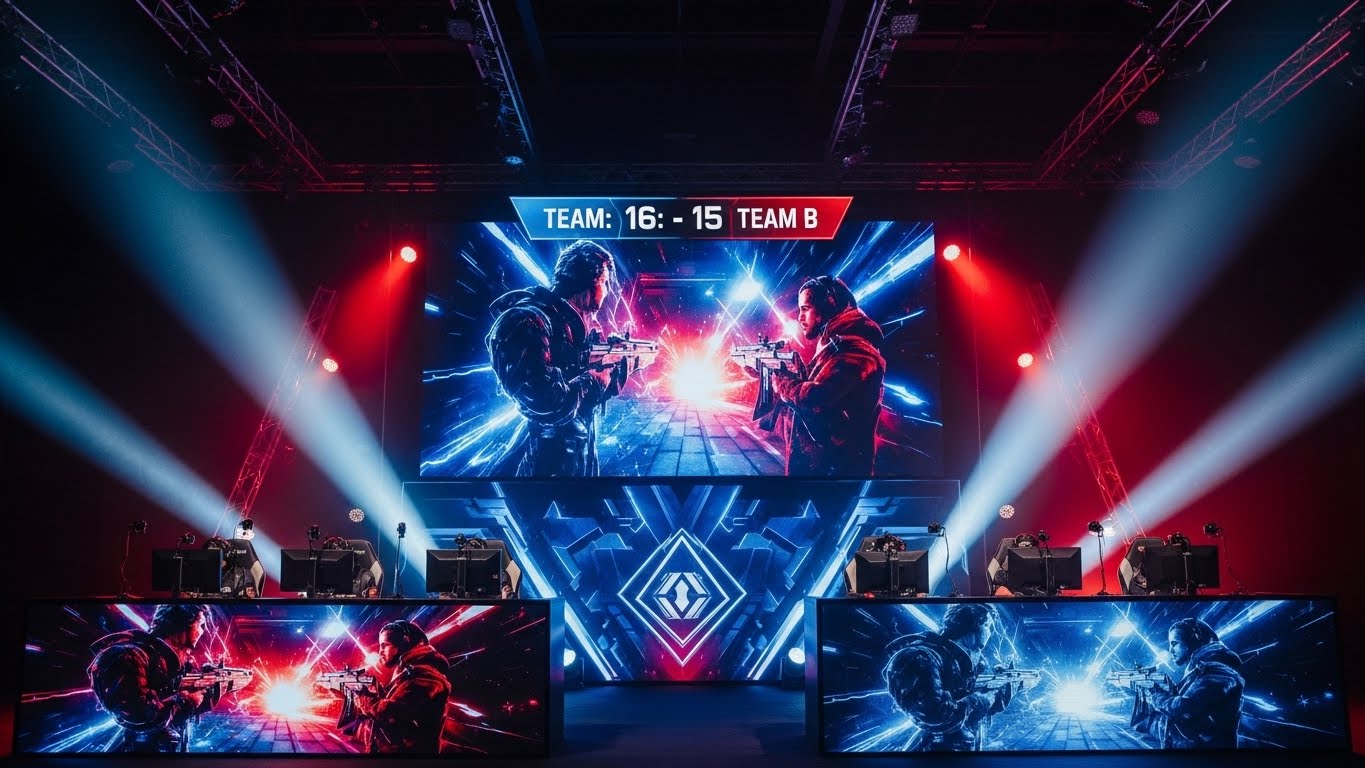
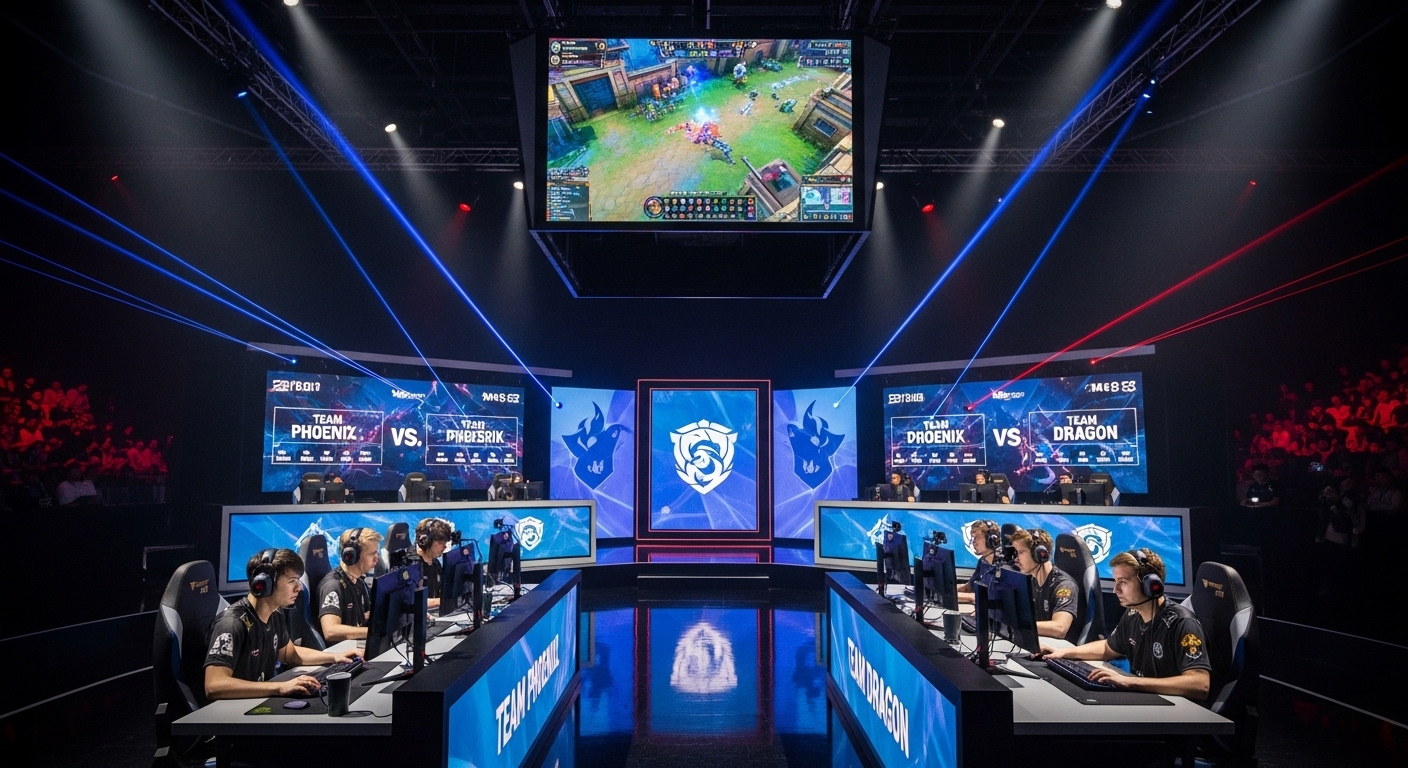
Esports events are more than just games; they are full-fledged spectacles that rival the excitement and drama of traditional sports. Major esports tournaments feature elaborate stages, flashy presentations, and high production values, making them visually engaging experiences. The tension of closely contested matches, the drama of an unexpected comeback, and the joy of victory make esports events thrilling to watch for both casual and dedicated fans.
Take, for instance, The International, the annual Dota 2 World Championship. With its multi-million dollar prize pool, broadcast to millions of viewers, and global fanbase, The International has become a staple event in the esports calendar, drawing comparisons to major sports events like the Super Bowl or the FIFA World Cup. Similar events for games like League of Legends, Counter-Strike: Global Offensive, and Fortnite also showcase the kind of excitement that traditional sports fans are accustomed to.
Esports and Traditional Sports: A Symbiotic Relationship
Another factor contributing to the growth of esports is its increasing integration with traditional sports. Professional sports organizations have recognized the potential of esports as a complementary form of entertainment, with several teams and leagues creating their own esports divisions. In the United States, for example, the NBA launched the NBA 2K League in 2018, a professional esports league centered around the popular NBA 2K video game series. The idea behind these esports leagues is to attract a younger, digitally native audience while also tapping into the growing trend of virtual sports.
Other traditional sports organizations, like the English Premier League and Major League Soccer, have also ventured into the esports arena, sponsoring teams or launching their own esports leagues. These partnerships not only validate the legitimacy of esports as a professional endeavor but also foster cross-promotion between the gaming and sports worlds.
The Future of Esports: What’s Next?
As esports continues to gain traction, many wonder where the industry is headed. While it’s difficult to predict with certainty, there are several trends and developments that could shape the future of competitive gaming.
- Increased Professionalization
Esports is becoming more structured, with established organizations and professional leagues taking center stage. Players are now treated like traditional athletes, with training regimens, sponsorship deals, and media appearances becoming a regular part of their lives. In the future, we may see even greater professionalization, with formal educational programs and career paths dedicated to esports players, coaches, analysts, and event organizers. - Integration with Virtual and Augmented Reality
As technology advances, esports could evolve to include virtual reality (VR) and augmented reality (AR) components. Imagine a Fortnite battle where players are immersed in a 360-degree virtual world, or a League of Legends match where the audience can view the action from different perspectives through AR glasses. These immersive technologies could open up new dimensions for competitive gaming, offering richer and more interactive experiences for both players and viewers. - Cross-Platform Play and Global Tournaments
Another development likely to shape the future of esports is cross-platform play. Many esports titles, such as Fortnite and Rocket League, have already introduced cross-play functionality, allowing players on different platforms (PC, consoles, mobile devices) to compete against each other. This trend could extend to more games, allowing for larger and more diverse competitive scenes. Furthermore, global tournaments with larger prize pools and more international participation are expected to become even more common, bringing together the best players from around the world. - Esports in Education
With the rise of esports, universities and schools are beginning to offer esports scholarships and establish dedicated esports programs. As competitive gaming continues to grow, there will be more opportunities for young players to turn their passion into a career, whether it’s as a professional player, coach, or content creator. Esports could eventually become an integral part of school curriculums, teaching not only gameplay but also skills like teamwork, communication, and strategic thinking. - Diversification and Inclusivity
Finally, as the esports community continues to expand, it’s likely that there will be a greater push for diversity and inclusivity in the scene. Efforts to make esports more welcoming for women, people of color, and other underrepresented groups are already underway, but there’s still much work to be done. In the future, we may see more diverse teams, events, and media representation, helping to break down barriers and make esports a truly global and inclusive community.
Conclusion
Esports is no longer just a niche activity for gamers; it has become a major cultural and economic force. From its roots in online multiplayer games to the creation of multi-million dollar tournaments, esports has captivated audiences worldwide and is poised for even greater success in the future. With its accessibility, entertainment value, and growing integration with traditional sports, esports is quickly becoming a mainstream form of entertainment.
As the industry continues to grow, there are bound to be new opportunities, challenges, and innovations. Whether you’re a casual viewer, a dedicated player, or a professional in the field, it’s clear that esports is here to stay—and its future has never looked brighter.