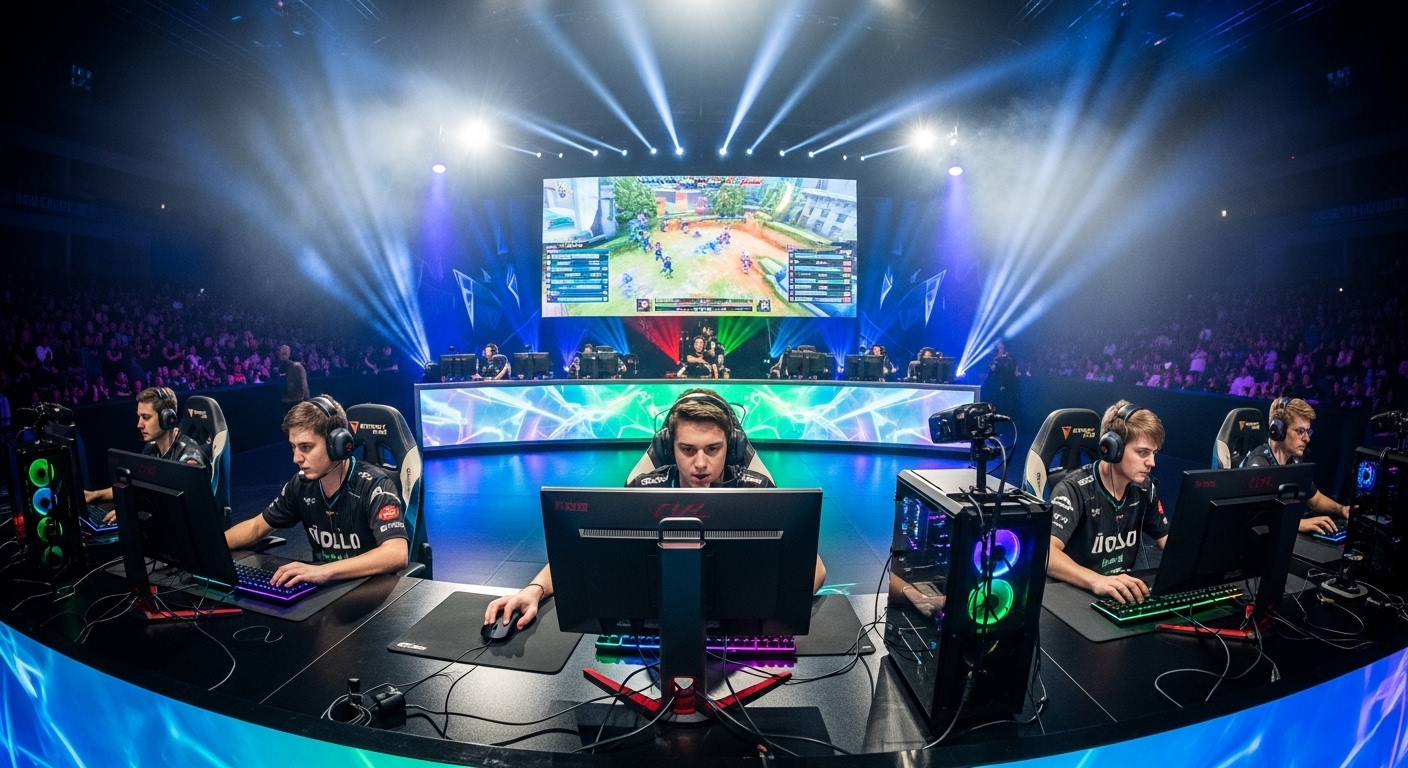
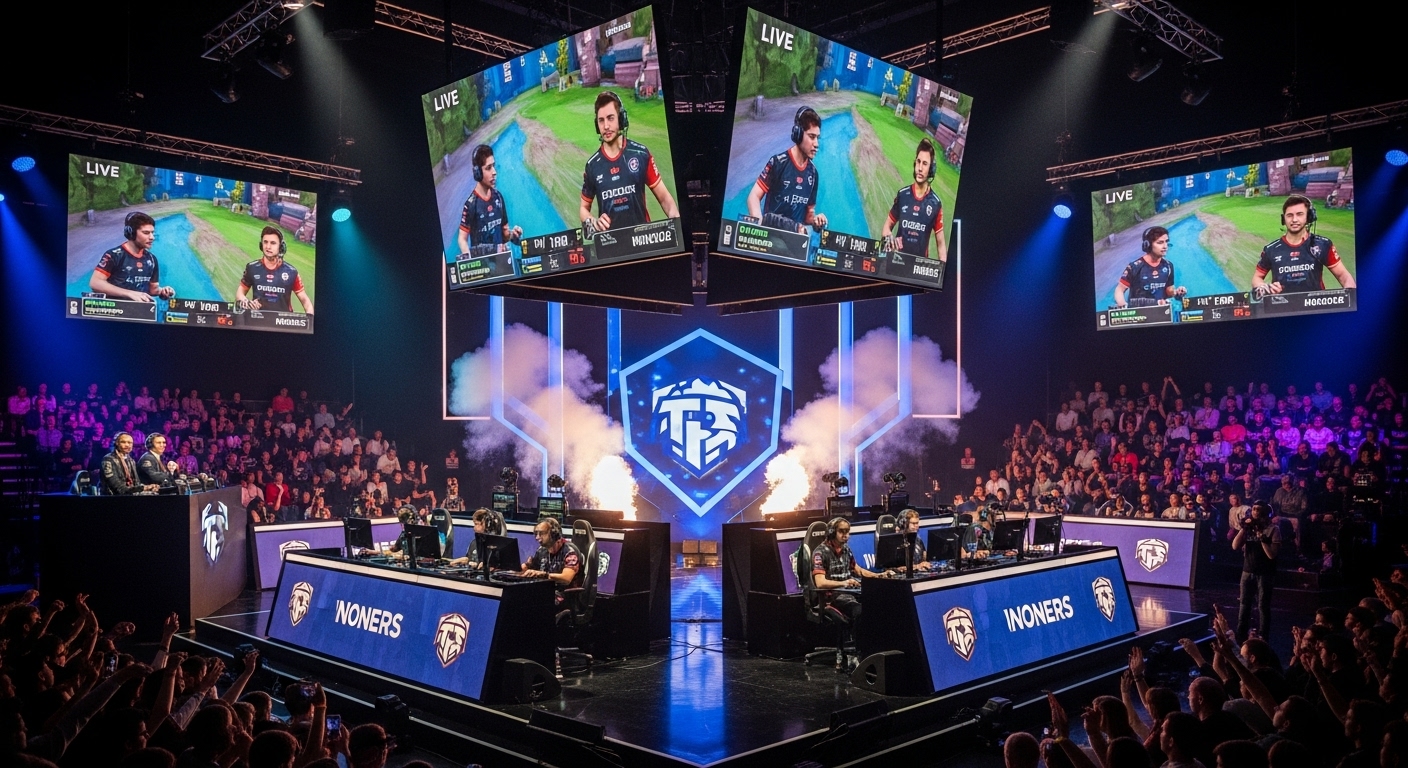
Esports, short for electronic sports, has evolved from being a niche pastime for gaming enthusiasts into one of the most influential entertainment industries in the world. What was once confined to dimly lit arcades and small LAN parties is now filling up massive stadiums, drawing millions of viewers across streaming platforms, and even making its way into schools, universities, and Olympic conversations. The journey of esports is a story of passion, innovation, and the power of community.
The Early Foundations of Esports
The roots of esports can be traced back to the early 1970s when video games themselves were in their infancy. The very first recorded competitive gaming event took place in 1972 at Stanford University, where students competed in a game called Spacewar. The prize was modest—a year’s subscription to Rolling Stone magazine—but the event laid the groundwork for organized video game competition.
By the 1980s, arcade culture was booming. Games like Pac-Man, Donkey Kong, and Space Invaders became global phenomena, and high-score competitions drew local attention. In 1980, Atari held the Space Invaders Championship, attracting over 10,000 participants—a staggering number for that time. This was one of the earliest examples of mass gaming competition and hinted at the cultural power video games were beginning to command.
The 1990s: The Dawn of Organized Competitive Gaming
The 1990s marked a new era for gaming and competition. As technology advanced, personal computers became more accessible, allowing players to connect through local area networks (LAN). LAN parties became the birthplace of many competitive gaming communities. Titles like Doom, Quake, and StarCraft established early competitive ecosystems where skill, speed, and strategy were celebrated.
During this period, organizations like the Cyberathlete Professional League (CPL) and the World Cyber Games (WCG) emerged, laying the infrastructure for professional esports tournaments. South Korea, in particular, became a global hotspot for esports development. The Korean government invested in high-speed internet, and cable networks began broadcasting StarCraft matches, turning players like Lim “BoxeR” Yo-hwan into national celebrities.
By the late 1990s, esports had taken its first steps toward global recognition. However, it was still seen as a subculture—a world known only to passionate gamers, with little mainstream acknowledgment. That would soon change.
The 2000s: The Explosion of Online Play
The 2000s brought broadband internet to the masses, revolutionizing the way people connected and played. Games like Counter-Strike, Warcraft III, Halo 2, and Call of Duty thrived as online competition became seamless. The emergence of online matchmaking systems allowed players across the world to face each other in real-time, creating global communities around shared titles.
This was also the era when major gaming leagues began to formalize esports as a professional career path. The Major League Gaming (MLG) circuit in the United States offered structured tournaments, consistent rules, and cash prizes. Meanwhile, Asia continued to dominate through leagues like Korea’s OnGameNet Starleague and China’s Warcraft tournaments.
Streaming platforms had not yet exploded, but early adopters of video content on sites like YouTube began sharing recorded matches, montages, and highlights. The seeds of esports’ media future were being planted, and by the end of the decade, gaming was poised for an unprecedented boom.
The 2010s: Esports Becomes Mainstream
The 2010s will forever be remembered as the decade when esports officially entered the mainstream. The rise of streaming platforms like Twitch and YouTube Gaming allowed fans to watch their favorite players live from anywhere in the world. For the first time, gamers could connect directly with audiences, building loyal fan bases comparable to traditional sports athletes.
The Birth of Esports Superstars
Games such as League of Legends, Dota 2, and Counter-Strike: Global Offensive became cornerstones of the esports scene. Riot Games’ League of Legends launched in 2009 but quickly exploded into one of the most-watched competitive games in history. The League of Legends World Championship drew millions of viewers, with arenas selling out within minutes.
Valve’s Dota 2 took esports prize pools to another level. The International, an annual global tournament, began crowdsourcing its prize pool through in-game purchases, reaching tens of millions of dollars. Players who once competed for modest earnings were now becoming millionaires through their performance.
Other games like Overwatch, Fortnite, PUBG, and Call of Duty added new dynamics to the ecosystem, drawing in younger audiences and expanding the industry’s global footprint.
The Rise of Streaming and Content Creation
Twitch became the cornerstone of the esports revolution. Players were no longer just competitors—they were entertainers, influencers, and brands. Esports personalities like Ninja, Faker, and Shroud gained millions of followers, influencing not only gaming but also mainstream culture.
Streaming blurred the line between competition and entertainment. Fans could watch live matches, scrimmages, or even casual play, fostering a deeper connection between players and viewers. This level of accessibility made esports more inclusive and social than ever before.
YouTube, Facebook Gaming, and other platforms joined the race, each competing for exclusive broadcasting rights to major tournaments. Esports had officially become a spectator sport, and viewership numbers began rivaling those of traditional sporting events.
The Economics of Esports
Behind the spectacle lies a multi-billion-dollar industry. Esports now generates revenue through sponsorships, advertising, media rights, merchandise, and ticket sales. Brands like Intel, Red Bull, Adidas, and Coca-Cola invest heavily in esports sponsorships to reach younger demographics that traditional advertising often misses.
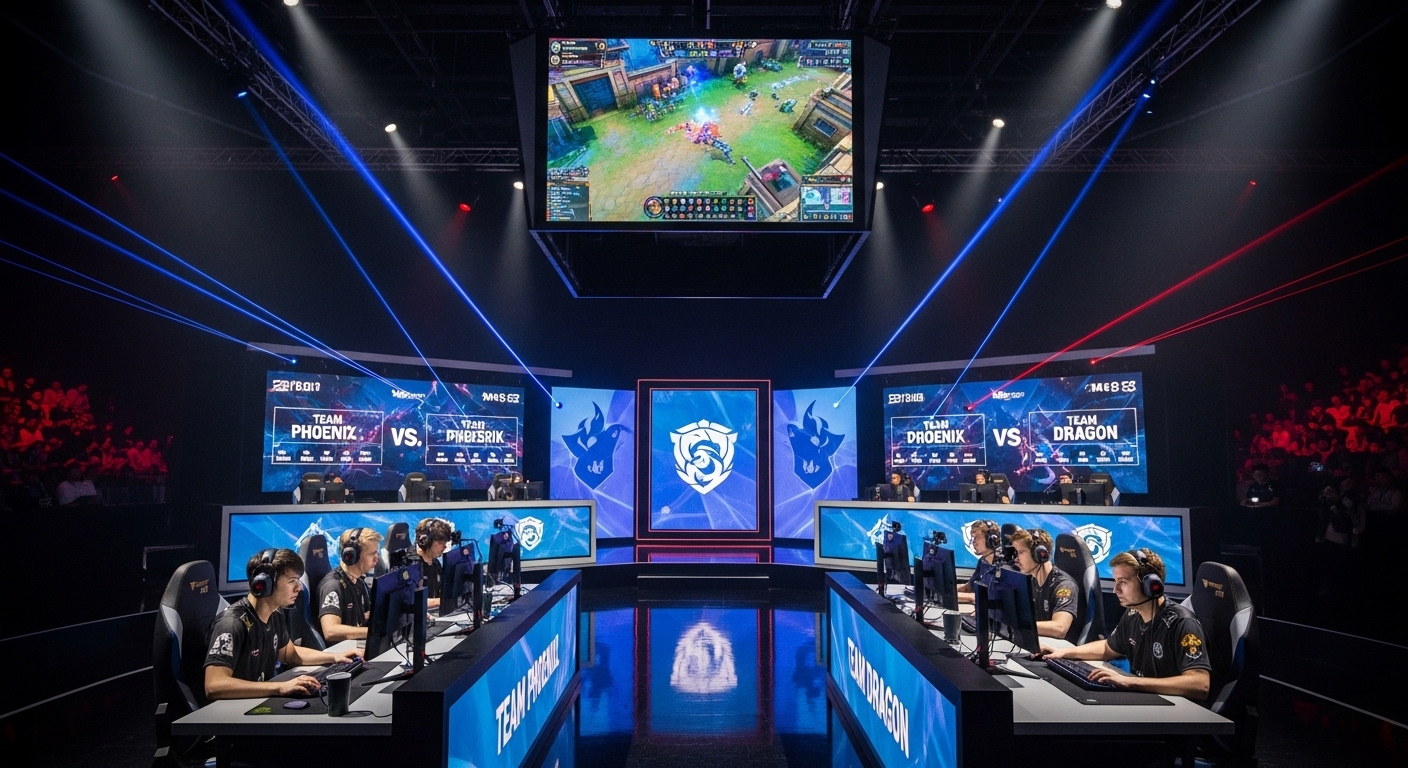
Franchising models introduced by games like Overwatch League and Call of Duty League mirrored professional sports structures, with city-based teams, player contracts, and salary caps. The stability of these leagues helped legitimize esports as a sustainable business model rather than a passing trend.
Prize pools also skyrocketed. The Dota 2 International 2021 offered more than $40 million in total prizes, surpassing even many major sporting tournaments. Esports athletes began earning six-figure salaries, with additional income from sponsorships, streaming, and endorsements.
The Social and Cultural Impact
Esports has transcended its status as a mere pastime—it is now a cultural movement. It has reshaped how younger generations socialize, compete, and even view entertainment. In many ways, esports represents the digital evolution of sportsmanship and teamwork.
Esports as a Career
The days when gaming was seen as a hobby are gone. Today, esports offers viable career paths not just for players but also for coaches, analysts, commentators, content creators, marketers, and event organizers. Universities around the world now offer esports scholarships, and dedicated esports arenas are being constructed on campuses.
Diversity and Inclusion
The esports community is also becoming more diverse. While it has historically been male-dominated, efforts to promote inclusion have increased. Female tournaments, mixed-gender leagues, and organizations promoting representation are helping broaden the industry’s reach. Initiatives like Women in Esports and GirlGamer Festival encourage participation and visibility for underrepresented groups.
The Role of Technology in Esports Growth
Technological advancement has always been at the heart of esports. Faster processors, better graphics cards, lower latency networks, and high-refresh monitors have pushed performance boundaries. But beyond hardware, software innovation has played an equally vital role.
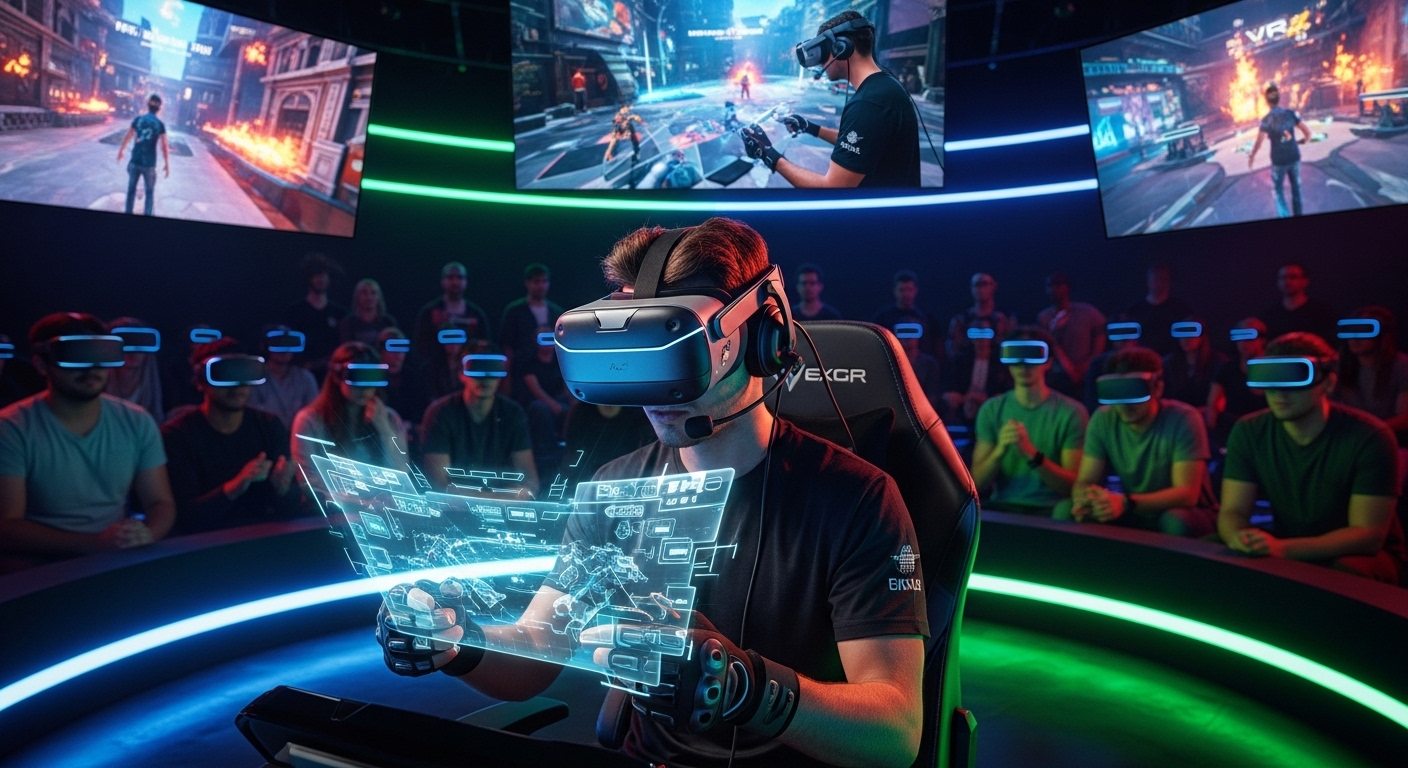
Game developers now integrate spectator modes, replay tools, and AI-driven analytics to enhance both player and viewer experiences. Virtual reality (VR) and augmented reality (AR) are beginning to find their way into competitive gaming, hinting at a future where digital and physical realities merge seamlessly.
Cloud gaming could also reshape accessibility, allowing players to compete without expensive hardware. As technology continues to evolve, so too will the ways we experience and engage with esports.
The Psychology of Competition
At its core, esports is about human competition—reaction times, decision-making, teamwork, and resilience. The mental stamina required to perform at a professional level rivals that of traditional athletes. Players train for long hours daily, focusing on strategy, reflexes, and communication.
Coaches and psychologists are now an essential part of esports teams, addressing issues like burnout, focus, and teamwork. The mental health conversation has gained traction, with many organizations emphasizing wellness and balanced training routines to ensure longevity in players’ careers.
The Esports Audience: A Global Phenomenon
Esports has one of the most passionate fan bases in the world. According to global reports, the esports audience surpassed half a billion people by the early 2020s. Viewership comes from every continent, with Asia leading, followed by North America and Europe.
Fans engage across multiple platforms—Twitch, YouTube, TikTok, and even television. Unlike traditional sports, esports is not restricted by geography or weather. It’s accessible to anyone with an internet connection, creating a truly global community united by digital competition.
Esports and Traditional Sports: A New Rivalry
The relationship between esports and traditional sports has evolved from skepticism to collaboration. Initially, traditional sports leagues dismissed gaming as a passing fad. However, the success of esports forced many to rethink their stance.
Today, major sports organizations like the NBA, FIFA, and Formula 1 have their own esports divisions. NBA 2K League, FIFA eWorld Cup, and F1 Esports Series are bridging the gap between physical and digital competition. Many professional athletes have also invested in esports organizations, recognizing its potential and cultural influence.
The Role of Education and Research in Esports
Educational institutions have embraced esports not only as an extracurricular activity but also as an academic discipline. Universities in the United States, South Korea, and Europe offer degrees in esports management, marketing, and game design.
Research into player performance, ergonomics, and digital wellness is also growing. Esports training facilities now resemble professional sports complexes, with specialized equipment, health monitoring, and performance analytics.
This integration of academia and esports is shaping the next generation of professionals who will lead the industry forward.
Challenges Facing the Esports Industry
Despite its meteoric rise, esports is not without challenges. Issues like player burnout, inconsistent regulations, and match-fixing scandals occasionally taint its image. Additionally, the fast pace of technological evolution means games can rise and fall in popularity quickly, making long-term stability difficult.
Monetization models also continue to evolve. While sponsorships remain a primary income source, balancing profitability with player welfare and fan accessibility is a delicate act. Furthermore, maintaining integrity in online competition—ensuring fairness and anti-cheating measures—remains an ongoing battle.
Esports and the Future of Entertainment
The future of esports is not just about gaming—it’s about the fusion of entertainment, technology, and storytelling. Esports events now include live performances, celebrity appearances, and cinematic productions rivaling those of major film festivals.
As the metaverse concept develops, esports could become the central hub of digital socialization, where players and fans interact in shared virtual spaces. Imagine attending a live tournament as a virtual avatar, cheering alongside thousands of others from around the world.
Esports is also influencing how future generations view sports. Many young fans identify more with digital athletes than traditional ones. This cultural shift suggests that esports is not replacing traditional sports but redefining what competition means in the digital age.
The Global Power of Esports Communities
Perhaps the most remarkable aspect of esports is its community. From local tournaments to massive international championships, esports thrives on connection. Fans create art, memes, fanfiction, and commentary that sustain engagement between events. Online forums, social media, and Discord channels serve as digital stadiums where fans gather, debate, and celebrate.
This participatory culture is what gives esports its enduring energy. The community doesn’t just consume content—it creates it. That creativity fuels the industry’s innovation, making esports a living, breathing ecosystem rather than a static form of entertainment.
Conclusion: The Future Is Competitive
From a small Spacewar contest in 1972 to billion-dollar international tournaments, esports has come an incredibly long way. It represents the merging of technology, culture, and human ambition. What started as a niche hobby has become a global phenomenon—an intersection of competition, creativity, and connection.
As technology continues to advance, esports will only grow stronger. It stands as a testament to the modern human spirit: adaptive, inventive, and endlessly driven to play, compete, and evolve. The next generation of champions is already online, training not just for glory but for the future of digital competition itself.