Introduction
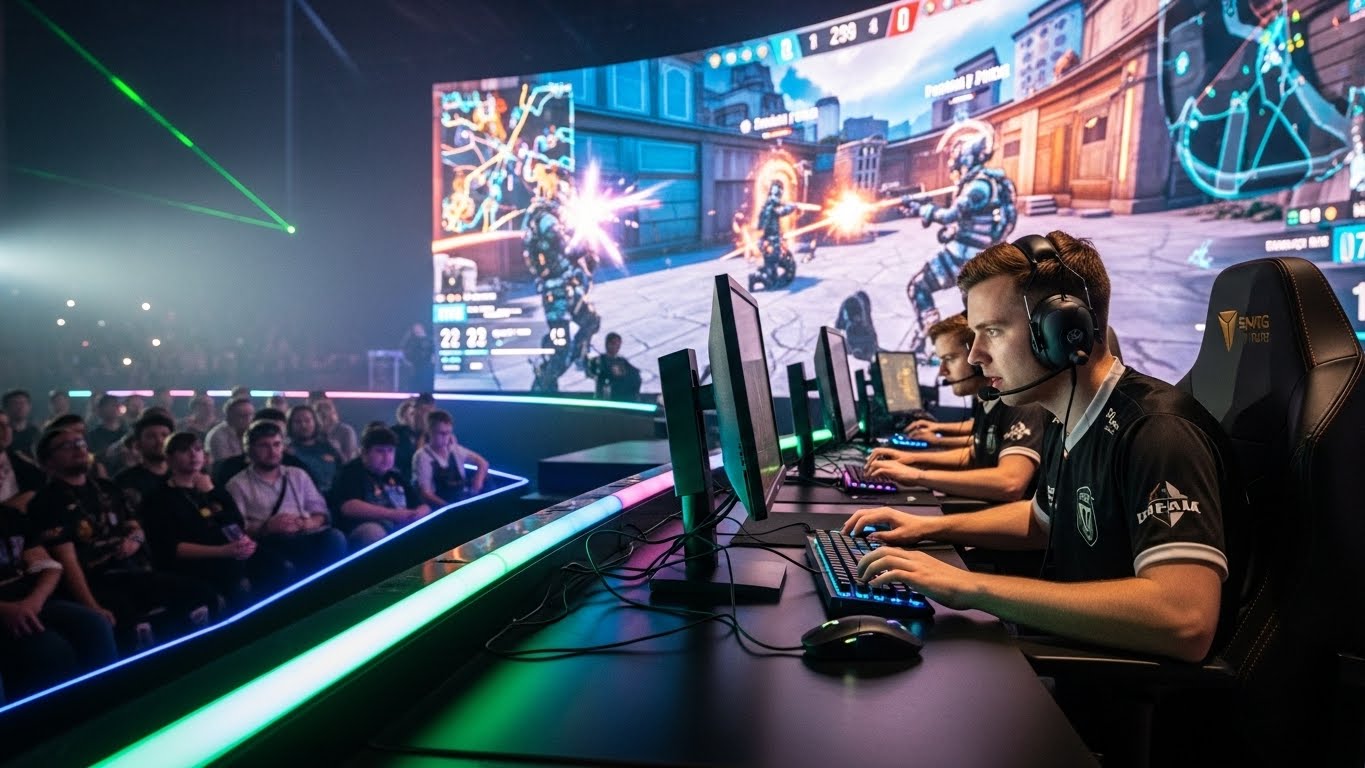
eSports, once a niche hobby for gamers, has become a global entertainment phenomenon that transcends cultural and geographical boundaries. From casual gaming competitions to multi-million-dollar tournaments, the world of competitive gaming has rapidly transformed into one of the most lucrative and watched sports in the world. The rise of eSports has not only revolutionized the gaming industry but has also created new opportunities for players, teams, content creators, and fans alike.
What makes eSports so captivating is its ability to merge gaming, competition, and entertainment into a singular experience. Whether you’re a player, a fan, or a spectator, eSports offers an immersive and dynamic world of challenges, teamwork, and excitement. In this blog post, we’ll explore the journey of eSports, its massive growth, the cultural impact it has made, and where the industry is headed in the future.
The Origins of eSports: From Casual Gaming to Competitive Leagues
The story of eSports dates back to the early days of video games. In the 1970s, arcade games like “Pong” and “Space Invaders” brought the idea of competitive gaming to the masses, but it was still a novelty, with little structure or organization. The first major event that could be considered an eSports competition took place in 1980 when Atari held a competition for “Space Invaders,” offering prizes for the highest scores. However, it wasn’t until the 1990s that competitive gaming began to take a more organized form.
The rise of the personal computer in the 1990s paved the way for online multiplayer games such as “Quake,” “StarCraft,” and “Warcraft.” These games allowed players to compete against each other in real-time over the internet, which was a game-changer for competitive gaming. By the late 1990s and early 2000s, competitive gaming tournaments started to become a regular feature, with events like the World Cyber Games and DreamHack becoming prominent. These tournaments were often held in large venues, attracting thousands of players and spectators.
However, it was South Korea that became the epicenter of eSports in the early 2000s. With its high-speed internet infrastructure and a cultural affinity for gaming, South Korea helped propel competitive gaming into the mainstream. Games like “StarCraft” and “League of Legends” became national obsessions, and dedicated eSports TV channels were launched to broadcast tournaments, giving rise to a new era of professional gaming.
The Professionalization of eSports: From Hobby to Career
As the competitive gaming scene grew, so did the professionalism surrounding it. The 2010s marked a turning point, as eSports transitioned from a hobbyist activity to a legitimate career path for players, coaches, and analysts. The success of games like “League of Legends,” “Dota 2,” and “Counter-Strike: Global Offensive” created opportunities for professional players to earn substantial salaries through tournament winnings, sponsorships, and streaming revenue.
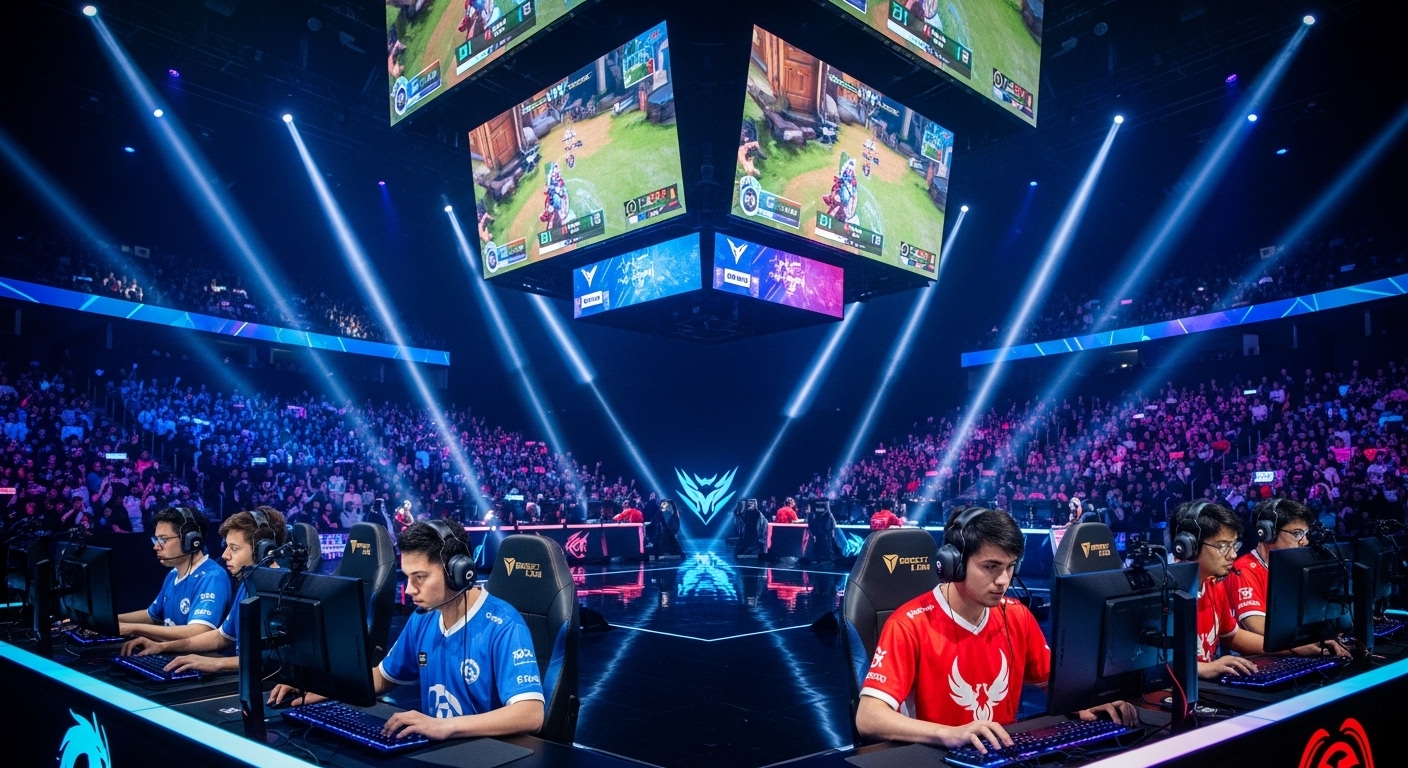
Tournaments and Leagues: eSports now features organized leagues and tournaments with regular seasons, playoffs, and championship events. For instance, the “League of Legends World Championship” (commonly known as Worlds) is an annual event where teams from around the world compete for the coveted championship title and a multi-million-dollar prize pool. Similarly, “The International,” the premier tournament for “Dota 2,” consistently offers one of the largest prize pools in all of competitive gaming, sometimes exceeding $30 million. These high-stakes competitions attract thousands of spectators in arenas and millions of online viewers, with live streams available on platforms like Twitch and YouTube.
Professional Teams and Sponsorships: Just like traditional sports, eSports teams have become a key part of the landscape. Organizations such as Cloud9, Team Liquid, and FaZe Clan have professional rosters across multiple games, with players signed to contracts that include salaries, sponsorships, and merchandise deals. These teams are sponsored by some of the world’s largest brands, from tech giants like Intel and NVIDIA to lifestyle brands like Red Bull and Coca-Cola. The sponsorship deals provide teams with the financial resources needed to operate, pay their players, and invest in training facilities and coaches.
Coaches, Analysts, and Casters: Behind every successful team, there’s a support system that includes coaches, analysts, and casters. Coaches develop strategies, provide guidance, and help players refine their skills. Analysts break down gameplay and provide insights for both players and fans, explaining the strategies and tactics used in each match. Casters, or commentators, provide play-by-play coverage of the matches, keeping the audience engaged with dynamic commentary, similar to what you would hear in traditional sports broadcasts.
The Rise of Streaming: Connecting Players and Fans
One of the most significant drivers behind eSports’ growth has been the rise of streaming platforms. Services like Twitch, YouTube Gaming, and Facebook Gaming have made it easier than ever for players to broadcast their gameplay to a global audience. Streaming has become a cornerstone of the eSports experience, offering fans a chance to watch live competitions, follow their favorite players, and interact with the gaming community in real-time.
Twitch and YouTube: Twitch, in particular, has become the go-to platform for eSports events. With millions of active streamers and viewers, Twitch provides a space for professional players to stream their gameplay, as well as for fans to watch live tournaments and engage with the gaming community. YouTube Gaming has also carved out a substantial portion of the streaming market, offering gamers and content creators the ability to upload, stream, and monetize their content. These platforms have helped bridge the gap between players and their fans, fostering a global community that transcends borders.
Monetization and Revenue: Streamers can earn money through ads, sponsorships, subscriptions, and donations from fans. Popular streamers can make millions of dollars per year, often surpassing the income of traditional sports athletes. As the gaming industry grows, so does the potential for content creators to earn revenue from their streams, merchandise sales, and even live appearances at eSports events.
The Economic Impact of eSports
eSports has quickly become a multi-billion-dollar industry. The economic impact of eSports is vast, with revenue coming from multiple sources, including sponsorships, advertising, media rights, ticket sales, merchandise, and live streaming. The global eSports market is expected to continue its upward trajectory, with industry projections indicating that it will surpass $1.5 billion in annual revenue within the next few years.
Sponsorships: Major brands have taken notice of eSports’ growing popularity and have jumped on the bandwagon with substantial sponsorship deals. Companies like Intel, Coca-Cola, Mercedes-Benz, and Samsung have all invested heavily in eSports sponsorships. These companies are eager to reach a younger, tech-savvy audience that is deeply engaged with the world of gaming and digital entertainment.
Ticket Sales and Live Events: eSports tournaments are now major events that attract thousands of spectators to stadiums and arenas. In addition to online viewership, live events generate significant revenue from ticket sales, merchandise, and sponsorships. The “League of Legends World Championship” and “The International” both attract massive crowds, and some events are broadcasted to millions worldwide via live-streaming platforms and television networks.
Prize Pools and Player Earnings: As mentioned earlier, eSports prize pools can be enormous. The total prize pool for “The International” consistently exceeds $30 million, with winning teams taking home a large chunk of the prize money. Professional players have turned their passion into a full-time career, earning income from tournament winnings, sponsorships, and streaming deals.
The Cultural Impact of eSports
Beyond its financial success, eSports has had a profound cultural impact. It has transformed gaming from a solitary activity into a global spectacle, creating a sense of community among fans and players alike. The rise of eSports has also changed the way we view traditional sports, with many people now considering competitive gaming to be just as exciting, if not more, than physical sports.
Global Fanbase: eSports has developed a truly global fanbase, with millions of people around the world tuning in to watch their favorite players and teams compete. Fans from all corners of the globe connect over their shared love of games, creating a sense of camaraderie that transcends borders. The ability to stream live events and interact with players in real-time has allowed eSports to foster a unique global community.
Youth Engagement and Career Opportunities: eSports has also introduced new career opportunities for young people. While gaming was once seen as a hobby, it is now viewed as a legitimate career path. Players, coaches, analysts, and broadcasters are just some of the roles that have emerged within the eSports industry. Moreover, there are opportunities in game development, event management, marketing, and content creation. The industry has created jobs that didn’t exist a decade ago, and as eSports continues to grow, these opportunities will expand.
Social Media and Streaming Communities: eSports has become a powerful force on social media platforms like Twitter, Instagram, and Reddit. Fans follow their favorite teams and players, while professional gamers interact with their fans directly. This accessibility and interaction are key elements of eSports’ success, allowing fans to feel connected to the players and events in ways that traditional sports do not.
Challenges Facing eSports
While the future of eSports is bright, the industry still faces several challenges. Issues such as player burnout, mental health, and online toxicity need to be addressed for eSports to continue its growth.
Player Burnout and Mental Health: The intense training schedules, long hours of practice, and constant travel for tournaments can take a toll on players’ mental and physical health. Burnout, anxiety, and depression are concerns that the industry is slowly beginning to acknowledge. Many organizations are now providing mental health support for players to ensure their well