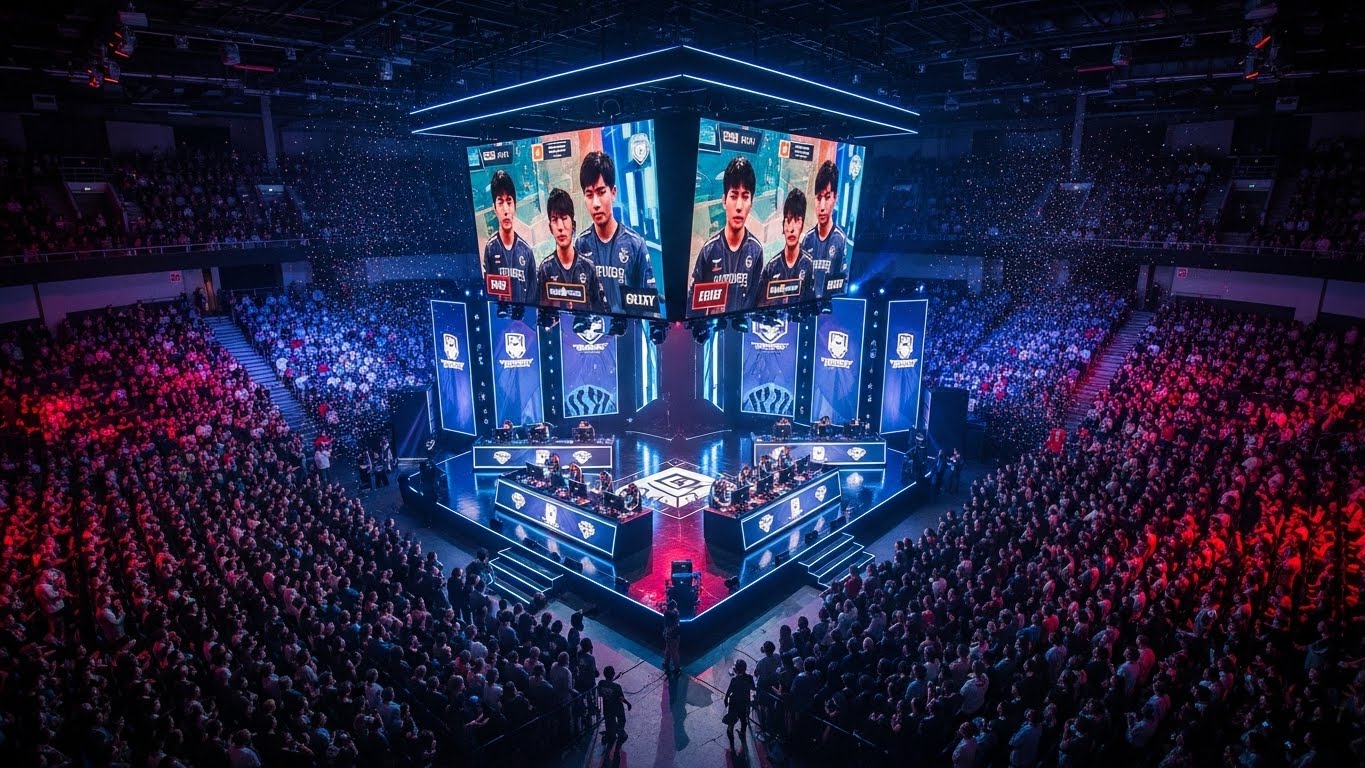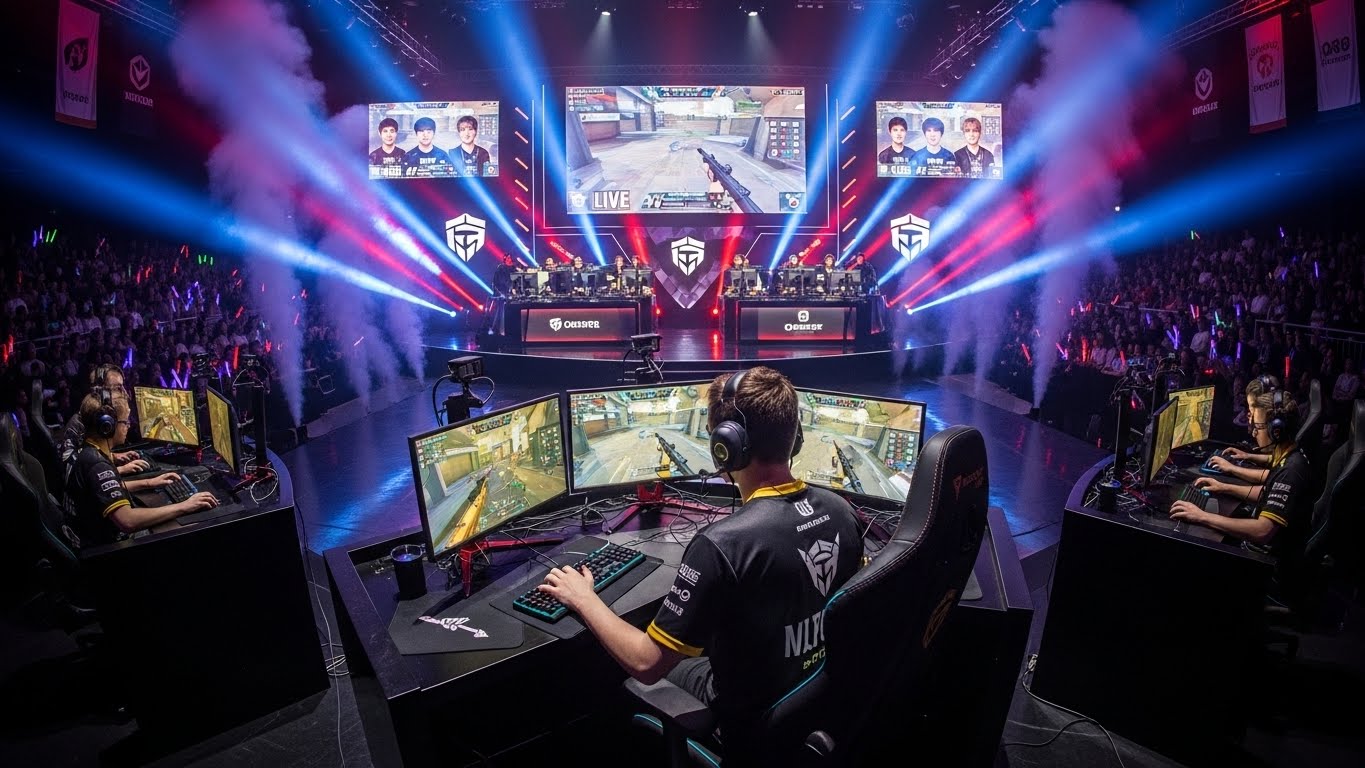
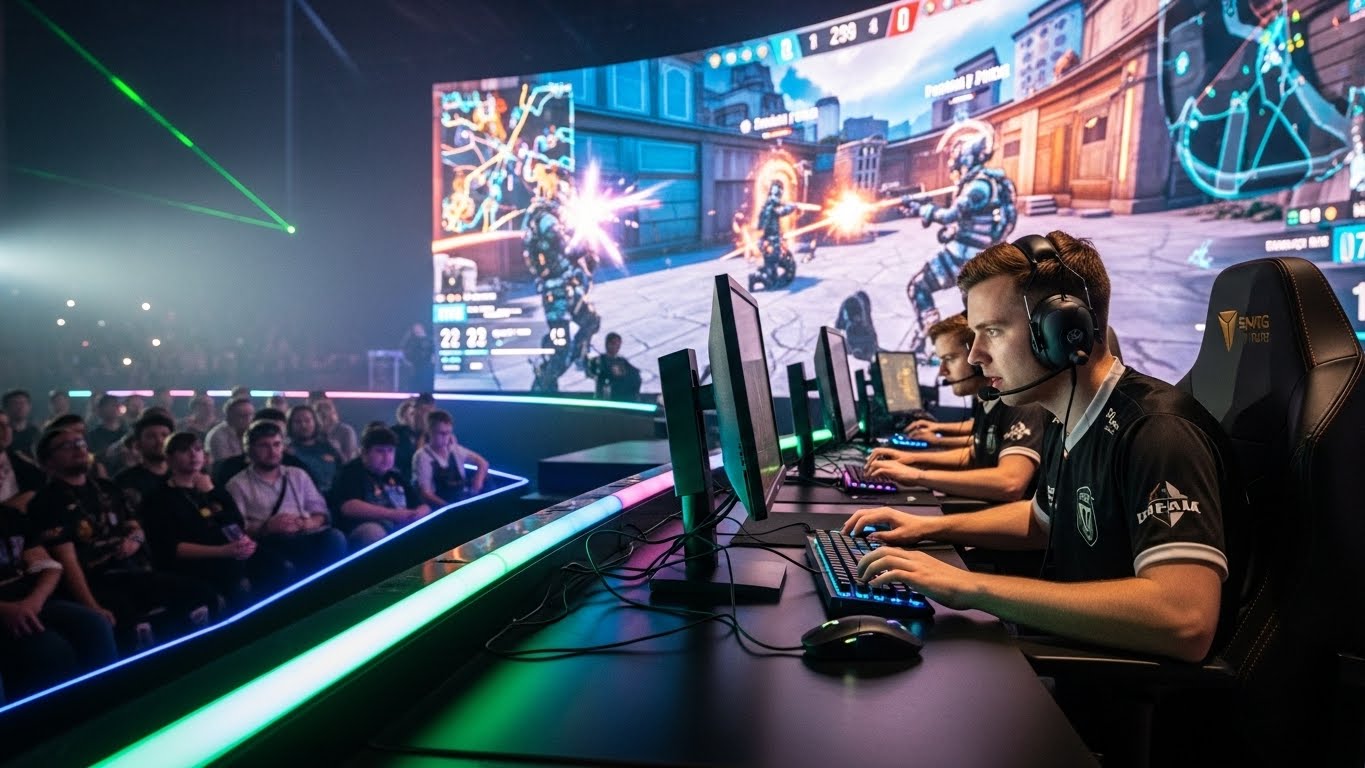
Esports has rapidly grown from a quiet subculture to a global powerhouse of entertainment, technology, and competition. What once happened in arcades and living rooms has now become a billion-dollar industry with professional athletes, global tournaments, and millions of devoted fans. As the world becomes increasingly digital, esports stands at the forefront of modern entertainment, redefining what competition means in the twenty-first century. This blog explores the rise of esports, its cultural significance, the skills required to succeed, and the direction this dynamic industry is heading.
The Digital Roots of Competitive Gaming
The foundation of esports began in the early days of video gaming when players gathered to challenge each other for high scores and bragging rights. Early home consoles and arcade machines brought competitive excitement to local communities. As network technology improved, players moved from local battles to online arenas, expanding competition to a global scale. This shift transformed gaming from a casual pastime into a highly structured competitive field.
By the early 2000s, organized tournaments and professional teams began to form. The growing availability of high-speed internet made it possible for millions of players to test their skills against opponents worldwide. As new genres emerged, esports gained depth, strategy, and explosive popularity. What started as a niche interest soon evolved into a professional ecosystem filled with leagues, sponsors, analysts, and fans.
The Global Expansion of Esports
Today, esports reaches audiences in nearly every corner of the world. Major events consistently draw millions of viewers, and professional teams compete as fiercely as athletes in traditional sports. Countries in Asia, Europe, and North America have embraced esports culture, giving rise to competitive regions with unique strengths and styles.
This expansion has also elevated esports into mainstream culture. Schools and universities are forming esports clubs and scholarship programs, while major media outlets now cover esports events alongside traditional sporting competitions. For many young people, esports is more than entertainment—it is a legitimate career path and a cultural identity.
The Competitive Landscape
Esports spans a wide range of game genres, each requiring different skills and strategies. Multiplayer battle arena games, first-person shooters, strategy games, and sports simulations all have thriving competitive communities. Each title features its own leagues, ranking systems, and team structures. Players must master complex mechanics, adapt to frequent updates, and analyze opponents’ strategies to stay competitive.
Professional esports teams mirror the structure of traditional sports organizations. They employ coaches, analysts, managers, and physical trainers. Players practice rigorously, sometimes for hours each day, to refine their skills and prepare for upcoming tournaments. Training sessions include mechanical practice, strategy breakdowns, and scrimmages against rival teams. This level of preparation demonstrates the discipline required to succeed in modern esports.
The Skillset of an Esports Athlete
Esports athletes are often underestimated, yet their abilities are comparable to those found in traditional sports. Quick reaction times, precise coordination, and mental endurance are essential at high levels of play. A single moment of hesitation or miscommunication can determine the outcome of a match.
Mental skills are equally critical. Players must make strategic decisions in real time, read opponents’ movements, and coordinate with teammates under intense pressure. The cognitive load during competitive matches is immense, requiring exceptional focus and long-term planning. Adaptability is another important trait, since game developers frequently introduce updates that alter game mechanics and strategies.
While esports is primarily digital, physical wellness cannot be ignored. Many organizations now emphasize physical conditioning to support mental performance and prevent injuries such as wrist strain and back problems. Balanced routines, stretching, and proper posture help athletes stay competitive and healthy.
Esports as a Cultural Movement
Esports is more than a competitive industry—it is a cultural movement shaped by creativity, community, and digital interaction. Fans engage with players through live streams, social media, and gaming platforms, building communities that transcend geographic boundaries. These interactions create a sense of connection between players and spectators unlike anything in traditional sports.
Esports culture also influences music, fashion, art, and technology. Gaming-inspired clothing brands, virtual concerts, and digital events demonstrate how esports blends entertainment and lifestyle. This cultural fusion appeals particularly to younger generations who grew up with technology as a central part of life.
Educational Value and Personal Development
Esports provides valuable educational and developmental opportunities for players of all ages. Team-based games teach communication, leadership, and problem-solving skills. Players learn to collaborate under pressure, manage resources, and adapt to unpredictable outcomes. These skills translate directly into academic and professional success.
Educational institutions are beginning to recognize the potential of esports. Schools now offer training programs, tournaments, and scholarships for talented players. Esports clubs help students develop social connections and confidence, while academic programs teach game design, digital storytelling, and media production. These opportunities position esports as a meaningful tool for learning and career development.
The Business of Esports
The esports industry has grown into a robust economic ecosystem. Revenue comes from sponsorships, merchandise, media rights, and ticket sales. Brands across technology, entertainment, and even traditional sports are investing heavily in esports due to its large and engaged audience.
Organizations compete to sign top-tier players and build championship-level teams. Production companies create high-quality broadcasts that rival traditional sports shows. Event organizers host global tournaments featuring elaborate stage designs, commentary desks, and live audiences. As business opportunities expand, esports continues to strengthen its presence in the global entertainment industry.
Technology: The Backbone of Esports
Technology plays a central role in the development of esports. Modern gaming equipment, advanced graphics, and sophisticated software make competitive gaming immersive and precise. High refresh rate monitors, programmable keyboards, and advanced controllers give athletes the tools they need to perform at their best.
Streaming technology is equally important. High-quality broadcasts allow fans to watch matches in real time, complete with commentary, analysis, and interactive chat features. The rise of digital broadcasting has helped esports grow more rapidly than traditional sports, since viewers can tune in instantly from anywhere.
Emerging technologies such as virtual reality and cloud gaming promise to introduce new competitive formats. These innovations will continue to push esports forward, offering players and fans new ways to engage with digital competition.
Health and Wellness in Esports
As esports has become more structured, awareness of player health has grown. Long practice hours can lead to physical strain, while the mental pressure of competition affects emotional well-being. Teams now work with fitness coaches and mental health professionals to maintain healthy training environments.
Physical exercise is encouraged to improve endurance and prevent injuries. Regular breaks, ergonomic setups, and wellness routines help players sustain long careers. Mental training, including mindfulness and focus exercises, supports emotional resilience and competitive performance. These health practices show that esports athletes require holistic care to remain at peak performance.
Challenges Facing the Esports Industry
Despite its success, esports faces several challenges. Maintaining competitive integrity is critical, as issues such as cheating or match manipulation threaten the industry’s reputation. Ensuring player welfare is another concern, especially for young athletes who enter competitive scenes early.
The rapid pace of digital change also creates uncertainty. New games rise and fall quickly, requiring constant adaptation from players and organizations. Regulatory standards are still developing, leading to inconsistencies in competition rules, contracts, and player rights.
However, the esports community continues to address these challenges with transparency, technological solutions, and collaborative efforts. As the industry matures, these concerns are becoming more manageable and better understood.
The Future of Esports
The future of esports is incredibly bright. As digital entertainment evolves, esports will continue to shape how we compete, communicate, and connect. The merging of virtual and real-world experiences will create innovative tournament formats and immersive viewing experiences.
Career opportunities will expand as the industry grows, offering pathways in coaching, broadcasting, content creation, event management, and game development. Educational programs will deepen, and international competitions will grow even more sophisticated.
Esports represents a new era of competitive excellence—one that blends technology, skill, creativity, and community. Its influence will continue to spread across culture, business, and entertainment, shaping the digital world for years to come.
Conclusion
Esports is more than a trend; it is a transformative movement redefining sports and digital culture. It blends strategy, skill, teamwork, and technology into a powerful form of entertainment and personal development. Players push the limits of digital competition, while fans support them with passion and pride. As esports continues to evolve, it stands as a symbol of modern creativity and innovation.
The journey of esports—from arcade machines to giant arenas—shows how human connection and competition can thrive in any environment. The screen is no longer a barrier; it is a gateway to excellence, unity, and limitless potential.