Introduction
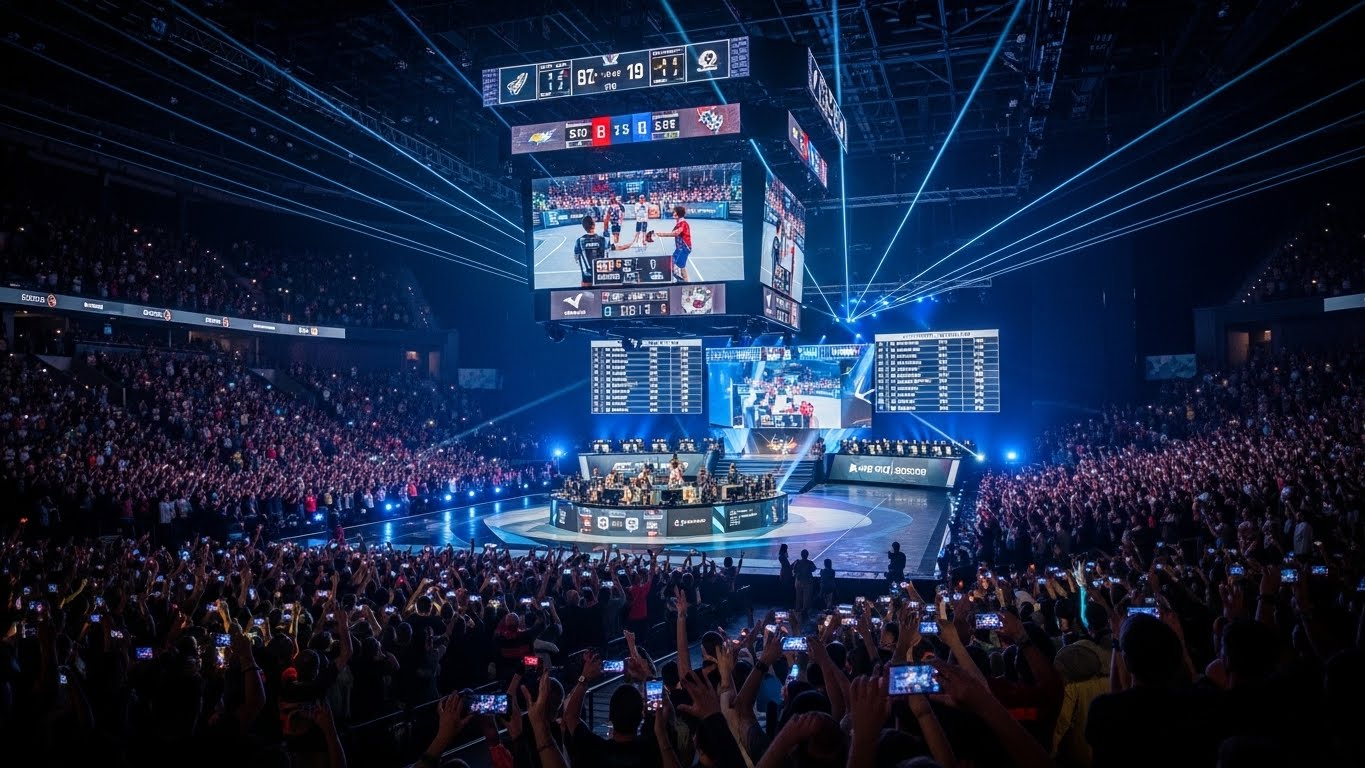
In the past few decades, the world has witnessed an extraordinary transformation in the way people experience entertainment, competition, and technology. One of the most groundbreaking developments in this evolution is the rise of Esports, short for electronic sports. What began as a small niche of video game enthusiasts competing for fun has now evolved into a global industry worth billions of dollars, drawing in millions of players, fans, and investors from across the world. Esports is no longer confined to the dimly lit corners of gaming cafes; it fills entire stadiums, commands massive online audiences, and even influences mainstream culture. The fusion of technology, strategy, and passion has given birth to a new age of competition where virtual skill rivals physical prowess.
The Origins of Esports
The concept of organized competitive gaming dates back further than many realize. The roots of Esports can be traced to the early 1970s when video games like Spacewar! and Pong sparked the first informal tournaments among students and enthusiasts. In 1972, Stanford University hosted what is widely regarded as the first video game competition, known as the Intergalactic Spacewar Olympics, offering a year’s subscription to Rolling Stone magazine as the prize.
By the 1980s, video game competitions began to attract more attention, thanks to the popularity of arcade machines and early home consoles. Titles such as Pac-Man, Donkey Kong, and Tetris became arenas for players to prove their dominance. The arrival of the internet in the 1990s revolutionized gaming further, allowing players to compete against others without being in the same location. Games like Doom, Quake, and StarCraft became the early pillars of online multiplayer competitions, laying the foundation for what would later become the modern Esports industry.
The Growth of Competitive Gaming Culture
As technology advanced, gaming transitioned from being a solitary pastime to a highly social experience. Online multiplayer modes, voice chat, and streaming services changed how players interacted. Competitive gaming started to gain legitimacy as a form of organized sport. The early 2000s marked the dawn of professional Esports leagues and tournaments, with titles such as Counter-Strike, Warcraft III, and Halo leading the charge.
In Asia, particularly South Korea, Esports became a cultural phenomenon. The rise of StarCraft turned professional players into celebrities, and gaming arenas filled with thousands of fans cheering for their favorite teams. The Korean model inspired other countries to take Esports seriously, with government recognition, sponsorships, and even dedicated television broadcasts.
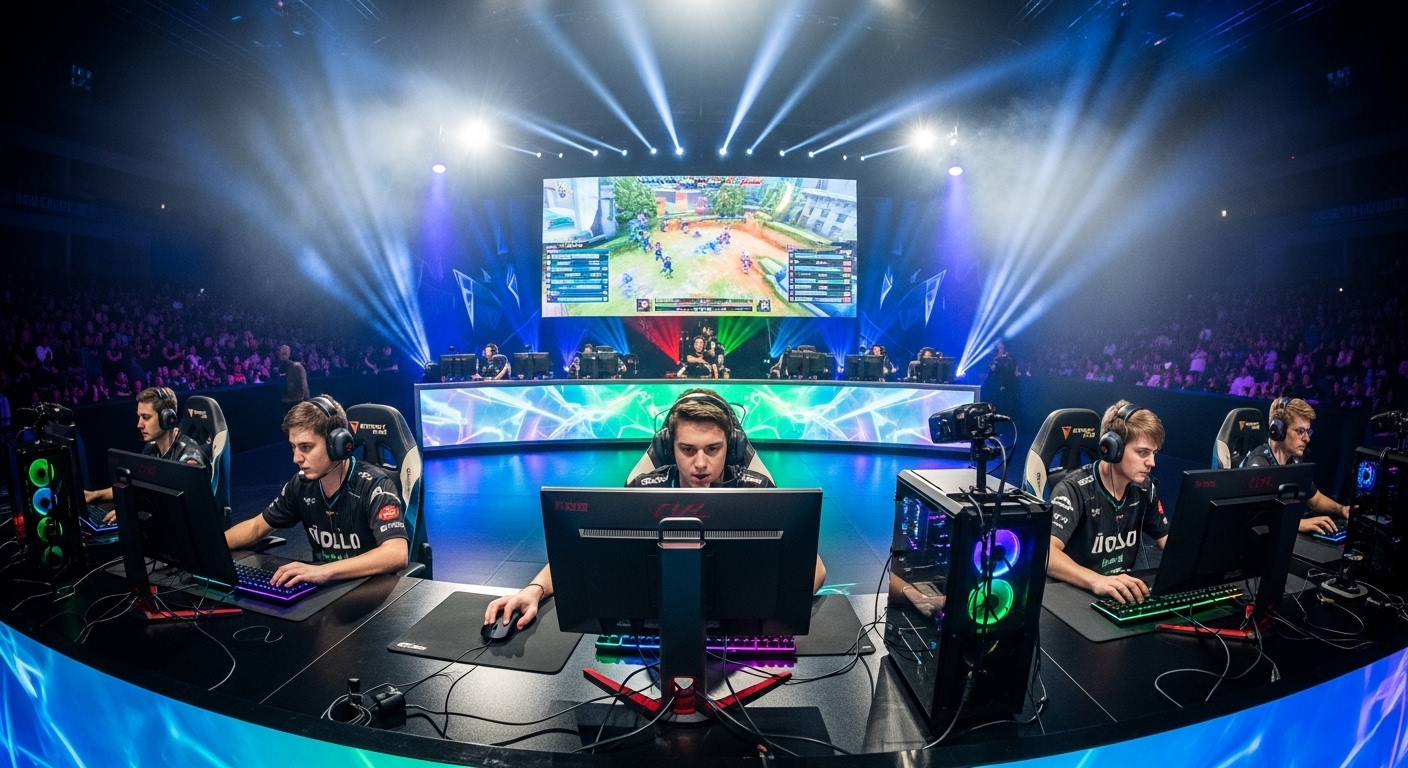
By the 2010s, Esports had become a global phenomenon. The rise of streaming platforms allowed fans to watch their favorite players live from anywhere in the world. Events like The International for Dota 2 and the League of Legends World Championship offered prize pools reaching millions of dollars, further legitimizing Esports as a career and a form of entertainment comparable to traditional sports.
Major Esports Titles and Their Impact
The diversity of Esports titles has played a significant role in its widespread appeal. Each game represents a different genre, style, and competitive format. Some of the most influential Esports games include:
- League of Legends (LoL): Developed by Riot Games, this multiplayer online battle arena game has become one of the most watched Esports titles globally. Its annual world championship attracts millions of viewers and offers multi-million-dollar prizes.
- Dota 2: Known for its complexity and strategic depth, Dota 2’s The International tournament is one of the richest Esports events in history.
- Counter-Strike: Global Offensive (CS:GO): A tactical first-person shooter that rewards teamwork, precision, and strategy, CS:GO remains one of the most popular competitive titles.
- Fortnite: Combining building mechanics with battle royale gameplay, Fortnite introduced a younger audience to Esports and transformed casual gaming into competitive spectacle.
- Overwatch, Valorant, and Call of Duty also deserve mention for their massive fanbases and structured competitive leagues.
Each of these games contributes uniquely to the Esports ecosystem, appealing to different types of players and spectators. Their success has proven that competitive gaming can be just as thrilling, unpredictable, and emotionally engaging as traditional sports.
The Role of Technology in Esports Evolution
The rapid evolution of Esports would not have been possible without advances in technology. High-speed internet, powerful graphics processors, and live-streaming platforms have transformed gaming into a globally connected experience. The development of sophisticated game engines has allowed for visually stunning and technically complex games that test players’ reflexes and strategic thinking.
Streaming platforms such as Twitch, YouTube Gaming, and Facebook Gaming have democratized content creation and audience engagement. Players can now build their personal brands, interact directly with fans, and monetize their content through sponsorships, donations, and advertisements. Furthermore, the integration of augmented reality (AR) and virtual reality (VR) is opening up new frontiers for immersive Esports experiences, allowing spectators to feel as though they are part of the action.
Cloud gaming services are also shaping the future of Esports by eliminating hardware barriers and making competitive gaming accessible to more players around the world. As internet infrastructure improves, even mobile gaming has become a major player in the Esports ecosystem, with titles like PUBG Mobile and Mobile Legends: Bang Bang drawing millions of competitive players.
Esports as a Career
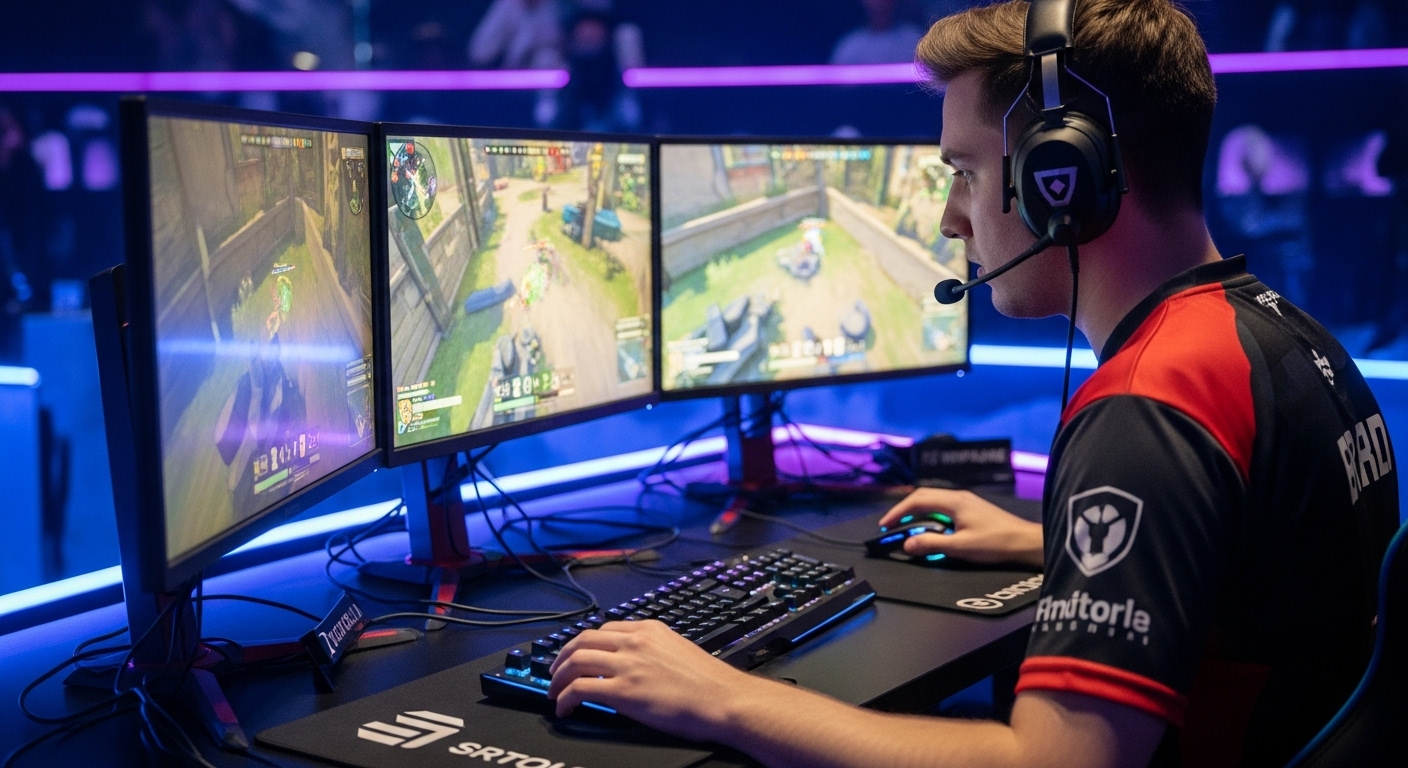
The dream of becoming a professional gamer has become a reality for many young players. Unlike the early days when gaming was seen as a hobby, today’s Esports scene offers diverse career opportunities. Professional players can earn substantial incomes through tournament winnings, sponsorships, streaming, and merchandise.
But it’s not only the players who benefit. The Esports industry also employs commentators, coaches, analysts, event organizers, marketers, game developers, and broadcast professionals. The ecosystem functions much like traditional sports, with training academies, contracts, team management, and rigorous practice schedules.
However, the life of a professional Esports athlete is not without challenges. The competition is fierce, and the pressure to perform at the highest level can lead to burnout. Many organizations are now focusing on player well-being, mental health, and balanced lifestyles to ensure long-term sustainability in the industry.
The Role of Education and Training
Esports is also finding its way into education. Several universities and schools around the world have introduced Esports programs, offering scholarships and degrees in game design, management, and media production. These programs not only prepare students for careers in gaming but also emphasize teamwork, strategic thinking, and technological literacy.
High school and collegiate Esports leagues are growing rapidly, helping to shape the next generation of competitive gamers. The inclusion of Esports in educational settings is gradually changing the perception of gaming from a mere pastime to a legitimate academic and professional pursuit.
The Global Esports Economy
The economic impact of Esports is immense. The industry generates revenue through sponsorships, advertising, ticket sales, merchandise, media rights, and digital content. Major corporations have recognized the potential of Esports as a marketing platform to reach younger audiences who consume entertainment differently from previous generations.
Brands from technology, energy drinks, fashion, and even traditional sports are investing heavily in Esports teams and events. This financial influx has led to better production quality, larger prize pools, and greater recognition for players. Esports venues and arenas are being built worldwide, from massive stadiums in South Korea to purpose-built Esports complexes in the United States and Europe.
Esports and Traditional Sports
The relationship between Esports and traditional sports has evolved from skepticism to collaboration. At first, many dismissed Esports as “not real sports,” arguing that it lacked the physicality and athleticism associated with traditional competition. However, as viewership numbers and revenue began to rival those of major sports leagues, the narrative shifted.
Traditional sports organizations, including soccer clubs, basketball teams, and Formula 1 franchises, have entered the Esports space by sponsoring or creating their own teams. The skills required in Esports—strategic thinking, reflexes, coordination, and teamwork—mirror those of physical sports. In many ways, Esports has expanded the definition of athleticism to include mental agility and digital precision.
The Esports Fan Community
One of the defining features of Esports is its passionate and diverse community. Fans play a central role in the ecosystem, shaping trends, supporting players, and fostering online and offline cultures. Esports events bring together people from different backgrounds who share a common love for gaming.
Social media platforms amplify this community engagement, allowing fans to follow their favorite teams, discuss strategies, and celebrate victories. The Esports fan experience is highly interactive, with real-time chats, live polls, and virtual meetups making spectators feel like part of the action.
The inclusivity of Esports also stands out. Unlike many traditional sports, Esports offers opportunities regardless of gender, physical ability, or geography. This global accessibility has helped create a vibrant and rapidly expanding audience that transcends cultural and national boundaries.
Challenges Facing Esports
Despite its rapid rise, Esports faces several challenges that need to be addressed for long-term sustainability. One major issue is regulation. Unlike traditional sports with centralized governing bodies, Esports is fragmented, with each game developer controlling its own competitive ecosystem. This creates inconsistencies in rules, player rights, and tournament structures.
Another challenge is player welfare. The intense practice schedules, pressure to perform, and online harassment can take a toll on mental health. Establishing better support systems, fair contracts, and transparent player protection policies is essential.
Cheating and match-fixing also pose threats to the integrity of Esports. Developers and organizations are investing in anti-cheat technologies and stricter enforcement policies to maintain fair competition. Additionally, inclusivity and gender equality remain important goals, with efforts being made to promote female participation and representation in both playing and leadership roles.
The Future of Esports
The future of Esports looks promising, driven by innovation, globalization, and cultural acceptance. As technology continues to evolve, the line between virtual and physical experiences will blur further. Augmented and virtual reality could revolutionize how players and spectators engage with Esports.
Esports may also find a place in major global events such as the Olympics, with ongoing discussions about digital competitions being recognized alongside traditional sports. Mobile Esports will continue to expand accessibility in regions where consoles and PCs are less common.
The continued rise of artificial intelligence and data analytics will enhance coaching, strategy development, and viewer experience. With more investment and mainstream acceptance, Esports is poised to remain a defining aspect of 21st-century entertainment.
Conclusion
Esports represents far more than just playing video games. It is a cultural, technological, and social revolution that embodies the spirit of modern innovation and global connectivity. What started as small gatherings of passionate gamers has evolved into a worldwide phenomenon that bridges generations, breaks barriers, and redefines what it means to be an athlete.
The world of Esports will continue to grow, adapt, and inspire. It is a symbol of how technology and creativity can unite people across the globe in shared competition and entertainment. From humble beginnings to global recognition, Esports stands as a testament to the limitless potential of human imagination and the power of play.