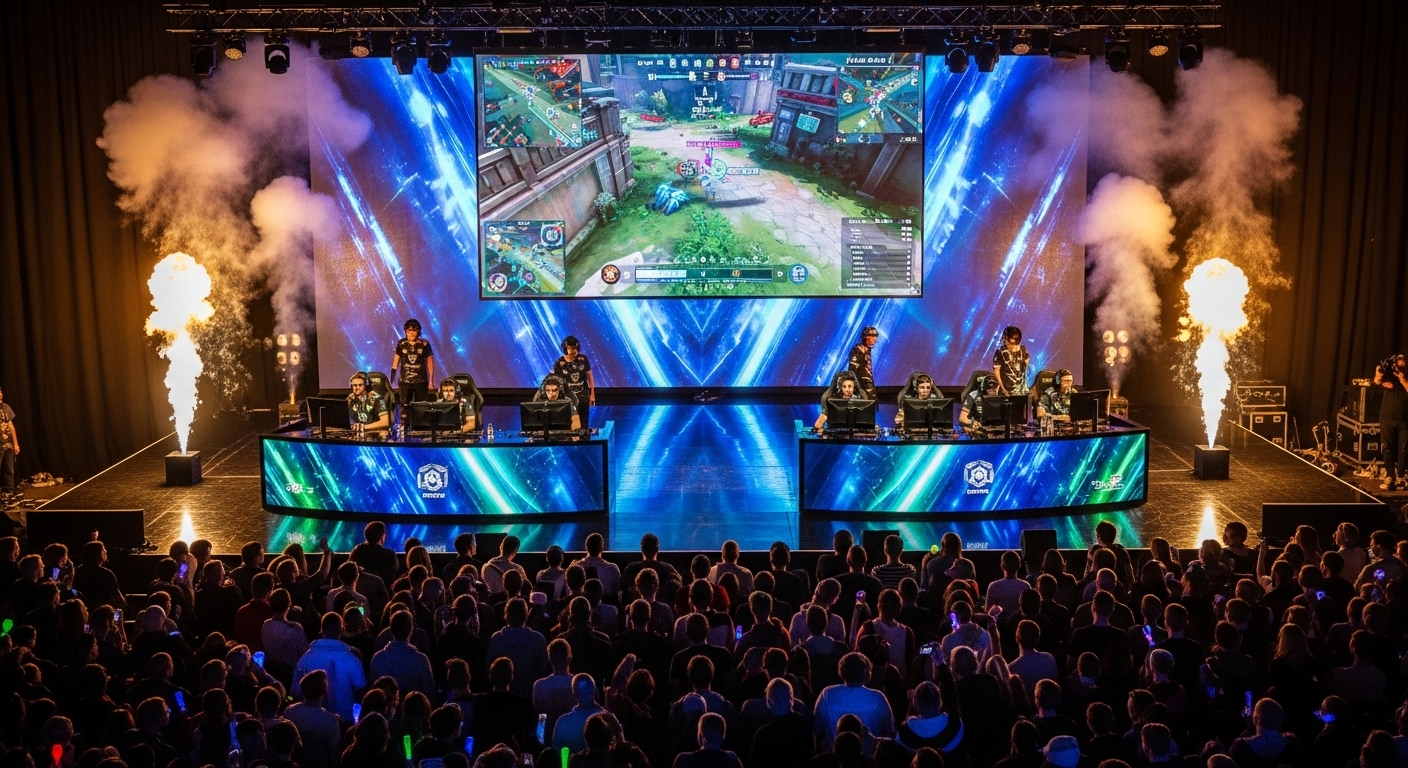

Esports has rapidly evolved from a niche hobby into a worldwide cultural force. What began with small gatherings of passionate gamers has transformed into a multi-billion-dollar industry drawing players, fans, sponsors, and educators into its ecosystem. Today, esports arenas rival traditional sports stadiums, competitive teams have training facilities, and professional gamers enjoy celebrity-level recognition. This blog explores how esports rose to prominence, why it resonates with millions, and what its future may hold.
The Origin Story: From Arcades to Global Arenas
Long before modern esports leagues existed, early gaming competitions took place in arcades where high scores were displayed on screens as badges of honor. Competitive gaming had humble beginnings, but the spirit of rivalry was always present. The first major tournament is often traced back to the early computer gaming era, when small groups of enthusiasts gathered to test their skills in classic titles.
As technology advanced, the internet opened new doors. Gamers could face opponents across the globe, no longer limited to local competition. This shift was the spark that would eventually ignite the esports industry. What started as community-driven matches soon became organized events, showcasing the potential of competitive gaming on a large scale.
What Makes Esports So Popular?
Several factors explain the booming popularity of esports:
A Universal Medium
Video games transcend language and cultural barriers. A player in one corner of the world can compete with or watch someone from another continent without needing translation. The simplicity of understanding competition—winning, losing, improving—makes esports globally accessible.
Technological Growth
Fast internet, advanced gaming hardware, and streaming platforms have made esports both playable and watchable for millions. Anyone with a connection can tune in to tournaments or participate in grassroots competitions.
Community Engagement
Esports thrives on community. Players discuss strategies, share experiences, and form friendships across digital spaces. This interconnected environment fosters loyalty and growth.
The Entertainment Value
Esports combines the intensity of traditional sports with the creativity and unpredictability of gaming. Matches can swing dramatically with one decision, one mistake, or one heroic play. This emotional rollercoaster keeps fans invested.
The Rise of Professional Teams and Players
Professional esports athletes train rigorously, often practicing more hours than traditional sports players. They study gameplay mechanics, analyze opponents, and maintain physical and mental discipline.
Team Structures
Esports teams operate similarly to sports organizations. They employ:
- Coaches
- Analysts
- Managers
- Nutritionists
- Content creators
Teams sign players to contracts, manage sponsorship deals, and build brand identities. Some organizations have expanded into multiple games, creating multi-title empires.
Athlete Lifestyle
Contrary to stereotypes, professional gamers must balance physical health with intense mental focus. Long practice sessions require ergonomic training routines, healthy diets, and regular exercise to prevent burnout and injury.
Major Esports Titles and Their Appeal
Esports spans a variety of game genres, each with its own unique competitive ecosystem.
Multiplayer Online Battle Arenas
Games in this category require teamwork, strategy, and rapid decision-making. They draw millions of viewers during major tournaments due to their complexity and dramatic gameplay moments.
First-Person Shooters
Fast reflexes, map knowledge, and tactical planning define this genre. Shooter tournaments are some of the most thrilling due to their fast pace and explosive action.
Sports Simulations
These titles bridge the gap between traditional sports fans and gaming audiences. They offer realistic gameplay and often mirror real sports seasons.
Fighting Games
A staple of competitive gaming history, fighting games demand precision, timing, and deep mastery of character techniques. The community is famously passionate and loyal.
The Esports Fan Experience
Esports fans differ from traditional sports supporters in several interesting ways.
Interactive Viewership
Fans can watch matches live while engaging with casters, players, and other viewers in real time. This interactive component makes esports uniquely participatory.
Personal Connection to Players
Esports athletes often stream their practice sessions or daily lives, giving fans direct insight into their personalities and routines. This creates a sense of closeness rarely achievable in other professional sports.
Global Competitions
Fans can cheer for teams and players from any region. Esports championships often feature international rosters, bringing a feeling of unity and diversity to the scene.
Economic Impact: How Esports Became a Powerhouse
The esports industry generates revenue through multiple channels:
Sponsorships
Brands invest heavily in esports organizations, recognizing the value of reaching young, tech-savvy audiences.
Merchandise
Team jerseys, gaming peripherals, and collector items contribute significantly to revenue.
Ticket Sales
Live events fill stadiums comparable to concerts and sports games, demonstrating the magnetic appeal of esports competitions.
Digital Platforms
Streaming services bring in advertising income and potential subscription fees.
Esports has also influenced related industries such as gaming hardware, content creation tools, and competition platforms, further expanding its economic footprint.
Educational and Career Opportunities in Esports
Esports is no longer seen purely as entertainment. Many educational institutions now offer programs and scholarships dedicated to the field.
Academic Programs
Schools and universities integrate esports into their curricula, covering topics like:
- Game design
- Event management
- Digital marketing
- Sports psychology
- Broadcast production
Students can pursue careers beyond playing, entering roles such as coaching, content creation, analysis, event organizing, and game development.
College Scholarships
Competitive gaming teams have become part of campus culture, providing opportunities for students to represent their institution while receiving financial support.
Esports as a Legitimate Sport
Debates about whether esports qualify as “real sports” have diminished over the years. Today, many acknowledge the parallels between esports and traditional athletics.
Mental Skill and Precision
Professional gaming demands quick thinking, strategic planning, and flawless execution.
Training and Discipline
Players train for hours daily, participating in scrimmages, reviewing gameplay footage, and working with coaches to refine their performance.
Professional Infrastructure
Leagues, contracts, international tournaments, and governing bodies now structure the esports world similarly to other professional sports.
Youth Engagement and the Future Generation
Younger audiences gravitate naturally toward gaming, making esports a central part of their entertainment landscape. This engagement reflects a generational shift toward digital interaction.
Skill Development
Esports encourages teamwork, communication, problem-solving, and adaptability. These skills carry over into academic and career paths.
Safe Social Spaces
Online gaming communities provide a gathering place for youth to connect, compete, and make friends with similar interests.
Challenges Facing the Esports Industry
Despite its success, esports faces several challenges that will shape its future.
Player Burnout
The intense practice schedules and pressure to perform can lead to early retirement among players. Organizations increasingly focus on mental health support to reduce burnout.
Regulation and Fairness
Ensuring consistent rules, anti-cheat systems, and ethical conduct remains essential to maintaining competitive integrity.
Sustainability
Some esports organizations struggle with financial stability. As the industry matures, more sustainable business models are necessary.
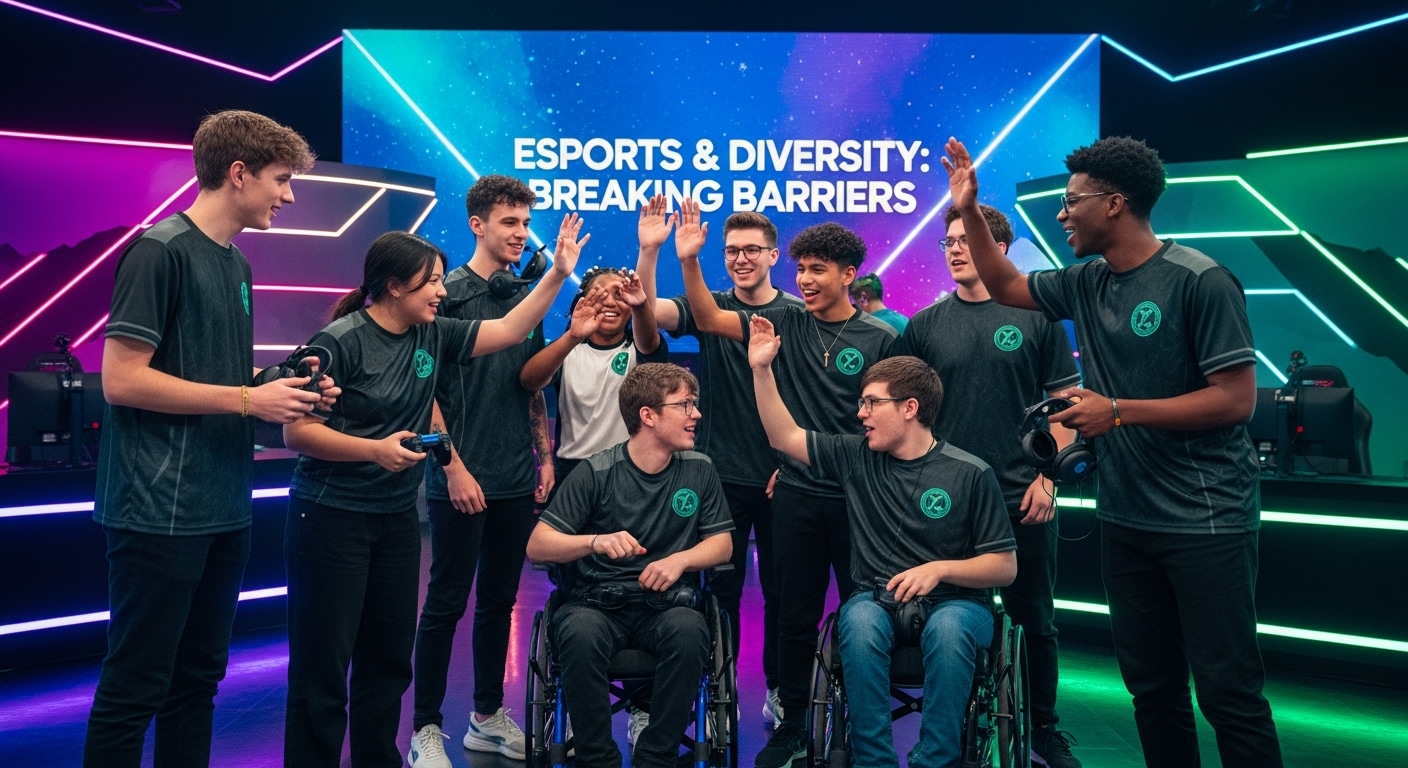
Diversity and Inclusion
The industry works to create a more inclusive environment, ensuring players of all backgrounds feel welcomed and represented.
The Future of Esports: Where the Industry is Headed
Esports shows no signs of slowing down. Several trends will likely define its future:
Virtual Reality Integration
The potential for immersive esports competitions using virtual reality technology may revolutionize gameplay and spectator experiences.
Mobile Esports Expansion
Mobile gaming has opened doors for new regions and wider accessibility, making it one of the fastest-growing sectors.
Mainstream Acceptance
As more companies, broadcasters, and governing bodies invest in esports, it is becoming an everyday part of entertainment culture.
Technological Advancements
Improved gaming systems, streaming technologies, and AI-powered coaching tools will continue enhancing performance and viewership.
Conclusion: The Ever-Growing Digital Sport
Esports stands at the intersection of technology, entertainment, community, and competition. It has grown from small arcade gatherings to global championships watched by millions. Its influence reaches education, business, media, and culture. As new generations embrace gaming and technology continues to advance, esports will only expand further.
The digital arena has become a stage where talent, passion, and innovation collide. Whether you are a casual gamer, a dedicated fan, or a curious newcomer, esports offers a world of excitement and opportunity that continues to evolve every day.