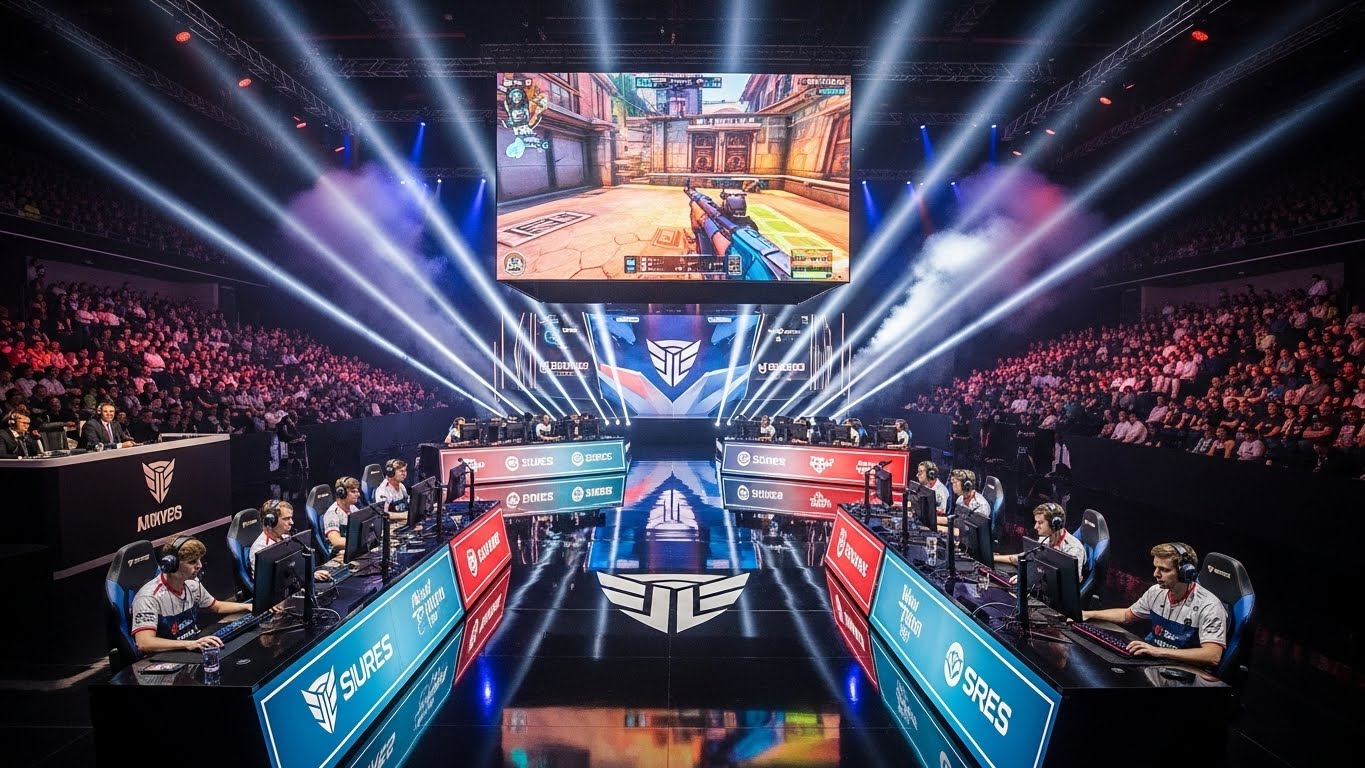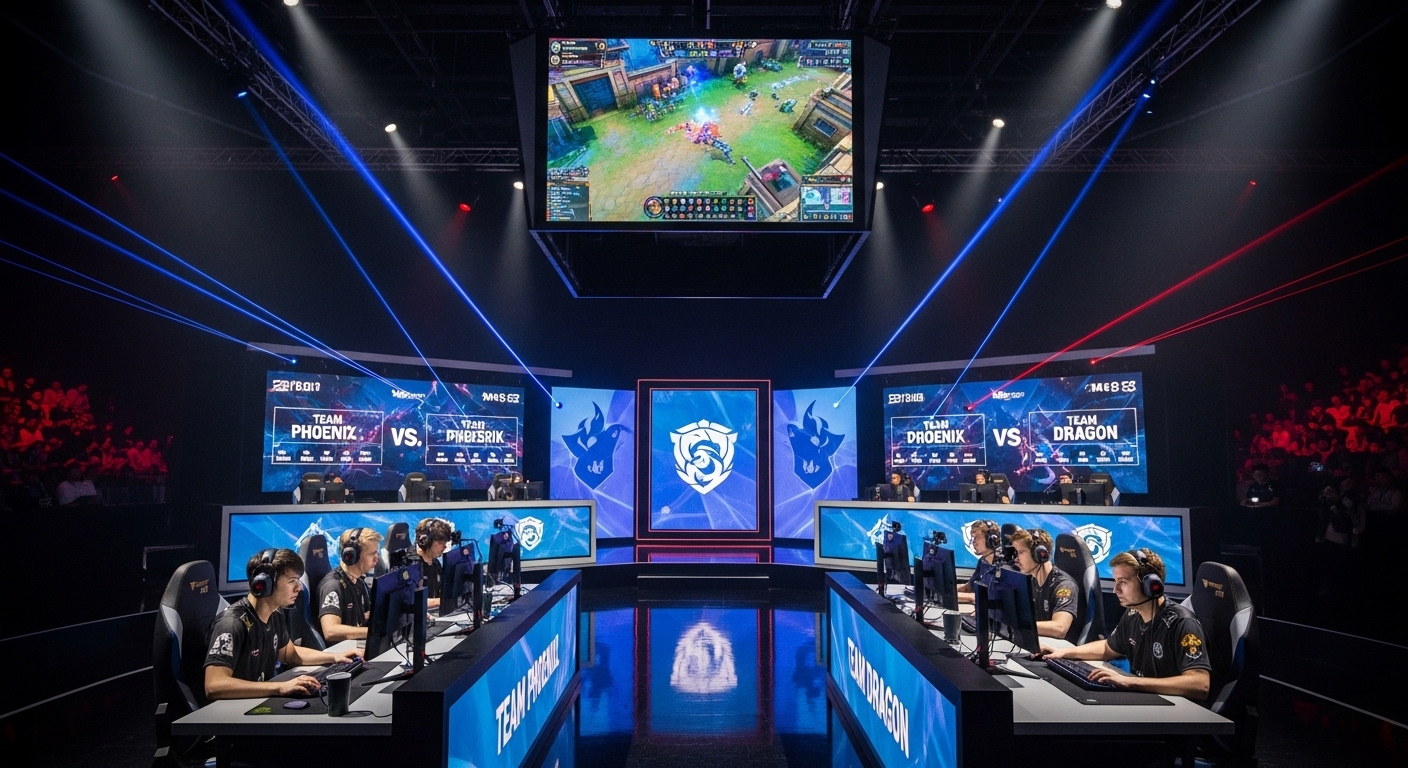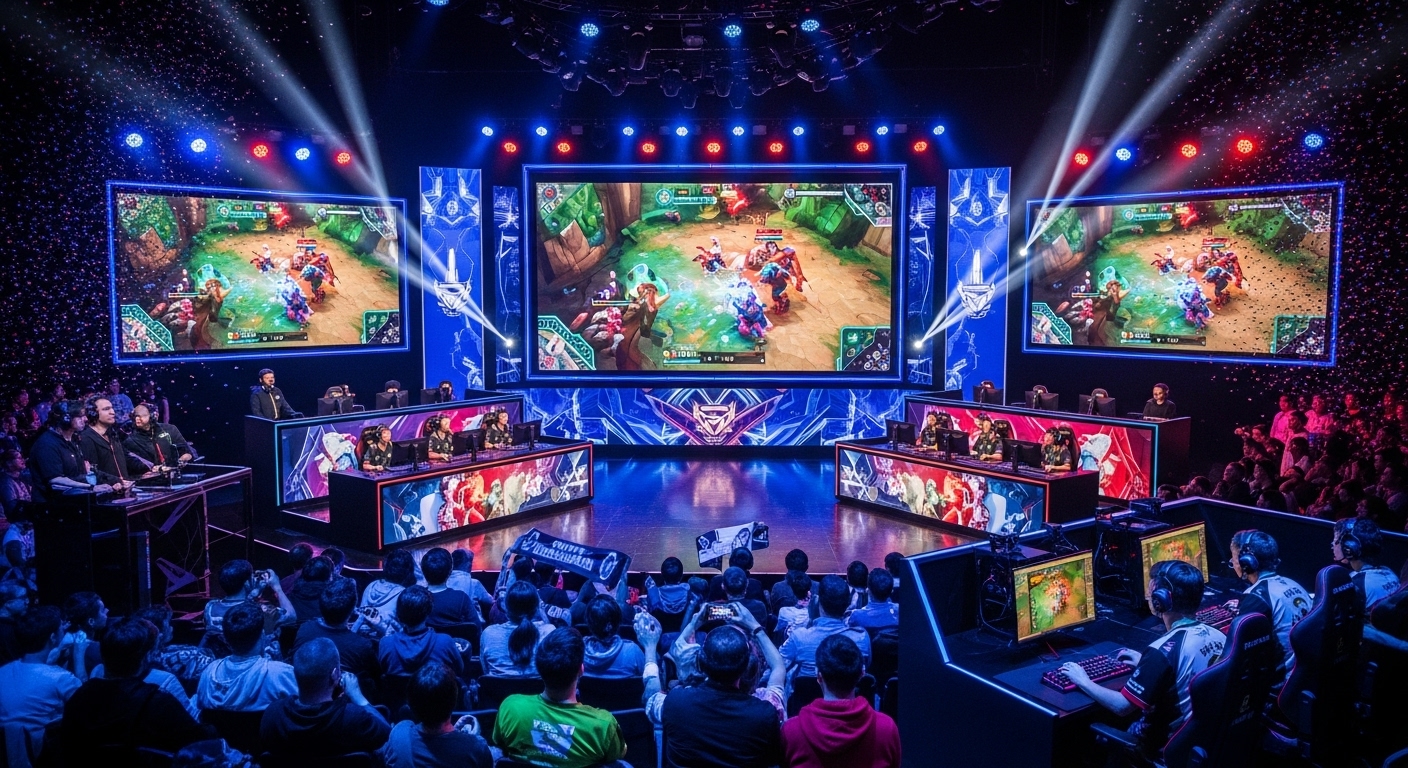
In the span of just two decades, esports has transformed from a niche hobby to a global entertainment juggernaut. What began as informal competitions between friends has evolved into massive industry with millions of players, fans, and viewers from all corners of the world. Esports, short for electronic sports, is now recognized as a legitimate sport in its own right, complete with professional leagues, sponsorships, tournaments, and a dedicated fanbase. From the rise of streaming platforms to the huge prize pools at world championships, esports has proven that digital gaming is much more than just a pastime. In this blog post, we will explore the growth of esports, its impact on entertainment, its cultural significance, and its future potential.
The Origins of Esports: Humble Beginnings
Esports can trace its origins back to the early days of competitive gaming, when enthusiasts first began organizing tournaments for games like Pong, Space Invaders, and Pac-Man in the 1970s and 1980s. However, the real foundation of esports as we know it today was built in the 1990s with the rise of multiplayer online games. Early titles such as Doom and Warcraft allowed players to compete against one another over local area networks (LAN) or, in some cases, dial-up connections. The growth of internet speeds and online gaming in the early 2000s propelled competitive gaming into a new era.
The late 90s saw the first major organized esports tournaments, primarily in games like StarCraft and Quake. These early events were relatively small by today’s standards, with modest prize pools and limited viewership. However, they laid the groundwork for the future of esports, introducing the idea of professional gaming competitions on a global scale. The early days of esports were characterized by grassroots events, LAN parties, and online communities that brought together passionate gamers who shared a love for competition.
The Rise of Online Gaming and Streaming Platforms
As broadband internet became more widespread, online gaming exploded in popularity. Games like Counter-Strike, Warcraft III, and StarCraft II attracted millions of players worldwide, setting the stage for the rapid rise of esports. What set these games apart was their accessibility: anyone with an internet connection could compete against players from across the globe. The ability to play against people from different countries and cultures created a global community of gamers, and this was the moment that esports started to become a worldwide phenomenon.
With the advent of streaming platforms like Twitch in 2011, esports entered a new era of visibility and growth. Twitch allowed gamers to stream their gameplay live, attracting audiences who enjoyed watching others play competitive games. The platform quickly became the go-to destination for esports fans, with major tournaments and competitions being broadcast live to millions of viewers. By 2015, Twitch was hosting hundreds of esports events annually, and it became a hub for both amateur and professional gamers.
The rise of YouTube Gaming and Facebook Gaming further fueled the expansion of esports, making it even easier for fans to access content from their favorite players and teams. These platforms helped esports reach a wider audience, allowing fans to engage with content creators, watch live events, and even participate in gaming communities. This accessibility was key to esports’ rapid growth and its ability to transcend traditional gaming circles.
The Financial Boom: Sponsorships, Investments, and Prize Pools
As esports gained popularity, it began attracting significant investments from major companies. Global brands saw the potential of esports as a marketing tool and started pouring money into sponsorship deals, advertising, and media rights. In fact, esports became one of the fastest-growing industries, with revenues projected to reach billions of dollars in the coming years.
One of the most visible signs of esports’ financial growth is the rise of large-scale esports tournaments with massive prize pools. Take Dota 2, for example: its International tournament has consistently offered some of the largest prize pools in esports history. In 2019, the International’s prize pool exceeded $34 million, with the winning team taking home over $15 million. Such prize money has attracted the best players and teams from around the world, making esports a highly competitive and rewarding career for top-tier athletes.
Sponsorship deals from major companies such as Intel, Coca-Cola, Red Bull, and Mercedes-Benz have further legitimized esports as a serious industry. These sponsorships have allowed professional teams and events to thrive, providing funding for high-quality production, player salaries, and event logistics. The esports ecosystem has created opportunities for players, coaches, analysts, content creators, and event organizers to build lucrative careers in the gaming space.
Additionally, media rights deals have enabled broadcasters to air esports competitions on TV, expanding its reach to a broader audience. Traditional sports networks such as ESPN and Turner Sports have also begun airing esports events, signaling that esports is no longer just a digital-only phenomenon.
The Esports Ecosystem: Teams, Leagues, and Professionalism
As esports has grown, so has the structure around it. Professional esports teams and organizations have emerged to support the competitive gaming scene. These teams operate much like traditional sports teams, with players who are paid salaries and provided with training facilities, coaches, analysts, and support staff. The rise of esports organizations such as Cloud9, Team Liquid, Fnatic, and G2 Esports has helped raise the level of professionalism in the industry.
Esports leagues have also become a major part of the landscape. The League of Legends Championship Series (LCS), the Overwatch League, and the Call of Duty League are examples of major professional esports leagues that follow traditional sports league formats, with regular seasons, playoffs, and world championships. These leagues offer stability to players and organizations and allow fans to follow their favorite teams throughout the year.
The structure of esports has made it possible for players to earn a steady income, much like professional athletes in traditional sports. This shift has helped transform gaming from a hobby into a legitimate career path for young, talented players. The ability to compete at the highest level has created new opportunities for players to build personal brands, stream their gameplay, and even create their own businesses in the gaming ecosystem.
Esports and Its Cultural Impact
Esports has had a profound cultural impact, both within the gaming community and beyond. For many fans, esports is not just about watching games—it is about being part of a larger community. Online forums, social media groups, and streaming platforms have fostered a sense of camaraderie and connection among fans who share a passion for gaming. Esports has given rise to a new generation of celebrities who are celebrated not only for their skills but also for their personalities and streaming content. Top esports players like Ninja (Tyler Blevins) and Shroud (Michael Grzesiek) have become household names, attracting millions of followers across social media platforms.
Moreover, esports has helped normalize gaming as a legitimate form of entertainment. Once viewed as a niche interest, gaming has now become mainstream, with professional gaming and streaming attracting a diverse audience from all walks of life. The idea of gaming as a competitive activity is now widely accepted, with many seeing esports as a natural extension of traditional sports. The widespread popularity of esports has also contributed to the growing acceptance of gaming in schools and universities, where students can participate in collegiate esports leagues and even earn scholarships for their skills.
Esports has also played a role in breaking down barriers related to gender, age, and geography. While the esports scene has traditionally been male-dominated, more women are entering competitive gaming, and organizations are working to create more inclusive spaces for underrepresented groups. Esports has become a global phenomenon, with players and fans from every corner of the world participating in the competitive gaming scene. This diversity has helped bridge cultural divides and create a sense of unity among people from different backgrounds.
The Future of Esports: Challenges and Opportunities
Despite its incredible growth, esports faces several challenges as it looks toward the future. One of the most significant issues is the sustainability of the industry. The rapid rise in prize pools, player salaries, and tournament production costs has created a high level of financial pressure on esports organizations and sponsors. There is also the issue of player burnout, as many professional gamers are required to train and compete for hours every day, leading to physical and mental exhaustion.
Moreover, the regulation of esports remains a gray area. Unlike traditional sports, esports lacks a universal governing body that can set consistent rules and standards for competition, player conduct, and event organization. As the industry matures, there will likely be a need for more formal regulation and oversight to ensure fair play and ethical standards.
On the other hand, the future of esports holds exciting opportunities. As technology continues to advance, innovations like virtual reality (VR) and augmented reality (AR) could further enhance the esports experience, creating new forms of immersive gaming and spectator interaction. Additionally, as esports becomes more integrated into mainstream media, it may become even more accessible to a wider audience, with live broadcasts, sponsorships, and partnerships becoming more commonplace.
Finally, the increasing recognition of esports as a legitimate sport by governments and educational institutions is a promising sign for its future. The inclusion of esports in universities, schools, and even the Olympics (as a potential demonstration sport) could further cement its status as a global sport.
Conclusion: Esports is Here to Stay
Esports has come a long way from its humble beginnings, and it is now an established and thriving industry that continues to grow at an exponential rate. With millions of players, fans, and investors, esports has proven to be much more than just a passing trend—it is a new form of competitive entertainment that is reshaping the future of sports. As the industry continues to evolve, it will undoubtedly face challenges, but the opportunities for innovation, growth, and global connectivity are limitless. Esports is here to stay, and it is only going to get bigger and better in the years to come.