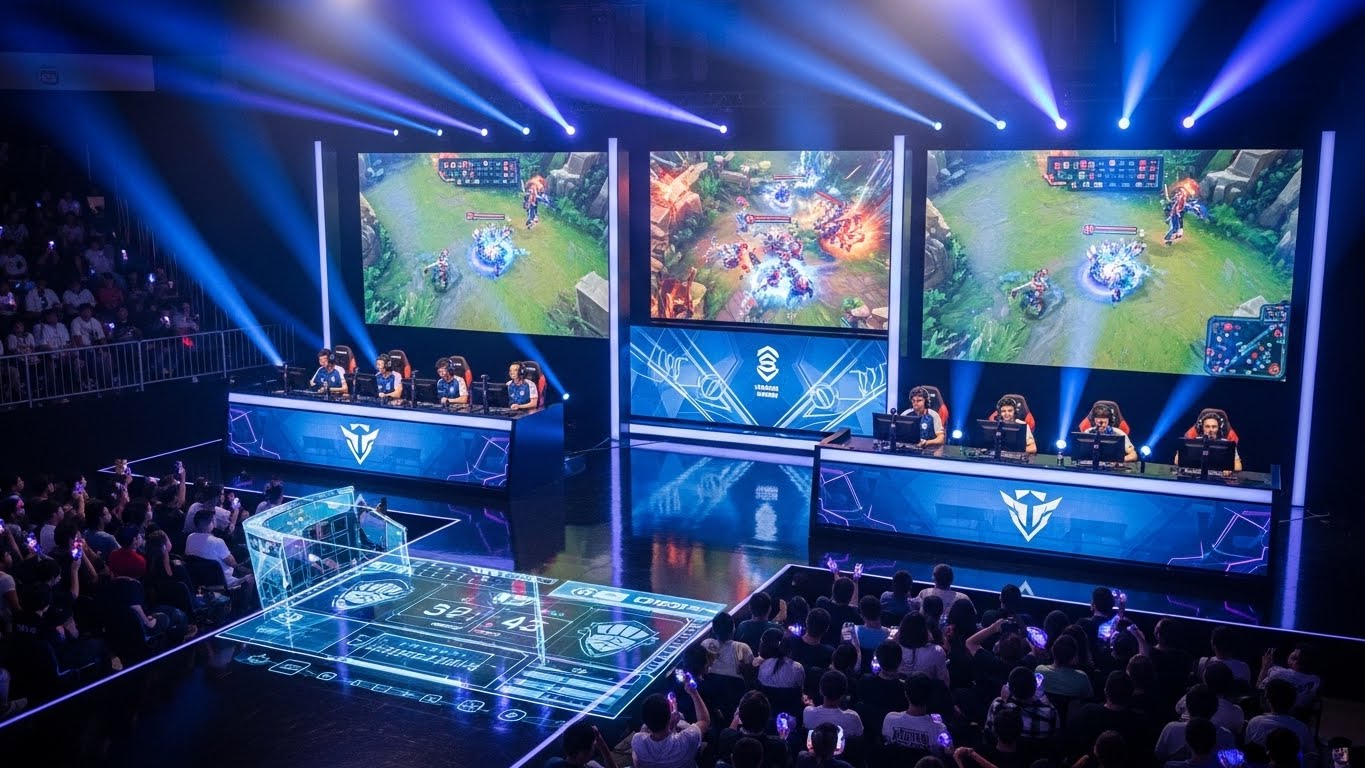
Esports has transformed the landscape of entertainment and competition. Once considered a casual hobby for a select group of enthusiasts, it has now become a global phenomenon that draws millions of viewers, attracts substantial investments, and inspires players to pursue careers as professional athletes. Esports combines technology, skill, strategy, and community in a way that traditional sports are only beginning to emulate. This article explores the history, cultural impact, challenges, and future of esports, illustrating why it has become one of the most significant developments in modern digital culture.
The Origins of Competitive Gaming
The roots of esports can be traced back to the early days of video gaming. In the 1970s and 1980s, competitive gaming began in arcades where players sought high scores and bragging rights. Titles like Space Invaders and Pac-Man became competitive staples in local gaming scenes. These competitions were informal but laid the foundation for organized esports.
The 1990s marked a turning point with the rise of networked gaming. Games such as Doom, StarCraft, and Quake allowed players to compete against others in their city, region, or even across the globe. The concept of gaming communities emerged, where players exchanged strategies, formed teams, and participated in organized competitions. These developments set the stage for esports to evolve into a structured professional ecosystem.
What Defines Esports
Esports, short for electronic sports, is organized competitive video gaming. It is distinguished by rules, structured tournaments, and professional teams or individual players who compete for prizes, prestige, and rankings. Unlike casual gaming, esports requires a high degree of skill, discipline, and strategic thinking.
Modern esports spans multiple genres, including multiplayer online battle arenas, first-person shooters, fighting games, real-time strategy, and sports simulations. Each genre requires different skills and approaches, from rapid reflexes to tactical planning and teamwork. The diversity of esports ensures a wide appeal, attracting players and audiences with varying interests.
The Professionalization of Esports
Over the last decade, esports has grown into a professional industry. Organizations operate much like traditional sports franchises, employing coaches, analysts, nutritionists, psychologists, and support staff to help players perform at their best. Players follow rigorous training schedules that focus on gameplay mechanics, strategic planning, communication, and mental resilience.
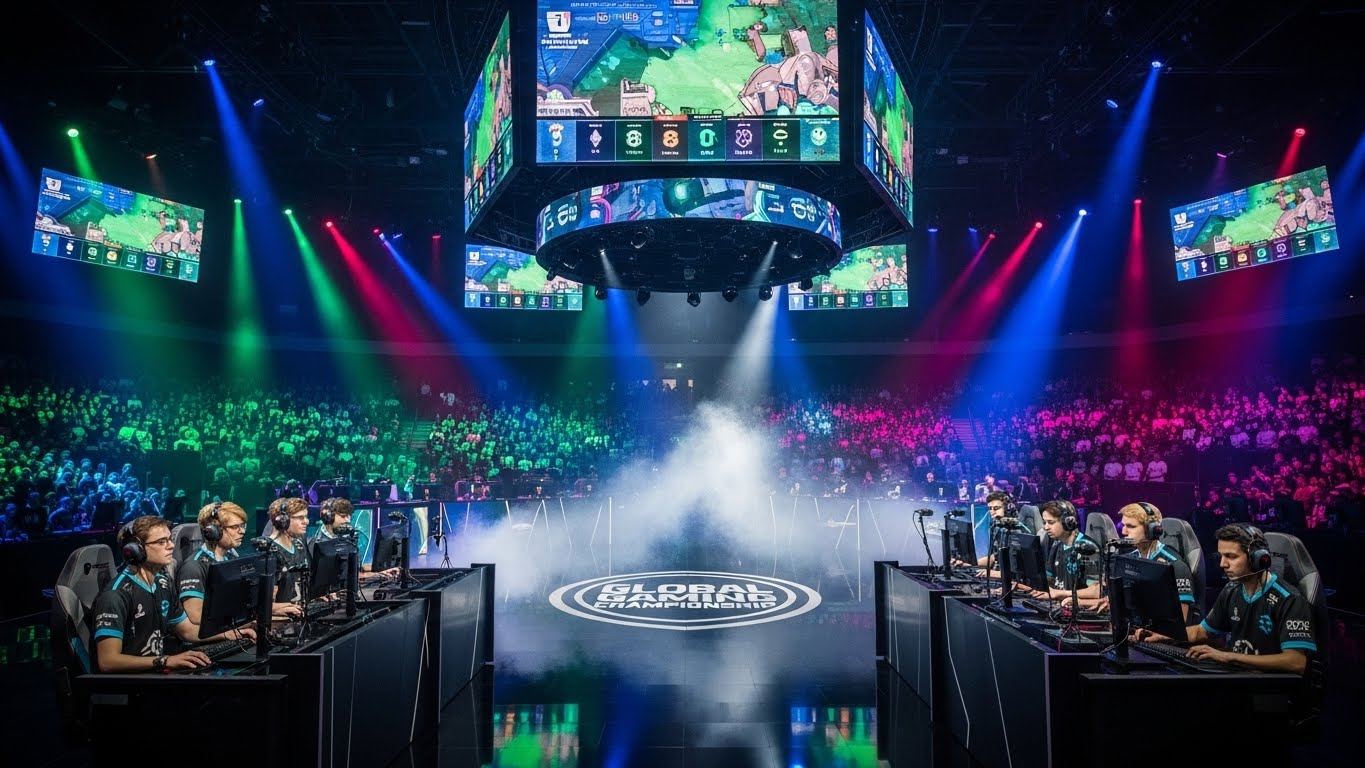
Professional leagues have emerged across the world, including the League of Legends Championship Series, Dota 2’s The International, and the Call of Duty League. These leagues feature structured seasons, global tournaments, and substantial prize pools, reflecting the increasing legitimacy and economic value of esports.
Esports as Global Entertainment
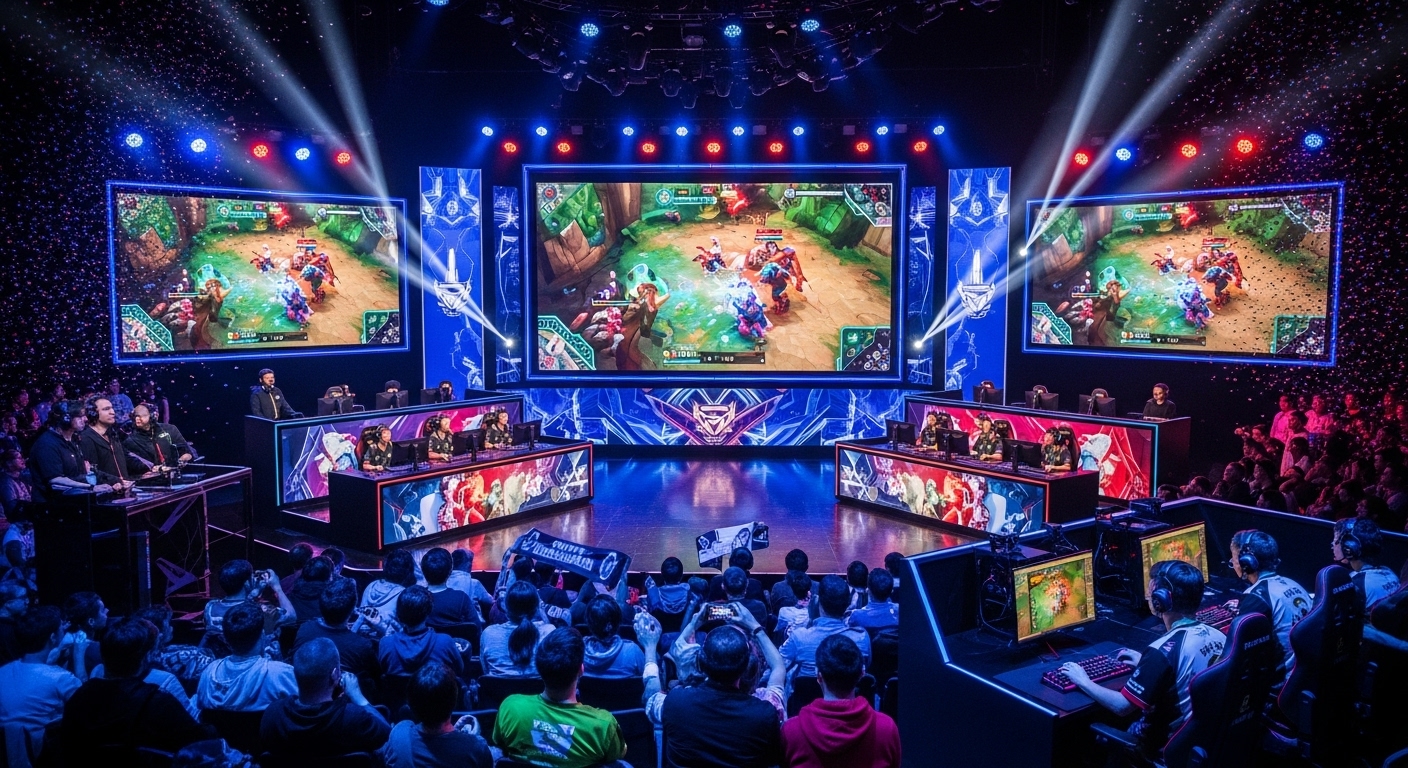
Esports is now a mainstream entertainment medium, reaching millions of viewers online and in arenas worldwide. Live streams, social media coverage, and digital broadcasts allow fans to follow players and teams in real time. Spectators engage not only with the gameplay but also with the personalities, rivalries, and storylines that unfold in professional leagues.
The rise of streaming platforms has further fueled the popularity of esports. Content creators and professional players can broadcast gameplay, host interactive sessions, and connect with fans, creating a community-driven ecosystem that blurs the line between competition and entertainment.
The Social Dynamics of Esports
One of the most compelling aspects of esports is its social influence. Players from diverse cultural and geographical backgrounds can collaborate and compete, forging international friendships and teamwork. Online multiplayer games foster communication, coordination, and trust, teaching essential interpersonal skills that extend beyond gaming.
Fans also play a critical role in shaping esports culture. Online communities, forums, and fan groups provide spaces for discussion, analysis, and celebration. Esports brings people together, creating shared experiences that transcend borders and connect individuals through a mutual passion for gaming.
Cognitive and Mental Benefits
Esports is intellectually demanding. Players must process information quickly, make strategic decisions under pressure, and anticipate opponents’ actions. These demands enhance problem-solving abilities, situational awareness, and multitasking skills. Strategic games encourage critical thinking, while fast-paced games sharpen reaction time and attention.
Additionally, esports develops emotional intelligence. Players learn to manage stress, stay focused during high-pressure matches, and recover from mistakes. These mental and emotional skills are transferable to education, professional life, and personal development.
Career Opportunities Beyond Playing
While professional players often receive the most recognition, esports offers a wide array of career paths. Roles such as coaching, event management, commentary, analytics, marketing, content creation, and team management are essential to the industry. Many professionals build successful careers by creating educational content, running tournaments, or supporting teams behind the scenes.
The expansion of esports has also opened opportunities in streaming and digital media. Talented individuals can monetize their skills, grow personal brands, and influence gaming communities, highlighting the diversity and sustainability of careers within the esports ecosystem.
Cultural Influence and Popularity
Esports has become a cultural phenomenon. Professional players have massive followings, influencing fashion, language, and online trends. Major tournaments resemble traditional sporting events, complete with fan chants, storytelling, and emotional narratives.
Esports also challenges stereotypes about gamers. It highlights discipline, strategy, and teamwork, reshaping public perception and positioning gaming as a legitimate and respected form of competition. The cultural impact of esports is evident in media, entertainment, and even education, where programs increasingly incorporate competitive gaming.
Challenges in Esports
Despite its growth, esports faces several challenges. The high-pressure environment can lead to burnout, mental health issues, and physical strain. Players must balance rigorous training schedules with personal wellbeing, and organizations are increasingly focusing on support systems to mitigate these risks.
Community issues, including toxic behavior, harassment, and cheating, remain concerns. Diversity and inclusivity are also ongoing challenges, as esports seeks to provide equal opportunities for players regardless of gender, ethnicity, or background. Addressing these issues is critical for the long-term health and sustainability of the industry.
Technology Driving Esports
Technology is the backbone of esports. High-performance computers, peripherals, software, and stable internet connections enable competitive play at professional levels. Streaming and broadcasting technology allow fans to experience matches with immersive visuals, instant replays, and analytical commentary.
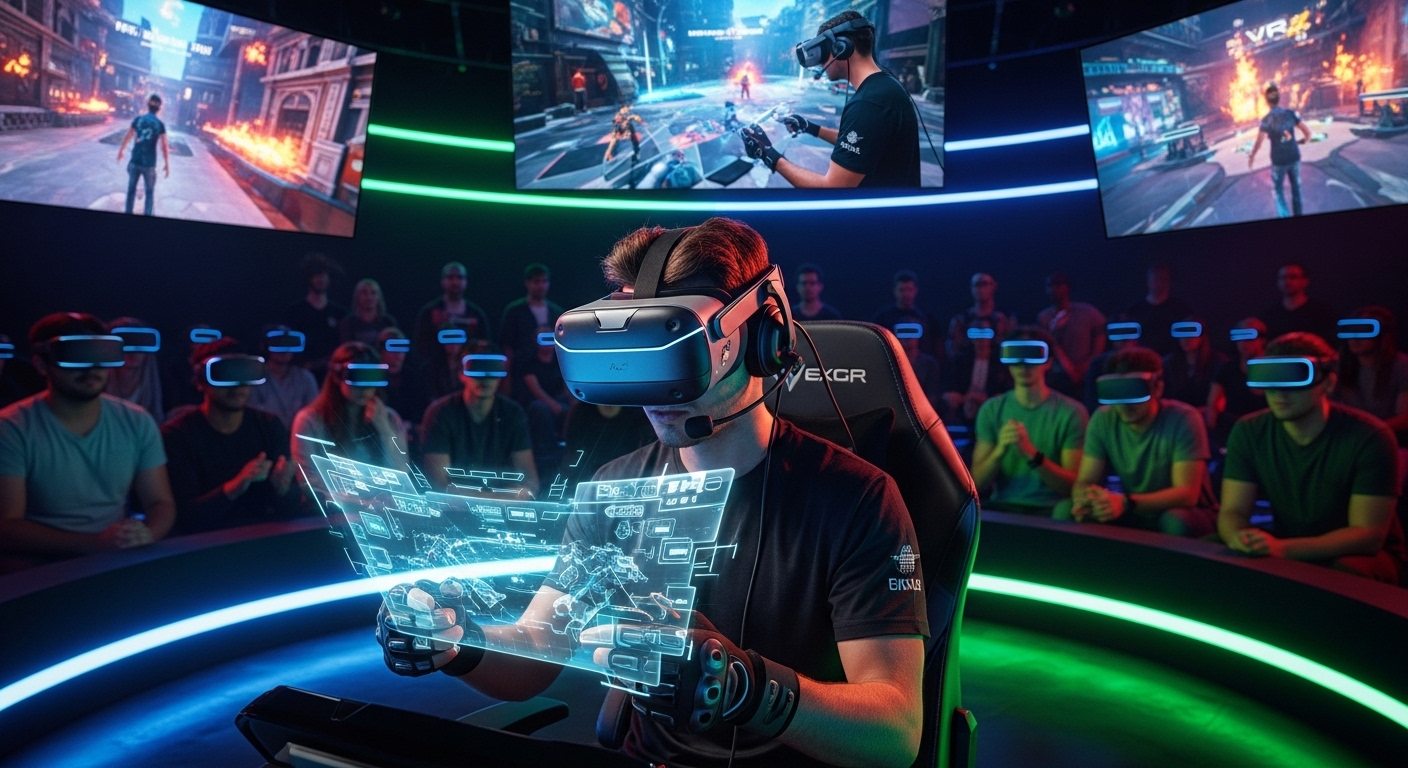
Emerging technologies like artificial intelligence and data analytics are transforming esports strategies. Teams analyze gameplay patterns, evaluate performance, and identify areas for improvement. Virtual reality and cloud gaming promise to further revolutionize esports, offering new ways to compete and spectate.
Esports on the Global Stage
Esports is a global phenomenon. International tournaments bring together players from multiple continents, creating a unique platform for cultural exchange. Major events attract fans from around the world, showcasing talent, teamwork, and competitive spirit on a global scale.
The international reach of esports also contributes to economic growth. Events generate revenue through ticket sales, sponsorships, merchandising, and tourism. Esports demonstrates that digital competition can have tangible impacts on communities, economies, and global culture.
Education and Skill Development in Esports
Educational institutions are increasingly embracing esports as a tool for learning. Schools and universities establish esports programs that teach teamwork, leadership, strategic thinking, and technological literacy. These programs combine competitive gaming with academic development, providing students with opportunities to build skills relevant for the modern workforce.
Esports education also introduces students to careers in technology, media, and event management. The skills learned through esports—communication, analytical thinking, and problem-solving—are applicable far beyond the digital arena.
The Future of Esports
The future of esports is dynamic and full of potential. Advancements in virtual reality, cloud gaming, and artificial intelligence will redefine competitive experiences, making them more immersive and accessible. New games and genres will expand audiences, attracting diverse demographics.
Sustainability, inclusivity, and regulation will become increasingly important. Ensuring player health, fair play, and equitable opportunities will be crucial for long-term growth. Esports is poised to continue integrating into mainstream culture, education, and entertainment, solidifying its place as a cornerstone of the digital age.
Conclusion: Esports as a Modern Competitive Force
Esports has redefined competition for the digital era. It combines technology, skill, strategy, and social engagement to create a unique form of entertainment and professional pursuit. From grassroots competitions to global tournaments, esports has demonstrated its legitimacy and cultural significance.
As the industry grows, esports will continue to influence entertainment, technology, and education. It shows that competition is not confined to physical arenas but thrives wherever passion, strategy, and innovation converge. Esports represents the future of digital competition, community engagement, and creative excellence in the 21st century.