Introduction: The Birth of a Digital Sporting Revolution
Esports has emerged as one of the most influential forms of entertainment and competition in the modern era. What started as casual video game matches among friends has transformed into a global industry with professional athletes, sold-out arenas, massive prize pools, and millions of dedicated fans. Esports is no longer confined to bedrooms or gaming cafés; it stands proudly alongside traditional sports, redefining what competition means in a digital-first world. This transformation reflects not only technological progress but also a cultural shift in how people play, watch, and connect through games.
Defining Esports in the Modern Context
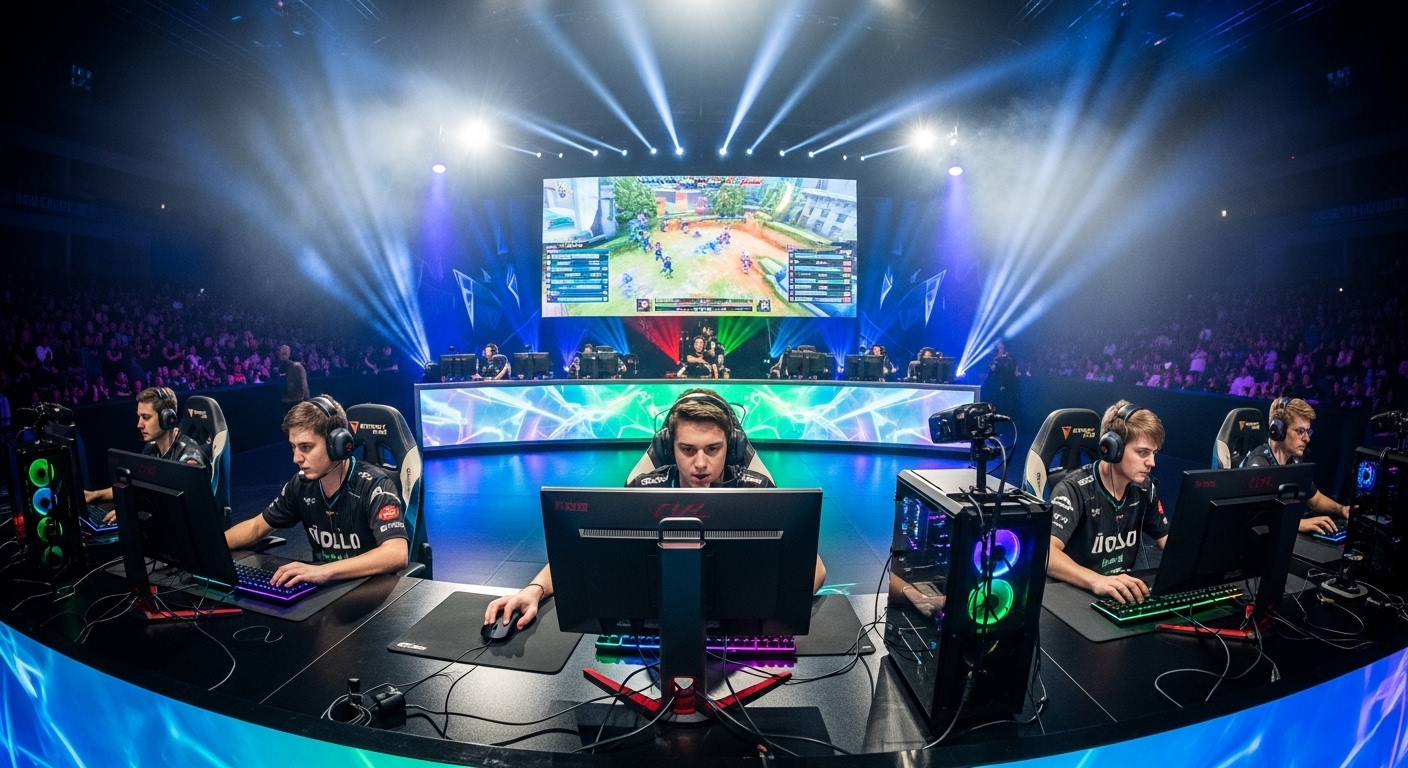
Esports, or electronic sports, refers to organized and competitive video gaming where individuals or teams compete under structured rules and formats. Unlike casual gaming, esports requires intense training, strategic planning, and consistent performance. Players specialize in specific games, mastering mechanics, strategies, and teamwork. Matches are officiated, tournaments are scheduled, and rankings determine global standings. Esports blends mental agility, reflex precision, and collaborative skills, creating a competitive environment that demands professionalism and discipline.
The Early Roots of Competitive Gaming
The origins of esports can be traced back to the early days of video games when small competitions were held in arcades and university campuses. As technology evolved, multiplayer gaming expanded, allowing players to compete beyond physical locations. The introduction of online connectivity revolutionized competitive gaming, making global tournaments possible. Over time, sponsors, media coverage, and professional organizations entered the scene, elevating esports from informal contests to a recognized competitive industry.
Games That Shape the Esports Ecosystem
Esports thrives on diversity, encompassing a wide range of game genres. Strategy-focused games demand teamwork, communication, and long-term planning. Action-based games emphasize reaction speed, accuracy, and situational awareness. Fighting games test individual skill and timing, while sports simulation games replicate real-world athletics in digital form. This variety ensures that esports appeals to a broad audience and provides opportunities for players with different strengths to excel on the competitive stage.
The Esports Athlete: Skill, Discipline, and Dedication
Professional esports players are elite competitors who dedicate years to mastering their craft. Daily routines often include long practice sessions, reviewing gameplay footage, physical fitness training, and mental preparation. Maintaining peak performance requires focus, resilience, and adaptability. Players must handle pressure, public scrutiny, and constant competition. Teams increasingly invest in health support, recognizing the importance of balanced lifestyles, injury prevention, and mental well-being for sustained success.
Teams, Organizations, and Competitive Structure
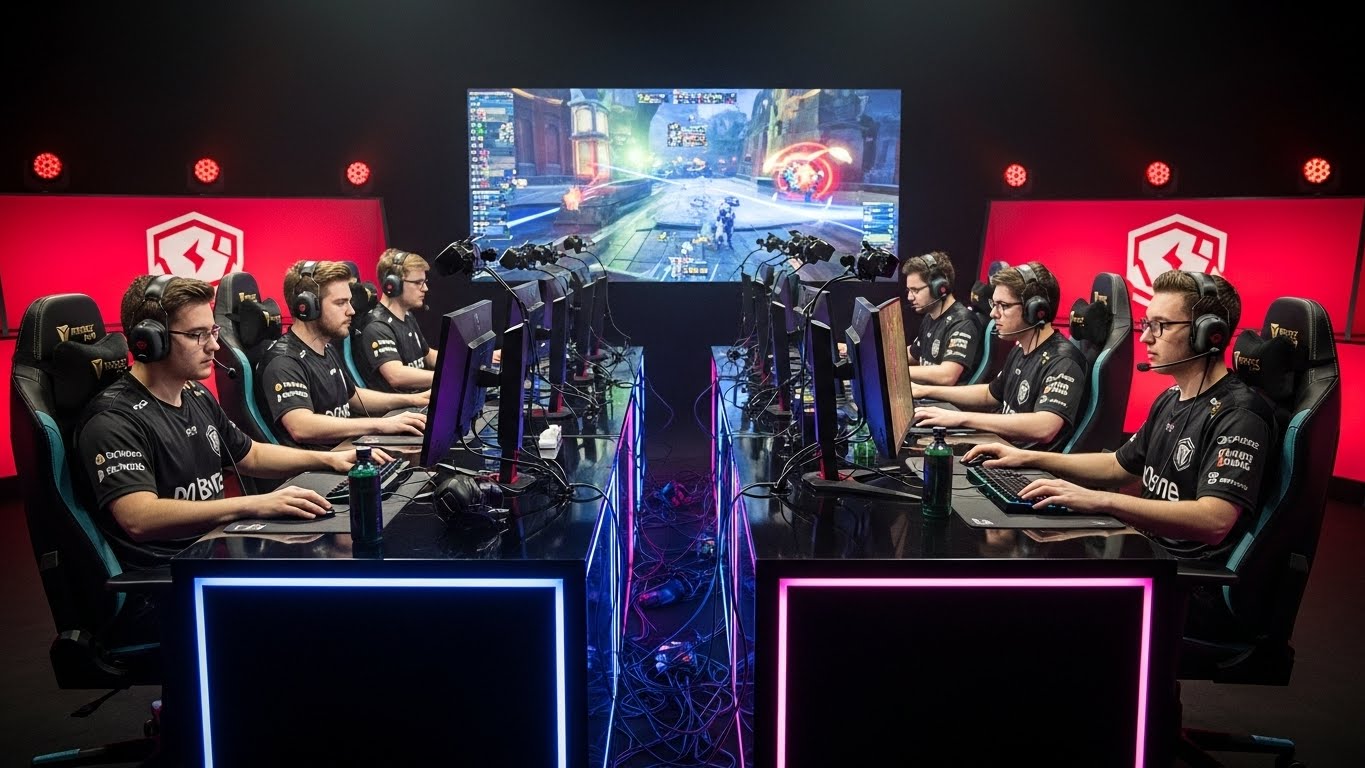
The esports industry is built on a structured network of teams, leagues, and tournament organizers. Professional teams operate as businesses, managing player contracts, sponsorships, branding, and logistics. Leagues follow seasonal formats with regular matches, playoffs, and championship events. International tournaments bring together top teams from different regions, creating intense rivalries and memorable moments. This structure provides stability and legitimacy, helping esports grow into a professional and sustainable ecosystem.
The Power of Streaming and Fan Engagement
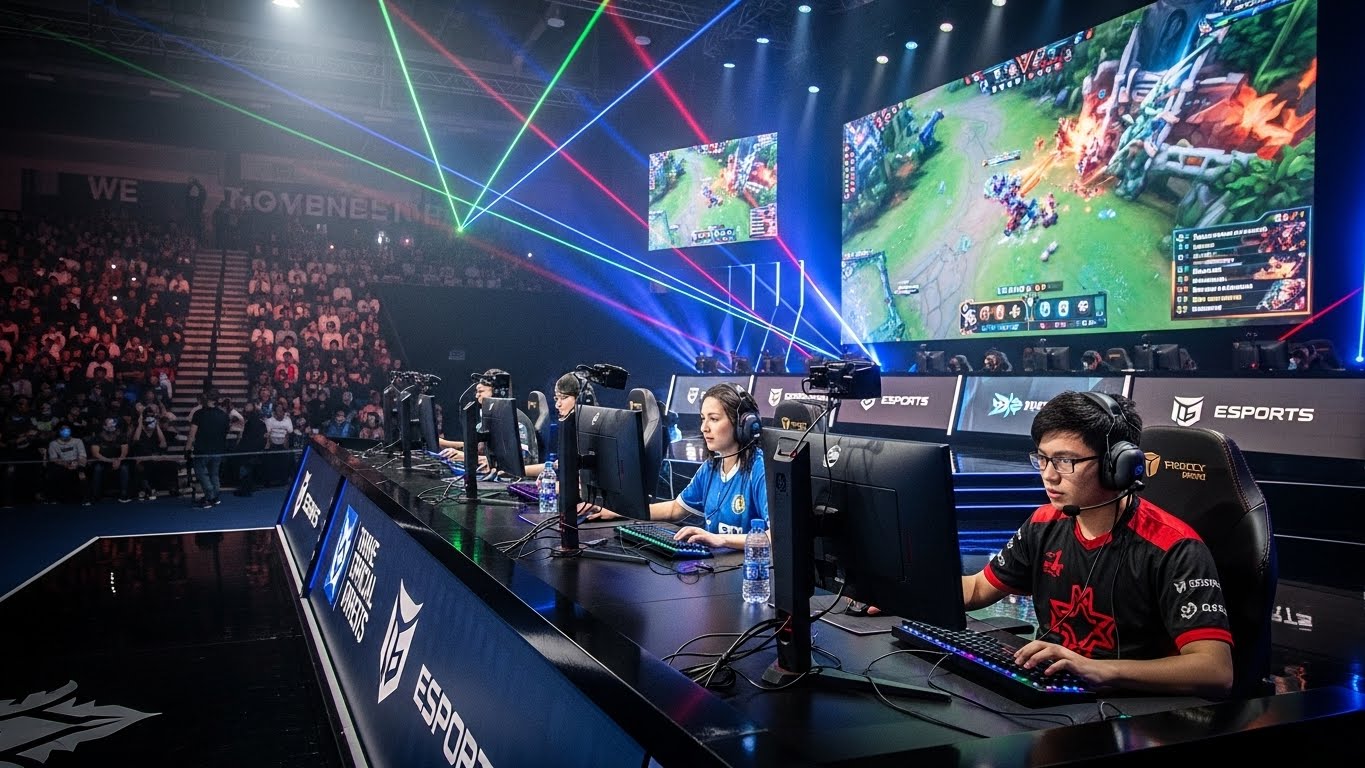
One of the most distinctive aspects of esports is its deep connection with fans. Live streaming has transformed how audiences experience competition, allowing real-time interaction between players, commentators, and viewers. Fans engage through chats, discussions, and community events, forming strong emotional connections to teams and players. This interactive culture fosters loyalty and inclusivity, making esports a shared social experience rather than passive entertainment.
Economic Growth and Career Opportunities
Esports has become a powerful economic engine, generating revenue through sponsorships, merchandise, advertising, and live events. The industry supports a wide range of careers beyond professional play, including coaching, analysis, broadcasting, content creation, event management, and marketing. Educational institutions now recognize esports as a legitimate field, offering programs and scholarships that prepare students for roles within the industry. This economic expansion highlights esports as a viable and lasting career path.
The Role of Technology in Esports Advancement
Technology is the backbone of esports, driving innovation in gameplay, broadcasting, and performance analysis. High-performance hardware ensures smooth competition, while advanced software tracks player statistics and strategies. Broadcasting technologies enhance viewer experiences with immersive visuals and detailed commentary. Continuous technological advancement keeps esports at the forefront of digital entertainment, constantly evolving to meet audience expectations.
Challenges Facing the Esports Industry
Despite its success, esports faces several challenges that require attention. Player burnout is a growing concern due to demanding schedules and high performance pressure. Maintaining competitive integrity is essential, with ongoing efforts to prevent cheating and unfair advantages. Inclusivity and diversity remain important goals, as the industry strives to create welcoming environments for all participants. Addressing these challenges is crucial for sustaining trust and long-term growth.
Esports and Traditional Sports: A Converging Path
The relationship between esports and traditional sports continues to strengthen. Many sports organizations have invested in esports teams or launched digital competitions. Both forms of competition share core values such as teamwork, dedication, and strategic thinking. While traditional sports emphasize physical endurance, esports highlights mental sharpness and technical skill. Together, they represent an evolving sports landscape shaped by changing cultural and technological trends.
Cultural Influence and Global Community
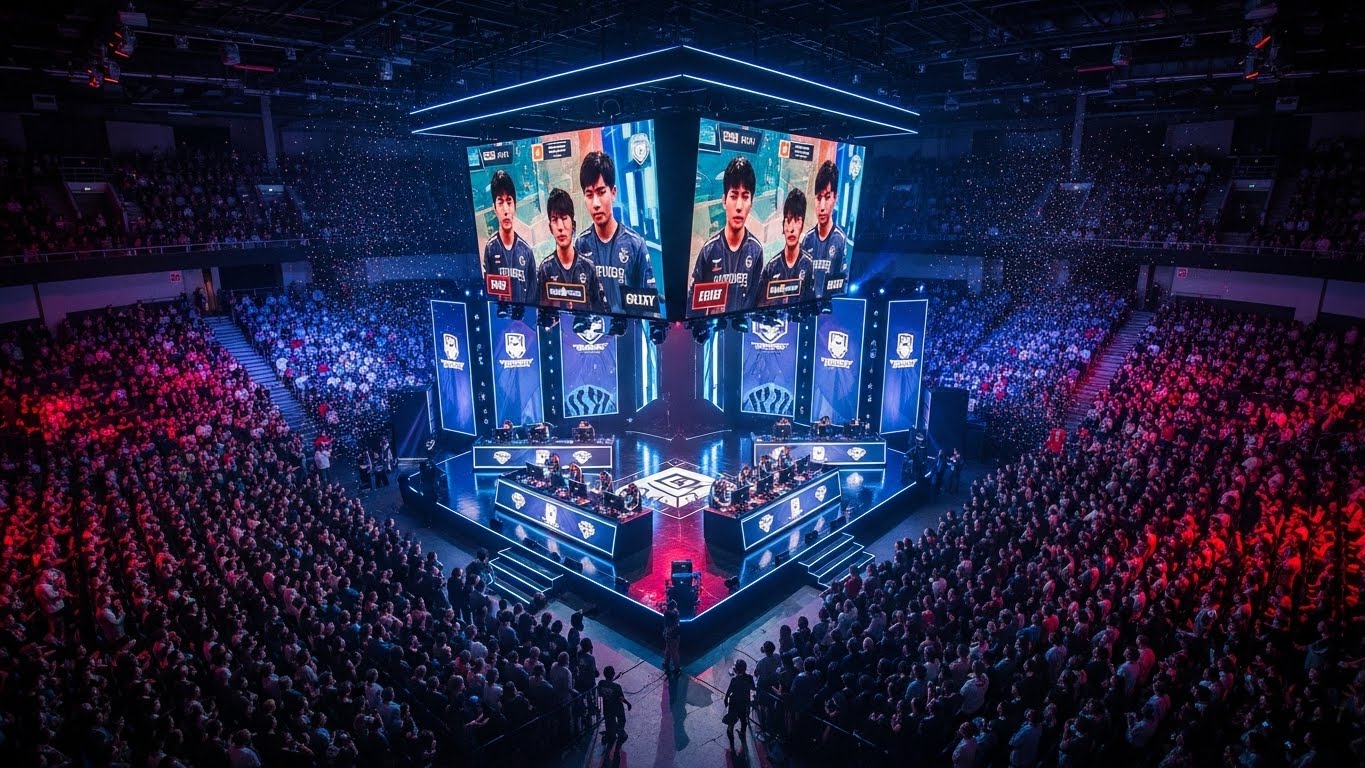
Esports has grown into a cultural phenomenon that extends far beyond gaming. Players have become influencers, shaping trends in fashion, entertainment, and online culture. Major tournaments resemble global festivals, bringing together fans from different countries and backgrounds. Esports communities foster belonging and shared identity, proving that digital competition can unite people across borders and cultures.
The Future of Esports
The future of esports promises continued growth and innovation. Emerging regions are developing competitive scenes, expanding the global talent pool. Advancements in technology will further enhance player performance and fan engagement. As governance structures mature, esports will gain greater recognition and stability. The ongoing fusion of competition, technology, and entertainment ensures that esports will remain a defining force in modern culture.
Conclusion: Competition Redefined for a Digital Generation
Esports represents a new era of competition that reflects the values and realities of a digital generation. It combines skill, strategy, technology, and community into a global phenomenon that continues to evolve. From professional athletes and teams to fans and creators, esports has built a vibrant ecosystem rooted in passion and innovation. As it grows, esports proves that the spirit of competition transcends physical boundaries, thriving in virtual arenas where real legends are born.