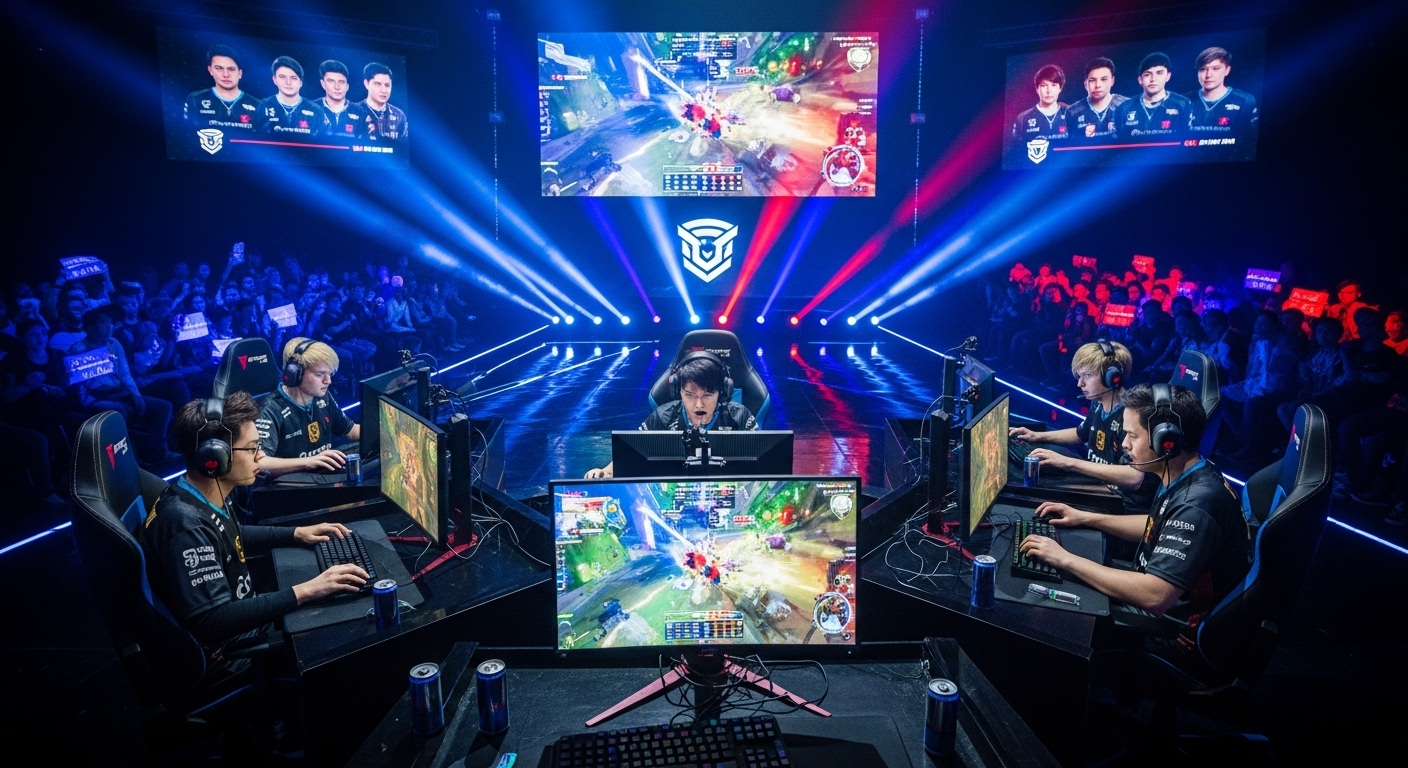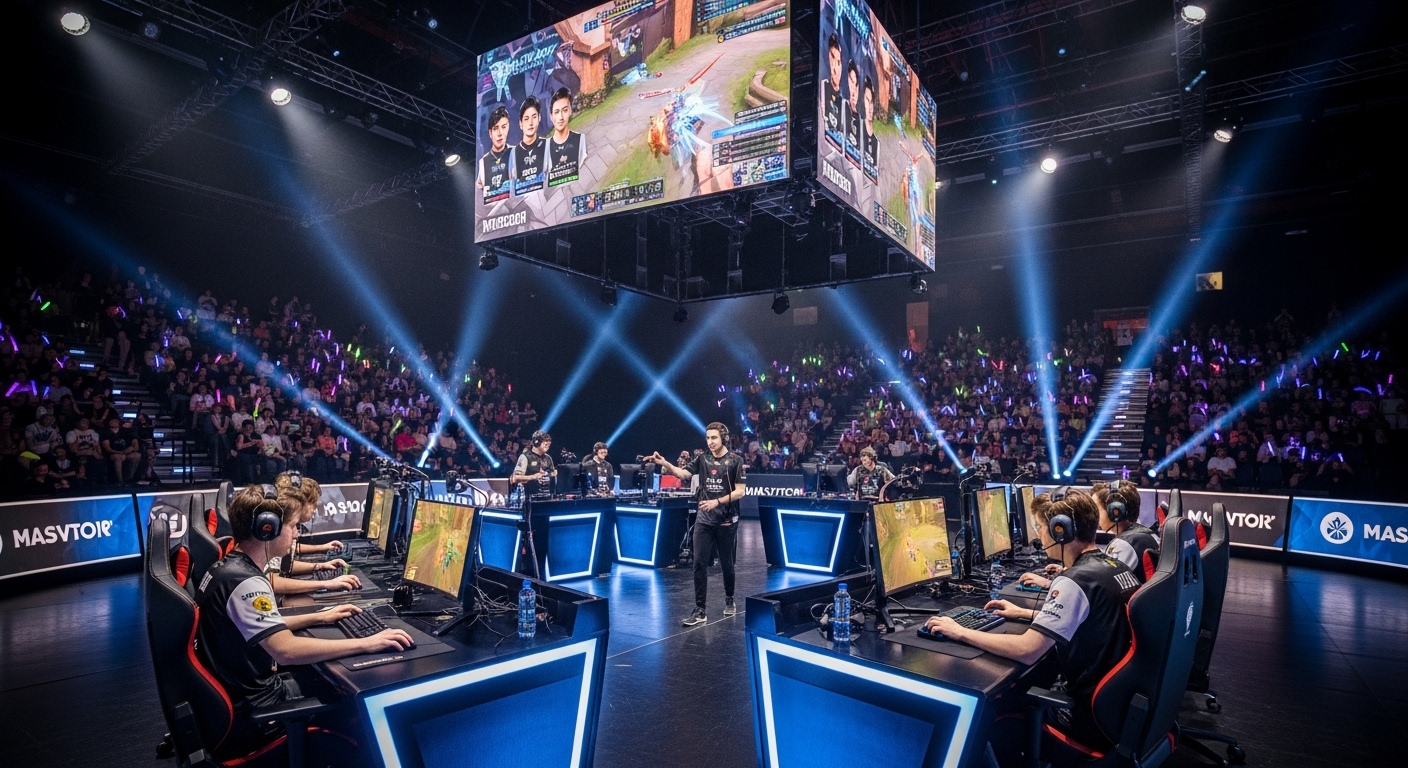

Esports, or competitive video gaming, has grown into one of the most dynamic and influential entertainment industries in the world. What began as small-scale, casual competitions has evolved into a professional ecosystem with international tournaments, professional players, streaming platforms, and passionate fans. Today, esports is a multi-billion-dollar industry, combining skill, strategy, teamwork, and showmanship in ways that rival traditional sports. Its growth reflects broader trends in technology, culture, and entertainment, and it continues to redefine how people play, watch, and engage with games.
The Origins of Competitive Gaming
The roots of esports stretch back to the earliest days of video games. In the late 1970s and early 1980s, arcade competitions emerged, where players vied for high scores in games like Space Invaders, Pac-Man, and Donkey Kong. These early contests were often informal, organized within arcades or gaming clubs, but they fostered a competitive spirit that remains central to esports today. Winning was not only about skill but also about prestige and recognition among peers.
As home computers and gaming consoles became more accessible in the 1980s and 1990s, competitive gaming expanded. Multiplayer games like Doom, Quake, and StarCraft introduced strategic and skill-based competition, offering players new ways to challenge themselves and each other. The proliferation of internet connectivity allowed players to compete online, breaking geographic barriers and laying the foundation for global esports competition.
The Professionalization of Esports
The 2000s marked a turning point, transforming competitive gaming into a professional industry. Games such as Counter-Strike, Warcraft III, and later League of Legends and Dota 2 brought structure to competitive play, introducing leagues, rankings, and organized tournaments. Players could now pursue gaming as a full-time profession, dedicating hours daily to refining their skills and studying strategies.
Esports organizations began sponsoring teams, providing coaching, training facilities, and support staff to maximize performance. Analysts and strategists studied opponents and gameplay patterns to give teams a competitive edge. Prize pools for major tournaments grew to millions of dollars, attracting international attention and legitimizing esports as a viable career path. The industry’s structure mirrored traditional sports, with training regimens, sponsorship deals, and media coverage shaping the lives of professional players.
Popular Esports Genres and Titles
Esports spans a variety of game genres, each with its unique competitive dynamics and fanbase. Multiplayer Online Battle Arenas, or MOBAs, such as League of Legends and Dota 2 focus on strategy, coordination, and teamwork. First-Person Shooters (FPS) like Counter-Strike: Global Offensive and Overwatch demand precision, reflexes, and tactical decision-making. Fighting games, including Street Fighter and Super Smash Bros., emphasize individual skill, timing, and execution.
Battle royale games such as Fortnite and Apex Legends combine strategy, survival, and action, while sports simulation games like FIFA and NBA 2K replicate real-world sports with digital mechanics. Each genre cultivates its own community, influencing fan culture, team formation, and competitive structures. This diversity allows esports to appeal to a wide range of players and spectators, ensuring sustained growth and relevance.
The Role of Streaming Platforms
Streaming platforms have been crucial to the rise of esports. Services like Twitch, YouTube Gaming, and Facebook Gaming allow tournaments, leagues, and individual gameplay to reach global audiences instantly. Fans can watch live matches, interact with commentators, and engage in online communities, creating a participatory entertainment experience.
Streaming has also democratized content creation. Aspiring players and content creators can gain visibility without traditional sponsorship, producing gameplay highlights, tutorials, and commentary. This interactivity fosters a sense of community and allows audiences to connect directly with players, amplifying engagement and cultural impact. The accessibility of streaming platforms has contributed significantly to esports’ mainstream acceptance and global reach.
The Economics of Esports
Esports has become a lucrative industry with a complex economic ecosystem. Professional teams generate revenue from sponsorships, merchandise, advertising, and media rights. Major tournaments attract international audiences, creating opportunities for advertisers, event organizers, and game developers. Prize pools for premier events often reach millions of dollars, motivating players and organizations to invest in talent and infrastructure.
Players earn salaries, bonuses, and personal sponsorships, while organizations invest in coaching, training facilities, and wellness programs. Hardware manufacturers, peripheral makers, and streaming services benefit from the popularity of competitive gaming. The financial growth of esports reflects its professionalization, emphasizing the value of strategy, entertainment, and skill in a digital economy.
Cultural Influence and Community Engagement
Esports has transformed contemporary culture, redefining what it means to be an athlete and a fan. Players are celebrated for their skill, teamwork, and dedication, while fans passionately follow teams and tournaments. Online communities, social media interactions, and fan-generated content enhance engagement, creating a global cultural ecosystem around gaming.
Esports has influenced fashion, music, and media. Collaborations between brands, game developers, and musicians have resulted in merchandise lines, digital content, and crossover events, further integrating esports into mainstream culture. Its inclusivity allows players of diverse genders, backgrounds, and nationalities to compete on equal footing, reinforcing global community bonds and shared experiences.
Training, Strategy, and Player Development
Professional esports demands more than natural talent. Players follow rigorous training schedules, combining mechanical skill practice, strategic study, and teamwork drills. Individual games require mental focus, quick decision-making, and adaptability, while team-based games demand synergy, communication, and long-term planning.
Coaching, data analysis, and performance review are now integral to professional development. Analysts study gameplay to identify weaknesses and optimize strategies. Physical fitness, nutrition, and mental health support are increasingly recognized as essential for sustaining peak performance. The holistic approach to player development mirrors professional athletic preparation, emphasizing discipline and long-term growth.
Esports as Spectator Entertainment
Watching esports combines the excitement of sports with the spectacle of live performance. Commentary teams provide analysis, play-by-play updates, and insights into strategies, making matches accessible and engaging. Major tournaments feature live audiences, production stages, and professional broadcasting, delivering experiences comparable to traditional sporting events.
Spectators engage emotionally with rivalries, comebacks, and championship victories. The interactive nature of streaming, including live chat and community discussions, allows fans to participate actively, transforming esports into a dynamic, participatory form of entertainment. This engagement strengthens the cultural significance and longevity of the esports industry.
Challenges and Controversies
Despite rapid growth, esports faces significant challenges. Player burnout, mental health issues, and performance pressure are ongoing concerns. Cheating, unsportsmanlike conduct, and gambling-related controversies highlight the need for regulation and oversight.
International competitions must navigate legal, cultural, and logistical differences, including sponsorship regulations, broadcasting rights, and player contracts. Maintaining fairness and integrity is crucial to sustaining credibility and trust within the community. Organizations continue to develop governance structures, ethical standards, and support systems to address these challenges and ensure the long-term stability of esports.
The Educational and Social Impact of Esports
Esports has extended its influence into education and social development. Universities now offer esports programs, scholarships, and competitive teams, recognizing the discipline, strategic thinking, and teamwork skills developed through gaming. Academic research on esports explores cognitive benefits, social interaction, and career pathways, reflecting the industry’s legitimacy.
Esports also fosters social connections and community building. Online and offline communities, fan clubs, and tournaments provide spaces for collaboration, mentorship, and cultural exchange. Participants develop leadership, problem-solving, and communication skills, demonstrating that esports offers both entertainment and meaningful personal development opportunities.
The Future of Esports
The future of esports promises continued innovation and growth. Emerging technologies such as virtual reality and augmented reality will enhance immersion and interactivity for players and spectators alike. Artificial intelligence may assist in training, performance analysis, and audience engagement, raising the competitive bar and expanding possibilities for creative gameplay.
Esports will continue to expand globally, reaching new markets and audiences. Collaboration with traditional sports, media, and entertainment sectors will generate innovative crossover events and experiences. Educational institutions will further integrate esports programs, preparing future generations for careers in professional gaming, content creation, and event management.
As technology and culture evolve, esports will remain at the forefront of digital competition and entertainment, shaping the future of gaming and community engagement worldwide.
Conclusion
Esports represents a transformative force in modern entertainment. From humble beginnings in arcades and local competitions to global tournaments, professional teams, and multimillion-dollar prize pools, esports demonstrates the power of competitive gaming to inspire, entertain, and connect people worldwide.
The industry combines skill, strategy, discipline, and spectacle, appealing to players, fans, and content creators alike. It offers economic opportunities, cultural influence, and social engagement, establishing competitive gaming as a legitimate, professional, and enduring form of entertainment.
Esports is more than a pastime; it is a global phenomenon shaping how people play, watch, and experience competition in the digital age. Its impact on culture, economy, and society continues to grow, ensuring that esports will remain a central pillar of entertainment for years to come.
Word Count: ~2,250 words