Esports, once considered a niche hobby, has evolved into a global phenomenon. What began as small gatherings of gamers has transformed into a multi-billion dollar industry, attracting millions of fans, top-tier athletes, and lucrative sponsorship deals. Esports is not just about playing video games—it’s about competition, strategy, and performance at the highest level. In this blog post, we’ll dive into how esports has changed the gaming landscape, its impact on traditional sports, and why it’s becoming one of the most exciting entertainment sectors of the 21st century.
The Evolution of Esports: From Hobby to Industry
Esports began in the late 1990s and early 2000s as a grassroots movement. Small-scale tournaments, often organized by fans or gaming communities, set the stage for what would later become an organized and professional industry. Games like “StarCraft,” “Warcraft,” and “Counter-Strike” were some of the early titles that sparked the competitive gaming spirit. As the internet expanded and gaming became more accessible, esports grew in popularity, leading to the creation of larger tournaments, dedicated teams, and streaming platforms like Twitch.
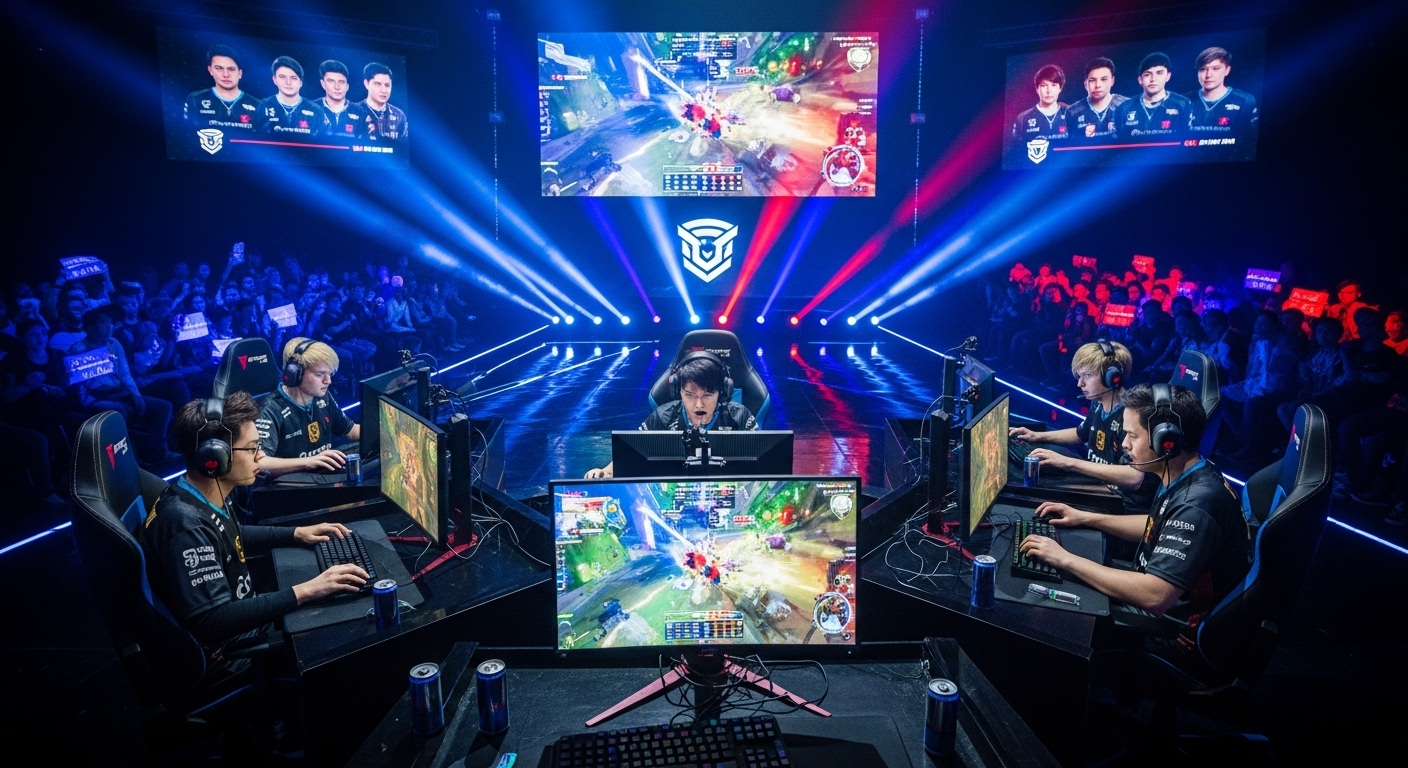
Today, esports events fill stadiums, attract millions of viewers online, and boast huge prize pools. Esports has transcended the confines of gaming and has become a cultural force with professional leagues, global recognition, and an ever-expanding fanbase. The rise of titles like “League of Legends,” “Dota 2,” “Fortnite,” and “Call of Duty” has cemented esports as not just a pastime but a global competitive platform.
The Competitive Nature of Esports: It’s All About Skill
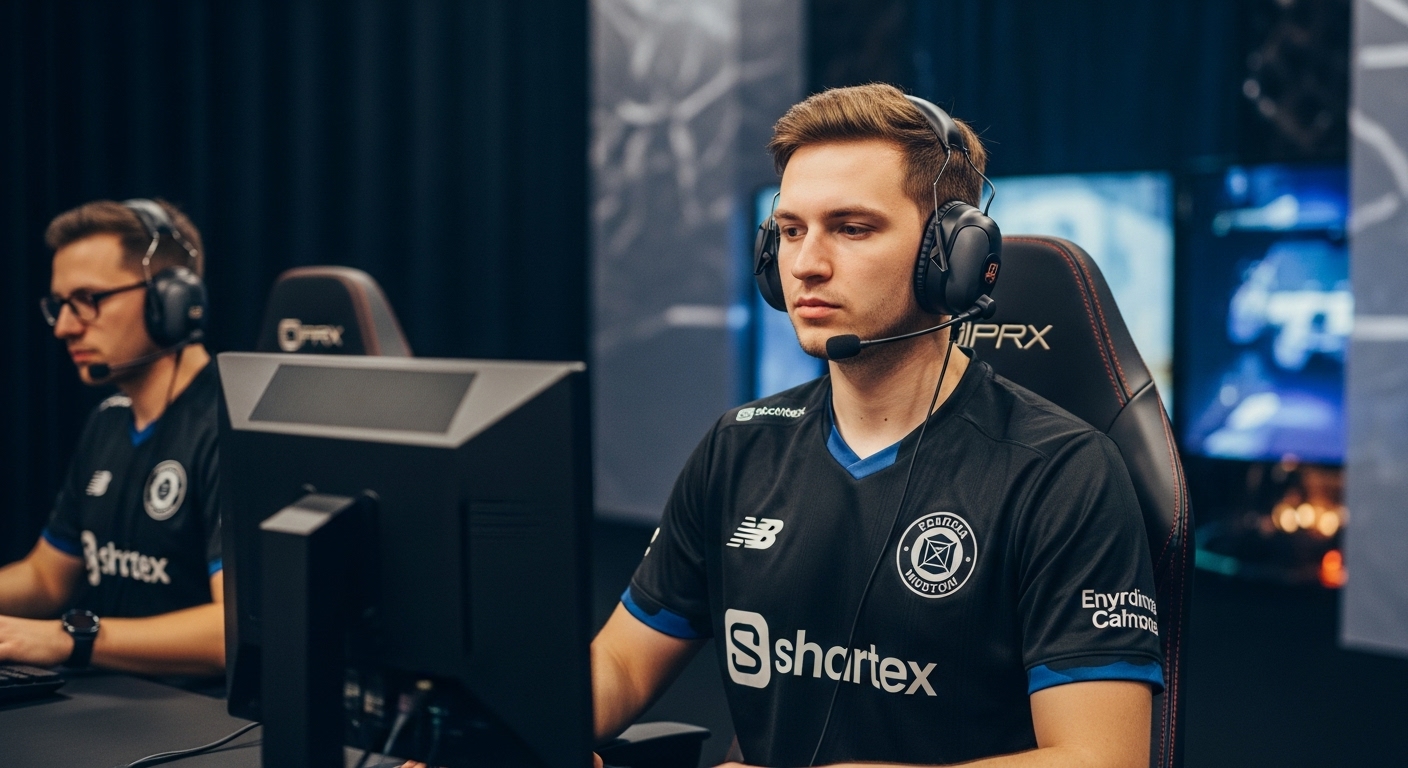
At its core, esports is about competition. Just like traditional sports, success in esports requires immense skill, strategy, and teamwork. Players don’t just pick up a controller and start playing—they train, practice, and hone their skills for hours every day. Esports athletes are some of the most dedicated and disciplined competitors, with many following regimented schedules to improve their reflexes, strategic thinking, and communication.
Esports games often require a deep understanding of the game mechanics, tactical planning, and quick decision-making under pressure. Whether it’s a “League of Legends” match with complex team dynamics or a “Counter-Strike” tournament where every second counts, the level of skill and preparation involved is immense. Players must also adapt to ever-evolving meta shifts, learn from their mistakes, and constantly stay ahead of their competition.
The Growth of Esports Viewership: A New Era of Spectatorship
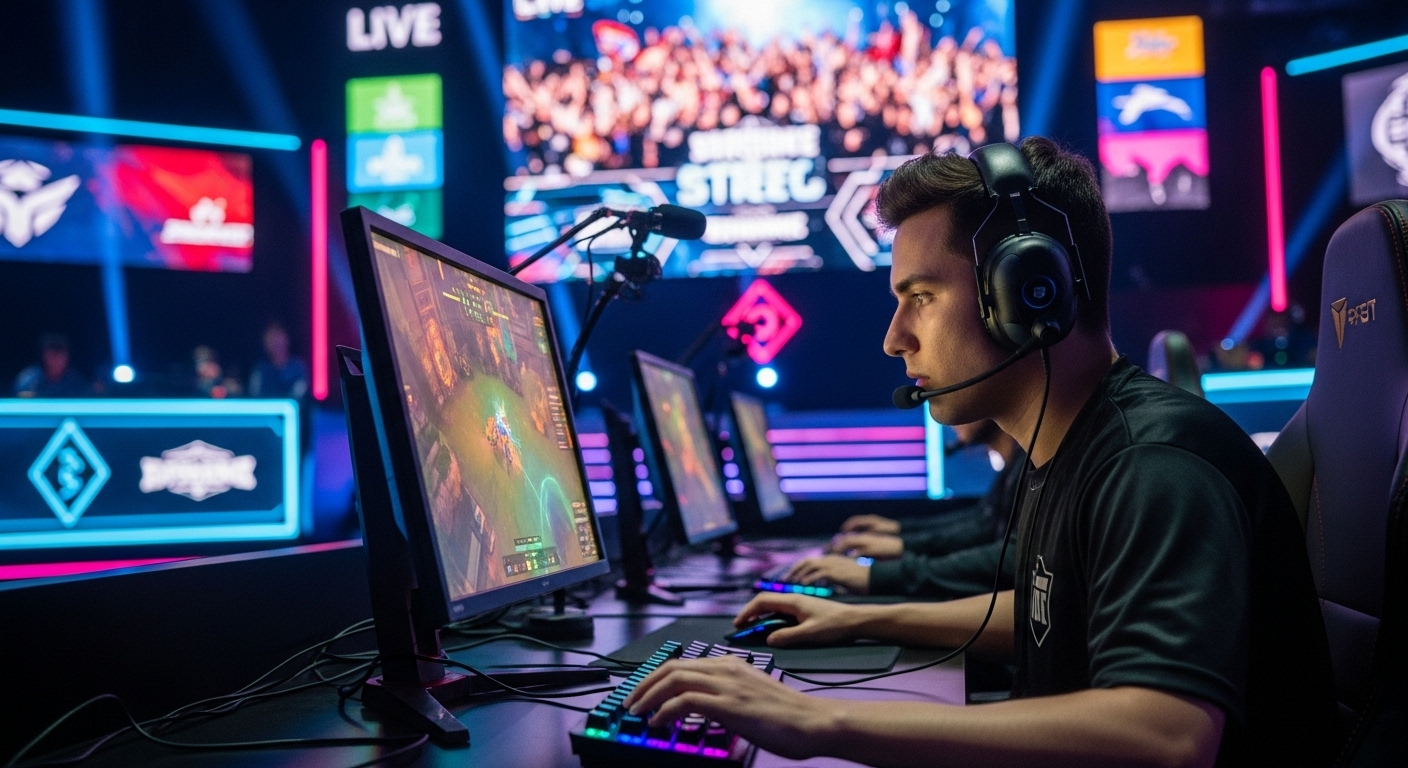
What sets esports apart from traditional sports is its accessibility to viewers. Unlike traditional sports, where fans have to be physically present at games or watch them on television, esports offers online streaming through platforms like Twitch and YouTube Gaming, where fans can watch live matches, follow their favorite players, and engage with the community.
Esports events now attract millions of viewers worldwide. Major tournaments like “The International” for Dota 2, the “League of Legends World Championship,” and the “Fortnite World Cup” draw audiences in the millions. In fact, esports viewership has already surpassed many traditional sports in terms of online engagement. In 2021, “League of Legends” had a peak viewership of over 3.8 million concurrent viewers for its World Championship, a staggering number for a video game competition.
This massive viewership is also growing beyond just gamers. Esports is now reaching mainstream audiences, attracting a broader demographic that includes casual viewers, sports fans, and even those who may have no previous interest in gaming. The thrill of the competition, the strategy involved, and the personalities of the players have made esports events an exciting spectacle for anyone to enjoy.
The Professionalization of Esports: Teams, Leagues, and Sponsorships
As esports continues to grow, it has become increasingly professional. Just like traditional sports, esports has its own set of teams, coaches, managers, and analysts. Professional esports teams, such as Team Liquid, T1, and FaZe Clan, are now household names in the gaming world. These teams often compete in leagues that mirror the structure of traditional sports leagues, with seasons, playoffs, and championships.
With the rise of esports, major brands have taken notice. Companies such as Coca-Cola, Intel, Red Bull, and Nike have invested heavily in esports sponsorships, recognizing the value of associating their brands with a rapidly growing and highly engaged audience. These partnerships have not only provided financial support but also helped elevate esports into a mainstream entertainment category. Additionally, esports organizations are attracting top-tier talent from various fields, including marketing, management, and broadcasting, further professionalizing the industry.
The success of esports leagues, such as the “Overwatch League” and “Call of Duty League,” is further proof of how the sector is maturing. These leagues operate much like traditional sports leagues, with franchised teams, dedicated fan bases, and high-profile broadcasts. As esports continue to grow, we can expect even more investment, sponsorship, and professional opportunities to emerge.
Esports and Traditional Sports: Bridging the Gap
The rise of esports has not only disrupted the gaming industry but also impacted traditional sports. Professional athletes from major sports leagues, including the NBA and NFL, have begun investing in esports teams, seeing the parallels between the two industries. The crossover between traditional sports and esports has led to collaborations that benefit both worlds.
For example, NBA stars like Michael Jordan and Stephen Curry have invested in esports teams, bringing their celebrity status and influence to the gaming community. Likewise, many traditional sports teams are now launching their own esports divisions, recognizing the potential to connect with younger, digitally-savvy fans. This blending of industries is opening doors to new sponsorships, cross-promotional events, and fan experiences that merge the worlds of traditional sports and esports.
Moreover, esports offers a unique opportunity to bridge the generational gap between older sports fans and younger, tech-savvy viewers. While traditional sports may struggle to engage younger audiences, esports offers a way to capture their attention and integrate them into the sports entertainment ecosystem.
The Future of Esports: What Lies Ahead?
As esports continues to evolve, it’s clear that the future holds exciting possibilities. With the advancement of technology, we may soon see esports integrated with augmented reality (AR) and virtual reality (VR), creating immersive viewing experiences that will take fan engagement to the next level. The emergence of 5G technology will also allow for faster and more reliable online play, which could lead to more seamless global competitions.
Moreover, the inclusion of esports in the Olympics or other major international sporting events could elevate the status of competitive gaming to new heights. Already, some countries are considering esports as a legitimate sport, with training programs and university scholarships now available for aspiring esports athletes.
The continued expansion of esports into various regions, including countries in Asia, Europe, and the Middle East, will help grow the global esports ecosystem. As the audience for esports diversifies, so too will the game genres and formats, ensuring that there’s something for everyone—whether you’re into fast-paced shooters, complex strategy games, or fantasy-based role-playing games.
Conclusion: A New Age of Competition and Entertainment
Esports has truly redefined what it means to compete, entertain, and engage with a global audience. The blend of skill, strategy, and showmanship has made esports a powerful force in the entertainment industry. As technology continues to evolve and the world of competitive gaming matures, there’s no doubt that esports will continue to play a pivotal role in shaping the future of sports and entertainment.
Whether you’re a casual viewer or a die-hard fan, it’s clear that esports is here to stay—and as the industry grows, it will undoubtedly keep pushing the boundaries of what we thought possible in competitive gaming. The rise of esports represents a new era in how we think about competition, talent, and global connection in the digital age.