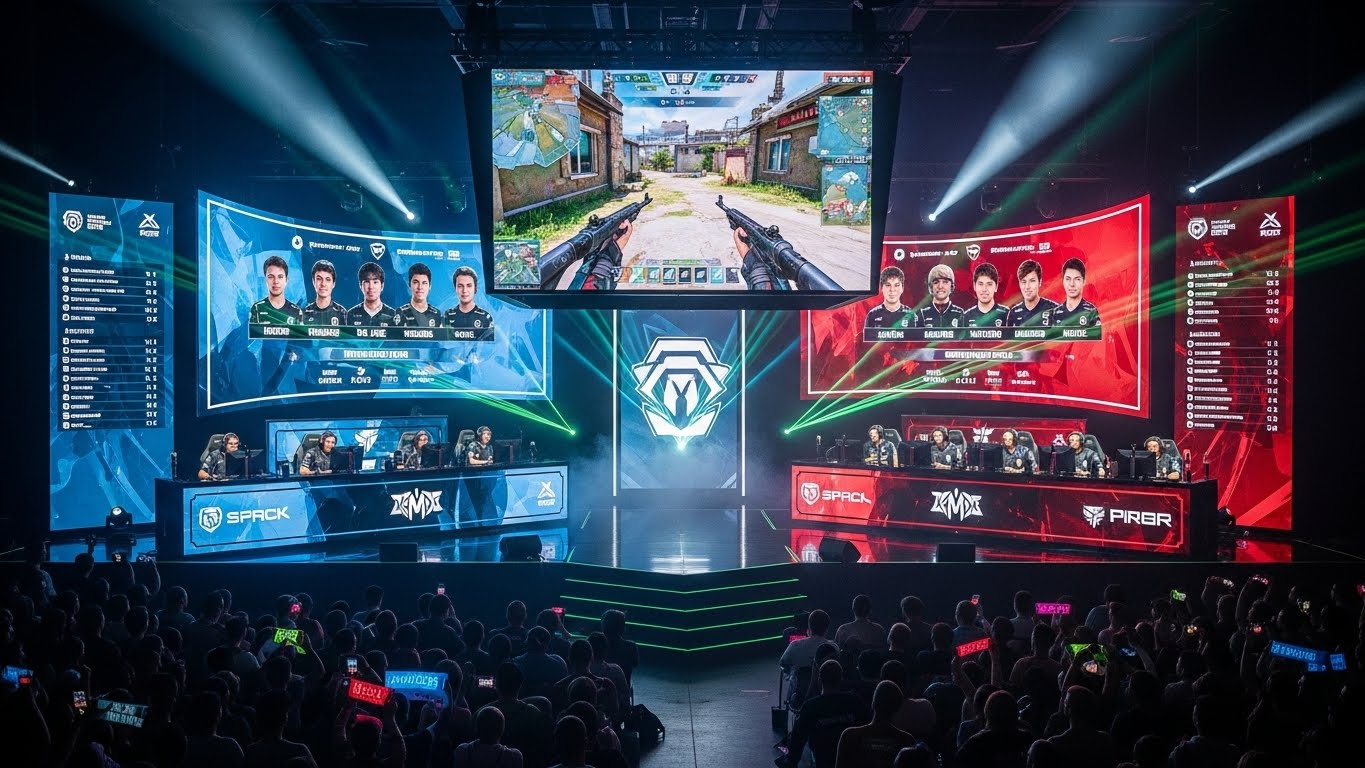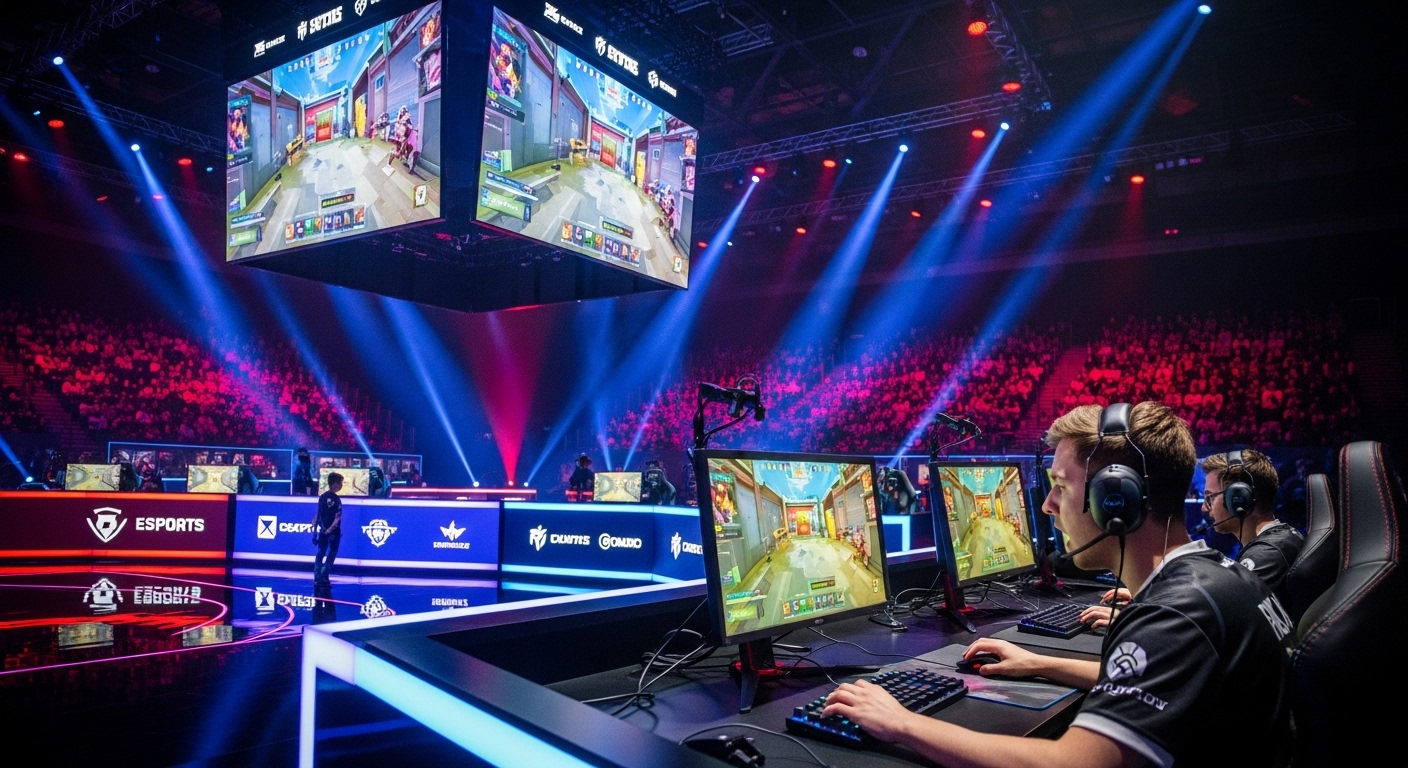
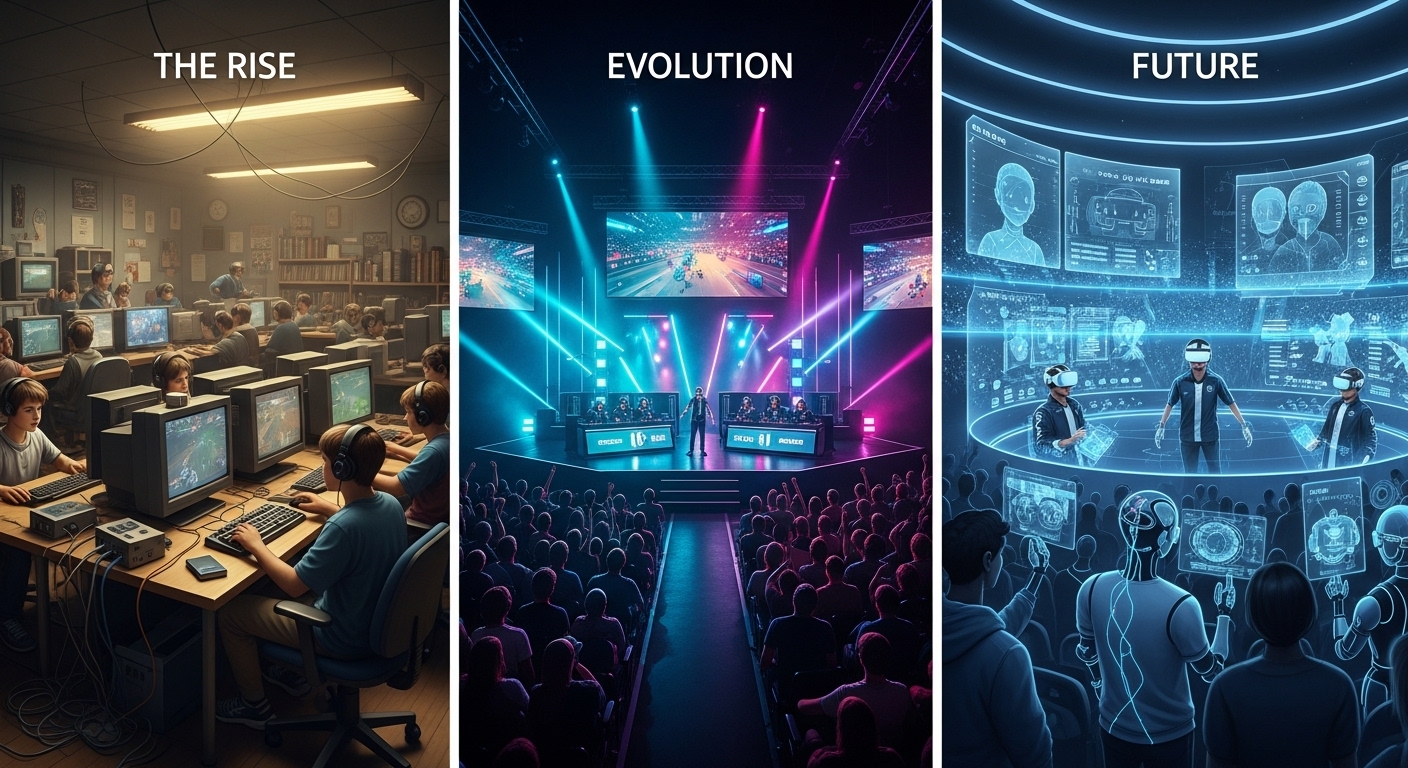
Esports, short for electronic sports, has evolved from a niche hobby into a global phenomenon. Once considered a pastime for a few dedicated gamers, esports now commands stadiums, live-streamed tournaments, and multi-million-dollar sponsorships. This transformation has been driven by technological advancement, a growing community of players and fans, and the legitimization of gaming as a competitive sport. In this blog, we will explore the history, growth, cultural impact, and future potential of esports.
A Brief History of Esports
The origins of esports can be traced back to the late 1970s and 1980s when video games began gaining mainstream popularity. Early competitions such as the “Space Invaders Championship” in 1980 drew thousands of participants and demonstrated the competitive potential of video gaming. During the 1990s, arcade gaming and early PC games fostered competitive communities. Titles like Street Fighter and StarCraft began to define what would become esports culture, with small tournaments organized by local gaming centers and hobbyist clubs.
With the advent of the internet in the late 1990s and early 2000s, competitive gaming exploded onto the digital stage. Online multiplayer games allowed players to compete across cities and countries, creating the first true global competitive scene. Games like Counter-Strike, Warcraft III, and Quake laid the foundation for modern esports, fostering communities, professional leagues, and the first international tournaments.
Modern Esports: An Industry in Motion
Today, esports is no longer just a hobby. It has become a multimillion-dollar industry with professional teams, sponsorships, and dedicated infrastructure. Games like League of Legends, Dota 2, Fortnite, and Call of Duty have massive global audiences, with tournaments broadcast on streaming platforms like Twitch and YouTube. The scale of esports tournaments has grown to rival traditional sports events, both in prize pools and viewership.
The competitive esports ecosystem now includes players, teams, coaches, analysts, event organizers, broadcasters, and sponsors. Players train rigorously, following strict schedules similar to professional athletes. Many teams have dedicated training facilities, fitness regimens, and mental coaching to optimize performance. Sponsorship deals from brands outside the gaming industry, such as energy drinks, apparel, and even finance companies, have further legitimized esports as a professional career path.
The Global Reach of Esports
One of the most remarkable aspects of esports is its global accessibility. Unlike traditional sports, which often require physical infrastructure or access to certain facilities, esports can be played anywhere with a computer or console and a stable internet connection. This accessibility has created vibrant esports communities worldwide.
Regions like South Korea have embraced esports as part of mainstream culture. South Korea, in particular, has produced some of the most skilled players in titles like StarCraft and League of Legends. Professional players are treated like celebrities, with fan followings, media coverage, and even mandatory military service exemptions in some cases. Similarly, North America, Europe, and China have developed competitive leagues that showcase the best talent from each region. China’s esports market is one of the largest, with huge investments from both tech companies and government initiatives to promote esports as a legitimate industry.
Esports and Streaming Culture
The rise of esports cannot be separated from the rise of live streaming platforms. Platforms like Twitch, YouTube Gaming, and more recently, Facebook Gaming, have revolutionized how audiences engage with competitive gaming. Fans can watch tournaments live, interact with streamers, and follow players’ careers in real time.
Streaming has also created opportunities for individual players to build personal brands, even outside professional competition. Content creation, casual gameplay, and fan interaction have become integral aspects of the esports ecosystem. The combination of competitive play and entertainment ensures that esports appeals to a broad audience, including casual viewers who may not participate in the games themselves.
The Cultural Impact of Esports
Esports has influenced popular culture in multiple ways. Firstly, it has challenged stereotypes about gaming being an isolating or non-productive activity. Professional gamers are recognized as skilled athletes, and esports has inspired discussions about hand-eye coordination, strategic thinking, teamwork, and mental endurance.
Moreover, esports has contributed to the broader acceptance of gaming as a legitimate form of entertainment. Major brands sponsor tournaments, and traditional sports organizations, such as football clubs and basketball teams, have invested in esports franchises. Universities now offer esports scholarships, courses in game design, and competitive teams, highlighting the intersection of education and competitive gaming.
Fashion, music, and entertainment have also intersected with esports culture. Gaming apparel lines, themed concerts, and crossovers with mainstream celebrities have made esports more visible and influential beyond traditional gaming circles.
Competitive Titles and Game Genres
Esports encompasses a wide variety of game genres, each with its own competitive ecosystem. Some of the most prominent include:
- MOBA (Multiplayer Online Battle Arena): Games like League of Legends and Dota 2 require strategic teamwork, rapid decision-making, and coordination. Tournaments for these games attract millions of viewers globally.
- First-Person Shooters (FPS): Titles like Counter-Strike: Global Offensive, Call of Duty, and Valorant emphasize precision, reflexes, and tactical strategies. FPS tournaments are often intense, with fast-paced action that appeals to spectators.
- Battle Royale: Games like Fortnite and PUBG popularized large-scale competitive formats where players or teams fight to be the last one standing. These games combine skill, strategy, and adaptability.
- Fighting Games: Games like Street Fighter and Tekken have long-established competitive scenes that prioritize reflexes, combos, and technical mastery.
- Sports Simulations: Titles like FIFA and NBA 2K allow players to compete in virtual versions of traditional sports, blending digital skill with knowledge of the sport itself.
Each genre fosters its own community, playstyle, and tournament structure, contributing to the diverse ecosystem of esports.
The Economics of Esports
The financial scale of esports is staggering. Professional players earn salaries, tournament winnings, and sponsorships. Top teams have management structures similar to traditional sports franchises, with CEOs, marketing teams, and content creators.
Tournament prize pools have grown significantly, with some events offering millions of dollars to winners. The Dota 2 “The International” tournament is notable for its enormous prize pool, fueled by community contributions and sponsorship deals. This economic growth has encouraged investment from tech companies, venture capital, and mainstream brands looking to tap into the engaged and youthful esports audience.
Advertising, merchandising, ticket sales, and digital content all contribute to the ecosystem. The financial incentives have also driven innovation, including better game design, enhanced broadcasting technology, and professional league systems that mirror traditional sports.
Challenges Facing Esports
Despite its rapid growth, esports faces several challenges. One of the major issues is player burnout. Competitive gaming requires long hours of practice, mental focus, and resilience, often leading to physical and psychological strain. Organizations are beginning to implement measures to address these issues, including structured practice schedules, wellness programs, and mental health support.
Another challenge is the legitimacy of esports as a career. While top-tier players can earn substantial income, the majority of players struggle to achieve financial stability. The competitive nature of the industry means that only a small fraction of players reach the professional level.
Additionally, issues such as cheating, doping, and toxic behavior in online communities can undermine the integrity of esports. Game developers, tournament organizers, and community leaders are constantly working to address these challenges to ensure a fair and sustainable competitive environment.
The Future of Esports
The future of esports looks promising. Emerging technologies such as virtual reality and augmented reality could redefine competitive gaming by creating more immersive experiences for players and spectators. Mobile esports is also on the rise, particularly in regions where mobile gaming dominates, such as Southeast Asia and India.
Esports is likely to become increasingly intertwined with traditional sports, entertainment, and education. Universities will expand esports programs, while mainstream sports teams may integrate esports divisions. The globalization of esports, combined with technological innovation, ensures that competitive gaming will continue to captivate audiences worldwide.
Furthermore, esports may play a role in broader cultural conversations about digital literacy, teamwork, and strategy. Its growing legitimacy challenges traditional notions of sport and entertainment, demonstrating that competition and skill can take many forms in the digital age.
Conclusion
Esports has come a long way from humble arcade beginnings to a billion-dollar global industry. Its growth reflects not only technological innovation but also the human desire for competition, community, and entertainment. As esports continues to expand, it will redefine how we view sports, entertainment, and the boundaries of human skill in the digital world. The rise of esports demonstrates that the future of competition is not limited by physical arenas—it thrives wherever imagination, strategy, and skill converge in the digital arena.
Esports is more than just gaming; it is a cultural movement, a professional pursuit, and a global phenomenon that shows no signs of slowing down. With continued investment, innovation, and community engagement, the digital battlefield of esports will remain a central stage for skill, strategy, and entertainment for generations to come.