Introduction to Esports
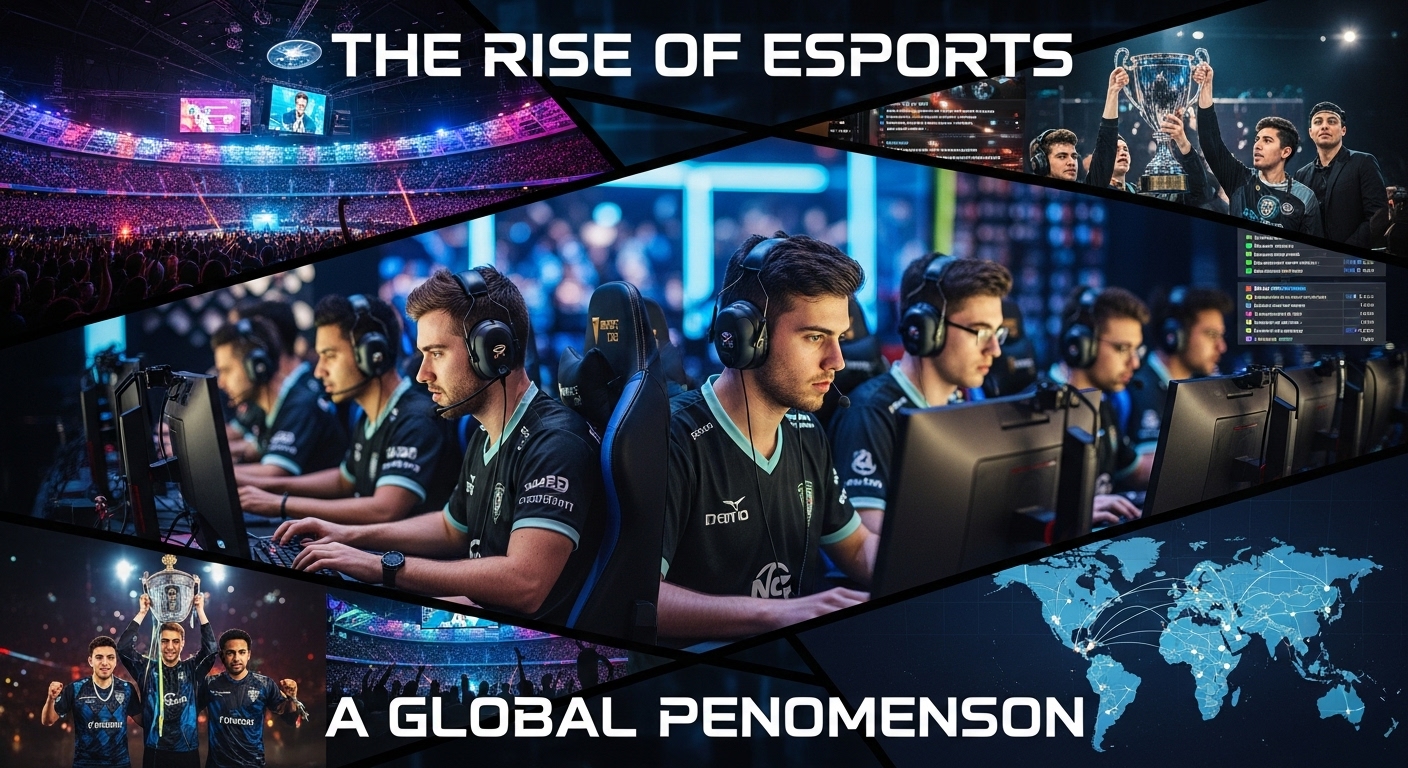
Over the last two decades, a new form of entertainment has taken the world by storm—Esports, short for electronic sports. What once began as friendly competitions between friends in local gaming cafes has evolved into a global phenomenon worth billions of dollars. Esports represents the competitive side of video gaming, where individuals or teams face off in organized tournaments for fame, recognition, and substantial prize money. Games like League of Legends, Counter-Strike, Dota 2, and Fortnite have become arenas for professional gamers to display their talent in front of millions of viewers across the world.
The growth of Esports reflects the changing nature of entertainment in the digital era. It is no longer just a hobby for teenagers or a casual pastime. It has become a professional industry involving sponsorships, large-scale events, and global audiences. The rise of Esports highlights how technology, connectivity, and creativity have reshaped how people interact, compete, and entertain themselves.
The Origins and Evolution of Esports
The concept of competitive gaming is not new. It can be traced back to the 1970s when video games were first becoming popular. One of the earliest recorded gaming competitions took place in 1972 at Stanford University, where players competed in the game Spacewar. The winner received a year’s subscription to a magazine, a modest prize compared to today’s million-dollar tournaments.
In the 1980s, the arcade culture popularized gaming competitions further. Titles like Pac-Man and Donkey Kong drew crowds of players trying to set high scores. The 1990s brought a major transformation with the arrival of home consoles and personal computers. Games like Street Fighter II, StarCraft, and Quake created competitive communities that organized local and regional tournaments.
The true turning point came in the early 2000s with the spread of high-speed internet and online multiplayer gaming. Suddenly, players could compete from different corners of the world without being in the same physical space. Platforms like Battle.net and Xbox Live made it possible for millions to connect and compete. Professional gaming organizations began forming, and the first large-scale international Esports events started gaining media attention.
By the 2010s, Esports had become a mainstream form of entertainment. Streaming platforms such as Twitch and YouTube allowed fans to watch tournaments live, while social media helped teams and players build global followings. The line between traditional sports and Esports began to blur as stadiums filled with fans eager to watch their favorite teams compete on digital battlefields.
Popular Esports Titles and Genres
Esports includes a wide variety of games, each with its own community, strategy, and competitive scene. Some of the most popular genres include:
1. Multiplayer Online Battle Arenas (MOBA):
Games like League of Legends and Dota 2 dominate this category. They feature teams of players battling to destroy each other’s bases while controlling powerful characters with unique abilities. These games require teamwork, strategy, and split-second decision-making.
2. First-Person Shooters (FPS):
Titles such as Counter-Strike: Global Offensive, Call of Duty, and Overwatch test players’ reflexes, accuracy, and coordination. FPS games are among the oldest and most intense Esports genres, attracting millions of fans who appreciate fast-paced, tactical gameplay.
3. Battle Royale Games:
This genre exploded in popularity with games like Fortnite, PUBG, and Apex Legends. Players compete to be the last one standing in large-scale arenas, combining survival elements with shooting and strategy.
4. Sports Simulation Games:
Games such as FIFA, NBA 2K, and Madden NFL mirror real-world sports. These titles attract fans who enjoy virtual versions of their favorite athletic competitions, often involving real-life sports organizations that sponsor digital tournaments.
5. Fighting Games:
Classics like Street Fighter, Tekken, and Super Smash Bros. continue to have loyal communities. Fighting games focus on one-on-one combat, emphasizing skill, timing, and mastery of specific characters.
6. Real-Time Strategy (RTS) Games:
Although not as dominant as before, RTS titles like StarCraft II remain iconic in the Esports world. These games require players to manage resources, build armies, and outthink their opponents in real-time.
The Rise of Professional Esports Players
Professional Esports athletes are the backbone of this digital revolution. Unlike casual gamers, professionals dedicate years of training, practice, and analysis to master their craft. Their daily routines resemble those of traditional athletes—structured practice sessions, mental conditioning, team coordination, and strategy development.
Many professional players start their careers at a young age, often in their teenage years. They climb through ranks in online ladders and amateur tournaments before being noticed by professional teams. Once they join a professional organization, they receive coaching, sponsorships, and access to high-end equipment. Some teams even have dedicated nutritionists, psychologists, and fitness trainers to help players maintain balance and peak performance.
The success of Esports players has made them celebrities in their own right. They command large fanbases, earn lucrative sponsorship deals, and sometimes even achieve cult status. Players like Faker from League of Legends, s1mple from Counter-Strike, and Bugha from Fortnite are household names within gaming circles. Their achievements have proven that gaming can be more than just a pastime—it can be a legitimate and rewarding career.
Esports as a Global Industry
The Esports industry has grown into a multi-billion-dollar business that rivals traditional entertainment sectors. Revenues come from multiple sources, including sponsorships, advertising, media rights, ticket sales, and merchandise. Large companies and brands have recognized the potential of Esports as a marketing platform, leading to partnerships that bring legitimacy and financial support to the industry.
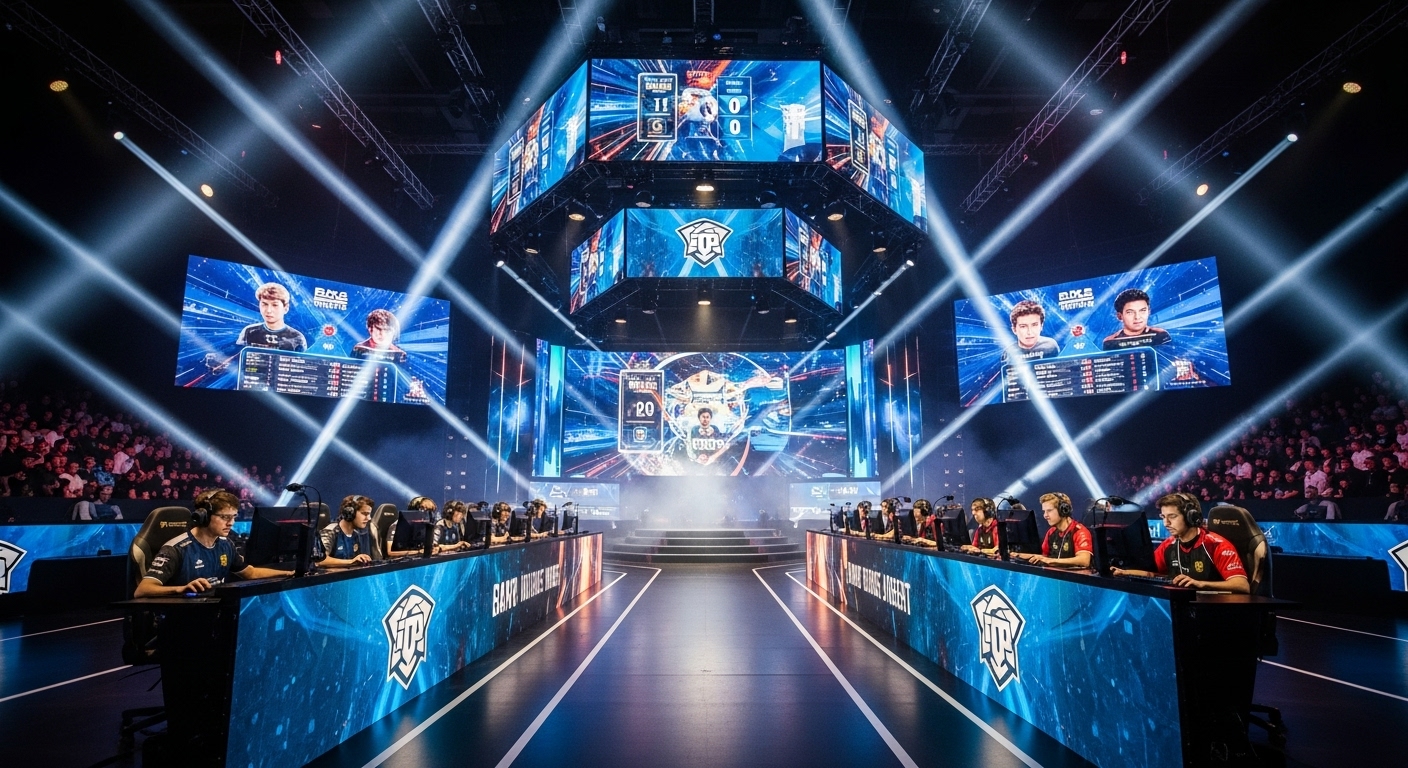
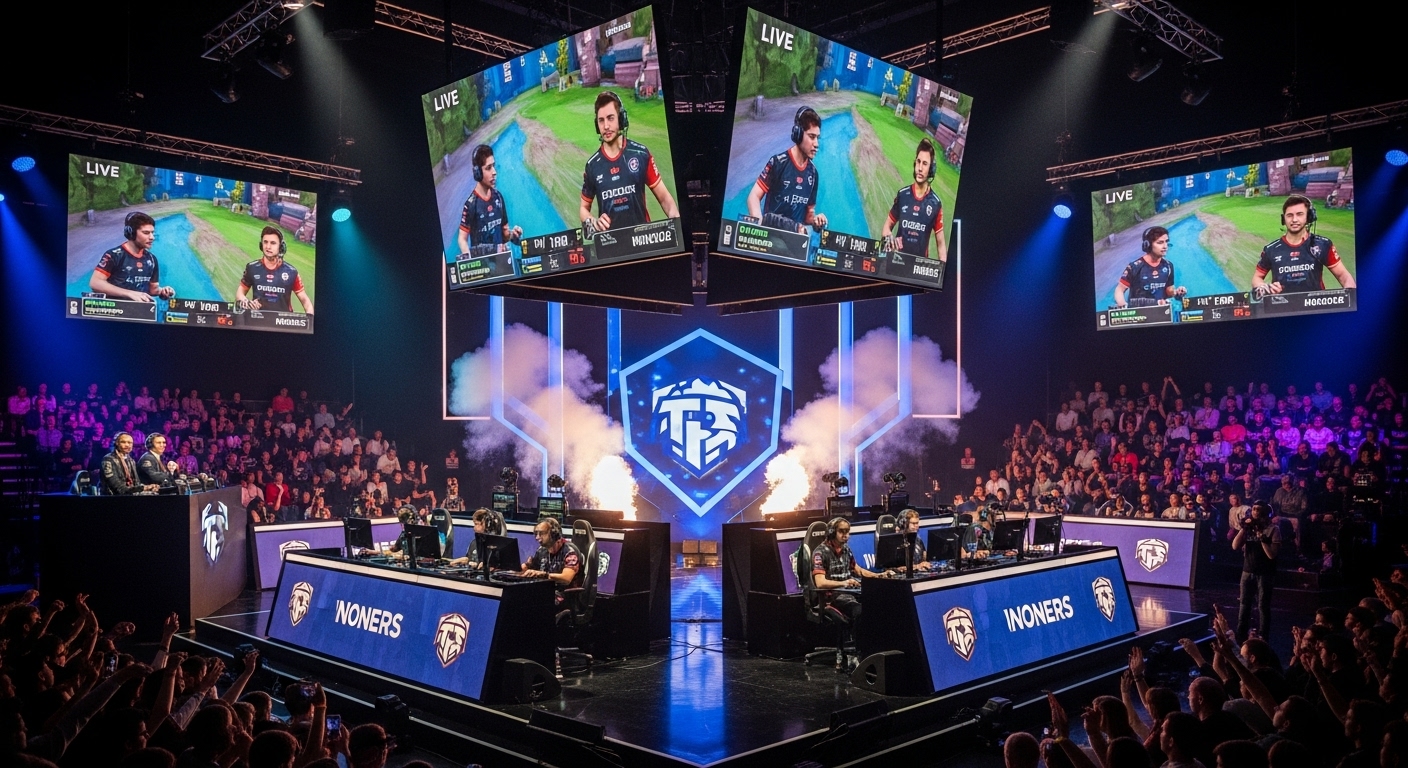
Esports tournaments now take place in massive arenas filled with cheering fans. Events like The International (Dota 2), League of Legends World Championship, and Fortnite World Cup attract global audiences both in-person and online. These tournaments often feature massive prize pools, sometimes exceeding tens of millions of dollars.
Broadcasting has also played a major role in the rise of Esports. Live streaming has transformed how audiences engage with content. Fans can interact with players, share reactions in real time, and become part of a larger community. The accessibility of Esports content allows anyone, anywhere, to tune in and participate in the excitement.
The Role of Technology and Streaming Platforms
Technology has been the driving force behind the growth of Esports. From high-performance gaming PCs to cloud gaming and advanced graphics, technology continues to enhance the Esports experience. Streaming platforms like Twitch, YouTube Gaming, and Facebook Gaming have created a new form of digital entertainment where players can share their gameplay live with audiences around the world.
These platforms have also turned casual gaming into social interaction. Gamers can build communities, engage with followers, and even generate income through subscriptions and sponsorships. The combination of interactivity and accessibility has made Esports one of the most dynamic sectors in the entertainment industry.
Furthermore, advancements in virtual reality (VR) and augmented reality (AR) promise to redefine the future of competitive gaming. Immersive experiences will allow both players and spectators to feel closer to the action than ever before. As technology evolves, so will the potential of Esports to reach new heights of engagement and realism.
The Educational and Career Opportunities in Esports
The professionalization of Esports has opened up numerous educational and career paths. Many universities now offer Esports scholarships, degrees, and research programs. These institutions recognize that Esports is not just about gaming—it involves management, marketing, psychology, media production, and event organization.
Students interested in gaming can pursue careers as analysts, coaches, commentators, developers, or event coordinators. Esports journalism and content creation are also emerging fields, as the demand for coverage, analysis, and storytelling continues to grow.
In addition to career opportunities, Esports promotes valuable life skills such as teamwork, strategic thinking, time management, and communication. Players learn how to operate under pressure, adapt to challenges, and collaborate effectively—skills that are transferable to many real-world professions.
The Cultural Impact of Esports
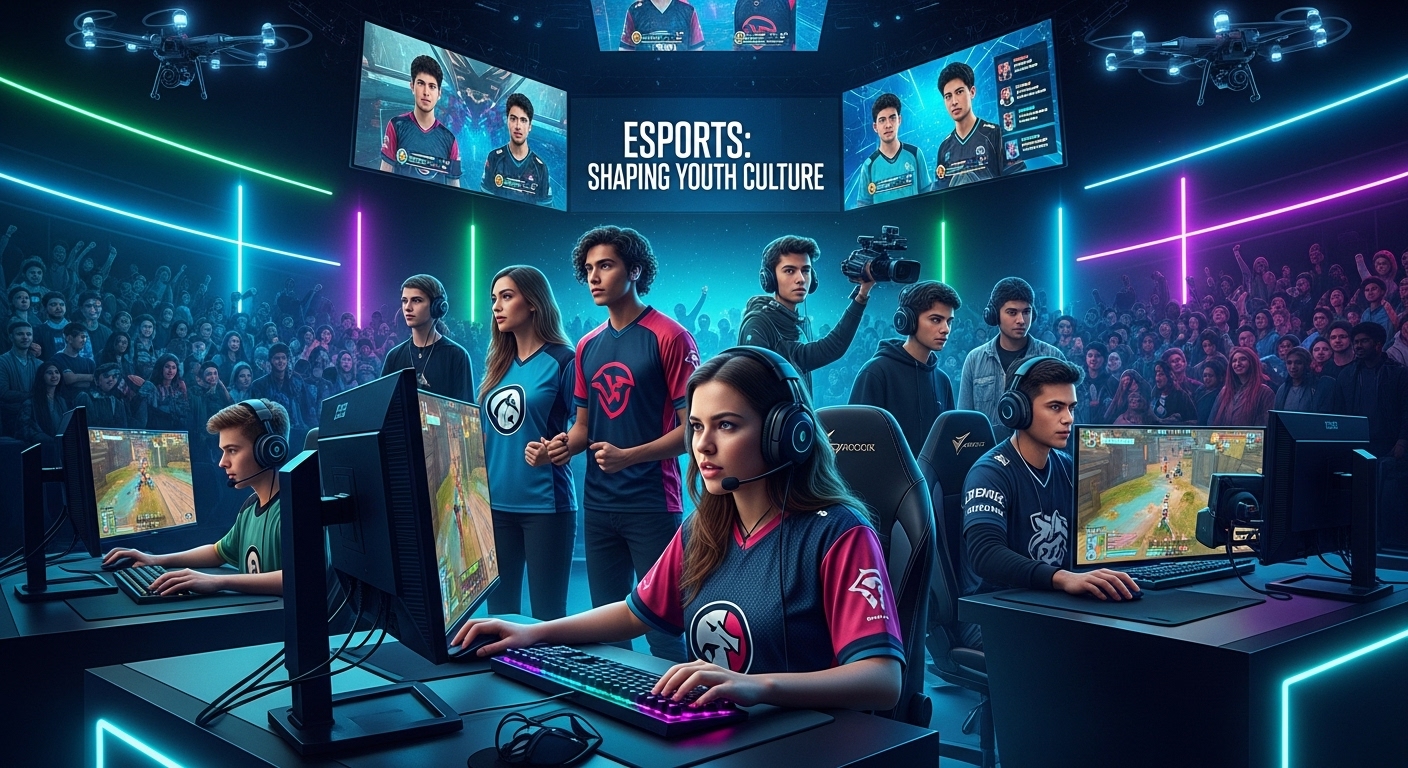
Esports has become a cultural force that transcends borders, languages, and age groups. It has created communities that bring together people from different backgrounds through a shared love of gaming. Major Esports events are celebrated with the same passion as traditional sports championships, complete with fan chants, team jerseys, and emotional moments.
Esports also plays a significant role in digital pop culture. Gaming references appear in music, movies, fashion, and art. Celebrities and influencers often participate in Esports events, further blending entertainment genres. This cultural integration demonstrates how deeply Esports has influenced modern society.
In some countries, Esports has achieved official recognition as a sport. Governments have begun supporting Esports programs, building arenas, and encouraging youth participation. Such recognition not only validates the industry but also ensures that Esports continues to grow sustainably and inclusively.
Challenges Facing the Esports Industry
Despite its rapid growth, Esports faces several challenges that need addressing to ensure its long-term success. One major issue is player burnout. The intense pressure, long practice hours, and constant competition can take a toll on mental and physical health. Unlike traditional sports, where players can have longer careers, professional gamers often retire early due to exhaustion or declining reflexes.
Another challenge is regulation and standardization. Since Esports involves multiple games, publishers, and organizers, there is no single governing body to oversee fairness, contracts, and player welfare. This lack of structure can lead to disputes, inconsistent rules, and exploitation of players.
Toxic behavior and online harassment are also ongoing problems. The anonymity of online spaces sometimes fosters negative conduct that affects both players and fans. Promoting a healthy, respectful, and inclusive gaming culture remains a key goal for the Esports community.
Finally, maintaining diversity and inclusion within the industry is essential. While Esports is global, certain groups—such as women and underrepresented communities—still face barriers to entry. Encouraging equality and providing equal opportunities can ensure that Esports remains open and fair for everyone.
The Future of Esports
Looking ahead, the future of Esports appears incredibly bright. The industry is expanding into new regions, technologies, and audiences. Mobile Esports, for example, is rapidly growing in popularity, especially in regions like Asia and South America. Titles such as Mobile Legends, PUBG Mobile, and Free Fire have brought competitive gaming to millions of new players who may not own expensive gaming setups.
Esports is also expected to play a larger role in mainstream entertainment. Collaborations with film studios, music artists, and brands will continue to blur the boundaries between gaming and other cultural forms. As virtual reality and artificial intelligence evolve, they will create new genres and experiences that redefine competition.
Moreover, the integration of Esports into education, health, and social programs will enhance its reputation as a positive and impactful part of society. Schools will use Esports to teach teamwork and digital literacy, while organizations will employ gaming to foster mental wellness and community engagement.
Conclusion
Esports is more than a trend—it is a reflection of how digital technology has transformed human interaction and competition. What started as small gatherings of enthusiastic gamers has become an international industry that influences culture, technology, and economy. It offers new forms of entertainment, professional opportunities, and global unity through shared passion.
The rise of Esports demonstrates that the future of sports and entertainment lies not only in physical arenas but also in digital worlds where creativity, strategy, and skill define success. As Esports continues to evolve, it will inspire new generations of gamers, dreamers, and innovators to explore the limitless potential of the virtual stage.