
Introduction
In today’s fast-paced digital age, esports has become one of the most exciting and rapidly growing industries in the world. Once seen as simple video gaming, esports has now evolved into a global phenomenon where professional players, teams, and fans unite in a competitive and entertaining environment. It combines technology, skill, and strategy, creating a new form of sport that has captured the attention of millions across the globe.
The Origin and Growth of Esports
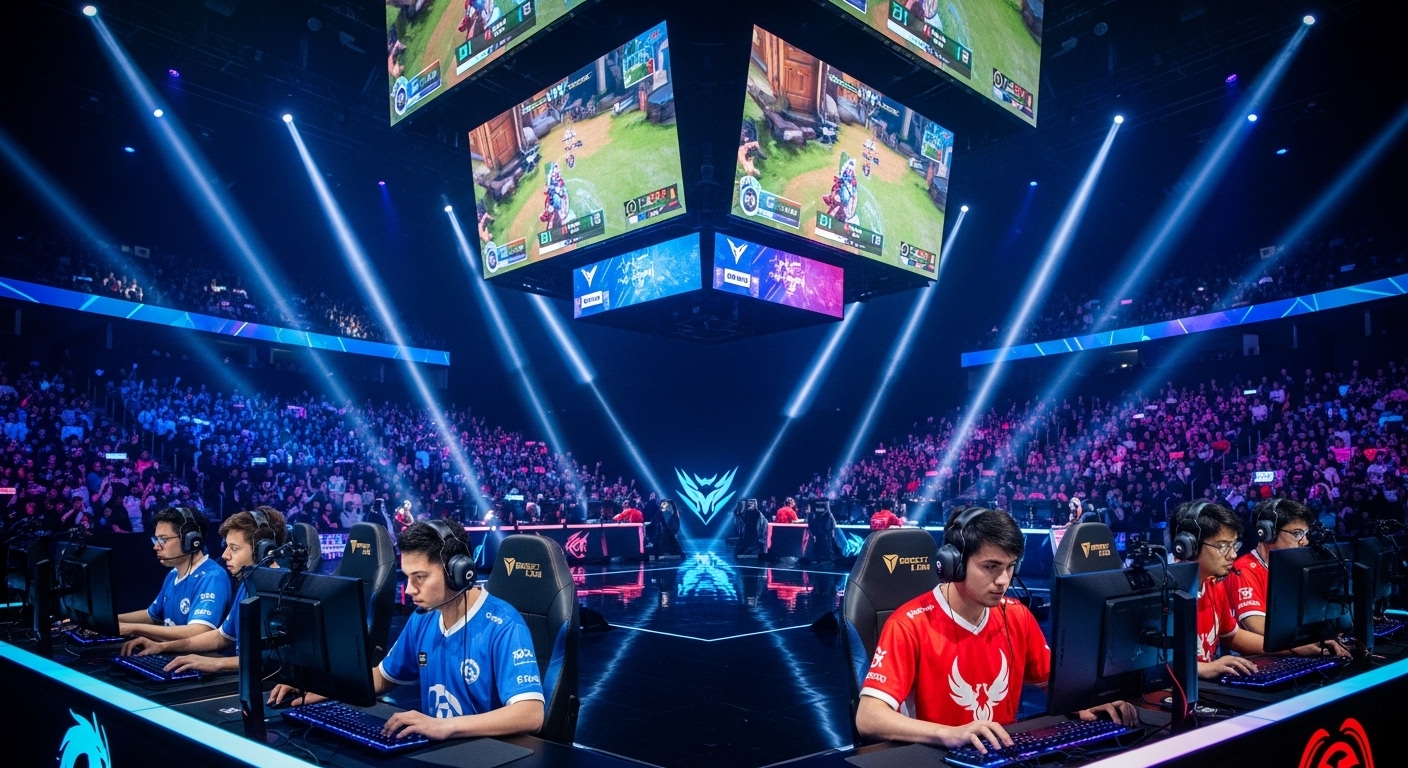
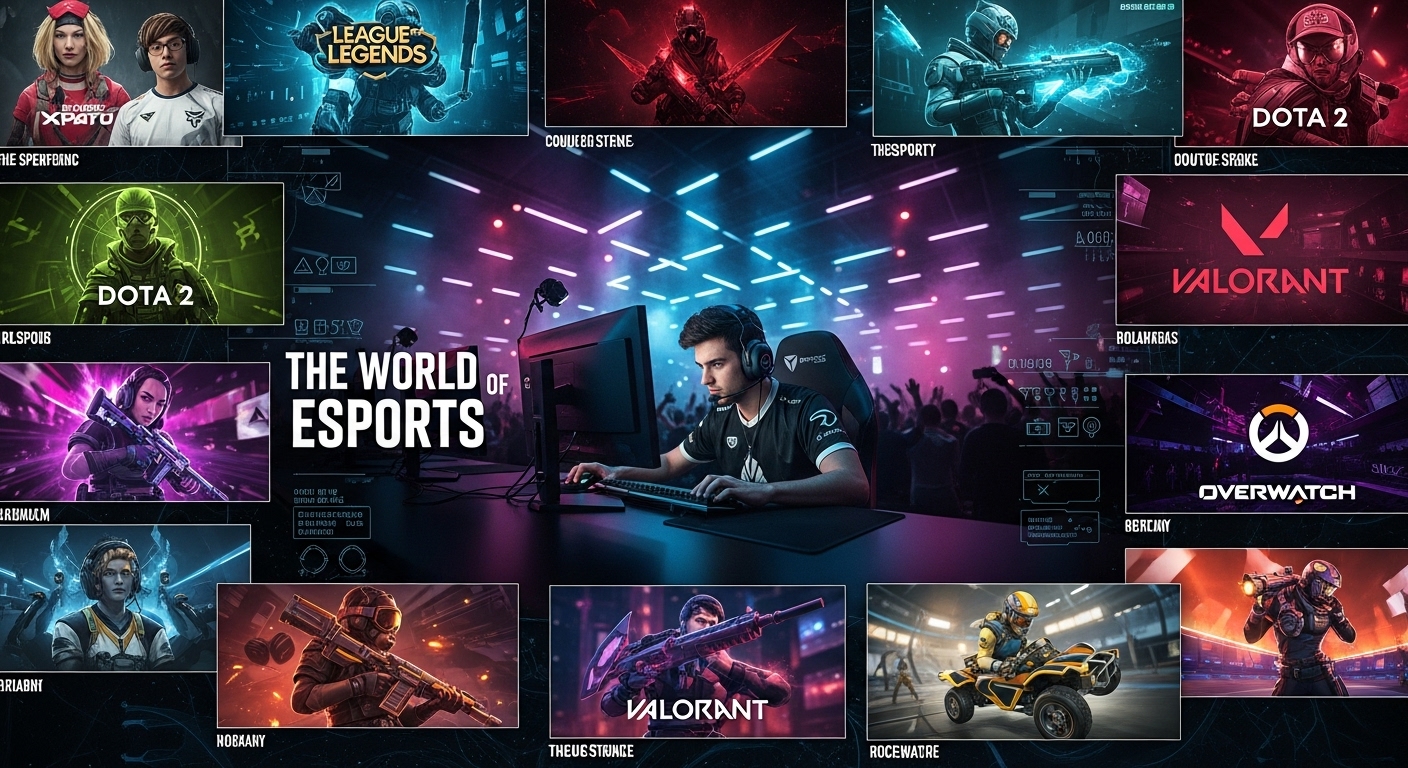
The story of esports began decades ago when video games were first introduced. Early gaming competitions were small and informal, often taking place in local arcades or community centers. As internet connectivity improved, online gaming allowed players to compete with others from around the world. Games like Counter-Strike, League of Legends, and Dota 2 became the backbone of the esports scene. Over the years, these competitions evolved from local tournaments into international events watched by millions of fans online and in massive arenas.
The Professional Player’s Journey
Becoming an esports professional is not an easy task. Players dedicate countless hours to practice, mastering game mechanics and improving their teamwork. Just like traditional athletes, esports players train daily to sharpen their reflexes, communication, and decision-making skills. Professional teams have coaches, analysts, and psychologists to help players perform at their best. This dedication has turned esports into a respected profession, with top players earning fame, sponsorships, and significant prize money.
The Business and Economic Impact
The esports industry has become a global business powerhouse. It generates billions of dollars annually through sponsorships, advertising, merchandise, and tournament winnings. Major companies invest in esports because it attracts a young, tech-savvy audience. Television channels, streaming platforms, and even sports clubs now host esports events, making it a mainstream entertainment form. Esports arenas are being built in major cities, showcasing how this digital sport has established its place in modern culture.
Esports and Education
Educational institutions are beginning to recognize esports as a legitimate career path. Many universities offer esports scholarships and degree programs related to game design, management, and marketing. Through esports, students learn valuable skills such as leadership, teamwork, and problem-solving. These skills not only help in gaming but also in various professional fields, making esports an important part of modern education.
The Global Esports Community
Esports has created a strong and diverse global community. People from different countries and cultures connect through their shared passion for gaming. This community promotes teamwork, communication, and respect among players. Esports events bring fans together both online and offline, creating a sense of unity and excitement similar to that found in traditional sports.
The Future of Esports
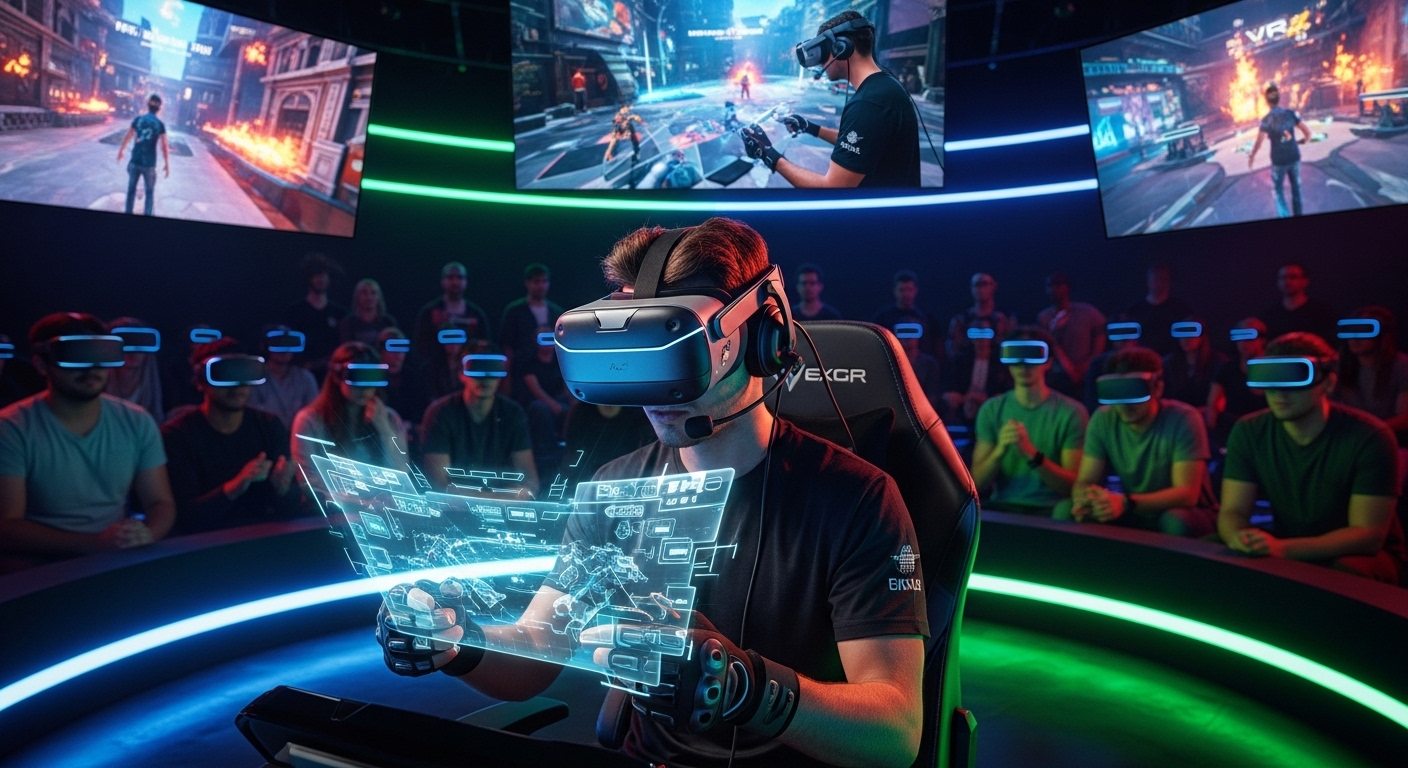
The future of esports is bright and full of possibilities. With advancements in technology such as virtual reality, artificial intelligence, and faster internet speeds, the gaming experience will become even more realistic and immersive. Esports may soon become a part of international sporting events, further blurring the line between digital and physical competition. As the industry continues to grow, more opportunities will open up for players, developers, and fans alike.
Conclusion
Esports represents the evolution of modern entertainment and competition. It has transformed gaming into a professional, global, and respected field that continues to inspire millions. With its mix of technology, creativity, and passion, esports is shaping the future of sports and redefining how we view competition in the digital era.