
Introduction
Esports, short for electronic sports, has evolved into a global cultural and professional phenomenon. What began as casual competitive gaming among friends has transformed into a highly organized industry with professional players, large-scale tournaments, and millions of fans worldwide. Esports now rivals traditional sports in viewership and revenue, offering entertainment, career opportunities, and a sense of community to millions of people. In this blog, we will explore the origins of esports, its growth into a professional industry, its cultural and economic impact, and what the future holds for competitive gaming.
The Origins of Esports
The concept of competitive gaming is not new. In the early 1980s, video game competitions began to emerge in arcades and universities. Games like Space Invaders and Pac-Man attracted players eager to prove their skills and achieve the highest scores. These early competitions were modest in scale but laid the foundation for a community of competitive players.
By the 1990s, with the growth of personal computers and internet connectivity, esports began taking a more structured form. Games like Quake, StarCraft, and Counter-Strike became platforms for organized competition. Online play allowed players to connect across regions, and fan communities formed around favorite games and players. These early competitions established the framework for esports as a global industry.
The Growth of Competitive Gaming
The 2000s marked a significant turning point for esports. Multiplayer online games became central to the competitive scene. Titles like Warcraft III, DotA, and Counter-Strike emphasized strategy, teamwork, and coordination. Players no longer competed solely for personal achievement—they represented teams and communities, developing skills that went beyond individual performance.
The introduction of online tournaments allowed players from different regions to compete in real-time. This accessibility broadened esports’ reach, attracting international audiences and laying the groundwork for global competitions. Communities flourished, creating fan forums, social groups, and local leagues that nurtured the growth of competitive gaming.
Popular Esports Genres
Esports covers a wide range of game genres, each offering unique challenges and attracting different types of players. Multiplayer Online Battle Arena games, such as League of Legends and Dota 2, focus on strategy, teamwork, and tactical decision-making. First-person shooters like Counter-Strike: Global Offensive and Call of Duty test reflexes, precision, and communication under pressure.
Battle royale games, including Fortnite and Apex Legends, emphasize adaptability, survival skills, and quick decision-making in dynamic environments. Sports simulation games like FIFA and NBA 2K offer competitive play that mirrors traditional sports, appealing to both gamers and sports enthusiasts. The diversity of genres ensures esports remains accessible and engaging to a wide audience.
Professional Esports Players
Modern esports players are professionals, dedicating long hours to practice, strategy, and teamwork. Training routines often involve up to twelve hours of gameplay daily, combined with mental exercises, physical fitness, and team coordination. Professional players are expected to maintain focus, adaptability, and strong communication skills, similar to athletes in traditional sports.
Players sign contracts with professional teams and compete for prize pools that can reach millions of dollars. They also build personal brands through streaming, social media engagement, and sponsorships. This professionalization demonstrates that esports is no longer a hobby—it is a viable and respected career path.
The Role of Tournaments and Leagues
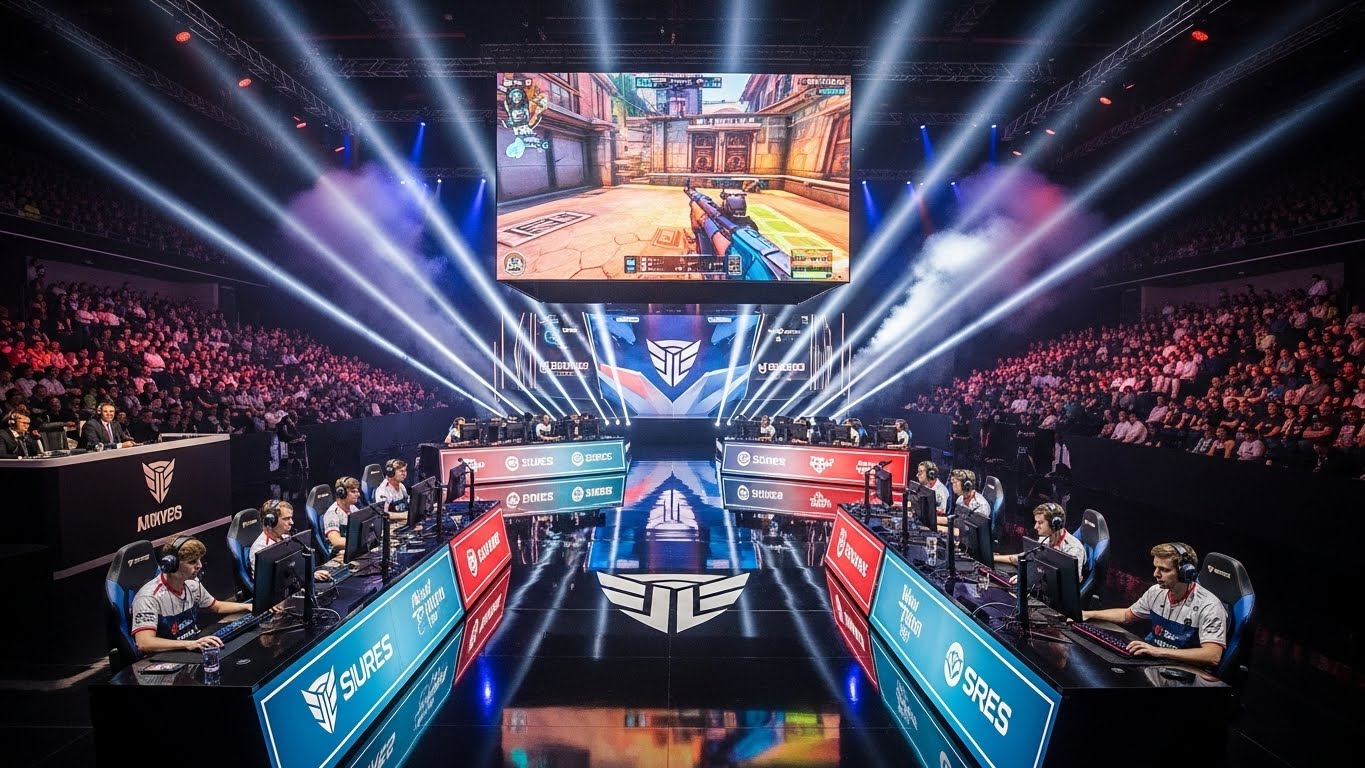
Tournaments and leagues form the backbone of esports. High-profile competitions, such as The International for Dota 2, the League of Legends World Championship, and the Fortnite World Cup, attract millions of viewers worldwide. These tournaments not only provide financial rewards but also foster global competition and recognition.
Leagues offer structure and consistency, creating pathways for emerging talent to reach the professional stage. Regional competitions feed into international tournaments, establishing a global ecosystem that nurtures skill development and audience engagement. Tournaments and leagues also give fans the opportunity to follow stories, rivalries, and achievements throughout the year.
Esports Streaming Culture
Streaming platforms have played a crucial role in the growth of esports. Viewers can watch live matches, engage with players, and participate in fan communities. Platforms such as Twitch and YouTube Gaming allow fans to follow professional players, observe strategies, and enjoy real-time interaction.
Streaming has also democratized the discovery of talent. Amateur players can gain recognition, connect with fans, and even join professional teams based on their performance and popularity online. This interactive experience distinguishes esports from traditional sports, combining competition with entertainment and audience participation.
Economic Impact of Esports
Esports is now a multi-billion-dollar industry, generating revenue from sponsorships, advertising, merchandising, ticket sales, and digital content. Brands see esports as an opportunity to reach younger, digitally engaged audiences who spend significant time on gaming platforms.
The industry has created numerous jobs beyond playing professionally. Coaches, analysts, event managers, content creators, marketing professionals, and developers all contribute to the esports ecosystem. Educational institutions have also recognized esports, offering scholarships, programs, and research opportunities, which further integrate competitive gaming into mainstream society.
Cultural and Social Significance
Esports has a significant cultural impact. It fosters collaboration, teamwork, and creativity within communities. Fans create fan art, cosplay, podcasts, and social media content that celebrate games and players. These communities extend beyond gameplay, creating a shared culture of passion and engagement.
Esports also challenges stereotypes about gaming. It emphasizes skill, strategy, discipline, and dedication. The industry is inclusive, welcoming players from different genders, backgrounds, and countries. Competitive gaming has become a platform where talent is recognized and celebrated globally.
Mental Resilience and Life Skills
Competitive gaming requires mental toughness. Players must perform under pressure, adapt strategies in real-time, and communicate effectively with teammates. These experiences develop critical thinking, decision-making, and teamwork skills that translate beyond the gaming environment.
Professional esports teams increasingly focus on player well-being. Psychological support, fitness training, and balanced schedules are essential for preventing burnout and promoting long-term success. Esports demonstrates that mental and physical health are critical components of performance in competitive gaming.
Education and Career Opportunities in Esports
Esports has expanded into education and professional development. Universities and colleges now offer programs in esports management, game design, broadcasting, and analytics. Scholarships for competitive players encourage academic and personal growth alongside gaming excellence.
Career opportunities extend beyond professional play. Analysts, commentators, event organizers, marketers, and developers all contribute to the ecosystem. Esports blends creativity, technology, and business, offering diverse pathways for individuals interested in gaming careers.
The Future of Esports
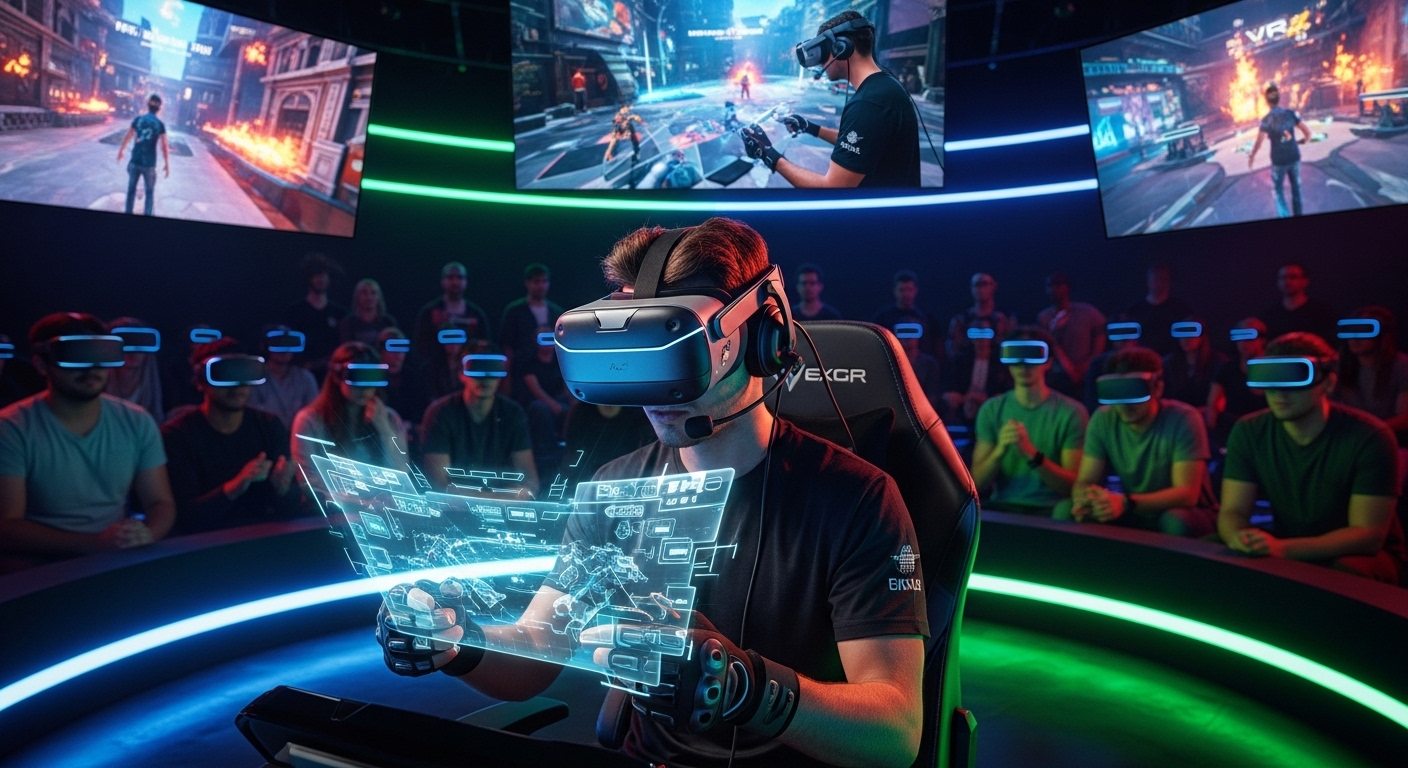
The future of esports is filled with potential. Emerging technologies such as virtual reality and augmented reality may introduce entirely new forms of competitive gameplay. Artificial intelligence could enhance training, performance analysis, and game design, creating more dynamic experiences for players and audiences.
Cloud gaming may allow broader access to high-quality esports experiences without expensive hardware. As new regions invest in leagues, tournaments, and training facilities, esports will continue to expand globally. Collaborations with traditional sports, music, and entertainment industries may further integrate esports into mainstream culture.
Conclusion
Esports has grown from small-scale competitions to a global phenomenon that combines skill, strategy, community, and entertainment. The professional ecosystem, streaming culture, economic impact, and educational opportunities highlight its significance as both a career path and a form of entertainment.
As technology evolves and audiences expand, esports will continue to shape entertainment, culture, and professional opportunities worldwide. Competitive gaming is no longer just a pastime—it is a dynamic, evolving industry that celebrates human skill, creativity, and global connection. The esports revolution is here, and its influence will only continue to grow.