
Introduction: Why Sports Matter
Sports have been a cornerstone of human civilization for centuries, serving not only as a source of entertainment but also as a tool for personal and social development. From the ancient Olympic Games to modern professional leagues, sports captivate audiences, inspire athletes, and bring communities together. They are a universal language, transcending cultural, social, and geographical boundaries. Participating in sports or simply being a fan provides an avenue for individuals to experience joy, challenge, and growth. Beyond the excitement of competition, sports play a vital role in shaping character, improving physical and mental health, and creating opportunities for personal achievement.
Physical Benefits of Sports
Engaging in sports regularly offers numerous physical benefits. Activities like running, swimming, cycling, and team sports improve cardiovascular health, build muscle strength, enhance flexibility, and boost endurance. Sports also help in maintaining a healthy weight, improving metabolism, and reducing the risk of chronic illnesses such as diabetes, heart disease, and obesity. For children and adolescents, regular participation in sports develops coordination, motor skills, and overall fitness. Adults benefit from improved posture, reduced stress, and increased energy levels. Additionally, sports encourage individuals to adopt a disciplined lifestyle, emphasizing the importance of consistent physical activity for long-term health.
Mental Health Benefits of Sports
While the physical advantages of sports are widely recognized, their impact on mental health is equally significant. Physical activity stimulates the release of endorphins, which act as natural mood enhancers and help alleviate stress, anxiety, and depression. Participation in sports also develops mental resilience, teaching athletes how to cope with pressure, setbacks, and challenges. Team sports, in particular, cultivate social skills such as communication, empathy, and collaboration. Engaging in sports encourages focus, problem-solving, and strategic thinking, which extend beyond the playing field. Moreover, the sense of achievement from improving skills or winning a game boosts self-confidence and overall life satisfaction.
Building Character Through Sports
Sports serve as a powerful tool for character development. They teach discipline, commitment, and perseverance, as athletes dedicate time and effort to mastering their craft. Sportsmanship promotes respect for others, fairness, humility in victory, and grace in defeat. Through regular participation, individuals learn accountability, patience, and leadership skills. Coaches and mentors play a crucial role in instilling these values, guiding athletes to develop not only physically and technically but also morally and emotionally. These lessons gained through sports often translate into professional and personal success, making sports a key contributor to holistic development.
The Social Impact of Sports
Sports have a profound impact on society. They foster community spirit, create a sense of belonging, and unite people regardless of background, culture, or socioeconomic status. Local and national sporting events bring communities together, offering opportunities for celebration, pride, and shared experiences. Sports also promote inclusivity by encouraging participation from diverse groups, including women, differently-abled individuals, and underprivileged youth. Many community-based sports programs provide mentorship, education, and life skills, helping young people develop confidence, discipline, and leadership qualities. Major sporting events also serve as platforms for promoting social awareness and encouraging charitable initiatives.
Youth Development and Sports
Introducing children to sports at an early age has lasting benefits. Participation in physical activities improves motor skills, balance, and coordination while teaching essential life lessons such as teamwork, goal setting, and time management. Young athletes learn how to handle success and failure, fostering resilience and emotional maturity. Sports involvement can also enhance academic performance, as students develop focus, discipline, and a strong work ethic. Youth sports programs that combine athletic training with education contribute to holistic growth, preparing children for a balanced and fulfilling life. Early exposure to sports encourages lifelong engagement in physical activity, promoting long-term health and well-being.
Women in Sports: Breaking Barriers
The participation of women in sports has grown significantly over the years, challenging traditional stereotypes and promoting gender equality. Female athletes are achieving remarkable success in fields such as soccer, tennis, cricket, gymnastics, and athletics, inspiring millions worldwide. Increased visibility, media coverage, and support have created more opportunities for women to excel in sports. Female participation not only empowers women but also strengthens communities by promoting inclusivity, fairness, and social progress. Women athletes serve as role models, demonstrating that determination, skill, and dedication are not limited by gender, and encouraging young girls to pursue their dreams without hesitation.
Technological Advancements in Sports
Technology has transformed the world of sports, enhancing performance, training, and fan engagement. Wearable devices track vital statistics such as heart rate, speed, and stamina, helping athletes optimize their training. Video analysis allows for precise evaluation of techniques, strategies, and performance improvements. Virtual reality and simulation tools provide realistic training environments, enabling athletes to practice in conditions similar to actual competition. Technology also revolutionizes how fans experience sports, offering interactive viewing experiences, instant replays, and detailed statistical insights. While traditional aspects of sports remain central, technology ensures that the industry evolves to meet the demands of modern athletes and spectators alike.
Economic Impact of Sports
Sports are a significant contributor to the global economy. Professional leagues, tournaments, and international competitions generate billions in revenue, creating jobs in coaching, management, broadcasting, marketing, and event organization. Local sporting events stimulate tourism, support small businesses, and encourage infrastructure development. Sponsorships and endorsements further contribute to the financial ecosystem surrounding sports. Even recreational and community sports play a role in economic growth by promoting health, wellness, and social engagement. The financial impact of sports extends beyond entertainment, affecting livelihoods, economies, and urban development.
Global Sports Icons and Their Influence
Athletes often transcend the role of competitors to become global icons and influencers. Figures like Usain Bolt, Serena Williams, Lionel Messi, and Michael Jordan inspire millions through their talent, perseverance, and dedication. Their journeys serve as motivational examples, teaching the importance of hard work, discipline, and resilience. Beyond their athletic achievements, sports icons use their platforms to advocate for social causes, promote education, and encourage healthy lifestyles. The admiration they generate highlights the transformative power of sports to inspire, unify, and positively influence societies worldwide.
The Future of Sports
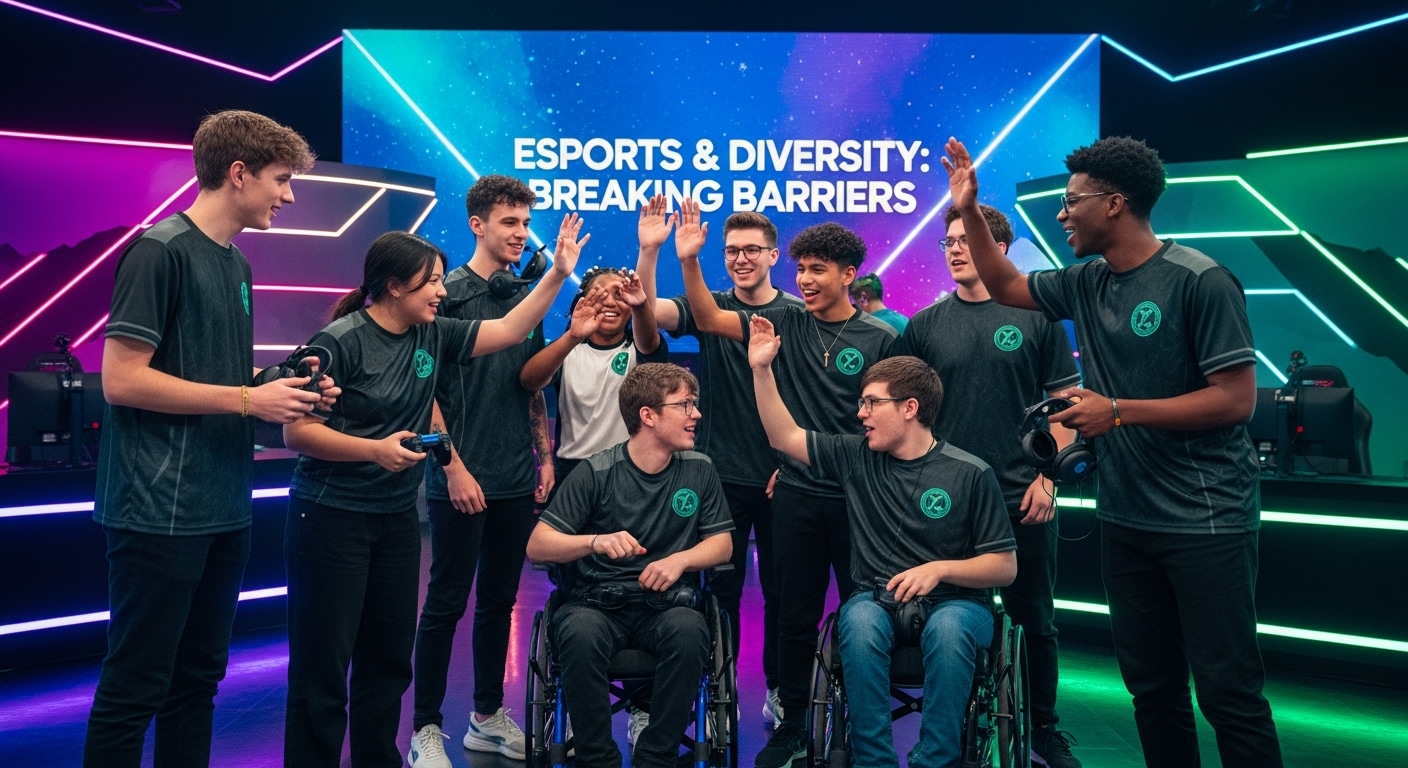
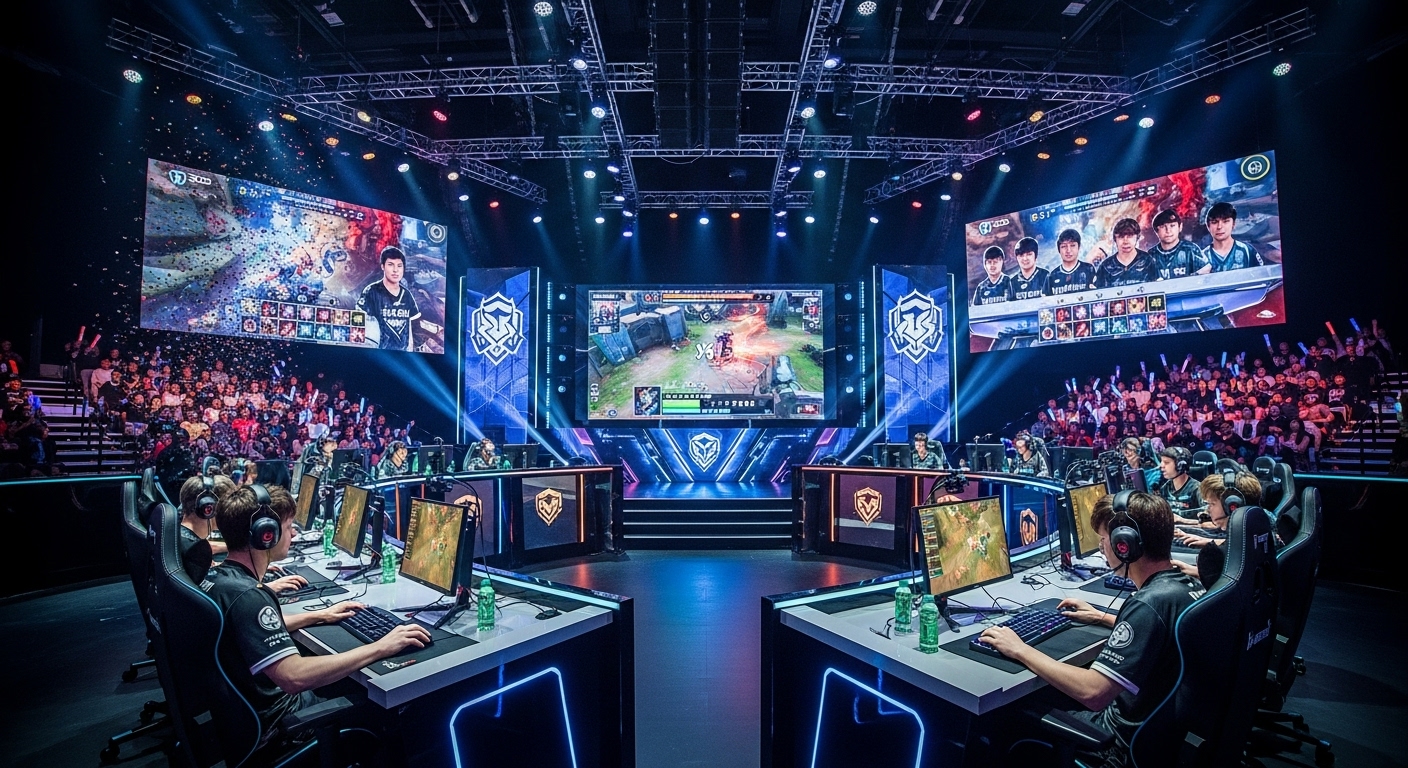
The future of sports is full of potential and innovation. There is an increasing focus on inclusivity, mental health, and sustainability. Adaptive sports for individuals with disabilities are gaining recognition, highlighting the power of participation for all. E-sports and virtual competitions are expanding the definition of athletics, combining strategy, skill, and technology. Emerging technologies like artificial intelligence, biomechanics, and data analytics are improving training, performance, and spectator engagement. Despite changes in format and technology, the essence of sports—competition, teamwork, and personal growth—will continue to remain central to human culture.
Conclusion: Sports as a Way of Life
Sports are much more than games or competitions; they are an integral part of life, teaching lessons that go far beyond the playing field. They foster physical health, mental well-being, social cohesion, and personal growth. Sports cultivate discipline, resilience, leadership, and teamwork, shaping individuals into well-rounded, capable, and motivated members of society. They unite communities, inspire generations, and empower people to achieve their dreams. In every victory, defeat, or effort, sports reflect the human experience, celebrating perseverance, courage, and excellence. Engaging in sports, whether competitively or recreationally, enriches lives, strengthens societies, and underscores the timeless truth that sports are more than just a game—they are a way of life.