Introduction: From Arcades to Arenas
There was a time when gaming was viewed as a pastime for children and hobbyists, confined to dimly lit arcades and home consoles. Fast forward to the twenty-first century, and gaming has evolved into something far greater and more influential. Esports, short for electronic sports, has transcended the boundaries of entertainment to become a global phenomenon. What was once considered casual play is now a multibillion-dollar industry, with professional players, global tournaments, massive sponsorships, and audiences rivaling traditional sports.
Esports represents more than just playing video games competitively. It is the fusion of skill, strategy, teamwork, and technology. It is a testament to how digital culture has reshaped entertainment and redefined what competition means in the modern world. The rise of esports reflects a shift in cultural values, where digital mastery is as respected as physical athleticism, and where the lines between the real and virtual worlds continue to blur.
The Birth of Competitive Gaming
To understand the rise of esports, it is essential to look back at its roots. The concept of competitive gaming began long before the internet era. In 1972, at Stanford University, a small group of students organized a competition for the game “Spacewar.” The winner received a year’s subscription to a magazine, but this event is often regarded as the first recorded video game competition. It was a modest beginning that would later inspire a revolution.
By the 1980s, video games had become a cultural craze. Titles like “Pac-Man,” “Donkey Kong,” and “Space Invaders” captivated millions. High-score competitions in arcades became common, with players striving to see their names at the top of leaderboard screens. The 1980 Space Invaders Championship, organized by Atari, attracted more than ten thousand participants across the United States. It was the first large-scale gaming tournament, proving that competitive gaming had mass appeal.
As technology advanced in the 1990s, personal computers and home consoles like the Super Nintendo and Sega Genesis made gaming more accessible. Local multiplayer modes and LAN parties allowed players to compete head-to-head. However, it was the rise of the internet that truly transformed competitive gaming. Online connectivity allowed players to face opponents worldwide, removing geographical limitations and paving the way for organized esports.
The Internet Revolution and the Birth of Esports Leagues
The late 1990s and early 2000s saw the true dawn of esports as we know it today. Games like “StarCraft,” “Counter-Strike,” and “Quake” became the cornerstones of competitive gaming culture. Players began forming teams and clans, organizing unofficial tournaments, and streaming matches over the growing online networks. The South Korean government recognized the potential of esports early, investing in high-speed internet infrastructure and creating dedicated esports television channels. This foresight made South Korea the epicenter of global esports in the early 2000s.
Professional leagues began to form, such as the Cyberathlete Professional League (CPL) and the Electronic Sports World Cup (ESWC). These organizations introduced formal structures, rules, and prize pools that legitimized gaming as a profession. Players were no longer just enthusiasts; they were athletes in their own right. Sponsorships, training schedules, and media coverage became part of the ecosystem.
The internet not only enabled competition but also community. Online forums, early streaming platforms, and fan websites fostered a sense of belonging among players and viewers alike. Fans could follow their favorite teams, discuss strategies, and even participate in amateur tournaments. This period was crucial in transforming esports from isolated competition into a vibrant and connected culture.
The Golden Age of Esports Titles
While many games have contributed to the growth of esports, certain titles stand out for shaping the industry. “StarCraft: Brood War” dominated the early scene in South Korea, turning players like Lim “BoxeR” Yo-hwan into national celebrities. The game’s balance, depth, and speed made it a true test of skill and strategy, and its popularity laid the foundation for future esports ecosystems.
In the West, “Counter-Strike” became the defining first-person shooter for competitive play. The simplicity of its premise—terrorists versus counter-terrorists—combined with tactical complexity, made it perfect for spectators and players alike. “Counter-Strike 1.6” and later “Counter-Strike: Global Offensive” became staples in tournaments around the world.
The 2010s introduced a new wave of esports giants. Games like “League of Legends,” “Dota 2,” and “Overwatch” took center stage. These titles offered not just deep gameplay but also strong developer support, regular updates, and massive prize pools. “Dota 2’s” The International tournament, for example, regularly offers tens of millions of dollars in prizes, crowdfunded by the player community itself. “League of Legends” has its World Championship, which fills entire stadiums and attracts millions of online viewers. Each title contributed to esports’ growing legitimacy as both a competitive pursuit and a mainstream form of entertainment.
The Spectator Experience: A New Kind of Sport
One of the key reasons esports has thrived is its entertainment value. Watching esports is an experience that merges traditional sports broadcasting with interactive digital culture. Spectators can tune in from anywhere, chat with other fans in real time, and even access in-game perspectives of players during live matches. Platforms like Twitch, YouTube Gaming, and Facebook Gaming revolutionized how audiences engage with competitive play.
What makes esports so captivating to watch is the combination of high skill, rapid decision-making, and intense coordination. Matches often unfold at incredible speeds, with split-second reactions determining victory or defeat. Casters and analysts play a crucial role, breaking down the action for viewers and providing expert insight, much like commentators in traditional sports.
Moreover, the visual and technological aspect of esports enhances the experience. Digital overlays, player statistics, instant replays, and cinematic camera angles make broadcasts dynamic and engaging. Fans form strong connections with teams and players, following their favorite stars across seasons and tournaments. The community-driven nature of esports gives spectators a sense of involvement and belonging that is unmatched in many other forms of entertainment.
The Business of Esports: An Industry on the Rise
Behind the thrilling matches and cheering crowds lies an intricate and rapidly expanding business ecosystem. Esports has become a lucrative industry, supported by multiple revenue streams including sponsorships, advertising, ticket sales, media rights, and merchandise. Major corporations and brands from outside the gaming world have entered the scene, recognizing the immense potential of reaching young, tech-savvy audiences.
Tournament organizers like ESL, DreamHack, and Riot Games host massive global events that generate millions in revenue. Teams operate as professional organizations, often with corporate backing, marketing departments, and training facilities. Players sign contracts, negotiate salaries, and receive performance bonuses. Streaming and content creation further amplify their earning potential.
The economics of esports extend far beyond competition itself. Video game developers invest heavily in esports ecosystems because competitive play sustains player engagement and drives in-game purchases. Media companies pay for broadcasting rights, and universities now offer esports scholarships, reflecting the industry’s growing academic and cultural legitimacy.
Market analysts predict that esports revenue will continue to climb as global audiences grow. Sponsorships from major brands, including automotive, energy drink, and technology companies, demonstrate that esports has matured into a sustainable commercial venture. With increasing professionalization and regulatory frameworks, esports is positioned to rival traditional sports in both scale and influence.
The Culture of Esports and Its Global Community
Esports is not just about competition; it is also about culture and community. The global nature of the internet has made esports a truly international phenomenon, uniting players and fans from every continent. Esports transcends language barriers, cultural differences, and even political boundaries, offering a shared digital arena where skill and teamwork are universal values.
Online communities, social media, and live events play a vital role in shaping the culture of esports. Fans create memes, fan art, and highlight compilations. They attend conventions and tournaments wearing team jerseys, waving flags, and chanting player names. The passion is real and infectious, and the sense of identity tied to teams or games often mirrors that of traditional sports fandom.
One fascinating aspect of esports culture is its inclusivity. While certain regions dominate specific games—like South Korea in “StarCraft” or China in “Dota 2”—anyone with talent and dedication can rise through the ranks. The meritocratic nature of esports, where performance matters more than physical attributes or location, creates opportunities for diverse participation.
The Professional Player’s Journey
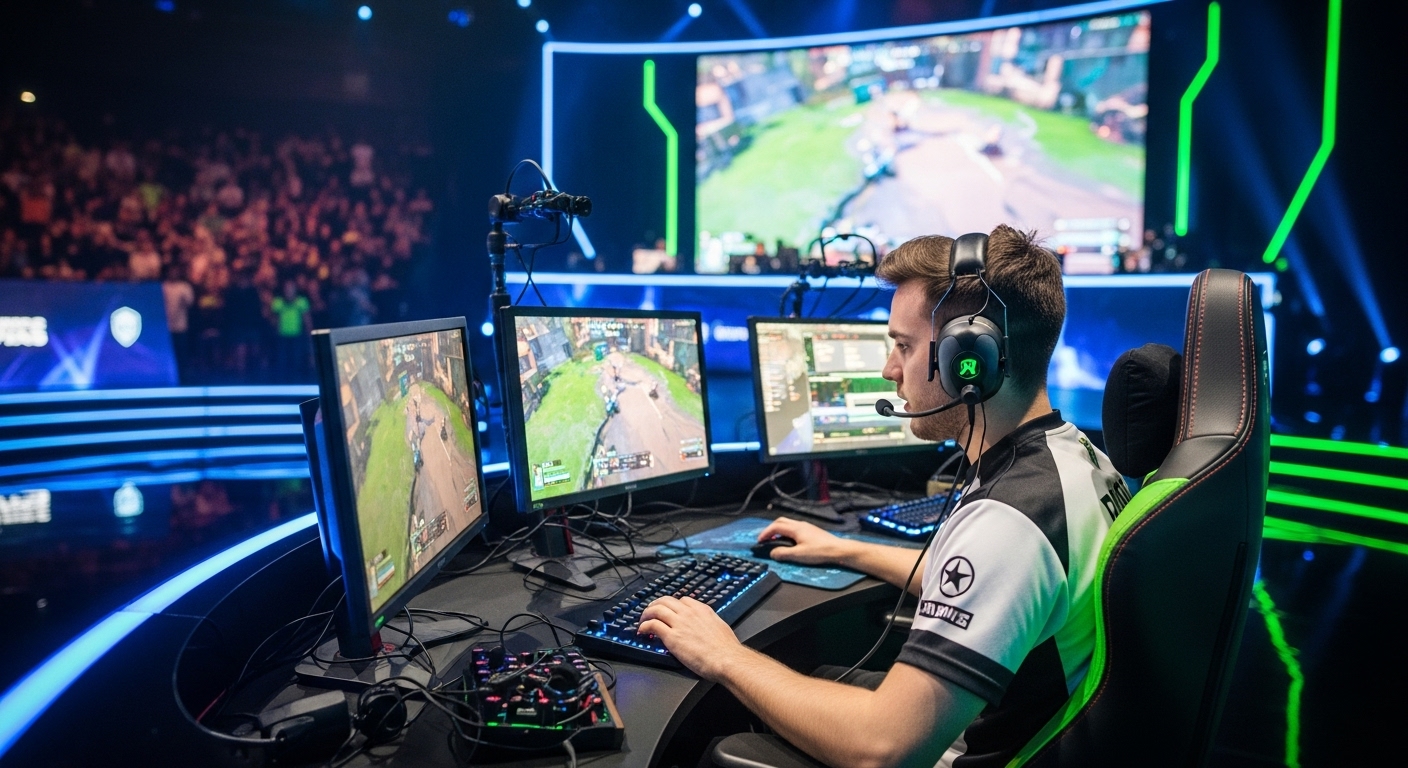
Behind every successful esports team is a roster of dedicated players who have devoted countless hours to mastering their craft. Becoming a professional gamer requires discipline, strategy, and teamwork. Many players train for eight to twelve hours a day, studying opponents, refining mechanics, and coordinating with teammates. Like athletes in physical sports, they must manage stress, maintain physical health, and sustain mental focus under pressure.
Coaches, analysts, and support staff are integral to modern esports organizations. Training involves reviewing gameplay footage, developing strategies, and optimizing team synergy. The competitive calendar is grueling, with players traveling globally for tournaments and boot camps. Despite the demanding lifestyle, the rewards can be substantial—championship glory, sponsorship deals, and a lasting legacy in gaming history.
However, the profession also comes with challenges. The rapid pace of gaming means players often have short careers, as reflexes and adaptability decline with age. Mental health issues such as burnout, anxiety, and performance pressure are common. Fortunately, the industry has begun addressing these concerns, with more emphasis on player welfare and balanced lifestyles.
Esports and Education: A Pathway to New Careers
The integration of esports into education represents a remarkable shift in how society perceives gaming. Universities and colleges worldwide now offer esports degrees, scholarships, and research programs. These initiatives focus not only on gameplay but also on the broader industry, including event management, marketing, broadcasting, and game design.
Esports education encourages critical thinking, teamwork, communication, and leadership. Students learn to analyze data, develop strategies, and understand digital ecosystems. High schools have even started forming esports clubs, allowing students to compete in national and international leagues. The inclusion of esports in education demonstrates its legitimacy as both a career path and a platform for developing transferable skills.
The Global Stage: Tournaments and Spectacle
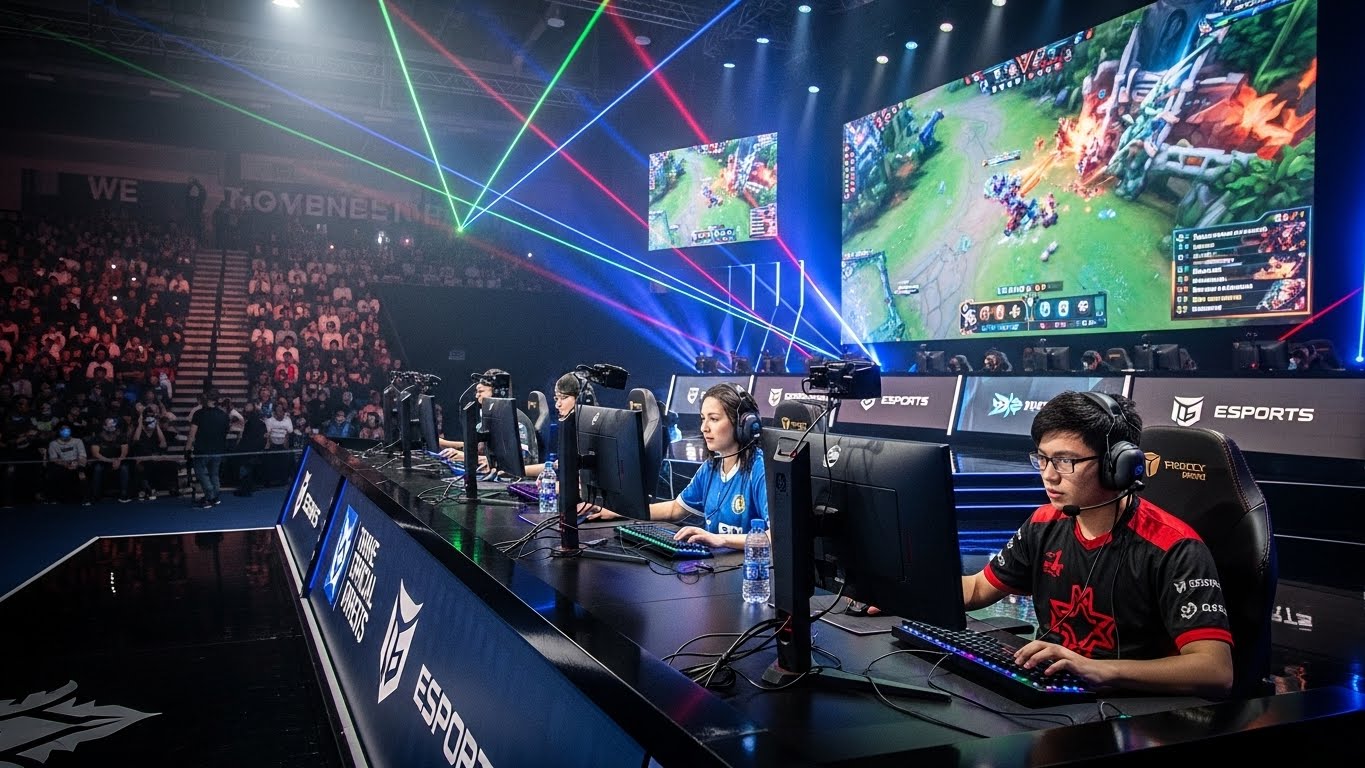
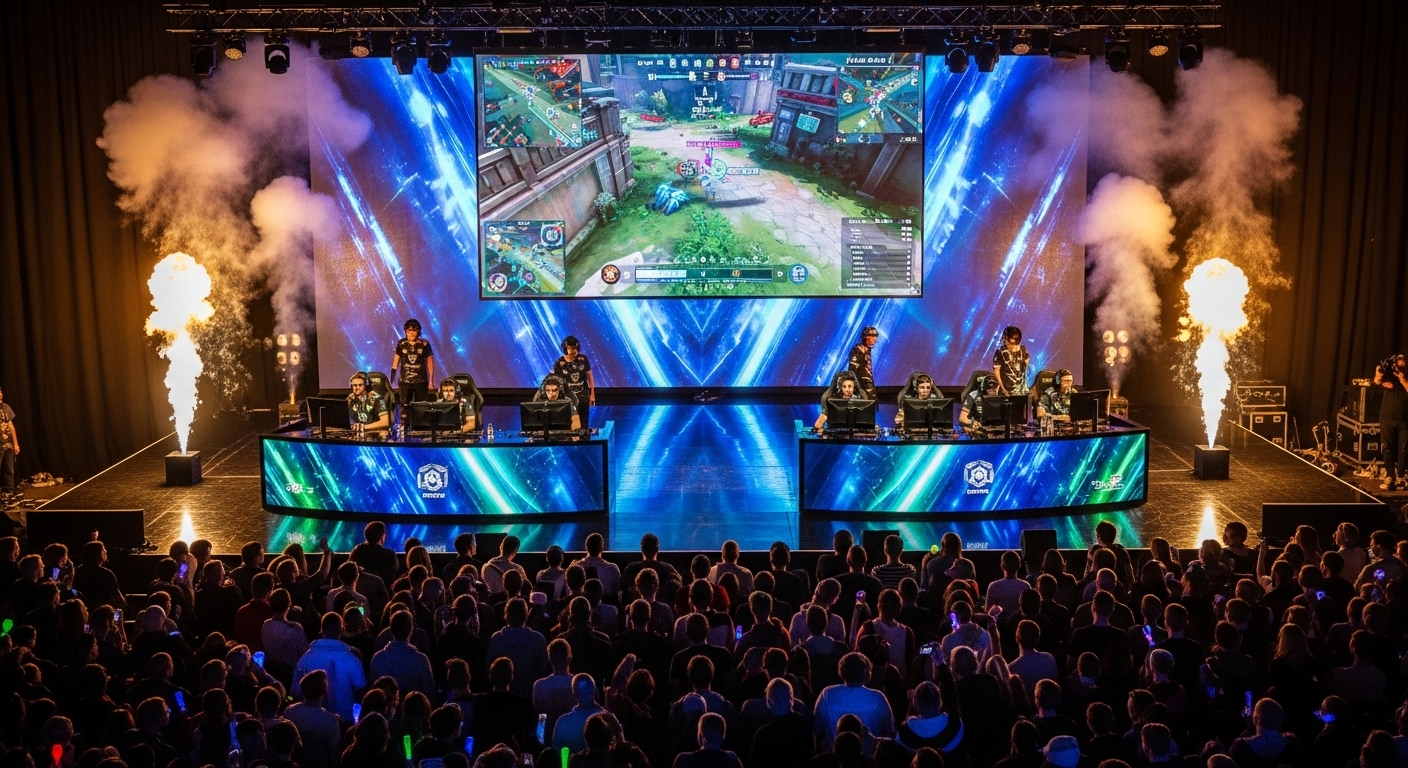
One of the defining features of esports is its grand-scale tournaments. Events like “The International,” “League of Legends World Championship,” and “Fortnite World Cup” draw millions of viewers worldwide. These tournaments are not merely competitions; they are spectacles that blend gaming, entertainment, and culture. Opening ceremonies feature musical performances, light shows, and digital art displays that rival Olympic events.
Stadiums in cities like Seoul, Los Angeles, and Shanghai regularly host sold-out esports events. Fans gather to witness history unfold, chanting the names of their favorite teams and waving banners in the crowd. The atmosphere is electric, filled with anticipation, emotion, and collective excitement. Online viewership further amplifies this experience, with chatrooms buzzing in multiple languages as fans cheer from around the globe.
Technology and Innovation Driving Esports Forward
The evolution of esports is inseparable from advancements in technology. High-speed internet, powerful gaming hardware, and advanced streaming platforms have made esports possible on a global scale. Virtual reality and augmented reality are opening new frontiers for immersive gaming experiences. Artificial intelligence is being used to analyze player performance, predict strategies, and even simulate opponents for training.
Cloud gaming and mobile esports are expanding accessibility, allowing players to compete without expensive hardware. Titles like “Mobile Legends” and “PUBG Mobile” have brought competitive gaming to millions of players in developing regions. As technology continues to evolve, the future of esports promises even greater integration of innovation and competition.
The Challenges and Future of Esports
Despite its tremendous success, esports faces challenges. Issues such as player burnout, cheating, match-fixing, and inconsistent regulation need continuous attention. The industry’s rapid growth has outpaced standardization, leading to disparities between regions and games. Establishing ethical frameworks, labor protections, and international governance remains crucial for the sustainable future of esports.
Another significant challenge lies in public perception. While esports is widely accepted among younger generations, skepticism still exists in traditional circles. However, as media coverage grows and mainstream organizations invest in esports, this perception continues to shift. Recognition by institutions like the International Olympic Committee has opened discussions about including esports in future Olympic events, signaling global acknowledgment of its legitimacy.
The future of esports is bright. With continuous innovation, expanding audiences, and professionalization, it is poised to become one of the defining cultural phenomena of the 21st century. The line between digital and traditional sports will continue to fade, creating a unified vision of competition where both physical and virtual skills coexist.
Conclusion: The New Age of Digital Champions
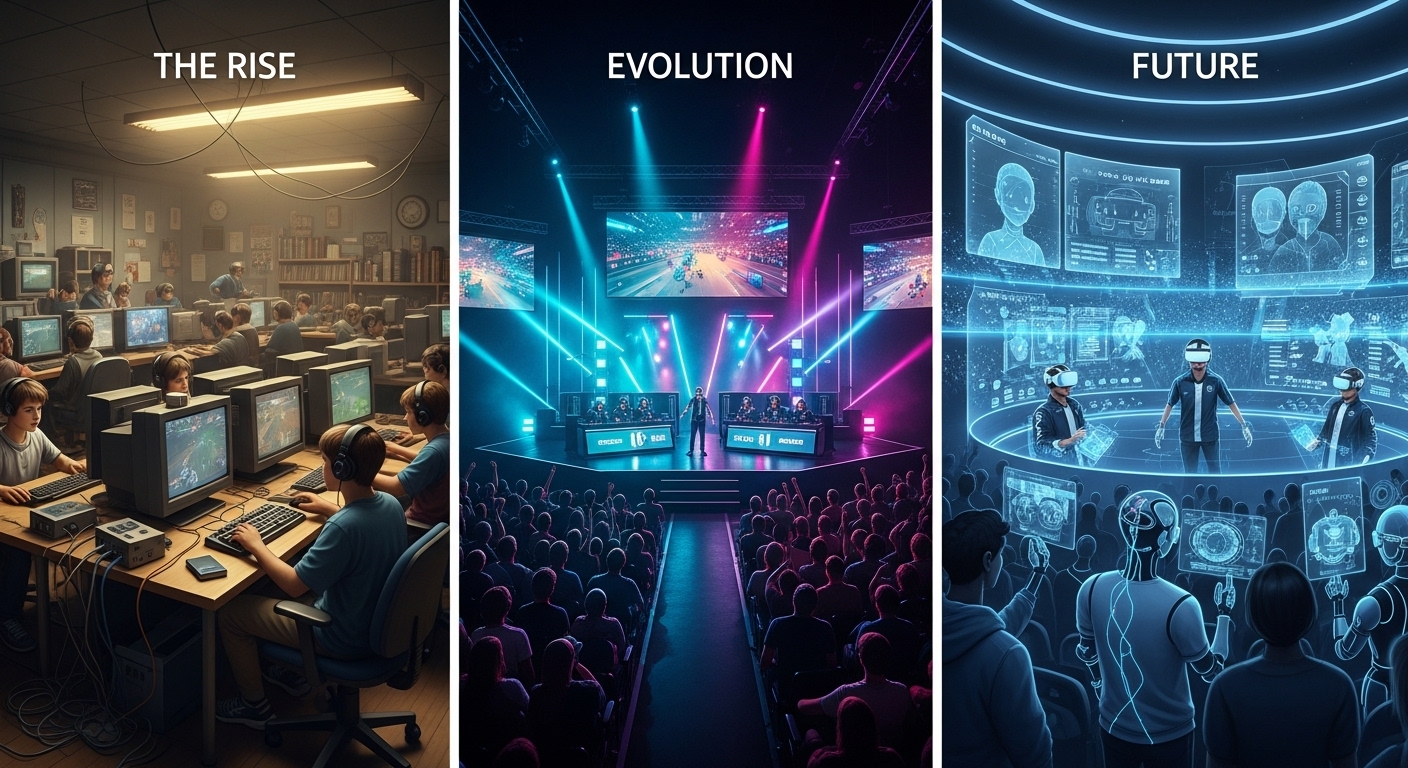
Esports has come a long way from its humble beginnings in university basements and local arcades. It has evolved into a global movement that combines technology, creativity, and human passion. The players are no longer hobbyists—they are professionals who inspire millions. The audiences are no longer passive—they are communities that shape the culture. And the games are no longer mere entertainment—they are platforms for innovation, storytelling, and connection.
As we look toward the future, one thing is clear: esports is here to stay. It represents the spirit of modern competition and the limitless potential of human imagination in the digital age. The rise of esports is not just the story of gaming—it is the story of how technology has transformed what it means to play, to compete, and to dream.