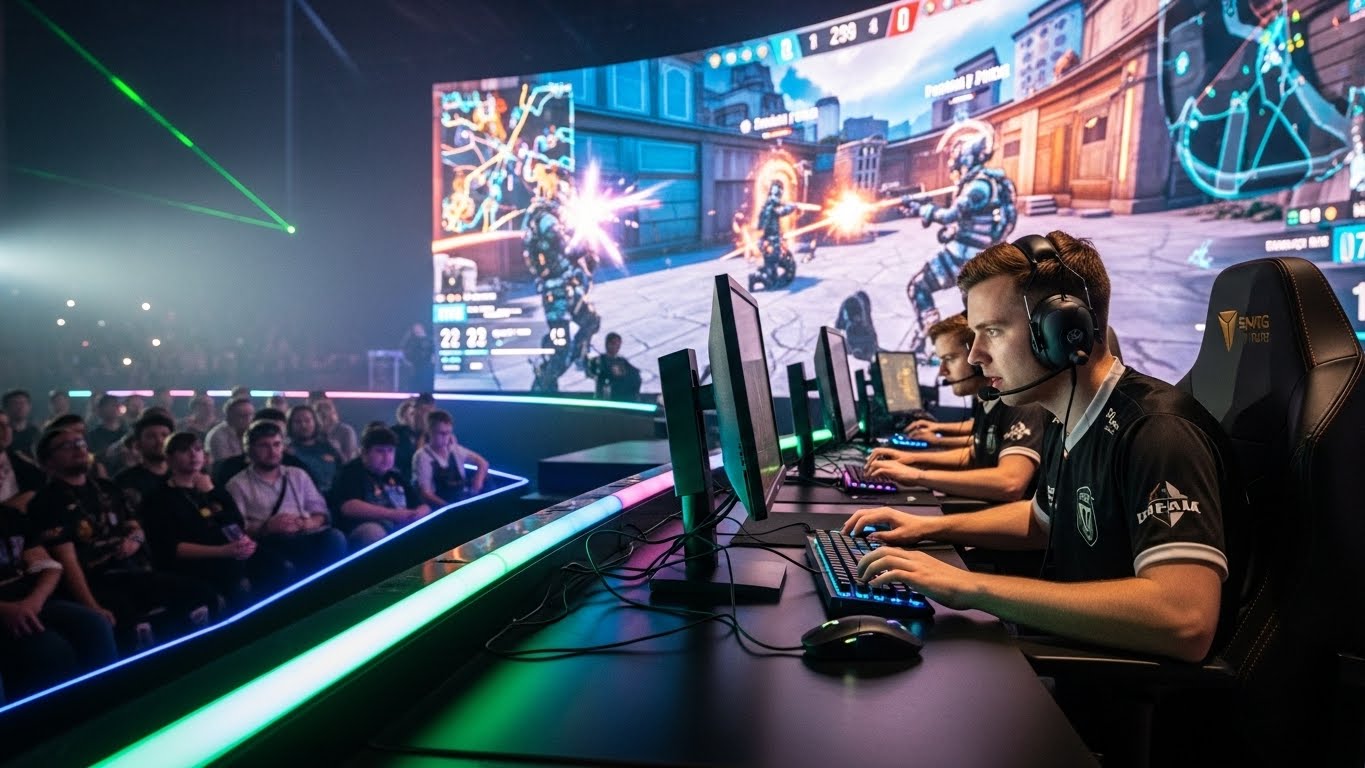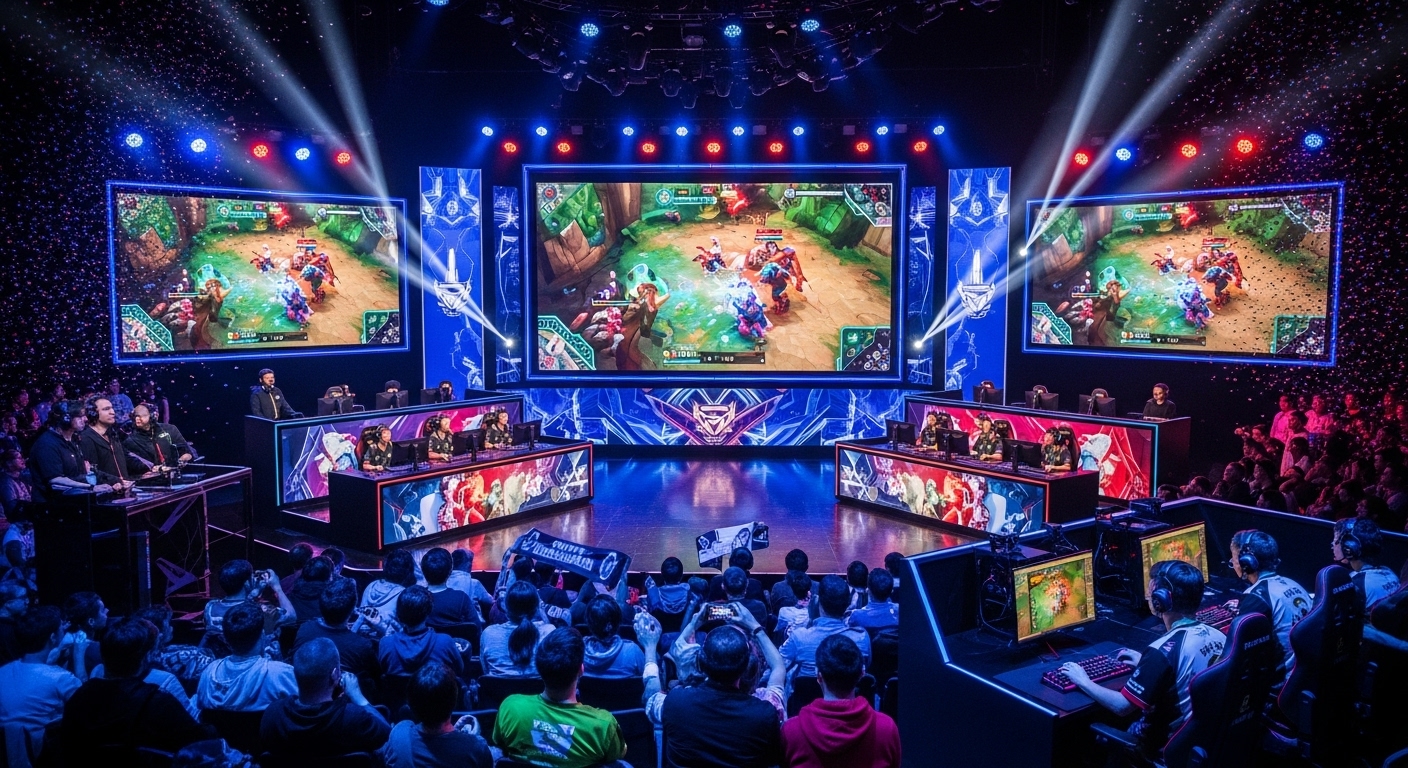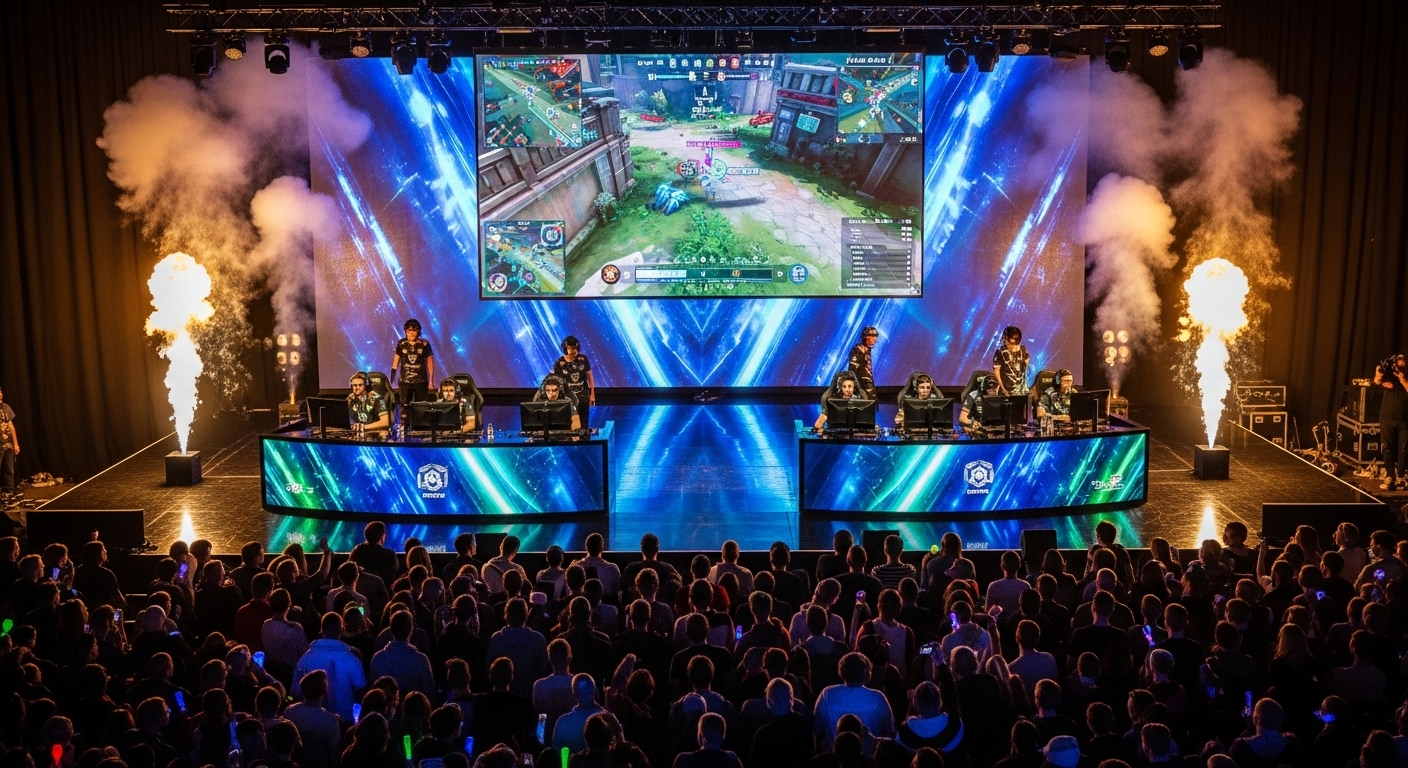

In recent years, esports has emerged as a cultural and economic force, capturing the attention of millions around the globe. What started as a niche hobby for gamers has evolved into a massive industry with millions of fans, professional leagues, sponsorships, and multi-million dollar prize pools. But what exactly is esports, and why has it gained such widespread popularity? In this blog post, we will explore the rise of esports, its growth, and its impact on traditional sports, entertainment, and global culture.
What is Esports?
Esports, short for “electronic sports,” refers to organized, multiplayer video game competitions, particularly between professional players, teams, and organizations. Esports covers a wide variety of video games, ranging from strategy games like League of Legends to first-person shooters like Counter-Strike: Global Offensive, and multiplayer online battle arena (MOBA) games like Dota 2.
In esports, players typically compete in leagues, tournaments, and events with organized teams, much like traditional sports. These competitions can take place in physical arenas or be broadcast online via streaming platforms such as Twitch, YouTube, and Facebook Gaming. Esports has become a multibillion-dollar industry, with a vast ecosystem that includes professional teams, coaches, analysts, streamers, content creators, and broadcasters.
The Growth of Esports: A Cultural Phenomenon
The rise of esports can be traced back to the early 2000s when online gaming communities began to form around games like StarCraft and Warcraft III. These communities often hosted tournaments and organized competitions for fun, but it wasn’t long before sponsors took notice of the growing popularity.
By the 2010s, esports began to attract major investment, with large gaming companies like Riot Games, Blizzard Entertainment, and Valve Corporation investing heavily in the creation of professional leagues and tournaments. The formation of leagues such as the League of Legends Championship Series (LCS) and Overwatch League played a pivotal role in legitimizing esports as a professional sport.
In addition to the games themselves, the emergence of streaming platforms like Twitch helped esports skyrocket in popularity. Twitch allowed fans to watch live esports tournaments and follow their favorite players and teams, creating an ecosystem where fans could engage with the players they admired, much like traditional sports fans do with football or basketball stars.
Esports as a Global Industry
Today, esports is a global industry worth billions of dollars. According to Newzoo, a leading gaming and esports market research firm, the global esports industry was expected to generate over $1.1 billion in revenue in 2023, and this number is only projected to grow. This revenue comes from a variety of sources, including sponsorships, advertising, media rights, merchandise sales, ticket sales, and prize pools.
One of the key factors driving the growth of esports is the involvement of major brands and companies. Corporations from various industries—ranging from tech giants like Intel and Nvidia to consumer brands like Coca-Cola and Red Bull—have jumped on the esports bandwagon, pouring money into sponsorships and partnerships. In turn, this funding has enabled esports organizations to grow in size and scale, as well as produce top-tier events that attract millions of viewers.
The role of traditional sports organizations has also been instrumental in the rise of esports. Teams like the Dallas Cowboys, New York Knicks, and FC Barcelona have invested in esports franchises, while prominent athletes like Shaquille O’Neal, Michael Jordan, and Stephen Curry have also jumped into the esports scene as investors and team owners.
Esports and Traditional Sports: A Complementary Relationship
Esports has often been compared to traditional sports, and for good reason. Both esports and traditional sports share several similarities: they require skill, strategy, teamwork, and intense dedication. Esports players train for hours each day, refining their skills in the same way that professional athletes do. The competition in esports is fierce, with players often dedicating their entire lives to mastering their chosen game and competing at the highest level.
Despite these similarities, there are also significant differences. For one, esports does not require the same physical exertion as traditional sports, which can make it more accessible to people of all ages and physical abilities. This has led to a growing fanbase among younger audiences, who may not be as interested in traditional sports.
Moreover, esports has a much lower barrier to entry in terms of equipment and venue. While a professional football or basketball game requires stadiums, team buses, and costly equipment, an esports tournament can be hosted in a smaller, more affordable venue with players competing on personal computers or consoles.
However, the lines between esports and traditional sports are increasingly blurring. For example, the NBA 2K League, a professional esports league based on the popular basketball video game NBA 2K, features teams owned by NBA franchises. Similarly, FIFA esports leagues have attracted sponsorships from major soccer clubs, further solidifying esports as an integral part of the sports world.
The Role of Streaming Platforms and Social Media
One of the most significant factors contributing to the rise of esports is the role of streaming platforms and social media. Platforms like Twitch, YouTube, and Facebook Gaming have allowed esports to reach a global audience, democratizing access to competitive gaming content.
Twitch, in particular, has become a central hub for esports broadcasting, with millions of viewers tuning in to watch live competitions, follow their favorite streamers, and engage in real-time chat with other fans. These platforms have also helped foster a sense of community around esports, with fans able to interact with players and content creators in ways that were not possible with traditional sports broadcasting.
The rise of social media has also played a pivotal role in the growth of esports. Twitter, Instagram, and TikTok allow players, teams, and organizations to engage directly with their fanbase, build their personal brands, and promote upcoming events. In turn, this has created a more interactive and participatory fan culture, where audiences feel more connected to the esports world.
Esports: A Viable Career Path
Esports has also created new career opportunities for individuals outside of the traditional player role. While professional players are the most visible part of the esports ecosystem, many other professionals work behind the scenes to make events happen. These include coaches, analysts, broadcasters, event organizers, marketers, graphic designers, and content creators.
For young people passionate about gaming, esports offers an alternative career path that didn’t exist a decade ago. A skilled player can become a professional gamer and earn a living by competing in tournaments, streaming on platforms like Twitch, or creating content on YouTube. Additionally, many universities and colleges now offer esports scholarships, allowing students to pursue a higher education while competing at a high level in games like League of Legends, Rocket League, and Fortnite.
The industry has also seen the rise of esports organizations that provide support for players, coaches, and other staff members, offering salaries, training facilities, and sponsorship deals. This has turned esports into a legitimate career for those with the talent and drive to succeed, further reinforcing its position as a mainstream industry.
Challenges and Controversies in Esports
While the rise of esports has been largely positive, it has not been without its challenges. One of the primary concerns surrounding esports is the issue of player health, particularly the long hours spent in front of screens. Esports players often face physical and mental health challenges, such as eye strain, repetitive stress injuries, and burnout. There is also a growing concern about the impact of esports on mental health, as the pressure to perform at a high level can lead to stress and anxiety.
Another issue facing the esports industry is its lack of diversity. While the gaming community has become more inclusive over time, there are still significant barriers to entry for women and underrepresented groups. Although some progress has been made in recent years, the majority of professional players, team owners, and executives remain male. There are ongoing efforts to address this imbalance and make esports a more welcoming space for everyone.
Finally, the issue of cheating and match-fixing has raised concerns within the industry. As with traditional sports, there are individuals who attempt to manipulate the outcome of esports competitions for personal gain. While esports organizations have implemented anti-cheating measures, this remains an ongoing challenge.
The Future of Esports: A New Era of Entertainment
Looking ahead, the future of esports seems incredibly bright. As the industry continues to grow, new technologies like virtual reality (VR) and augmented reality (AR) are likely to play a major role in shaping the next generation of esports experiences. VR esports, in particular, has the potential to create immersive experiences that bring players and spectators closer together, offering a level of engagement that traditional sports cannot match.
Esports is also expected to expand its presence in mainstream media. Television networks and streaming platforms are increasingly broadcasting esports tournaments, and partnerships between esports organizations and traditional sports leagues are becoming more common. Esports will continue to influence global culture, bridging the gap between gaming and traditional forms of entertainment.
Conclusion
Esports is no longer just a hobby for passionate gamers; it is a global industry that is reshaping the way we think about sports, entertainment, and competition. With its rapid growth, increasing investment, and expanding fanbase, esports is here to stay. As the industry continues to evolve, it will be fascinating to see how esports will intersect with traditional sports and the entertainment world in the years to come.
Whether you’re a casual gamer or a die-hard fan, esports offers a new and exciting way to engage with competitive gaming and experience the thrill of live, high-stakes tournaments. The future of esports is bright, and its influence is only going to grow as it continues to change the way we view sports and entertainment in the digital age.