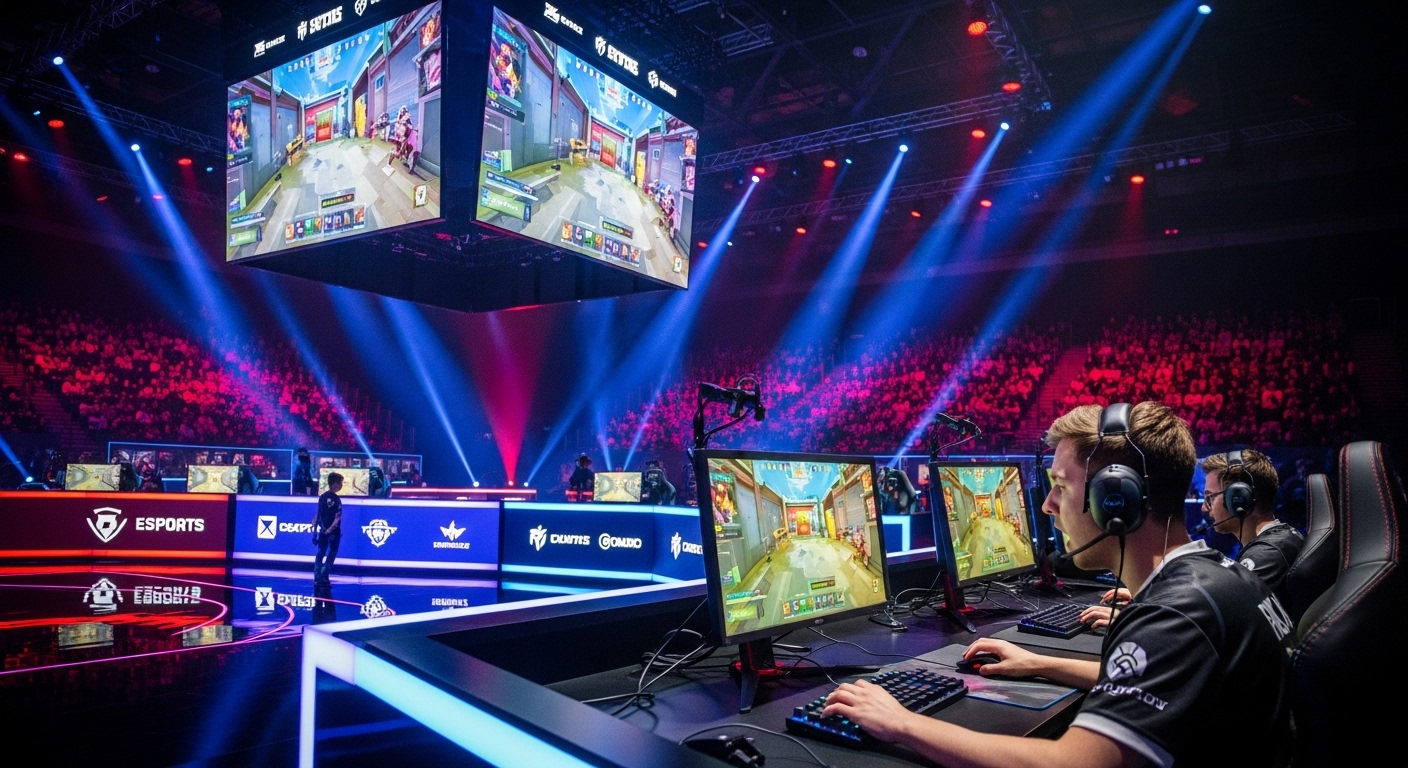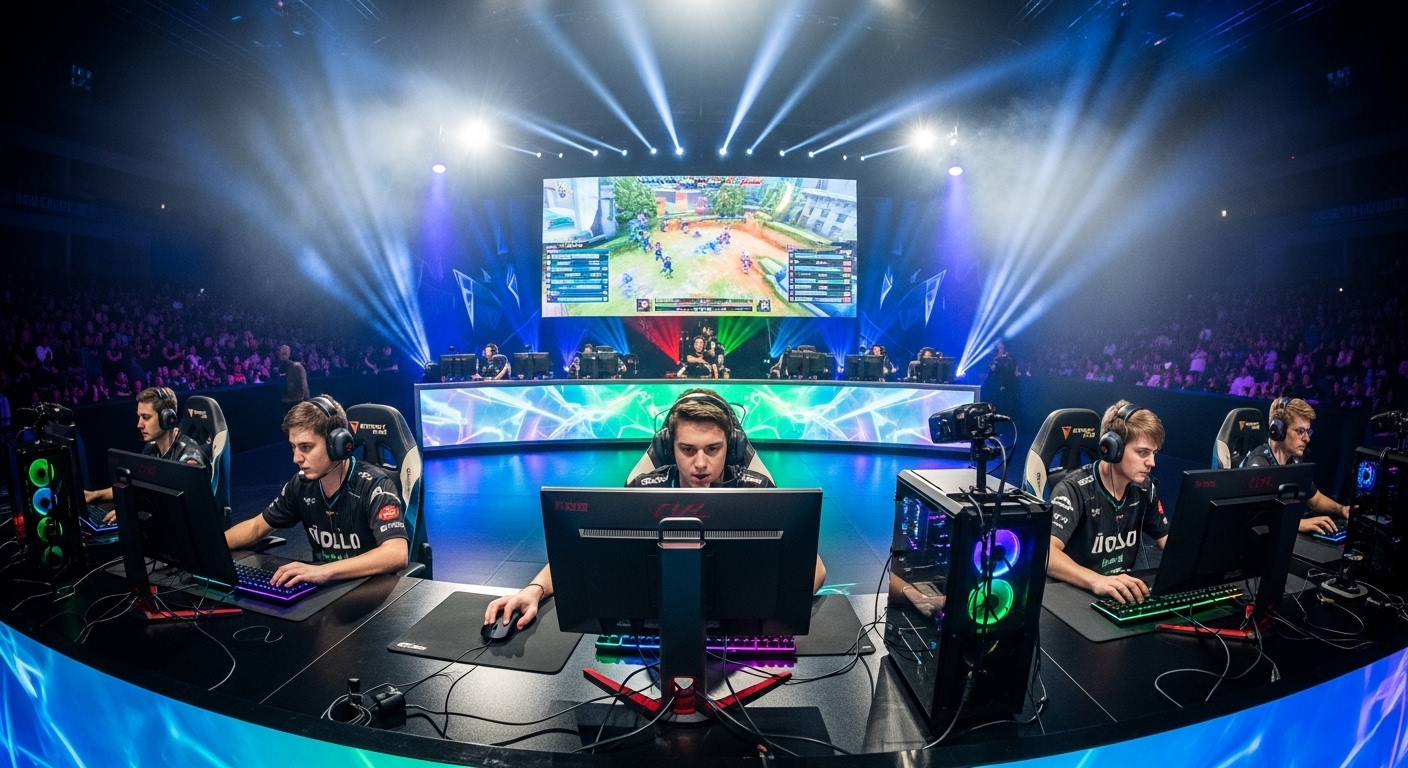
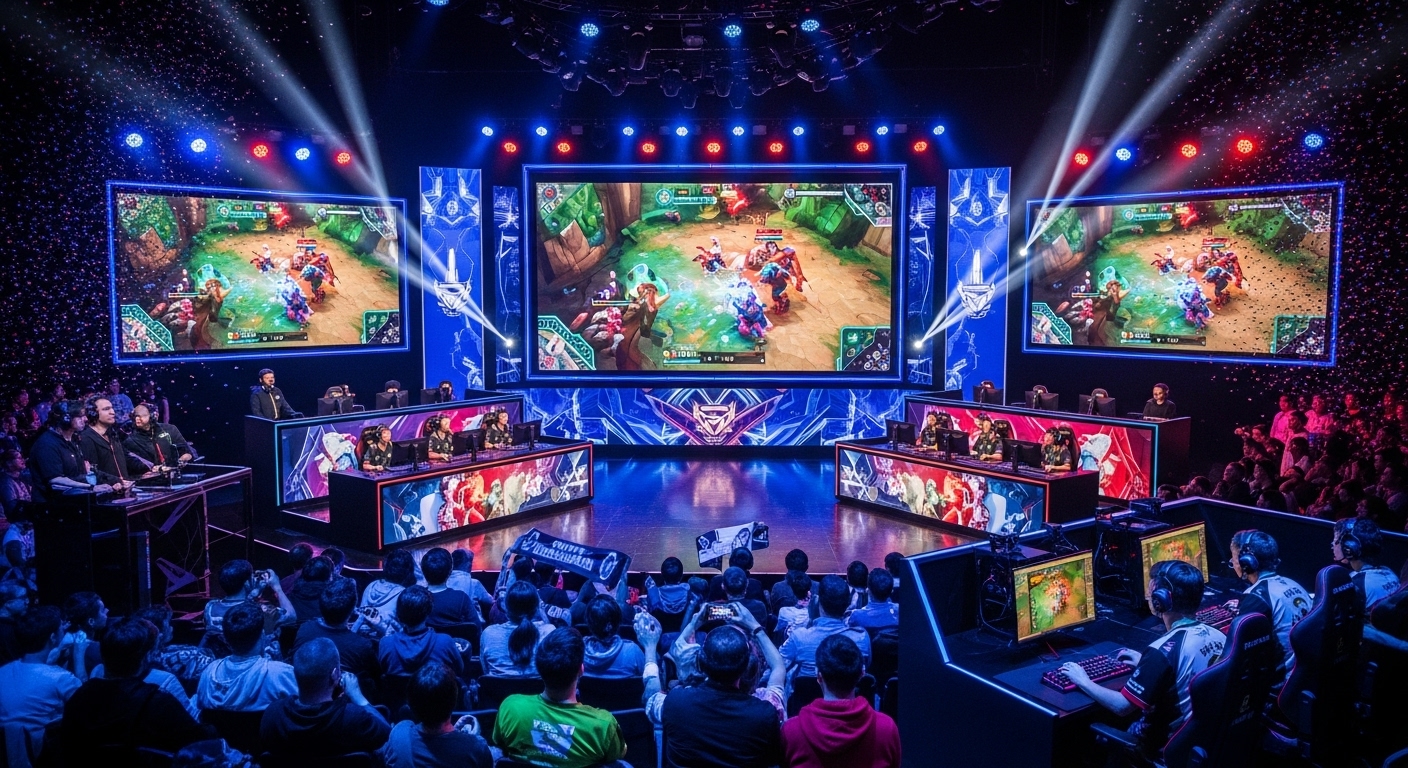
In the past decade, the world of gaming has evolved beyond imagination. What was once considered a casual pastime has transformed into a billion-dollar global industry known as esports. Esports, short for electronic sports, refers to organized competitive gaming where professional players and teams compete in video games for fame, fortune, and glory. From packed stadiums filled with cheering fans to millions of viewers watching live streams from around the world, esports has become a cultural and technological phenomenon. This new form of entertainment is not just reshaping gaming culture but is redefining the concept of sports, teamwork, and digital competition in the modern era.
The Evolution of Esports: From Arcades to Global Arenas
The roots of esports can be traced back to the early days of video gaming in the 1970s and 1980s when players competed for high scores on arcade machines. Games like Space Invaders and Pac-Man were among the first to introduce the idea of competitive gaming. As technology advanced, multiplayer games became more accessible, allowing players to challenge each other in real time.
The real transformation began in the 1990s with the rise of the internet and local area network (LAN) gaming. Games like StarCraft, Quake, and Counter-Strike became early pioneers of competitive gaming culture. Players could now connect globally, forming communities and tournaments that transcended geographical boundaries. By the 2000s, organized esports tournaments began attracting sponsorships and media coverage, laying the groundwork for the industry we know today.
Now, esports has become a global spectacle with tournaments offering multi-million-dollar prize pools. Games like Dota 2, League of Legends, and Counter-Strike: Global Offensive have turned players into global celebrities. Major esports events fill stadiums, while millions more watch online. What was once a niche hobby has become a legitimate and respected form of competition on a global stage.
The Professionalization of Gaming
Esports is no longer just about playing video games for fun. It has evolved into a structured and professional industry that mirrors traditional sports in many ways. Professional gamers undergo rigorous training regimens, spending hours each day honing their skills, studying opponents, and practicing strategies. They are often supported by coaches, analysts, nutritionists, and psychologists who help optimize their performance.
Teams operate much like professional sports organizations, with sponsors, managers, and dedicated training facilities. Contracts, salaries, and endorsement deals are now common for top players. Some of the best esports athletes earn millions annually through tournament winnings, sponsorships, and streaming revenue. This level of professionalism has brought legitimacy to esports as a career and has inspired young gamers around the world to pursue competitive gaming as a viable path.
Popular Games Dominating the Esports Scene
Esports encompasses a wide range of video games across different genres, each with its own competitive ecosystem. Some of the most popular esports titles include:
League of Legends: A multiplayer online battle arena game that has become one of the most-watched esports in the world. Its global tournaments, particularly the World Championship, attract massive audiences and significant sponsorship deals.
Counter-Strike: Global Offensive (CS:GO): A first-person shooter that remains one of the longest-running and most competitive esports titles. Teams from around the world compete in tournaments like ESL Pro League and the Majors.
Dota 2: Known for having one of the largest prize pools in esports history through its annual tournament, The International. Its complex gameplay and team dynamics make it a favorite among hardcore fans.
Fortnite: A battle royale game that brought mainstream attention to esports through its accessible gameplay and massive global tournaments.
Valorant: A relatively new entry that combines elements of tactical shooters and hero-based games, quickly becoming a favorite among competitive gamers.
Call of Duty, Overwatch, and Rocket League are also major contributors to the growth of esports, each offering unique experiences and competitive ecosystems that cater to different audiences.
The Role of Streaming and Digital Platforms
One of the biggest factors behind the rise of esports is the growth of live streaming platforms. Unlike traditional sports that rely heavily on television broadcasting, esports thrives in the digital world. Platforms dedicated to gaming content have allowed fans to watch their favorite players and teams in real time from anywhere in the world.
Streaming has also created opportunities for individual players to build personal brands. Professional gamers and content creators can engage directly with their audiences, fostering communities around their personalities and gameplay. This has made esports more interactive and accessible, bridging the gap between players and fans.
The social aspect of streaming has also made esports a cultural movement. Fans can chat, comment, and participate in discussions during live matches, creating a sense of community and excitement. The ability to connect with players directly has also blurred the line between professional athletes and their supporters, making esports one of the most engaging forms of modern entertainment.
The Global Reach of Esports
Esports has become a truly global phenomenon, with tournaments and teams spanning across every continent. Countries like South Korea, China, and the United States are considered powerhouses in the industry, while regions like Europe and Southeast Asia have rapidly grown their esports infrastructure.
South Korea, in particular, has been a pioneer in competitive gaming. The country’s passion for games like StarCraft helped shape the foundation of modern esports. Professional gamers in Korea are treated with the same respect as traditional athletes, and esports tournaments are broadcast on national television.
In recent years, the global expansion of esports has been fueled by increased investment from major companies, sports organizations, and even governments. Traditional sports teams and celebrities have begun investing in esports teams, recognizing the industry’s enormous potential. The inclusion of esports in multi-sport events like the Asian Games further highlights its growing recognition as a legitimate competitive discipline.
The Economics of Esports
The economic impact of esports is staggering. The industry is projected to generate billions of dollars annually through sponsorships, advertising, media rights, merchandise, and ticket sales. Brands across industries, from technology to fashion, are investing in esports to reach younger, digitally savvy audiences.
Esports tournaments attract millions of viewers, providing brands with unparalleled exposure. Sponsorship deals with gaming hardware companies, energy drinks, and apparel brands are now common. The rise of digital advertising and branded content has also created new revenue streams for both players and organizations.
Moreover, esports has given rise to new career opportunities beyond professional gaming. There is now a growing demand for coaches, event organizers, commentators, analysts, and production specialists. Educational institutions are even offering scholarships and degrees related to esports management and game design, further cementing its place as a legitimate and sustainable industry.
Challenges Facing the Esports Industry
Despite its rapid growth, the esports industry faces several challenges. One of the most significant is maintaining competitive integrity. Issues such as cheating, match-fixing, and doping have occasionally surfaced, threatening the credibility of tournaments. Organizers are constantly working to implement stricter rules and technologies to ensure fair play.
Player burnout is another concern. Professional gamers often face intense pressure and long hours of practice, leading to physical and mental fatigue. As a result, many players retire at a relatively young age compared to traditional athletes. Teams and organizations are now prioritizing player well-being by introducing better training programs, rest schedules, and psychological support.
Additionally, the esports industry must navigate issues related to diversity and inclusivity. Efforts are being made to create a more welcoming environment for players of all backgrounds, including women and underrepresented groups.
The Future of Esports
The future of esports looks incredibly promising. As technology continues to evolve, so too will the esports experience. Virtual reality (VR) and augmented reality (AR) are expected to play a significant role in creating immersive gaming environments, while advancements in artificial intelligence could enhance player training and analysis.
The integration of 5G networks will also improve connectivity, reducing latency and enabling smoother online gameplay. This will be crucial as esports continues to expand into mobile gaming, which has already seen explosive growth in regions like Asia and South America.
Furthermore, the growing interest from traditional sports organizations, educational institutions, and governments suggests that esports will continue to gain legitimacy and recognition. The possibility of esports being included in major international sporting events could mark a new milestone in its journey toward mainstream acceptance.
Conclusion: The Digital Arena of the Future
Esports is more than just a gaming trend; it represents a new era of entertainment, culture, and technology. It has bridged the gap between digital and physical competition, creating a global community united by passion, skill, and innovation. As technology continues to advance, the boundaries of esports will only expand further, offering new opportunities for players, fans, and industries alike.
What started as small gatherings of gamers has grown into a global phenomenon that rivals traditional sports in viewership and revenue. Esports has not only transformed the perception of gaming but has also redefined what it means to be an athlete in the digital age. The rise of esports is a testament to how technology can unite people across cultures and continents, creating a future where the digital arena is as significant as any stadium in the world.