Introduction: The Emergence of Esports as a Global Force
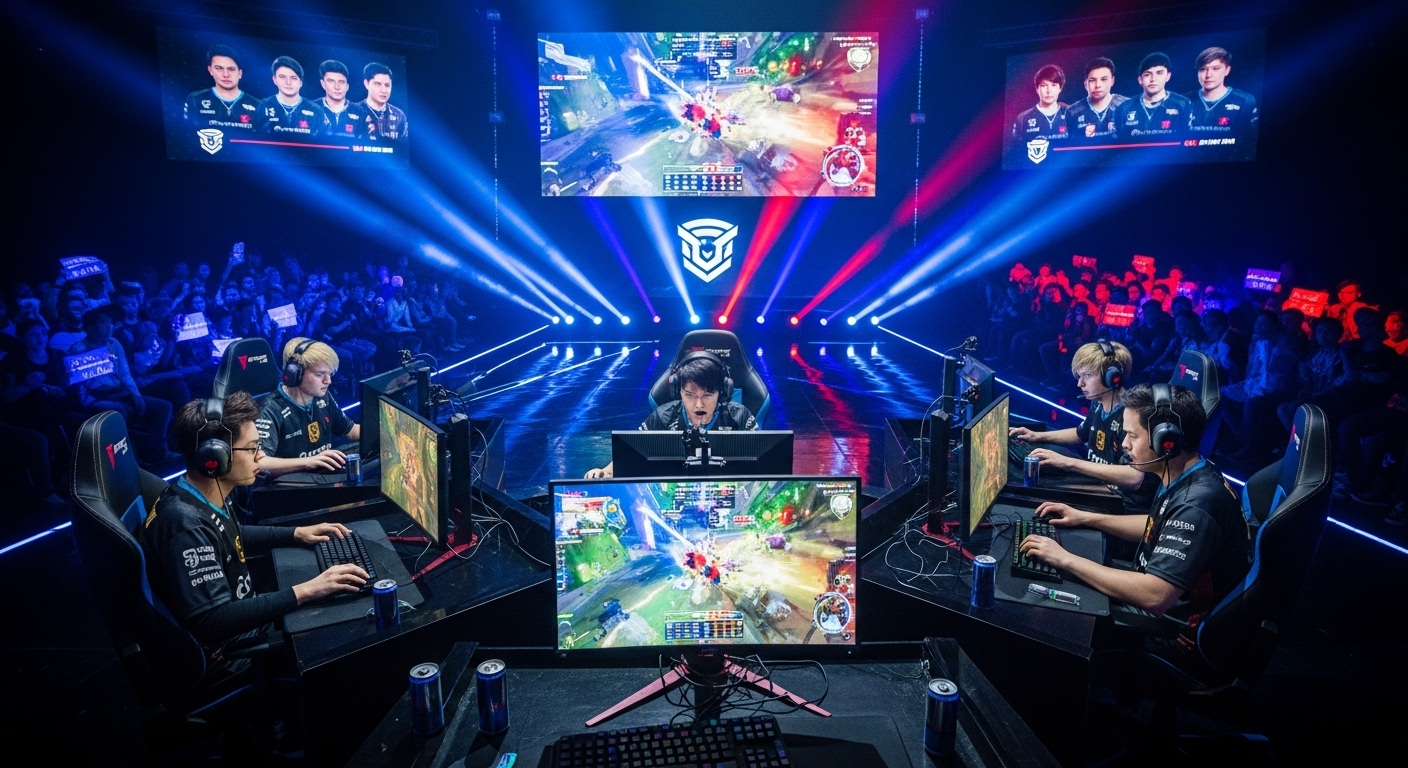
Over the past few decades, competitive gaming—now known as esports—has grown into a global entertainment juggernaut. Once seen as a niche pastime for a small community of dedicated gamers, esports has exploded into a mainstream phenomenon that attracts millions of fans, sponsors, and professional players. From stadiums filled with cheering fans to live-streamed events watched by millions worldwide, esports has firmly established itself as one of the most exciting and fast-growing sectors in the entertainment industry.
Esports has not only changed the way we view competitive gaming but has also redefined the intersection of technology, entertainment, and culture. In this blog, we will explore the history, growth, and future of esports, as well as its far-reaching impact on gaming culture, society, and the economy.
The Birth of Esports: From Local Tournaments to Global Competitions
The origins of esports can be traced back to the early days of video gaming, long before the rise of the internet. In the late 1970s and early 1980s, arcade games like Space Invaders and Pong became the first platforms for competitive gaming. Although these early competitions were informal, they set the stage for what would later become a multi-billion-dollar industry.
As gaming technology evolved, so too did the potential for competition. By the 1990s, the advent of personal computers and local area networks (LANs) allowed players to compete in multiplayer settings. Games like Doom, Quake, and Warcraft II gave rise to organized tournaments, attracting both professional players and casual enthusiasts alike. The first major esports tournaments—such as the Cyberathlete Professional League (CPL) and the World Cyber Games—were born during this period, though the audience remained relatively small compared to the massive following seen today.
The late 2000s marked the turning point for esports, with the release of multiplayer online battle arena (MOBA) games like League of Legends and Dota 2. These games offered a new level of strategic depth and complexity, providing a perfect foundation for esports to take off in a big way.
The Evolution of Esports: Structure, Growth, and Globalization
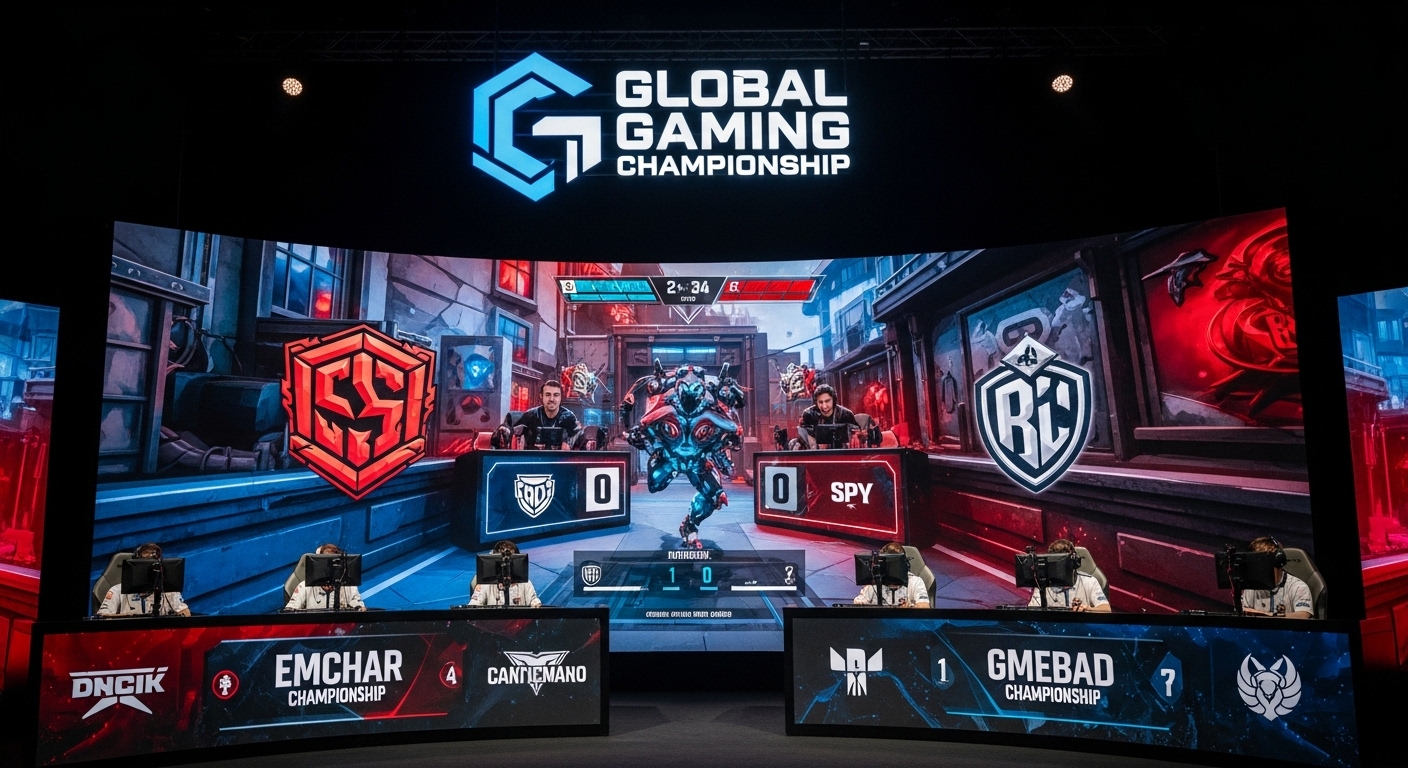
As the popularity of esports grew, so did the level of organization and professionalism within the industry. Tournaments and competitions became more structured, with larger prize pools, sponsorships, and even team-based organizations emerging on the scene. Major esports events, such as the League of Legends World Championship and The International (the premier Dota 2 tournament), began attracting millions of viewers worldwide. These tournaments were broadcast live on streaming platforms like Twitch, YouTube, and Facebook Gaming, reaching a global audience that had never before experienced competitive gaming on such a grand scale.
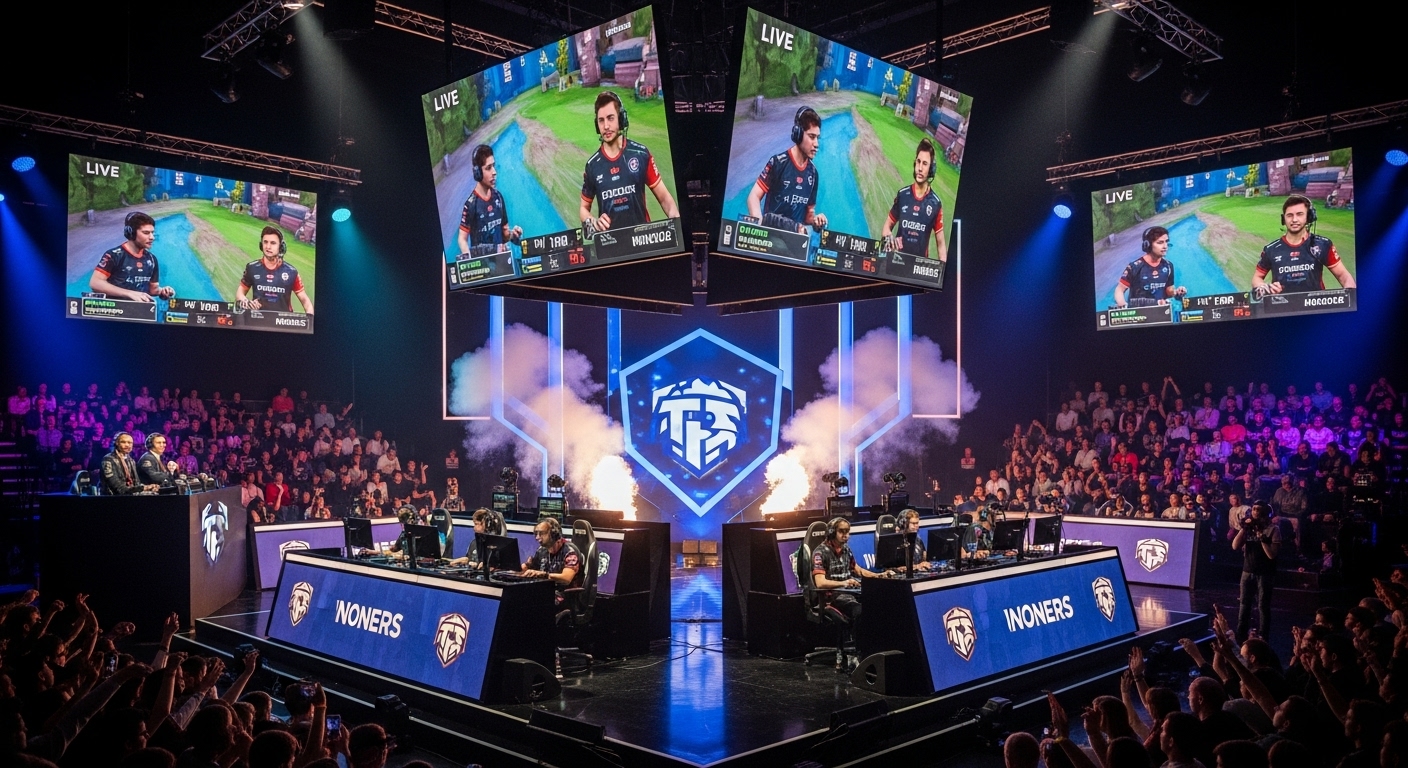
Esports tournaments today are comparable to traditional sporting events in terms of their production value, viewership, and level of competition. The growth of professional leagues like the Overwatch League and the Call of Duty League has made esports more mainstream, with city-based franchises, contracts, and sponsorship deals similar to those seen in traditional sports. These leagues have made esports a more legitimate career path for players, as they now have the opportunity to earn substantial salaries and become household names.
In fact, the financial growth of esports is nothing short of remarkable. Prize pools for major tournaments have reached staggering amounts. For example, The International 10, the premier Dota 2 tournament, had a prize pool of over $40 million, making it one of the largest in esports history. This influx of prize money has drawn the attention of major brands, further legitimizing esports as a professional, commercial enterprise.
Esports as a Career: A New Generation of Professional Gamers
In the past, playing video games was often seen as a hobby or even a waste of time, but today, it has become a legitimate career for a select group of players. Professional esports players can earn substantial salaries through tournament winnings, sponsorships, streaming, and other avenues. Esports athletes now receive the same level of respect and recognition as their counterparts in traditional sports.
The financial rewards for esports players are impressive. A top-tier League of Legends player can make hundreds of thousands of dollars per year through tournament prize money and sponsorship deals. The rise of streaming platforms like Twitch and YouTube Gaming has also given players the ability to generate additional income through live-streamed gameplay, fan donations, and subscriptions. The combined income from competitive gaming and content creation has turned esports into a viable career path for young players around the world.
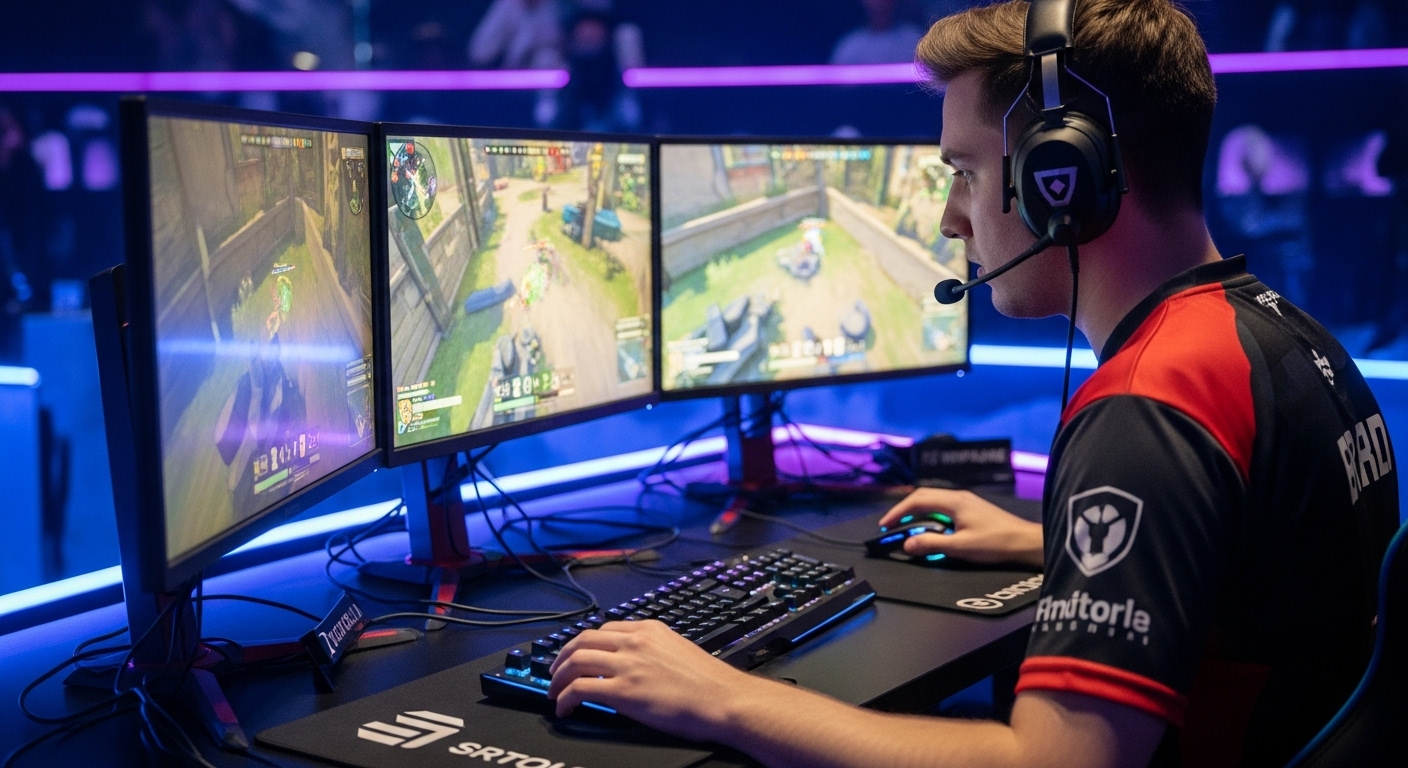
Becoming a professional esports player requires skill, dedication, and an understanding of the game at a level far beyond that of a casual gamer. Many players start their careers at a young age, dedicating hours each day to practice and improve their skills. Like athletes in traditional sports, esports players work with coaches, analysts, and fitness trainers to optimize their performance, often traveling the world to compete in global tournaments.
Esports and Its Cultural Impact: A Global Community
One of the most profound aspects of esports is its ability to bring people together from different cultures, backgrounds, and regions. The global appeal of esports is evident in the diverse communities that have sprung up around games like League of Legends, Fortnite, and Counter-Strike: Global Offensive. These communities transcend geographic boundaries, as players from different countries can compete and interact with one another in real time.
Esports has also become a cultural touchstone, influencing everything from fashion and music to social media and popular culture. The rise of streaming platforms like Twitch has turned esports players and content creators into celebrities in their own right. Fans follow their favorite players, watch their streams, and engage with them on social media, creating a sense of connection that was once exclusive to traditional sports.
Furthermore, esports has been credited with making gaming more inclusive. The rise of esports has helped break down barriers and stereotypes about gamers. Today, esports attracts people of all ages, genders, and backgrounds. Female players, in particular, have made significant strides in the industry, with women like Sasha “Scarlett” Hostyn, one of the most successful StarCraft II players, proving that gender is no barrier to success in esports.
Esports also offers a unique opportunity for social interaction and community building. Players can form teams, join clans, or simply chat with other fans in online forums and social media groups. These communities foster a sense of belonging and camaraderie, with fans bonding over their shared passion for gaming and competition.
The Economics of Esports: Sponsorships, Merchandising, and Media Rights
Esports is now one of the most profitable sectors within the global entertainment industry. Sponsorships, media rights deals, advertising, ticket sales, and merchandising all contribute to the financial success of the esports ecosystem. Major brands from outside the gaming world—such as Coca-Cola, Intel, and Nike—have begun investing heavily in esports, seeing it as a way to reach younger, tech-savvy audiences.
Sponsorship deals are a major revenue stream for esports teams and organizations. Companies pay for exposure in the form of team jerseys, branding on tournament broadcasts, and digital ads. In return, they gain access to a highly engaged audience that is passionate about the games and teams they support.
Merchandising is another key source of income for esports organizations. Fans purchase team jerseys, posters, and other branded items, helping to fund the teams and their operations. For esports organizations, merchandising is an essential part of their business model, contributing to both revenue and fan engagement.
Media rights deals have also become a lucrative aspect of the esports industry. Streaming platforms like Twitch, YouTube, and Facebook Gaming pay for the rights to broadcast major tournaments, while traditional sports networks are also beginning to air esports events. This growing demand for esports content has further solidified its place in mainstream entertainment, with millions of viewers tuning in to watch their favorite players and teams compete.
The Future of Esports: What’s Next?
As esports continues to evolve, the future looks incredibly promising. Several trends and developments are shaping the future of competitive gaming, and they suggest that esports is poised to become even more influential in the years to come.
1. Integration with Traditional Sports
Many traditional sports organizations are beginning to invest in esports. The NBA has its NBA 2K League, while football clubs like Manchester City and Paris Saint-Germain have their own esports teams. This integration between traditional sports and esports could open new avenues for growth, as fans of traditional sports may begin to embrace esports as an extension of their favorite teams and leagues.
2. The Growth of Mobile Esports
Mobile gaming is on the rise, and so is mobile esports. Games like PUBG Mobile and Clash Royale have already established competitive scenes, and the ease of accessibility offered by mobile gaming means that esports will continue to reach new audiences, especially in developing regions.
3. Continued Technological Advancements
The future of esports will be shaped by advances in gaming technology. Virtual reality (VR) and augmented reality (AR) could revolutionize the way games are played and watched. VR, in particular, has the potential to create immersive, next-level gaming experiences that could reshape competitive gaming and how fans interact with the content.
4. Collegiate Esports and Education
Many universities and colleges around the world are recognizing esports as a legitimate career option for students. Collegiate esports leagues are growing in popularity, and some schools are even offering scholarships for players.