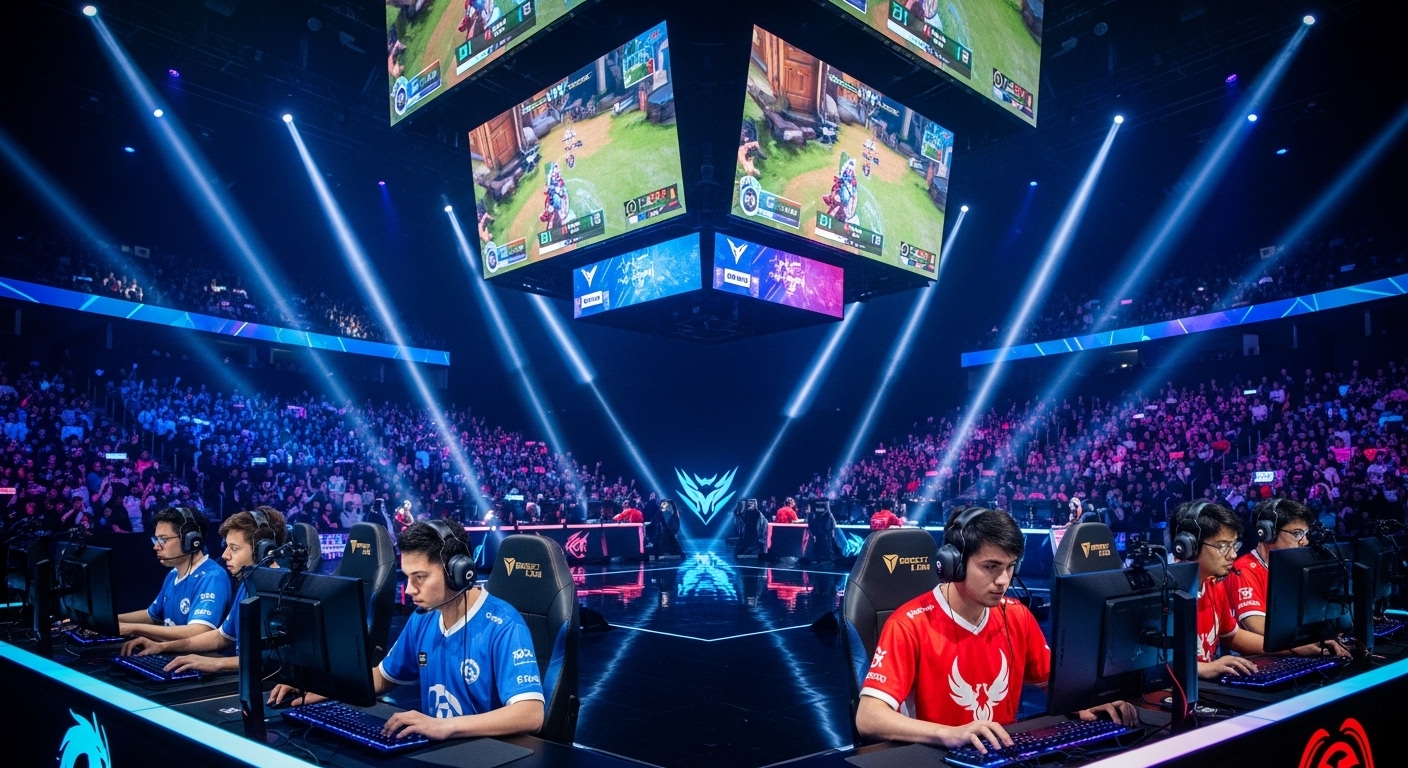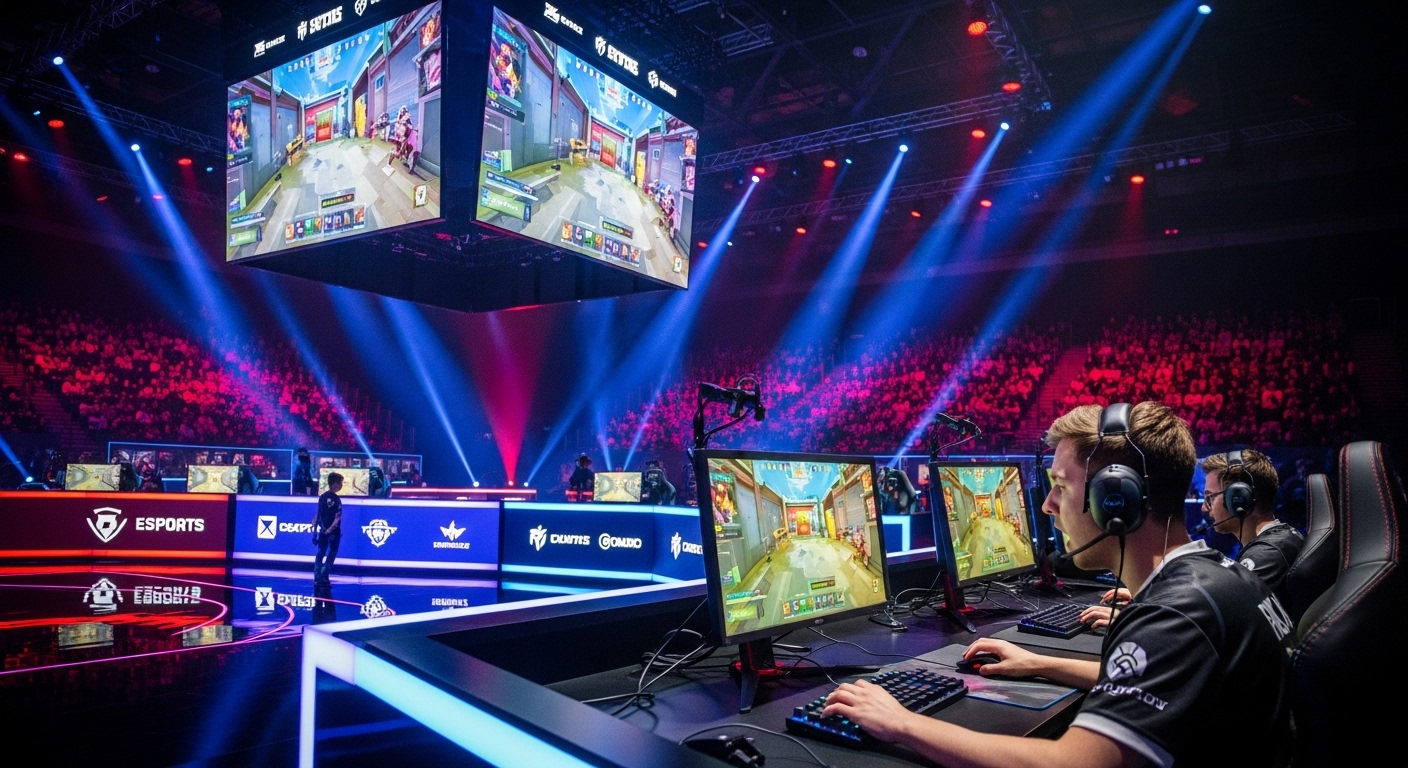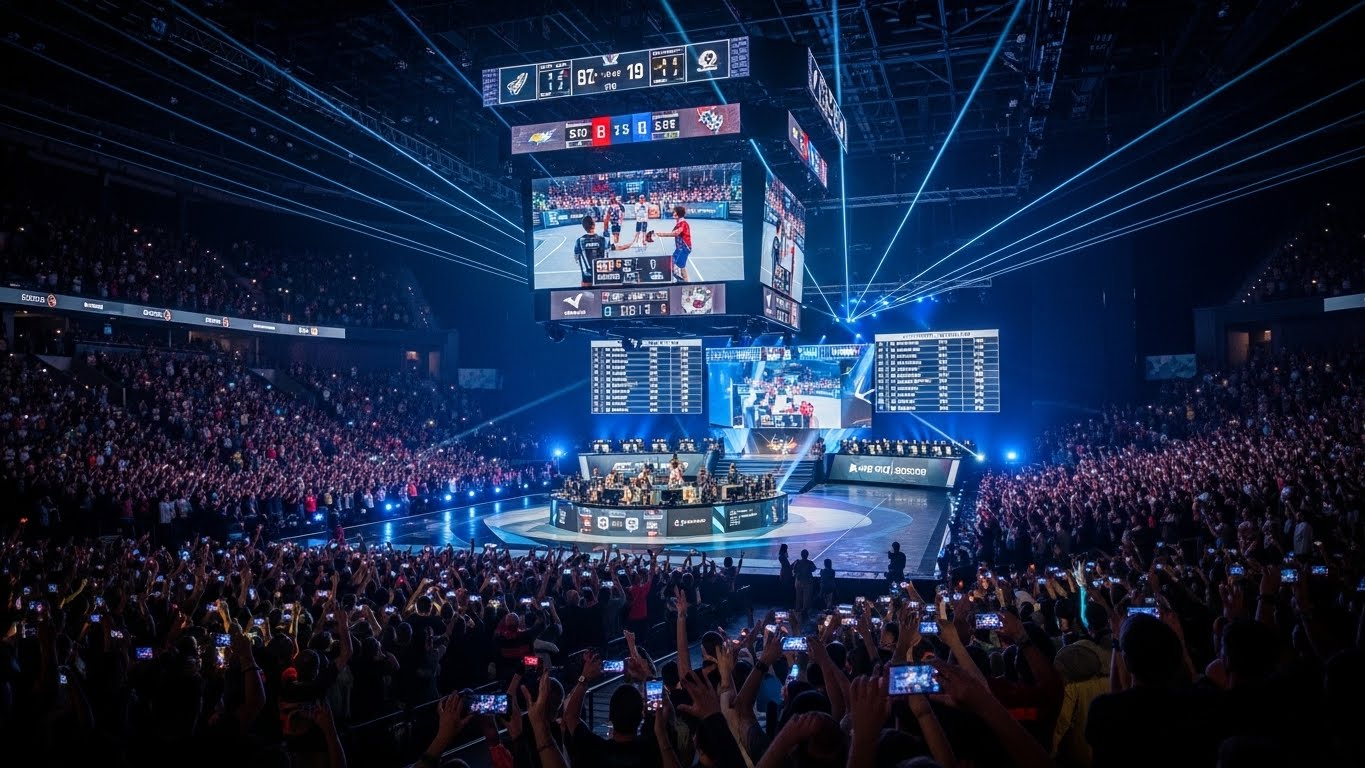
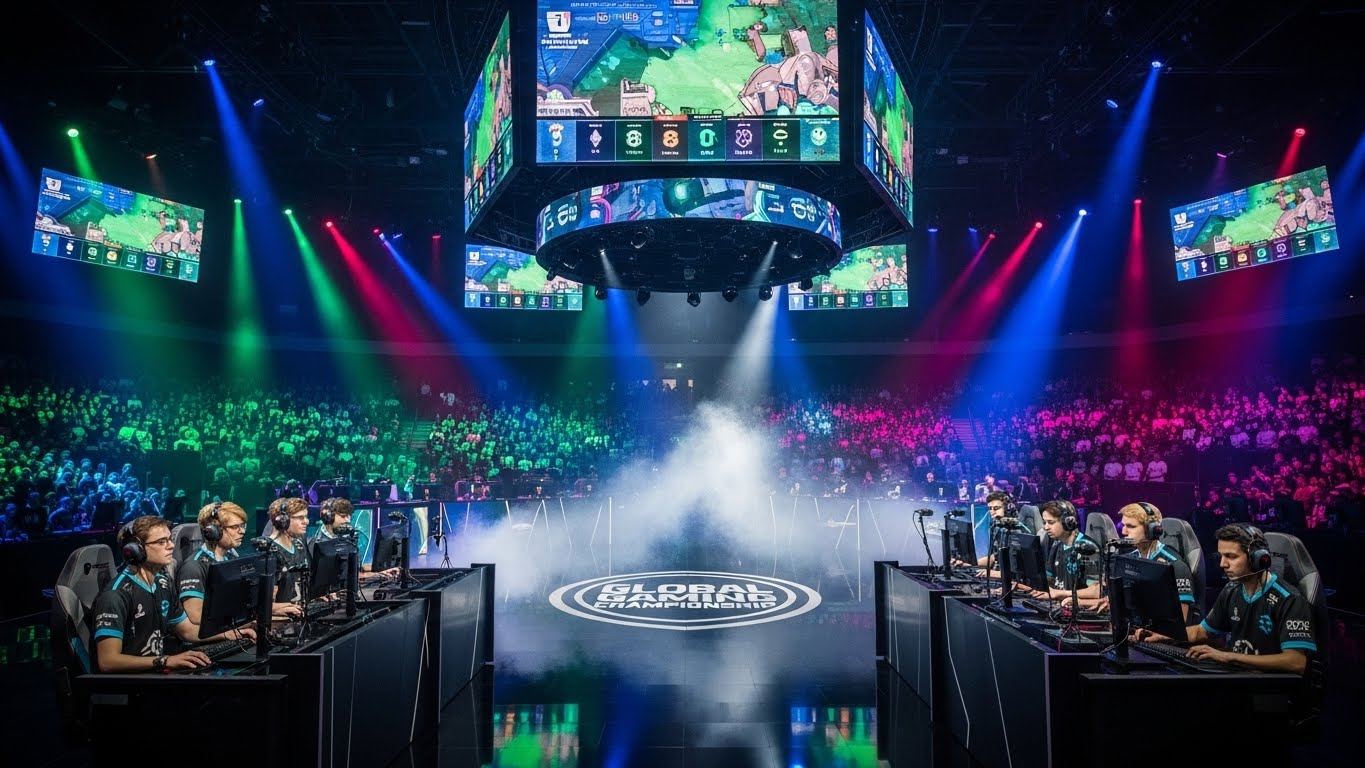
In recent years, esports has evolved from a niche hobby to a global phenomenon, captivating millions of fans worldwide. What was once limited to local tournaments and small communities has now become a multibillion-dollar industry, with professional teams, high-stakes competitions, and a dedicated fan base that rivals traditional sports. The meteoric rise of esports has not only transformed how we view video games but also sparked a revolution in entertainment, culture, and even business. This blog post delves into the dynamic world of esports, its growth, and its influence on the gaming industry, society, and beyond.
What Is Esports?
Esports, short for electronic sports, refers to competitive video gaming, often played professionally and streamed for audiences across the globe. The games involved in esports competitions can span various genres, including real-time strategy (RTS), first-person shooters (FPS), multiplayer online battle arena (MOBA) games, and sports simulators. These games are played individually or in teams, with professional players or teams competing for cash prizes, sponsorships, and the prestige that comes with victory.
Esports competitions are often organized in tournaments or leagues, where players or teams face off against each other, either online or in person. The games are typically streamed live on platforms like Twitch, YouTube Gaming, and Facebook Gaming, attracting millions of viewers who watch the action unfold in real time.
The Evolution of Esports: From Hobby to Industry
Esports didn’t always have the recognition or the massive audience it enjoys today. In fact, the early days of competitive gaming were humble, with players gathering at LAN (local area network) parties or small-scale tournaments. The real breakthrough for esports began in the late 1990s and early 2000s, when games like StarCraft, Warcraft III, and Counter-Strike began to build dedicated player bases. Early competitions were mostly community-driven, but the potential for organized, large-scale tournaments was clear.
The formation of professional leagues in the mid-2000s, such as the Electronic Sports World Cup (ESWC) and Major League Gaming (MLG), was pivotal in formalizing esports. These leagues offered structure, sponsorships, and opportunities for players to turn their passion into a career. The turning point came when high-profile tournaments, such as the League of Legends World Championship and The International (Dota 2), began offering multi-million-dollar prize pools and drawing in millions of viewers from around the world.
The popularity of live streaming also played a crucial role in esports’ growth. Platforms like Twitch provided a dedicated space for gamers to stream their gameplay and interact with fans, while also allowing fans to watch their favorite players and teams in action. This direct connection between players and viewers created a sense of community that helped fuel the esports revolution.
Esports: A Multi-Billion Dollar Industry
Today, esports has firmly established itself as a multi-billion-dollar industry, with revenues generated from various sources such as sponsorships, advertising, media rights, ticket sales, and merchandise. In 2021, the global esports industry was valued at over $1 billion, and it’s expected to continue growing at a rapid pace. The expansion of esports into new regions, the increasing number of esports leagues, and the integration of traditional sports organizations into the space are all contributing factors to this rapid growth.
One of the most significant drivers of esports’ financial success is sponsorship. Major brands from diverse industries—such as technology, energy drinks, fast food, and even automobile companies—have recognized the power of esports to reach young, tech-savvy audiences. Sponsorship deals and partnerships with professional teams, tournaments, and streamers have become essential revenue streams for the esports ecosystem. For instance, brands like Red Bull, Coca-Cola, and Intel have all invested heavily in esports, supporting events and creating content that resonates with fans.
Another key factor is the growing interest in esports betting. As the industry matures, the emergence of esports betting platforms has attracted both traditional sports bettors and new audiences eager to wager on their favorite teams and players. This has introduced a new layer of engagement and excitement to esports competitions, further solidifying its place in the global entertainment landscape.
The Esports Audience: A New Generation of Fans
Esports is not only about the players but also about the passionate fan base that supports them. The demographic of esports fans is young, diverse, and highly engaged. According to industry reports, over 450 million people globally follow esports, with an estimated 200 million of them being active participants. This audience is predominantly made up of people aged 18-34, with a significant portion falling between the ages of 16-24, making it a highly attractive demographic for advertisers and brands.
The appeal of esports to this generation goes beyond just the games themselves. Esports provides an immersive experience for fans, offering them the opportunity to interact with players, watch live events, and even influence outcomes through live voting or social media engagement. Esports also taps into the digital-native lifestyle of young people who have grown up in an era where gaming, streaming, and social media are all intertwined.
The rise of social media and content creators has also played a crucial role in expanding the reach of esports. Influential streamers, such as Ninja, Shroud, and PewDiePie, have become household names, with millions of followers across platforms like Twitch, YouTube, and Instagram. These personalities not only bring attention to specific games but also create a deeper sense of community by interacting with their fans in real time.
The Impact of Esports on Traditional Sports
While esports has undeniably carved out its own space in the entertainment industry, its influence on traditional sports is becoming increasingly apparent. Over the past decade, many traditional sports organizations have invested in esports, recognizing the potential for cross-promotion and fan engagement. For example, football clubs like Manchester City and FC Barcelona have formed their own esports teams, while basketball teams such as the NBA’s Golden State Warriors have partnered with esports leagues like the NBA 2K League.
These collaborations between traditional sports and esports highlight the convergence of two previously distinct worlds. Traditional sports organizations are realizing that esports offers a way to engage younger fans who may not be as interested in conventional sports. For instance, the NBA 2K League has become a way for the NBA to connect with a younger audience by allowing them to participate in the world of professional basketball through esports.
Esports has also found a place in sports broadcasting. Networks like ESPN and Turner Sports now broadcast esports tournaments, further legitimizing the industry and introducing it to broader audiences. These broadcasts not only showcase the excitement of the competitions but also bring in new viewers who may not have been exposed to esports otherwise.
The Future of Esports: Opportunities and Challenges
As esports continues to grow, it faces both exciting opportunities and significant challenges. One of the most promising aspects of esports’ future is its global expansion. While North America, Europe, and parts of Asia are currently the biggest markets for esports, countries in Latin America, Africa, and the Middle East are quickly becoming hotspots for esports development. This global reach presents vast opportunities for tournaments, sponsorships, and partnerships to grow even further.
However, there are challenges that need to be addressed to ensure the continued success of esports. One of the biggest concerns is the lack of regulation and consistency across the industry. With so many different tournaments, leagues, and governing bodies, it can be difficult to ensure fair play, consistent rules, and player safety. Additionally, the mental and physical toll of professional gaming is something that has been gaining attention in recent years, with concerns about the long hours spent practicing and the impact on players’ health and well-being.
Moreover, as esports becomes more mainstream, the question of sustainability arises. Will the industry be able to maintain its explosive growth, or will it eventually plateau? The answer may depend on the ability of esports to continue innovating, attracting new audiences, and finding ways to keep viewers engaged.
Conclusion
Esports is no longer just a subculture; it has become a global force in the entertainment industry. The combination of high-level competition, passionate fans, and commercial opportunities has transformed esports into a multi-billion-dollar business with staying power. Whether you’re a player, a fan, or a brand, the rise of esports represents an exciting new frontier that continues to push the boundaries of what we thought possible in the world of gaming and entertainment.
As esports continues to evolve, it will undoubtedly face both challenges and opportunities. But one thing is certain: the esports revolution is here to stay, and its influence on the entertainment, business, and sports industries will only continue to grow. For players and fans alike, the future of esports is filled with excitement and limitless potential.